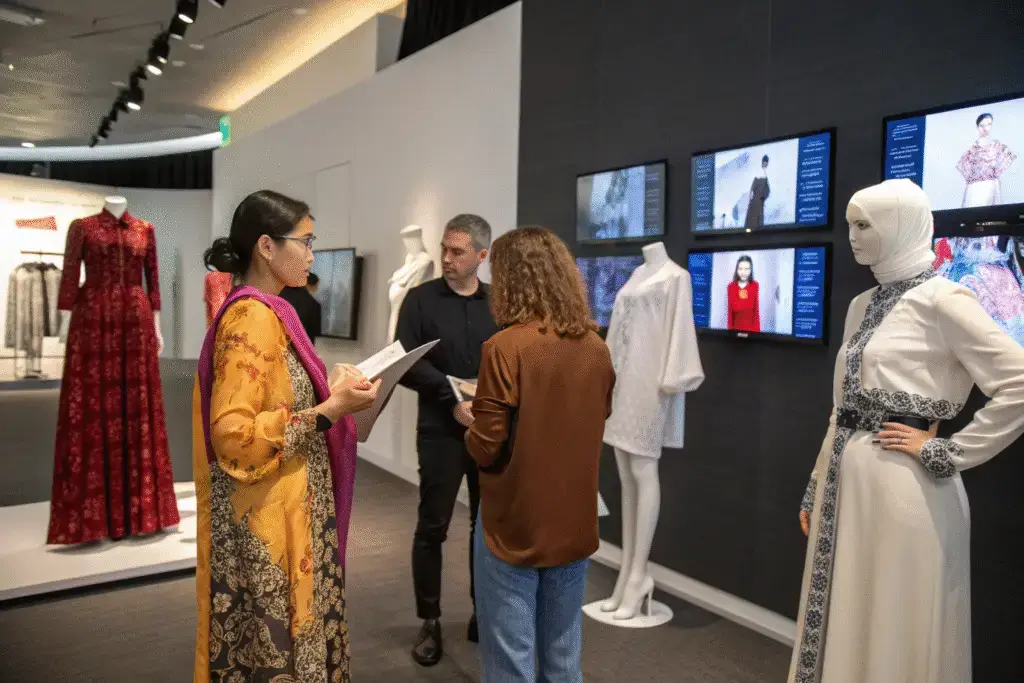
The fashion industry is changing quickly as cultural trends evolve across regions. Many apparel companies struggle to balance local tastes, global market demands, and cultural sensitivity. Missteps can lead to lost sales or even brand backlash.
Learning how to navigate cultural trends helps brands enter new markets successfully while respecting traditions and building global recognition.
This article explores how cultural awareness drives fashion sourcing, the risks of ignoring cultural differences, and the best ways to adapt designs for different regions.
Why Is Cultural Sensitivity Important in Fashion?
Ignoring cultural meaning in fashion design can damage a brand’s reputation. Cultural appropriation scandals have harmed even established luxury brands.
Cultural sensitivity ensures apparel brands respect heritage, avoid controversy, and connect with customers in an authentic way.
Fashion brands must go beyond design aesthetics and understand cultural values.

Can Misusing Cultural Symbols Hurt Brands?
Yes. Fashion history shows cases where misuse of symbols caused public backlash. For example, brands that misused Native American patterns without permission faced criticism. Resources like Fashion Revolution emphasize cultural respect in design.
How Do Local Collaborations Help Avoid Mistakes?
Working with regional designers ensures authenticity. Partnerships with local artisans not only avoid errors but also add value. UNESCO highlights the importance of protecting cultural heritage in creative industries.
How Do Global Fashion Trends Influence Local Markets?
Globalization makes trends travel fast, but not every local market adopts them the same way.
Understanding the balance between global influence and local preferences helps brands design collections that sell internationally.
Fashion brands that adapt trends wisely find more success in multiple markets.

Why Do Streetwear Trends Dominate Across Borders?
Streetwear has become a universal fashion language. From Tokyo to New York, it blends cultural influences. Reports by Business of Fashion show its continued dominance.
Can Minimalist Fashion Succeed in Every Market?
Minimalism works well in Europe but needs adaptation in Asia and the U.S. Brands that adjust colors and cuts for local tastes see stronger sales. Insights from Vogue Business confirm that localization is critical.
What Role Does Technology Play in Tracking Trends?
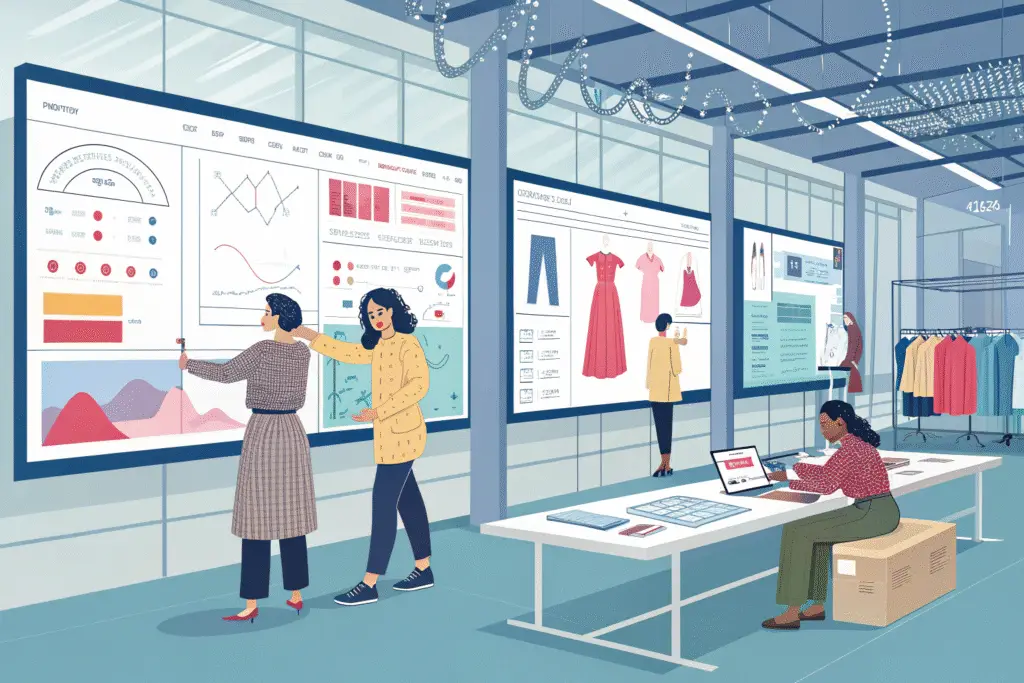
Traditional trend forecasting relied on fashion shows and seasonal catalogs. Today, technology makes it easier to track shifting cultural trends in real time.
AI and data analytics help brands identify emerging cultural preferences before they go mainstream.
Fashion companies that use technology are more agile in responding to cultural shifts.
How Does Social Media Drive Cultural Trends?
Platforms like Instagram and TikTok amplify cultural styles globally. Monitoring hashtags and influencers allows brands to predict what styles will trend.
Can AI Trend Forecasting Improve Design Accuracy?
Yes. Companies like Edited use AI to analyze sales data and cultural signals, helping apparel brands create collections that match demand. This reduces unsold inventory and increases profitability.
How Can Brands Build Cross-Cultural Appeal?
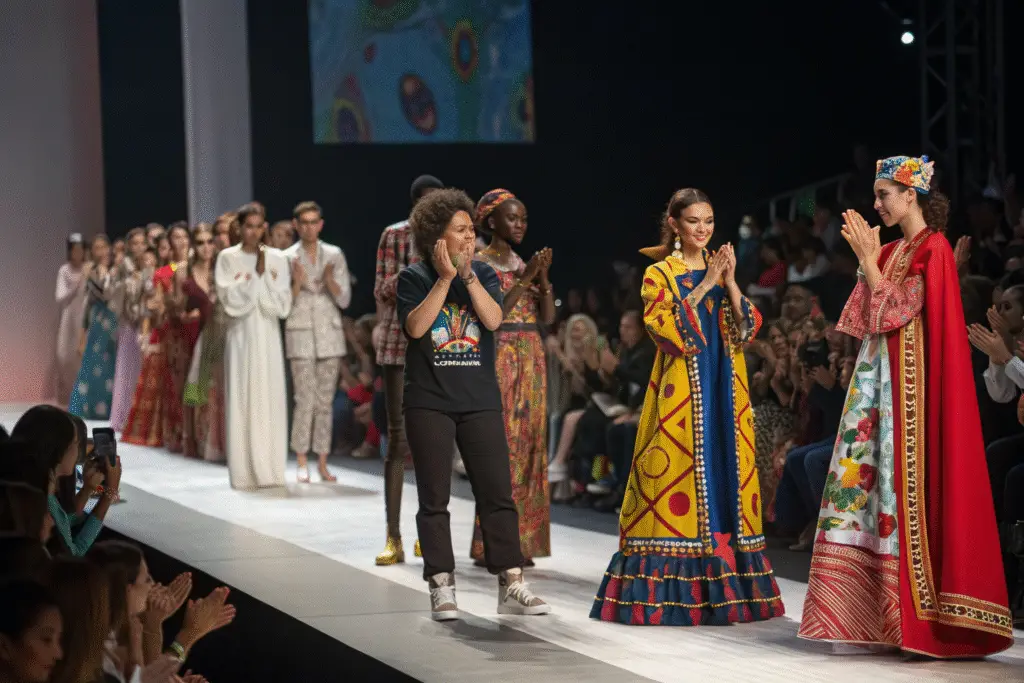
Cross-cultural fashion design is about inclusion, respect, and smart adaptation. Brands that master this balance gain trust and loyalty in multiple markets.
Building cross-cultural appeal creates long-term global success while supporting diversity and inclusivity.
Brands must embrace cultural diversity not just as a trend but as a core value.
Why Is Inclusive Representation Important?
Consumers want to see themselves represented. Brands like Nike and Adidas succeed globally because they adapt campaigns to reflect cultural diversity.
Can Co-Creation with Consumers Strengthen Appeal?
Yes. Many brands invite customers to co-create designs online, ensuring authenticity and inclusivity. Studies by McKinsey show co-creation strengthens brand engagement across cultures.
Conclusion
Navigating cultural trends in global apparel requires sensitivity, awareness, and adaptability. Brands that respect traditions, leverage technology, and embrace inclusivity will thrive in international markets.
At Shanghai Fumao Clothing, we specialize in helping U.S. and European fashion brands create apparel that respects cultural influences while staying on trend. If you are ready to expand your brand globally with confidence, contact our Business Director Elaine at strong>elaine@fumaoclothing.com</strong.