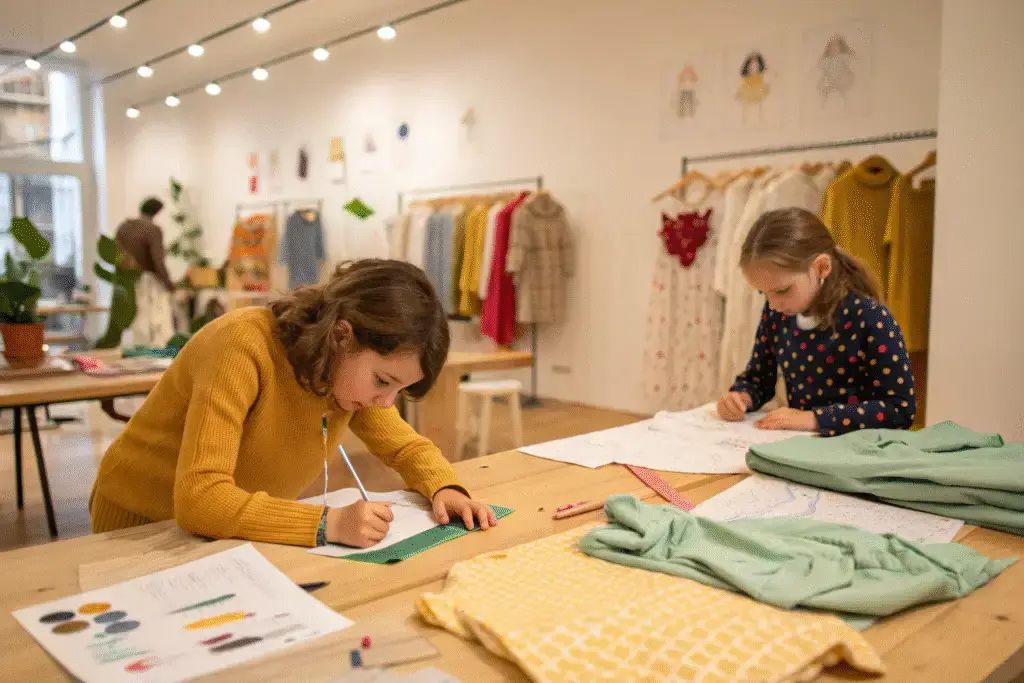
Parents today are more concerned about what goes into their children’s clothing than ever before. Many are frustrated by synthetic fabrics that cause skin irritation, allergies, or simply do not feel breathable. They want something safer, healthier, and also sustainable for the planet their children will inherit.
Bio-based materials are the answer because they provide comfort, safety, and eco-friendly benefits while meeting the demand for sustainable fashion. They give parents peace of mind and brands a strong competitive advantage.
This article will explore why bio-based fabrics are becoming popular for children’s apparel, what their main benefits are, how they compare with synthetic materials, and why they represent the future of kidswear.
Are Bio-Based Fabrics Safer for Children’s Skin?
Children have delicate and sensitive skin. Synthetic fabrics often contain chemical dyes, finishing agents, or microplastics that can irritate or cause rashes.
Bio-based fabrics such as organic cotton, bamboo, and hemp are naturally hypoallergenic and breathable, making them safer for kids’ daily wear.
Parents want assurance that clothing will not harm their children. Bio-based fabrics provide this reassurance through proven safety and softness.

Why Is Organic Cotton Preferred by Parents?
Organic cotton is free from harmful pesticides and grown under eco-friendly farming methods. According to Textile Exchange, it reduces water usage and avoids toxic chemicals, which makes it gentler on a child’s skin. Many children’s brands highlight organic cotton as their main selling point.
Can Bamboo Fabric Improve Comfort?
Yes. Bamboo fabric is highly breathable, moisture-wicking, and naturally antibacterial. It helps keep kids cool in summer and warm in winter. Learn more about its properties from Bamboo Clothing UK.
How Do Bio-Based Materials Support Sustainability?
Fashion production is one of the most polluting industries. Synthetic fibers like polyester release microplastics into the ocean.
Bio-based materials reduce environmental impact by being renewable, biodegradable, and produced with fewer harmful chemicals.
For parents who care about the planet’s future, choosing bio-based kidswear feels like an investment in sustainability.
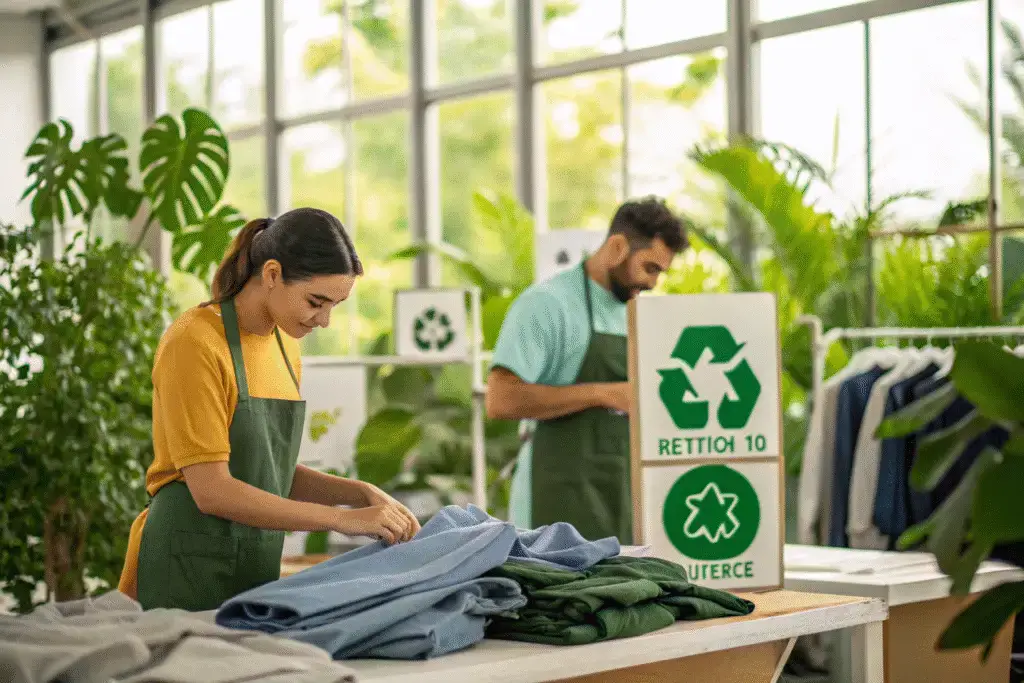
Do Bio-Based Fabrics Reduce Carbon Footprints?
Yes. Hemp and organic cotton absorb CO₂ during growth, which lowers overall carbon emissions. Reports by OECD highlight the benefits of renewable fibers in fighting climate change.
Can Biodegradable Fabrics Replace Polyester?
Bio-based fabrics decompose naturally without releasing toxic particles. In contrast, polyester can take centuries to break down. Common Objective notes that brands switching to biodegradable fabrics gain both sustainability and marketing benefits.
Are Bio-Based Materials Cost-Effective for Brands?
Some buyers assume that sustainable fabrics are always more expensive. While costs may be higher upfront, long-term benefits outweigh the expense.
Bio-based materials help brands reduce waste, attract eco-conscious customers, and build premium value in the market.
When evaluating cost, it’s important to look beyond immediate price and focus on brand positioning and long-term demand.

Why Do Eco-Friendly Fabrics Improve Brand Value?
Eco-friendly certifications like GOTS or OEKO-TEX give credibility and justify higher prices. Many parents are willing to pay more for kids’ clothes that are proven safe and sustainable.
Can Reduced Waste Lower Overall Production Costs?
Yes. Factories producing with bio-based fabrics often integrate recycling and efficient cutting methods. According to Sustainable Apparel Coalition, this reduces fabric waste and improves production efficiency, leading to lower costs in the long run.
Will Bio-Based Fabrics Shape the Future of Kidswear?
The global fashion industry is shifting toward sustainability. Kidswear, as one of the most sensitive and value-driven categories, is at the center of this change.
Bio-based fabrics are not just a trend, they are becoming the new standard for safe, sustainable, and innovative children’s apparel.
This transformation is already visible in leading brands and upcoming eco-fashion startups.
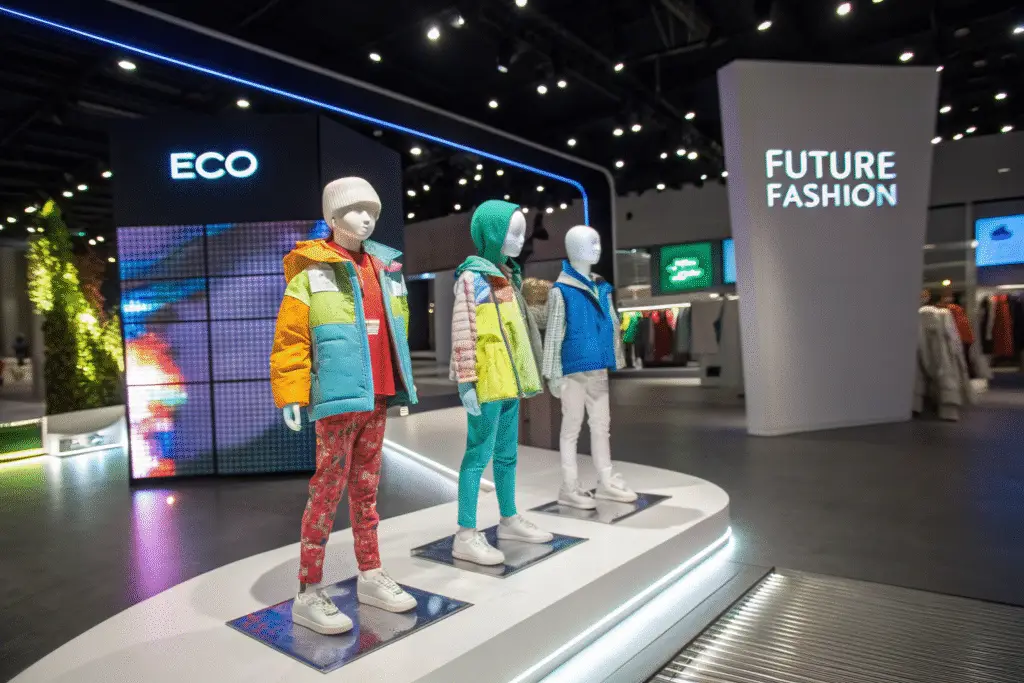
Are Major Kidswear Brands Adopting Bio-Based Fabrics?
Yes. Brands like Patagonia and Hanna Andersson are using organic cotton and recycled materials to appeal to eco-conscious parents. Their success proves that sustainable kidswear has strong demand.
How Will Innovation Drive Future Kids Clothing?
With the rise of bio-based textiles such as Tencel and Piñatex, kids’ clothing will continue to evolve. Lenzing Group is already producing Tencel fibers that combine softness with sustainability, showing how innovation will lead the next era of children’s fashion.
Conclusion
Bio-based fabrics provide safety for children’s skin, reduce environmental impact, improve brand value, and represent the future of kidswear. They help parents make healthier choices while supporting brands in building trust and long-term loyalty.
At Shanghai Fumao Clothing, we are committed to producing kids’ apparel using top-quality, sustainable fabrics. We specialize in organic cotton, bamboo, hemp, and other bio-based materials that meet global certifications. If you are ready to launch your own eco-friendly kidswear line, contact our Business Director Elaine at strong>elaine@fumaoclothing.com</strong.