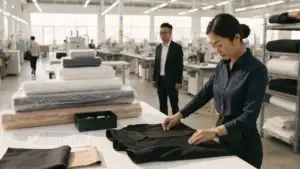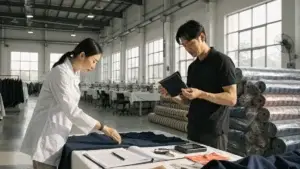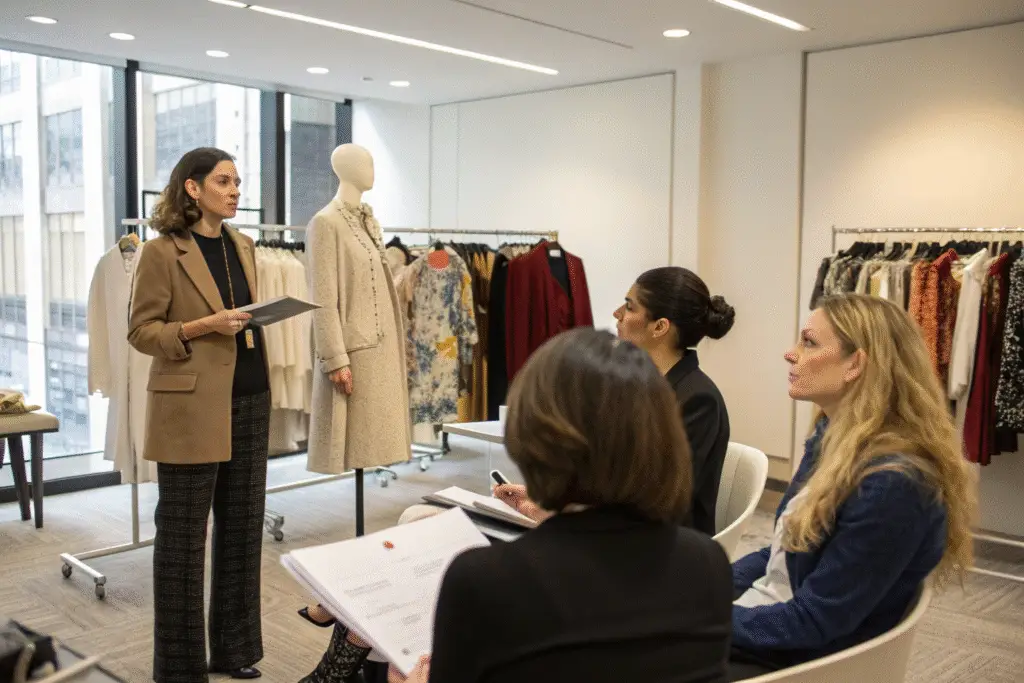
When I talk to U.S. buyers, one of the most common challenges they share is producing size-inclusive fashion without losing profit margins. Many brands know that consumers want inclusive sizing, but they worry about the extra costs in fabric, grading, and production. I understand this pain point because I have helped many brands navigate it.
Sourcing size-inclusive fashion economically requires efficient pattern grading, fabric optimization, flexible manufacturing, and smart supplier partnerships to keep costs under control while meeting diverse customer needs.
This is not just about affordability—it is about reaching a wider market, building brand loyalty, and ensuring inclusivity does not become a financial burden.
Why Is Size-Inclusive Fashion Important For Brands?
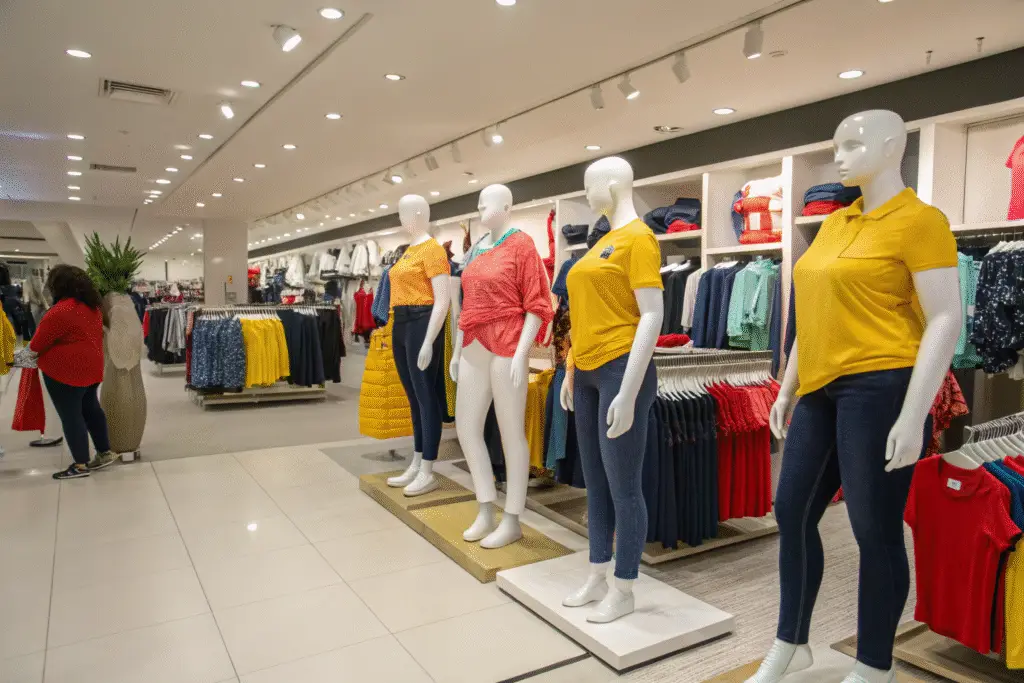
Inclusive sizing is more than a trend—it is an expectation. U.S. consumers demand representation, and brands that fail to provide it risk losing sales.
Offering inclusive sizing builds brand trust, expands market reach, and shows respect for diverse customers.
Does Inclusive Sizing Increase Sales?
Yes. According to Statista, the plus-size apparel market in the U.S. is worth over $24 billion and continues to grow. Brands that ignore this market lose out.
How Does It Improve Brand Image?
Shoppers reward brands that embrace diversity. A report from Forbes highlights that inclusivity drives loyalty and long-term growth.
How Can Factories Optimize Patterns And Fabric Use?
One of the main concerns for buyers is the extra fabric needed for larger sizes. But with efficient pattern grading and fabric optimization, costs can be controlled.
Smart grading techniques and digital tools reduce fabric waste and keep production economical.
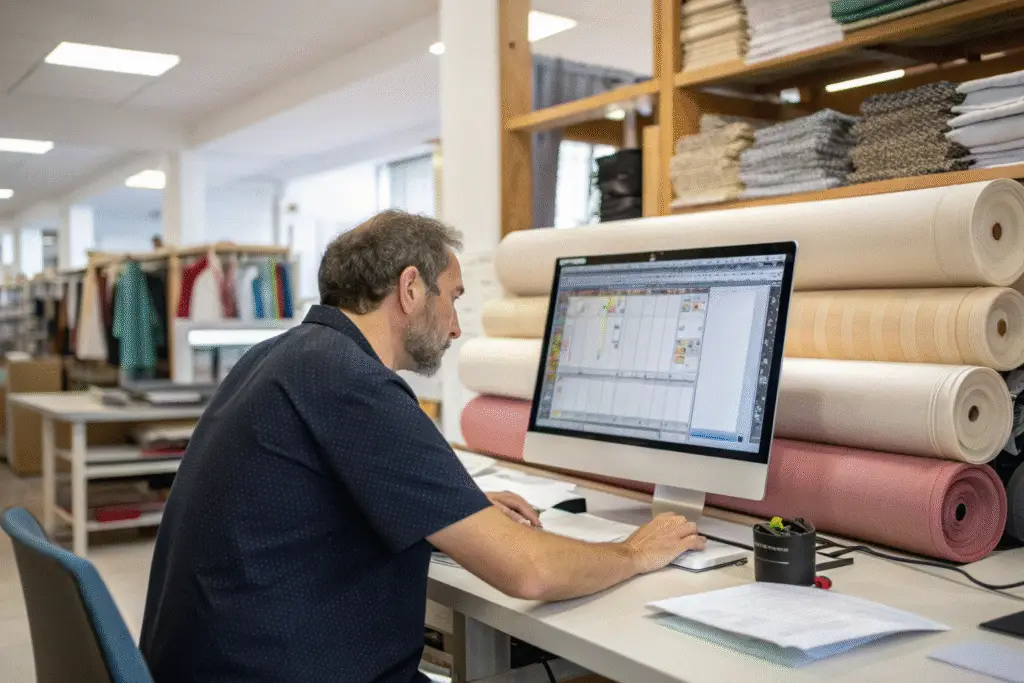
What Is Pattern Grading?
It is the process of scaling a base size into different sizes. Digital tools like Lectra or Gerber make this process accurate and efficient. More details at Gerber Technology.
Can Fabric Waste Be Reduced?
Yes. Using software to optimize fabric layouts reduces cutting waste, saving costs. Learn more at Lectra Fabric Optimization.
How Do Flexible Manufacturing Lines Help?
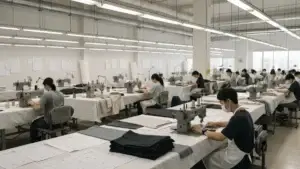
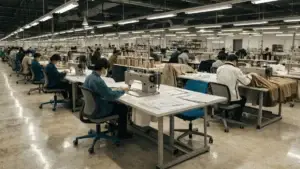
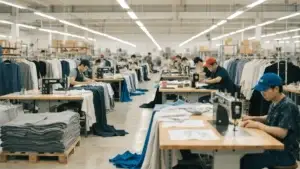
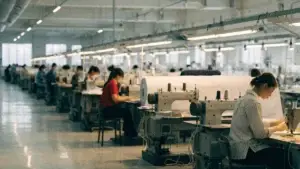
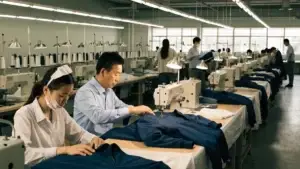
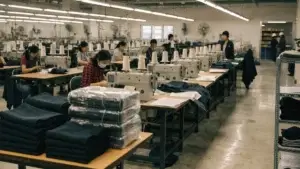
Factories with flexible production setups can handle multiple size runs more efficiently. Instead of treating plus-size as a separate line, they integrate it into the same workflow.
Flexible manufacturing lowers costs by reducing changeover time and maximizing production efficiency.
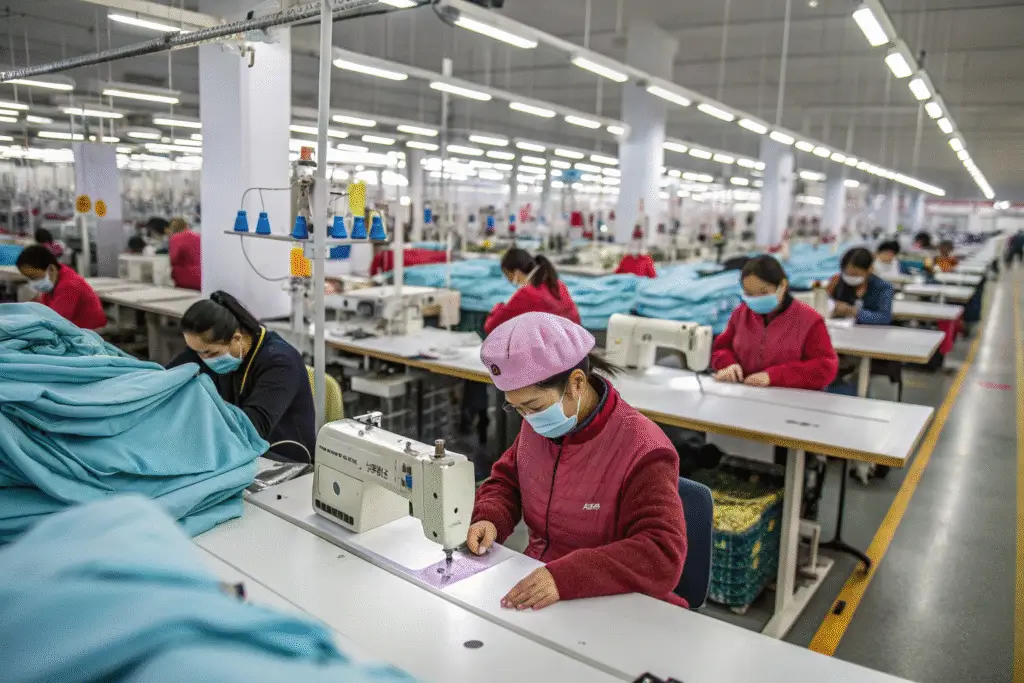
How Do Factories Adapt Quickly?
By training workers to handle size variations and using modular equipment. Read more at Industry Today.
Does This Benefit Smaller Brands Too?
Yes. Even small and mid-size brands can produce inclusive sizing if they partner with factories experienced in flexible production. See Fibre2Fashion insights.
What Role Do Supplier Partnerships Play?
Sourcing size-inclusive fashion economically depends on choosing the right suppliers. Buyers must work with partners who understand both inclusivity and cost control.
Strong supplier partnerships allow better pricing, shared risk, and long-term cost savings.
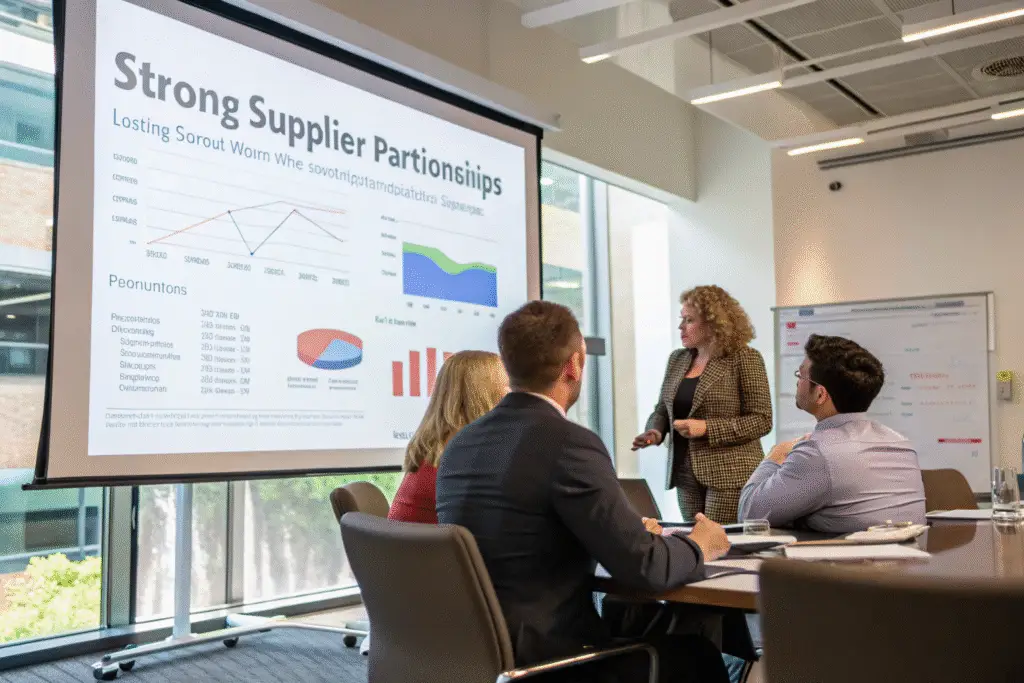
How Can Buyers Negotiate Better?
By committing to long-term orders and larger volume agreements, buyers gain better prices from suppliers. Learn more at Harvard Business Review on supplier relationships.
Why Is Transparency Important?
Clear agreements on costs, materials, and delivery timelines reduce misunderstandings and hidden fees. See McKinsey report on apparel sourcing.
Conclusion
Sourcing size-inclusive fashion economically is not impossible—it just requires smart strategies. With clear market demand, efficient pattern grading, flexible production, and strong supplier partnerships, brands can meet inclusivity goals without sacrificing profits.
At Shanghai Fumao, we help U.S. brands develop size-inclusive collections with cost-efficient solutions and high-quality results. If you are planning to expand your size range, contact our Business Director, Elaine, at strong>elaine@fumaoclothing.com</strong and let’s build inclusive fashion lines together.