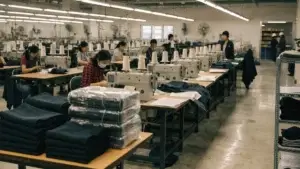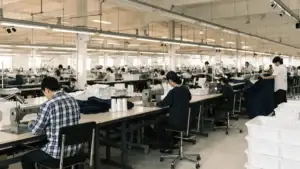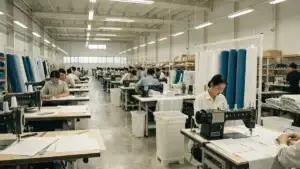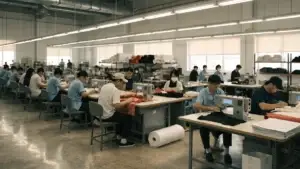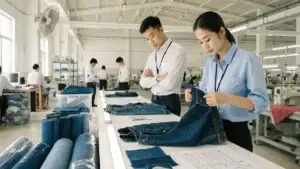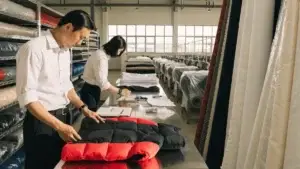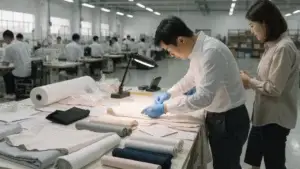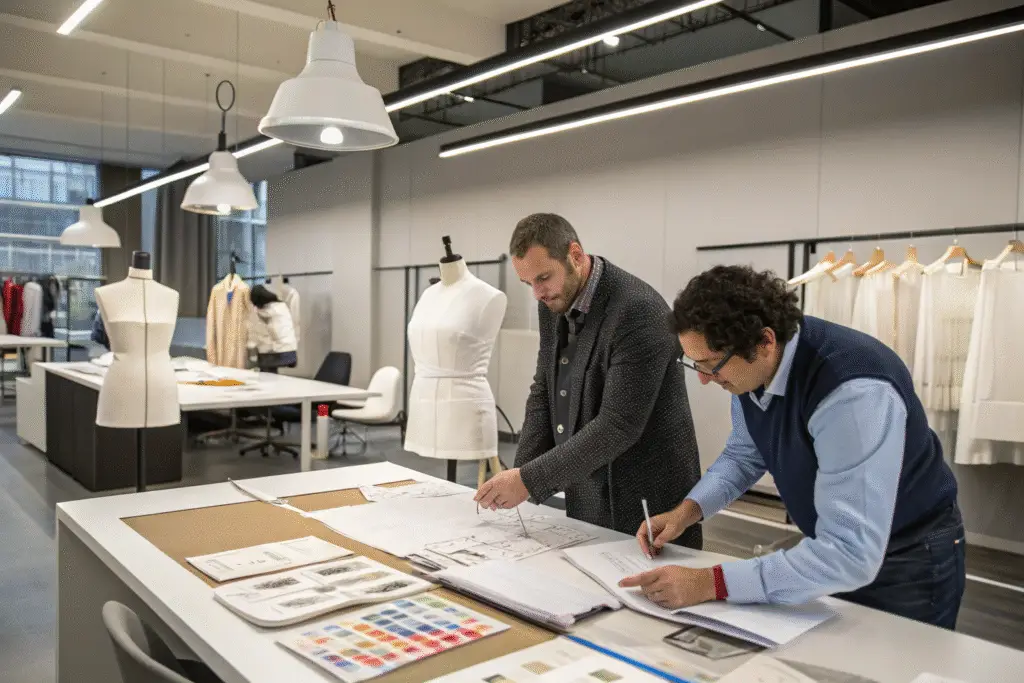
Whenever I meet U.S. buyers, one of the first topics they raise is sample development. They want to know how to make sure the final bulk order matches their vision. I understand this need very well, because poor sample development leads to frustration, wasted money, and delayed sales. I’ve seen buyers reject entire shipments because the samples weren’t accurate.
Best practices in sample development include clear communication, accurate tech packs, material testing, iterative feedback, and rigorous quality control to ensure the final product meets brand standards.
Sample development is more than just a step before production. It is the foundation of trust between buyers and manufacturers. Let me share the practices that work best.
Why Is Clear Communication Essential?
Communication gaps are the biggest cause of problems in sample development. When details are unclear, samples turn out wrong.
Clear communication ensures that every design detail is translated correctly into production.

How To Avoid Misunderstandings?
Always provide detailed tech packs with measurements, colors, stitching instructions, and reference images. A good guide on this is Techpacker’s tech pack essentials.
Why Are Regular Updates Important?
Because they reduce surprises. Weekly progress reports keep both buyers and factories aligned. Learn more about communication tips from Apparel Resources.
How Important Is Material And Fabric Testing?
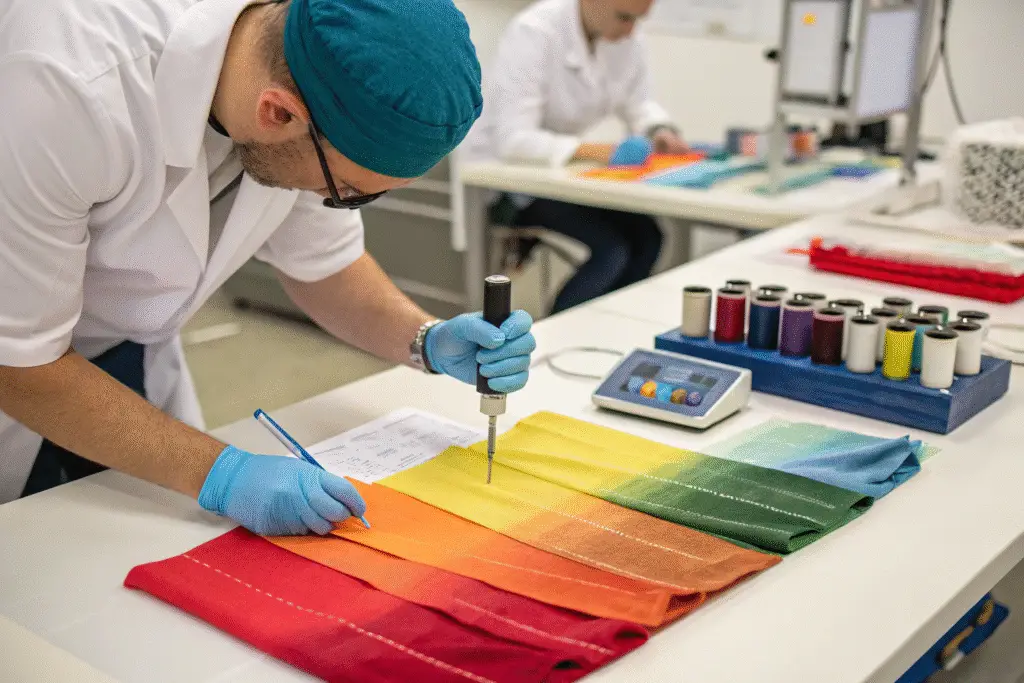
Even with perfect design details, the wrong fabric can ruin the final garment. That’s why material testing must be part of sample development.
Fabric testing ensures durability, comfort, and compliance with quality standards.
Which Tests Should Be Done?
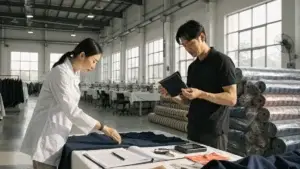
Common ones include shrinkage, pilling, tensile strength, and color fastness. More details at SGS textile testing.
Does Fabric Choice Affect Costs?
Yes. High-quality fabrics may increase costs but reduce returns. Buyers can learn more at OEKO-TEX fabric certifications.
Why Use Iterative Sample Stages?
One common mistake buyers make is expecting perfection in the first sample. In reality, good sample development requires several stages.
Iterative sampling allows for adjustments and ensures accuracy before bulk production.
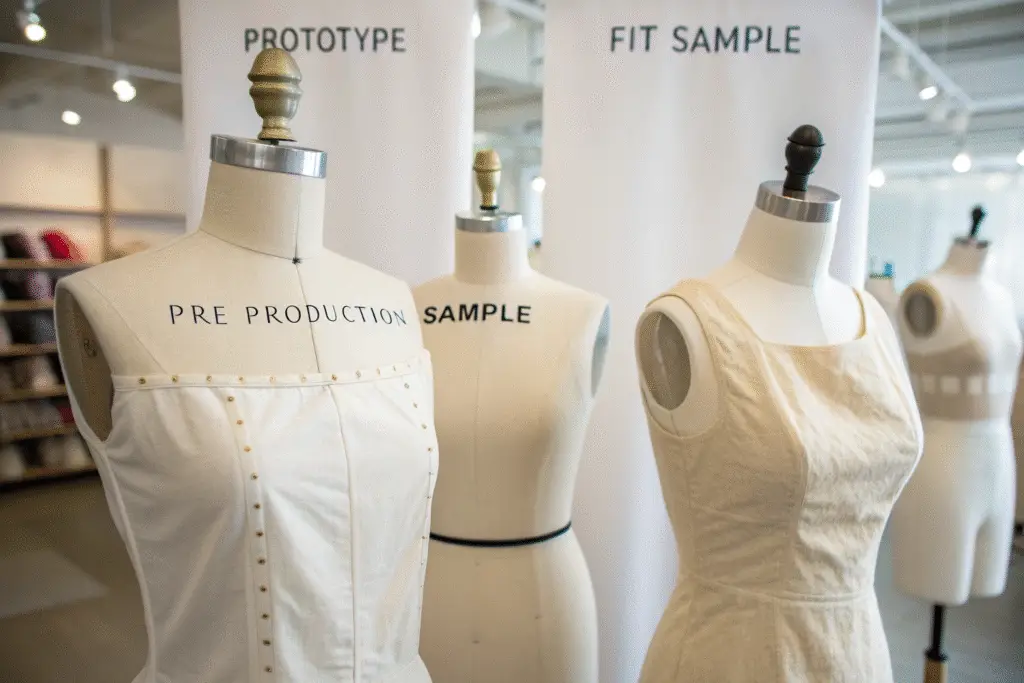
What Are The Key Sample Types?
Prototype, fit sample, sales sample, and pre-production sample. Each serves a unique purpose. A helpful resource is Fashionary’s guide to sample development.
How Does Feedback Work In Stages?
Feedback at each stage ensures corrections are made early, saving time and costs. For more process tips, check Fibre2Fashion.
Why Is Quality Control At Sample Stage Critical?
Quality checks at the sample stage prevent major problems later. It is far cheaper to fix issues in samples than in bulk production.
Sample quality control guarantees that production standards are consistent and reliable.
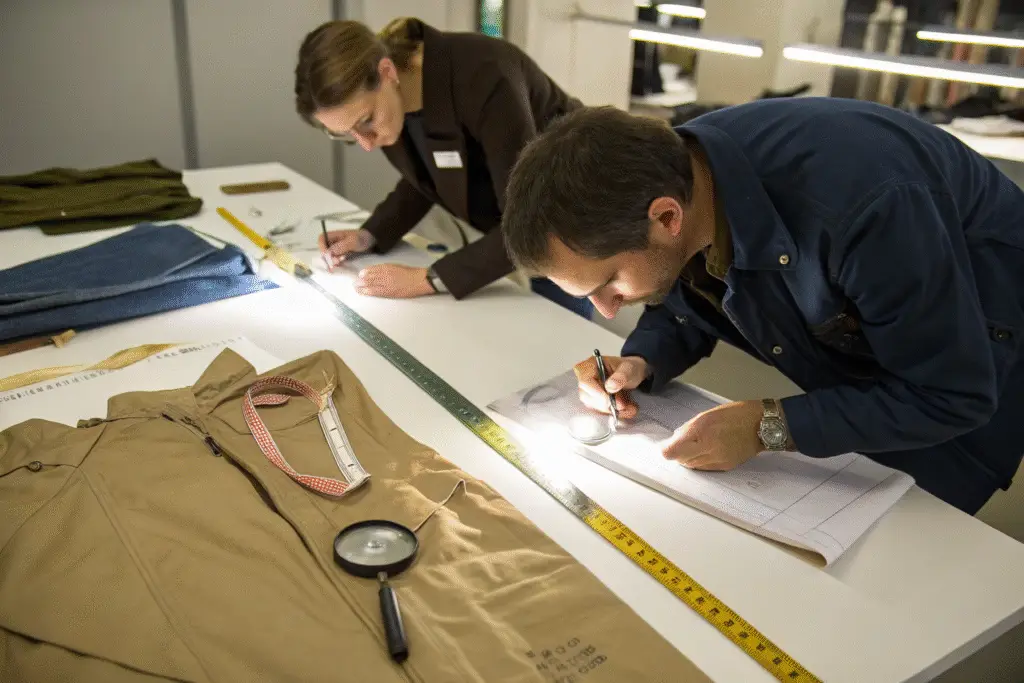
What Should Be Inspected?
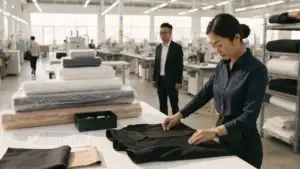
Measurements, stitching, trims, zippers, buttons, and fabric quality. A useful checklist is available at QIMA inspection services.
How Does QC Build Buyer Confidence?
It shows that the factory takes responsibility before mass production. This creates trust and reduces disputes. More insights at Intertek textile services.
Conclusion
Sample development is not a small step—it is the backbone of successful apparel production. By focusing on communication, fabric testing, iterative sampling, and quality control, brands can reduce risks and ensure their orders arrive exactly as expected.
At Shanghai Fumao, we specialize in professional sample development tailored for U.S. buyers. If your brand is ready to launch new collections with confidence, contact our Business Director, Elaine, at strong>elaine@fumaoclothing.com</strong and let us guide you through a smooth sample-to-production process.