In today’s apparel market, there’s a growing demand for clothing that is safe and comfortable for people with sensitive skin. Allergic reactions to fabrics are more common than many realize, especially in garments treated with harsh dyes, synthetic fibers, or chemical finishes.
For brands serving health-conscious consumers, selecting the right fabric is essential. The choice impacts not only wearer comfort but also product reputation and compliance with safety standards.
At Shanghai Fumao, we guide our U.S. partners in selecting allergy-safe textiles that meet both aesthetic goals and functional requirements, ensuring every piece is both stylish and skin-friendly.
Choose Organic and Chemical-Free Materials
Many allergic reactions stem from chemicals used in fabric processing. Organic and chemical-free materials minimize exposure to dyes, pesticides, and synthetic resins that can irritate sensitive skin.
These fabrics not only provide comfort but also appeal to eco-conscious buyers seeking sustainable fashion solutions.
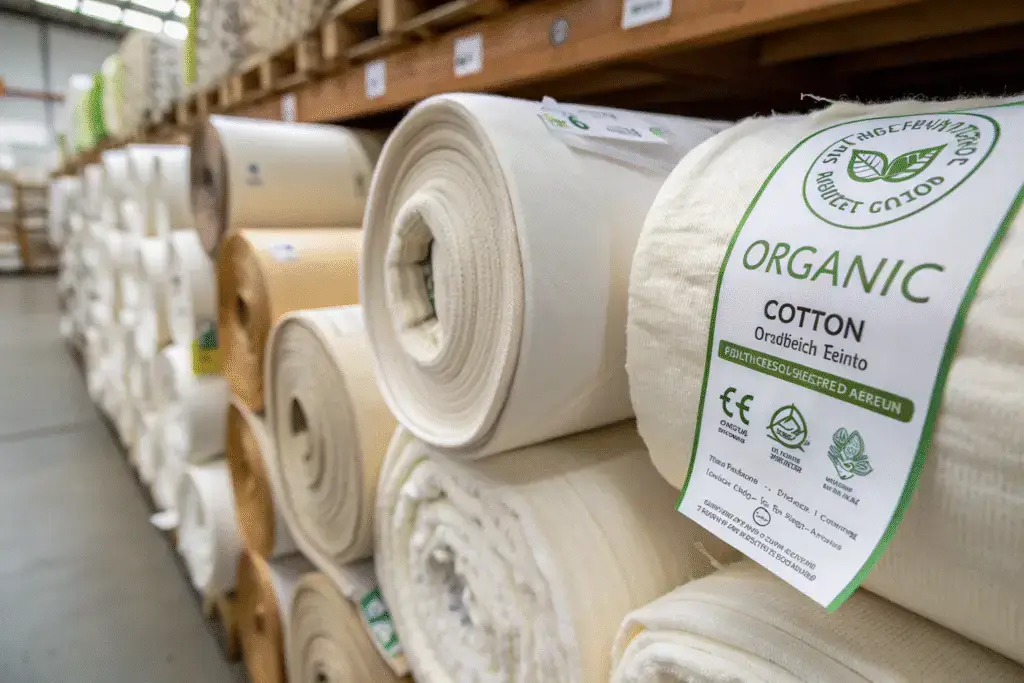
Why Is Organic Cotton Safer for Sensitive Skin?
Organic cotton is grown without harmful pesticides or fertilizers, making it less likely to cause irritation. According to Textile Exchange, certified organic cotton must meet strict environmental and social criteria, ensuring both sustainability and skin safety. Retailers like PACT Apparel have built entire product lines around organic cotton for allergy-conscious consumers.
Are Bamboo Fabrics Truly Hypoallergenic?
Yes, bamboo fabric is naturally hypoallergenic, breathable, and moisture-wicking, making it ideal for sensitive skin. However, brands must ensure it is mechanically processed rather than chemically treated to retain its natural benefits. The Bamboo Textile Association recommends certification to verify eco-friendly processing methods.
Explore Advanced Hypoallergenic Fiber Technologies
Innovation in textile technology has introduced fibers specifically engineered to reduce allergens. These fabrics are designed to resist dust mites, mold, and bacteria—common triggers for skin irritation.
Such fabrics combine performance benefits with wearer comfort, expanding the possibilities for fashion and activewear brands targeting allergy-sensitive markets.

What Is Tencel and Why Is It Skin-Friendly?
Tencel, made from sustainably sourced wood pulp, has smooth fibers that prevent skin abrasion. It is certified by OEKO-TEX as safe for skin contact, making it an excellent choice for luxury and casual wear. Brands like Allbirds incorporate Tencel into their apparel for its hypoallergenic qualities.
How Do Silver-Infused Fabrics Help Allergies?
Silver-infused textiles inhibit bacterial growth, reducing odor and allergen build-up. According to ScienceDirect research, silver nanoparticles in fabrics can reduce microbial presence by up to 99%. Sportswear companies like Lululemon use this technology in products for athletes with sensitive skin.
Consider Breathable and Moisture-Wicking Options
Breathability is critical for preventing skin irritation. Fabrics that wick away moisture help keep skin dry, reducing the risk of rashes and allergic flare-ups.
Lightweight, open-weave textiles also allow for airflow, which is essential in warm climates or during physical activity.

Why Is Merino Wool Suitable for Some Allergy Sufferers?
Fine-grade Merino wool is softer and less itchy than traditional wool, and it naturally wicks moisture. Certified Merino from sources like The Woolmark Company ensures ethical and skin-safe production. Outdoor brands like Icebreaker promote Merino for its hypoallergenic benefits.
How Does Moisture Management Reduce Irritation?
By moving sweat away from the skin, fabrics like Coolmax reduce the conditions where allergens thrive. Invista offers patented moisture-wicking fibers used in performance wear to keep allergy-sensitive skin cool and dry.
Verify Certifications and Compliance Standards
Even if a fabric appears allergy-friendly, brands must ensure it meets global certification standards for skin safety. Certifications provide assurance to consumers and protect brands from liability claims.
Regular testing and transparent documentation strengthen consumer trust and help brands meet regulatory requirements.
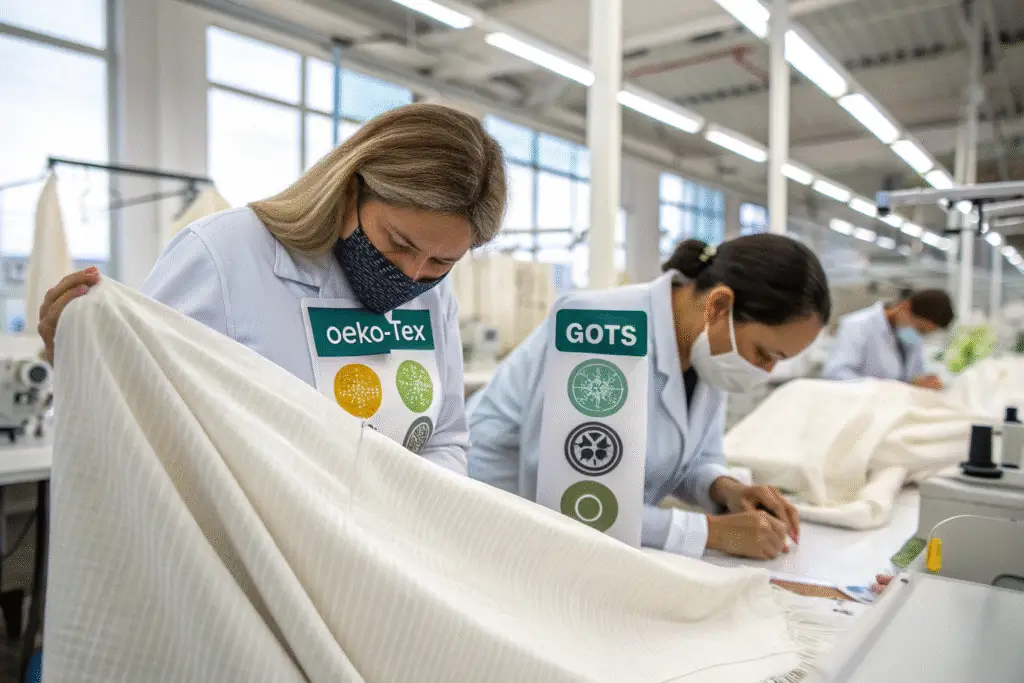
Which Certifications Should Allergy-Friendly Fabrics Have?
Key certifications include OEKO-TEX Standard 100 for chemical safety, GOTS for organic textiles, and USDA Organic for raw material verification. These labels help consumers make safe purchasing decisions.
How Often Should Fabrics Be Tested for Safety?
Annual testing is recommended to ensure ongoing compliance, especially when working with new suppliers. Independent labs like Intertek offer textile safety testing that meets international standards.
Conclusion
Selecting the best fabrics for allergy-sensitive apparel requires balancing comfort, safety, performance, and compliance. Organic materials, advanced hypoallergenic fibers, breathable textiles, and certified production practices ensure your products are both fashionable and skin-friendly.
At Shanghai Fumao, we help U.S. apparel brands source and produce clothing that meets the needs of allergy-sensitive consumers while delivering premium quality. For expert guidance and tailored manufacturing solutions, contact our Business Director Elaine at elaine@fumaoclothing.com.