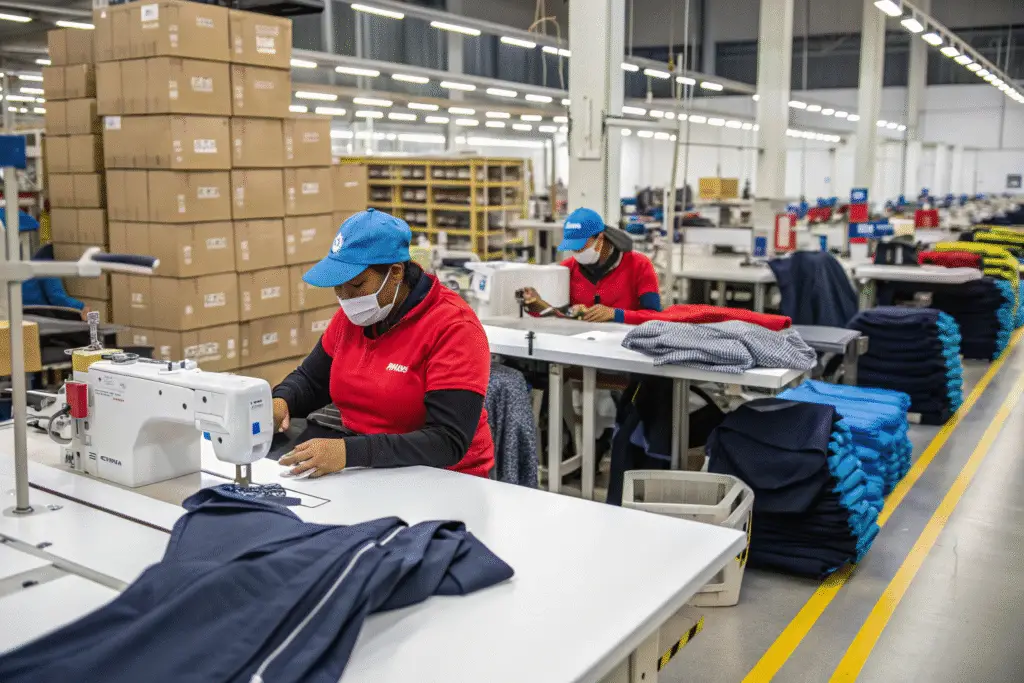
Nearshoring—the practice of sourcing production closer to the target market—is becoming increasingly popular in the apparel industry. Instead of manufacturing garments in distant countries, brands are shifting production to neighboring or regional suppliers.
As a manufacturer working with U.S. and European buyers, I’ve seen how nearshoring addresses key challenges in today’s apparel supply chains. It reduces lead times, improves flexibility, and helps brands respond faster to market changes.
In this article, I’ll explain why nearshoring is gaining traction, what benefits it offers, and how it compares to traditional offshore manufacturing.
What Is Nearshoring in the Apparel Industry?
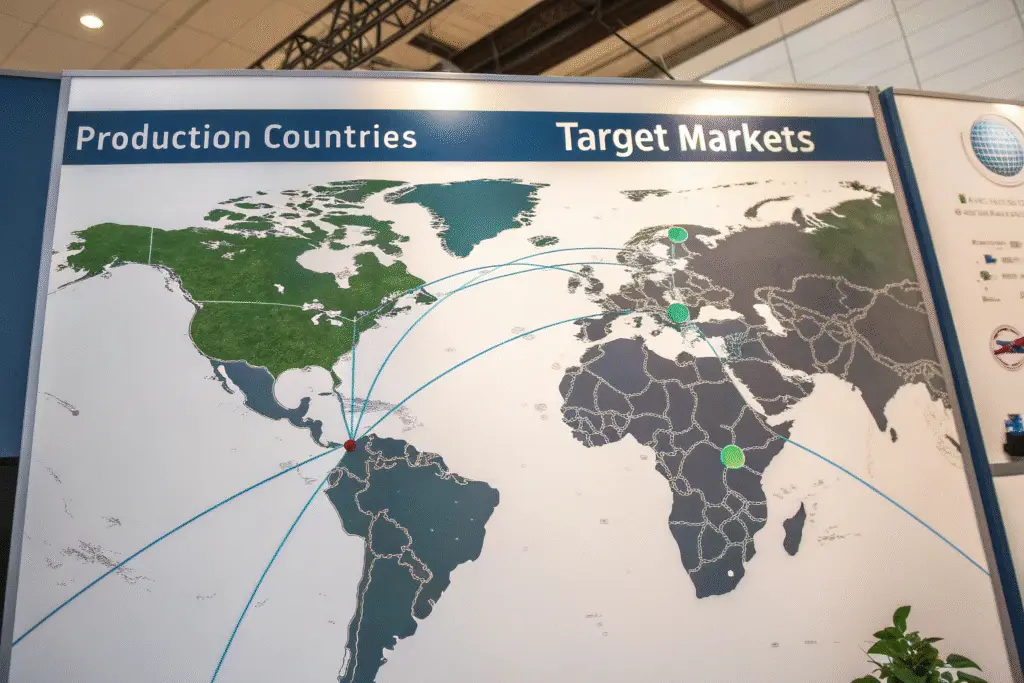
Nearshoring means relocating manufacturing operations closer to the end consumer market. For U.S. brands, this could mean sourcing from Mexico or Central America; for European brands, it might involve Turkey, Portugal, or Eastern Europe.
In our discussions with clients, nearshoring often comes up as a way to balance cost with responsiveness.
How does nearshoring differ from reshoring?
Nearshoring moves production closer but not necessarily into the brand’s home country, while reshoring brings it fully back home. See Investopedia on nearshoring and Supply Chain Dive insights.
Is nearshoring suitable for all apparel categories?
Not always. High-volume basics may still be more cost-effective offshore, but fashion-forward items benefit from nearshoring. Learn from Sourcing Journal market reports and Apparel Resources sourcing tips.
How Does Nearshoring Reduce Lead Times?
Shorter shipping distances mean faster turnaround times from order to delivery. This allows brands to replenish popular items quickly and react to emerging trends.
In our experience, lead times can drop by several weeks compared to offshore production, enabling faster market response.

How does faster delivery impact sales?
It reduces missed sales opportunities and helps avoid overstocking. See McKinsey’s apparel supply chain analysis and Harvard Business Review lead time research.
Can nearshoring work with just-in-time production?
Yes. Proximity makes it easier to align production closely with actual demand. Learn from Lean Enterprise Institute case studies and Textile World supply chain features.
How Does Nearshoring Improve Flexibility and Risk Management?
Nearshoring provides flexibility to adjust orders mid-season, respond to market shifts, and manage smaller production runs without excessive shipping delays.
We work with nearshore partners who can scale production up or down quickly, reducing inventory risks for our clients.

How does nearshoring reduce supply chain risks?
It minimizes exposure to long-distance shipping disruptions, port delays, and geopolitical issues. See World Bank supply chain resilience data and Logistics Management reports.
Can nearshoring lower minimum order quantities?
Often yes, since production runs can be smaller without prohibitive freight costs. See Fibre2Fashion sourcing strategies and Global Trade Magazine logistics analysis.
How Does Nearshoring Support Sustainability Goals?
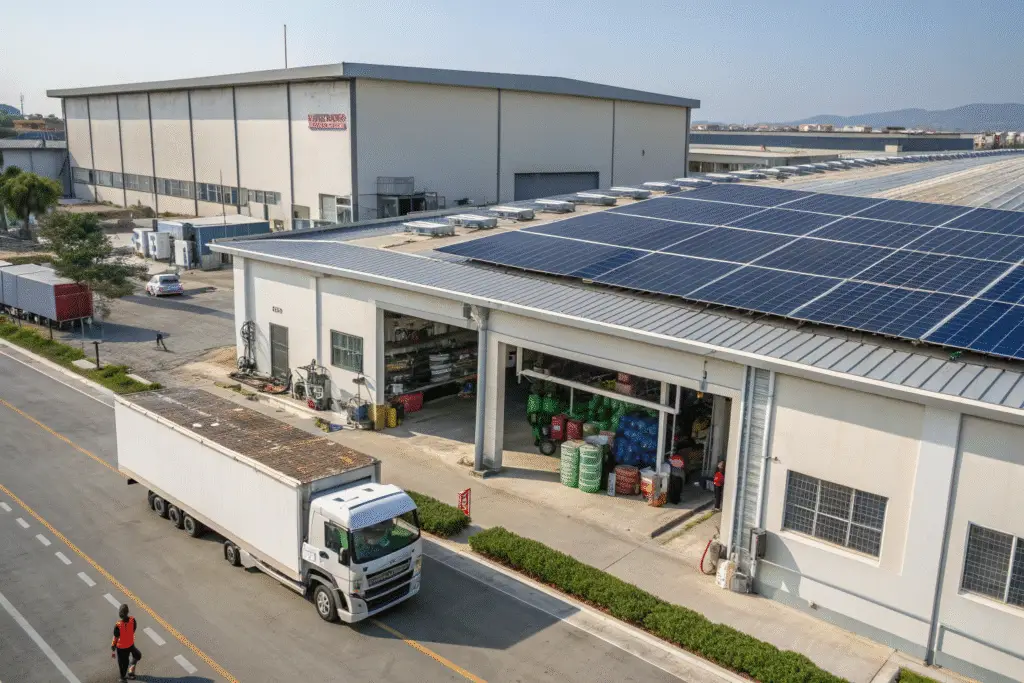
Nearshoring reduces transportation distances, which cuts carbon emissions. It also makes it easier to monitor supplier sustainability practices through more frequent site visits.
For brands with strong sustainability targets, nearshoring is a practical way to lower their environmental footprint.
How does proximity improve sustainability oversight?
Shorter travel for audits and inspections improves monitoring. See Better Cotton Initiative sustainability resources and Bluesign environmental standards.
Can nearshoring help with circular fashion initiatives?
Yes. It supports faster recycling and repair loops within regional markets. Learn from Ellen MacArthur Foundation circular economy and Fashion Revolution sustainable sourcing.
Conclusion
Nearshoring is gaining momentum in the apparel industry because it offers faster lead times, greater flexibility, reduced risks, and improved sustainability. While it may not replace offshore manufacturing entirely, it’s an important tool for brands looking to compete in an unpredictable market.
If your brand wants a manufacturing partner with flexible sourcing strategies—including nearshore and offshore options—Shanghai Fumao Clothing can help. Contact our Business Director Elaine at elaine@fumaoclothing.com to explore the best sourcing model for your next collection.