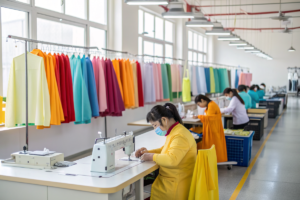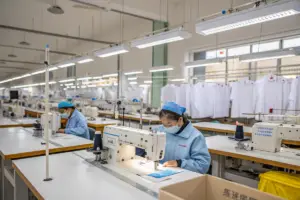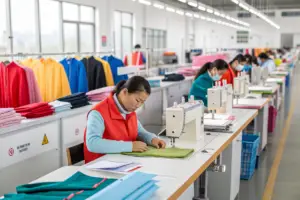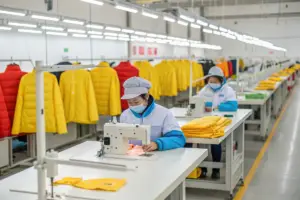
In the competitive apparel industry, vertical integration is more than a business model—it’s a strategic advantage. By controlling multiple stages of production under one roof, garment manufacturers can improve quality, speed, and cost-efficiency.
As a manufacturer supplying to U.S. and European brands, I’ve experienced firsthand how vertical integration boosts reliability and client satisfaction. It allows us to move from fabric sourcing to final shipment without relying heavily on external vendors.
This article explores why vertical integration matters, the benefits it offers, and how it can give apparel suppliers an edge in today’s fast-moving market.
What Is Vertical Integration in Garment Manufacturing?
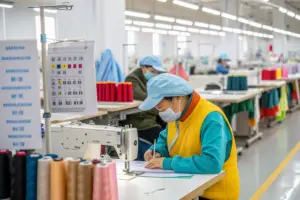
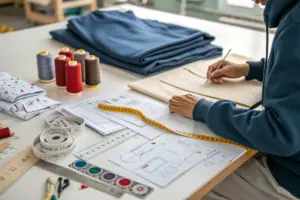
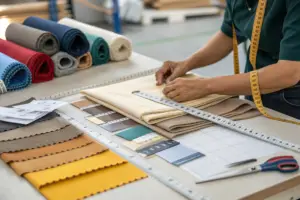
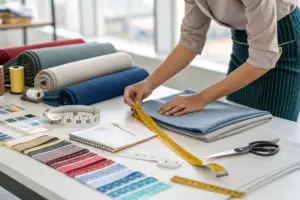
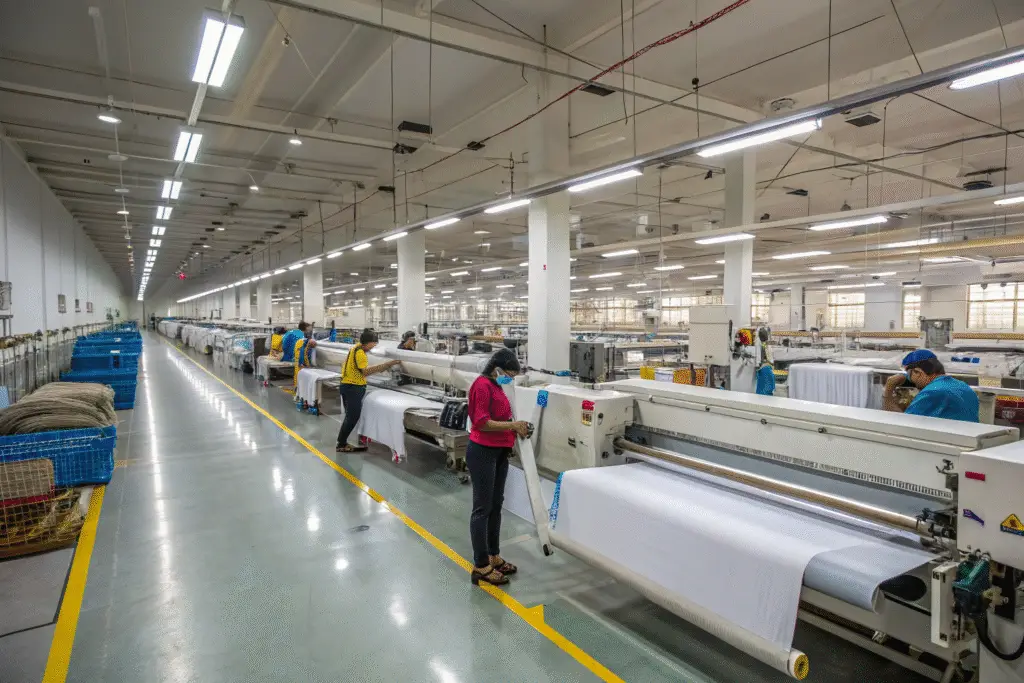
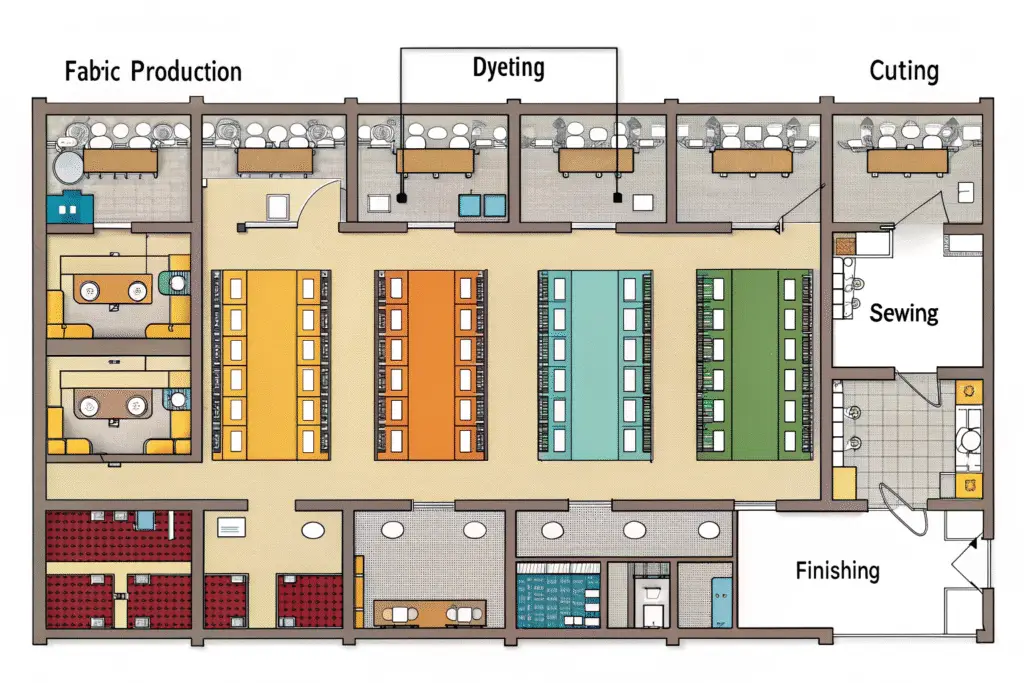
Vertical integration in garment manufacturing means that a company manages several or all steps of the production process internally. This may include spinning yarn, weaving fabrics, dyeing, printing, cutting, sewing, and packaging.
In our factory, vertical integration allows complete oversight from raw material to finished garment, ensuring consistent quality and faster turnaround.
How does vertical integration differ from outsourcing?
Outsourcing relies on multiple external vendors, while vertical integration centralizes production in-house. See Investopedia’s vertical integration guide and McKinsey apparel industry insights.
Can vertical integration work for small manufacturers?
Yes, on a smaller scale—focusing on integrating key stages such as fabric sourcing and sewing. Learn from Textile World case studies and Sourcing Journal manufacturing strategies.
How Does Vertical Integration Improve Efficiency?
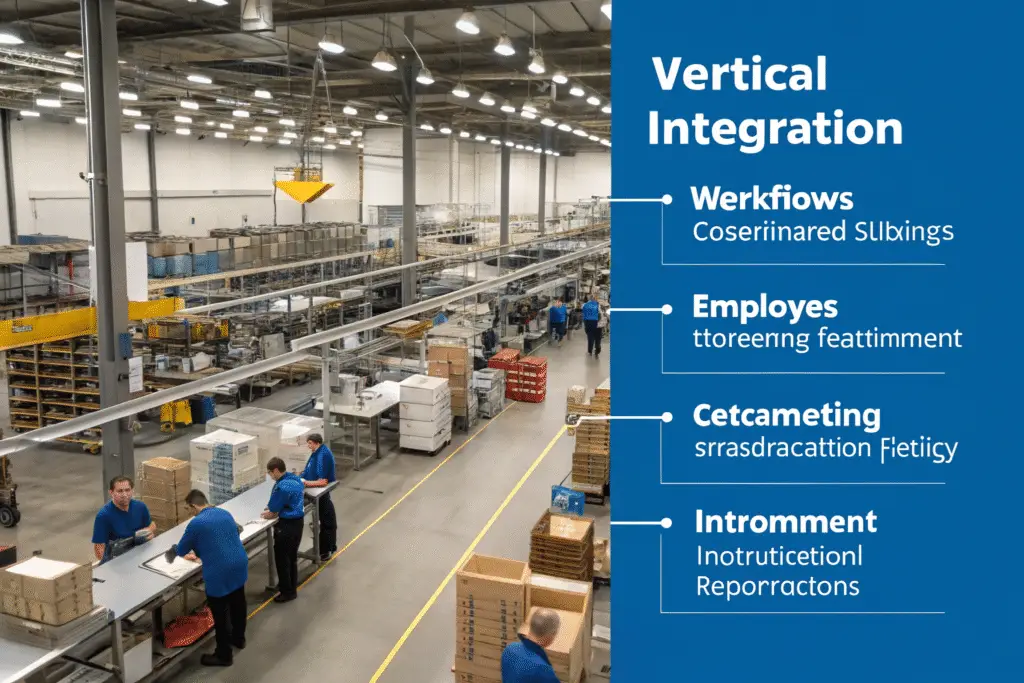
Vertical integration reduces delays caused by vendor coordination, shipping between facilities, and inconsistent production schedules. It also streamlines decision-making and improves communication.
We can produce samples and full orders faster because all teams—fabric, cutting, sewing—work under one management structure.
How does in-house production speed up lead times?
It eliminates transit delays between suppliers and manufacturers. See Apparel Resources lead time reduction tips and Fashion United production planning.
Can vertical integration reduce production costs?
Yes. It cuts logistics costs, reduces waste, and allows bulk purchasing of raw materials. Learn more from Harvard Business Review operations insights and Forbes supply chain efficiency articles.
How Does Vertical Integration Enhance Quality Control?
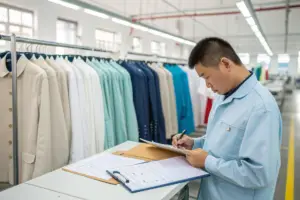
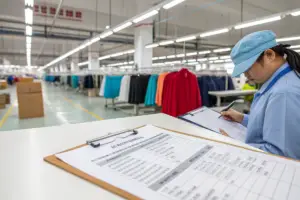
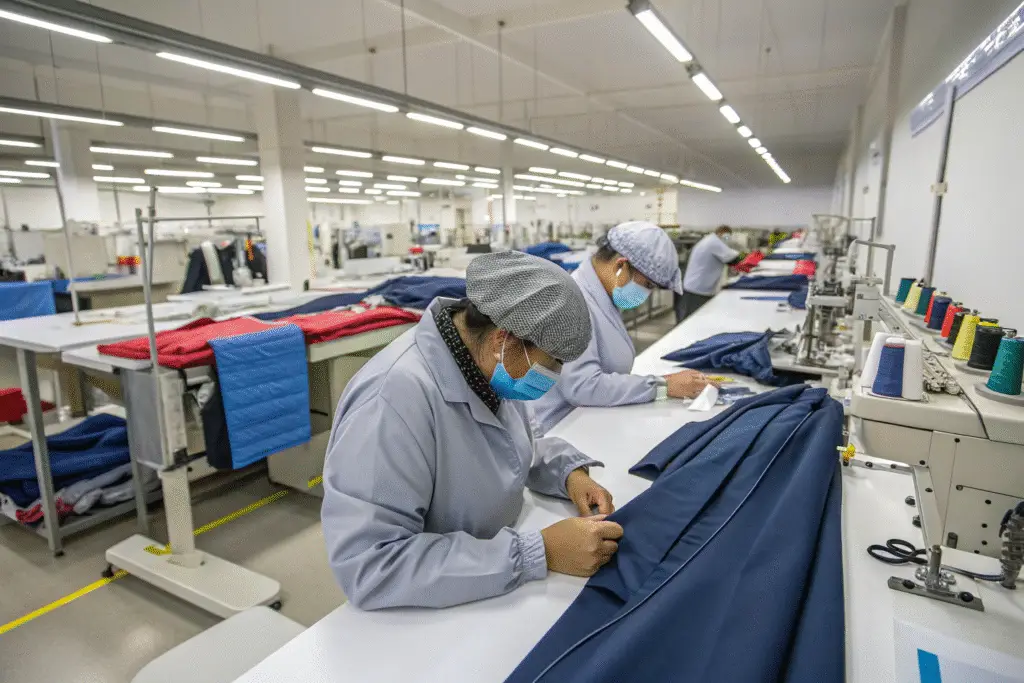
When every stage of production is in-house, it’s easier to maintain consistent quality standards. Any issues are identified and resolved quickly before garments progress to the next stage.
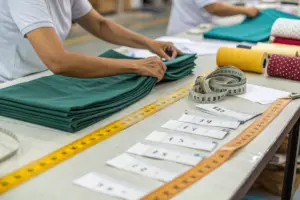
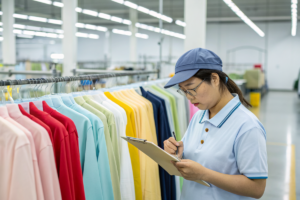
Our QC team monitors every step, from fabric weaving to final packing, ensuring all specifications are met.
Why is early defect detection important?
It prevents costly rework and delays later in production. Read AATCC textile testing standards and SGS garment inspection services.
Can vertical integration improve client trust?
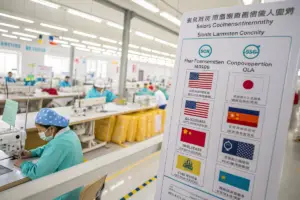
Yes. Clients gain confidence knowing that every stage is under one roof and consistently monitored. See WRAP compliance benefits and ISO 9001 quality management.
How Does Vertical Integration Support Sustainability Goals?
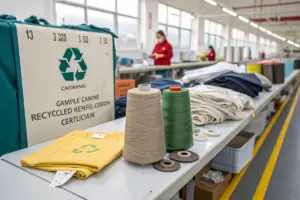
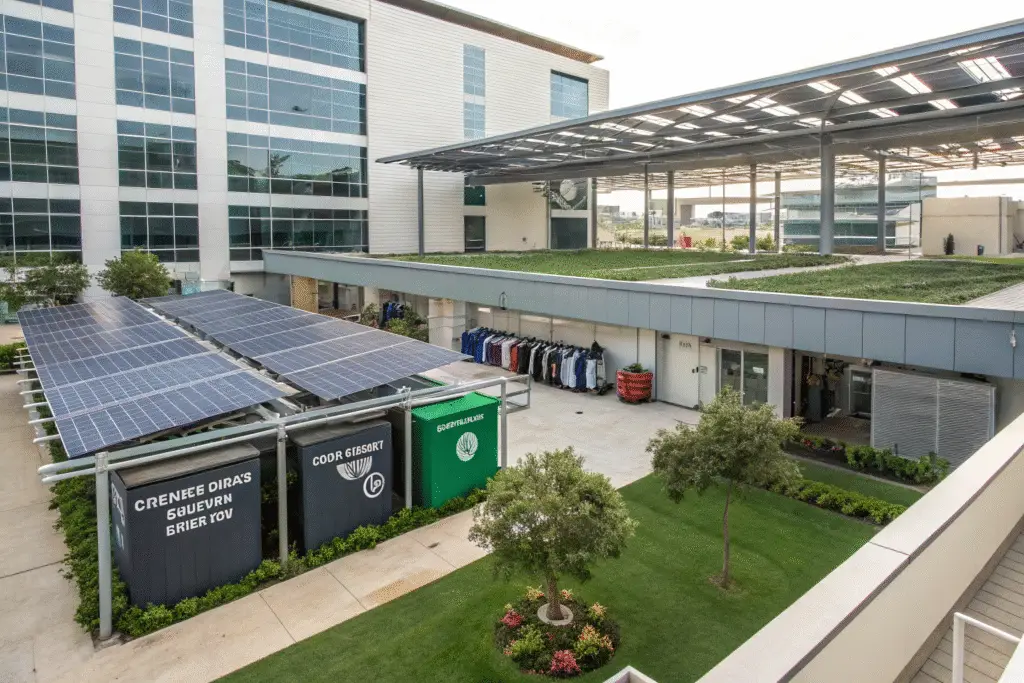
Vertical integration makes it easier to implement eco-friendly processes, since the manufacturer controls all stages of production. This includes sustainable dyeing, waste management, and efficient energy use.
We use vertical integration to track environmental impact closely and ensure compliance with global sustainability standards.
How can integration reduce environmental impact?
It minimizes transportation emissions and enables better waste recycling. Learn from Ellen MacArthur Foundation circular economy and Bluesign sustainability principles.
Which certifications support sustainable vertical manufacturing?
Certifications like GOTS and OEKO-TEX Made in Green confirm eco-friendly practices at all stages.
Conclusion
Vertical integration in garment manufacturing offers a competitive edge by improving efficiency, enhancing quality control, and supporting sustainability goals. It allows manufacturers to respond faster to market changes while maintaining full control over the supply chain.
If your brand is looking for a vertically integrated partner, Shanghai Fumao Clothing can provide end-to-end apparel production with reliability, speed, and sustainability. Contact our Business Director Elaine at em>elaine@fumaoclothing.com</em to explore how vertical integration can benefit your business.