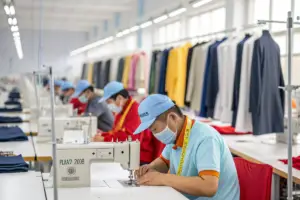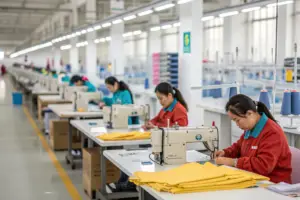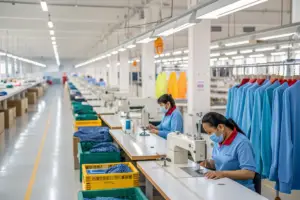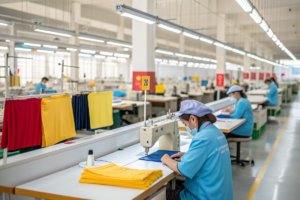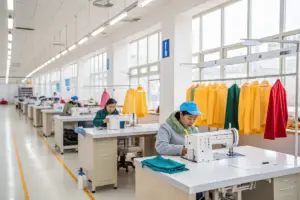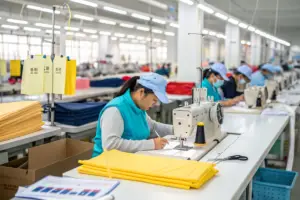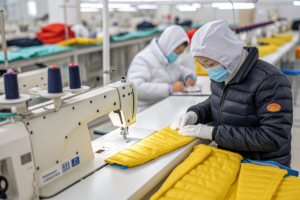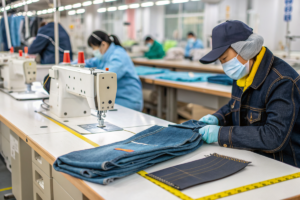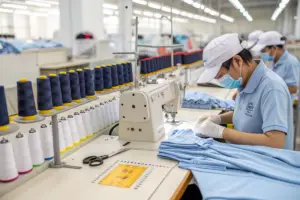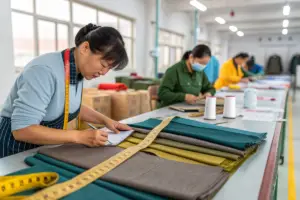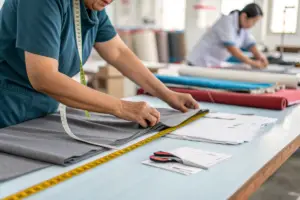
The Internet of Things (IoT) is transforming manufacturing across industries, and the clothing sector is no exception. By integrating IoT into production lines, apparel factories can achieve higher efficiency, better quality control, and improved decision-making.
As a manufacturer for U.S. and European brands, I’ve seen firsthand how IoT integration increases competitiveness. From tracking machine performance in real time to automating maintenance alerts, the benefits are significant for both speed and reliability.
This article explains why IoT is valuable in clothing production, what specific applications it has, and how it enhances both operational efficiency and business outcomes.
How Does IoT Improve Production Efficiency?
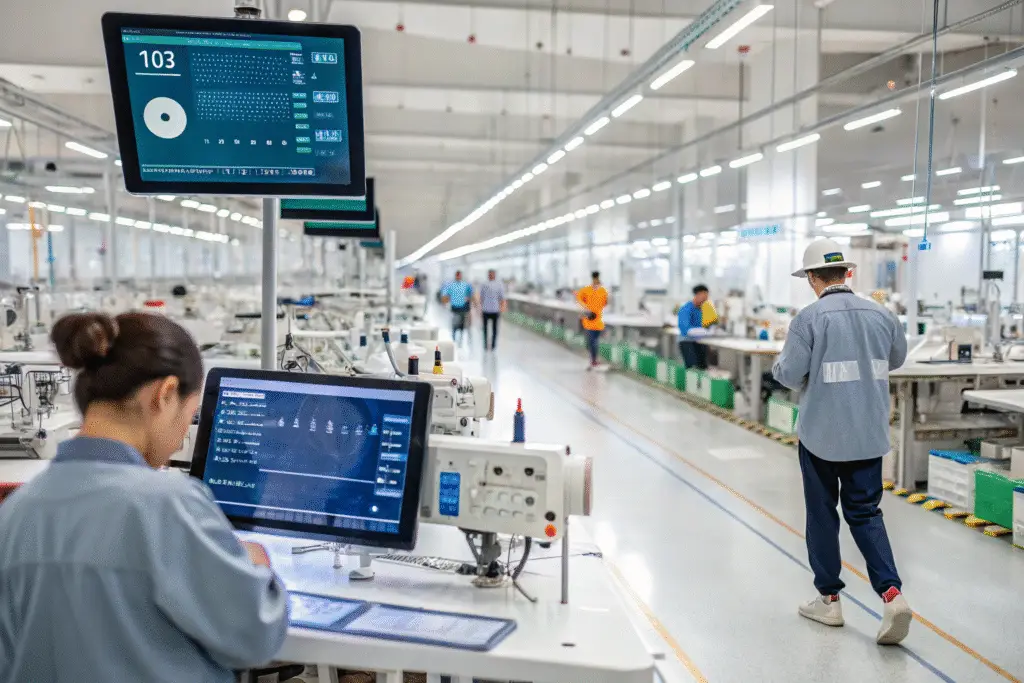
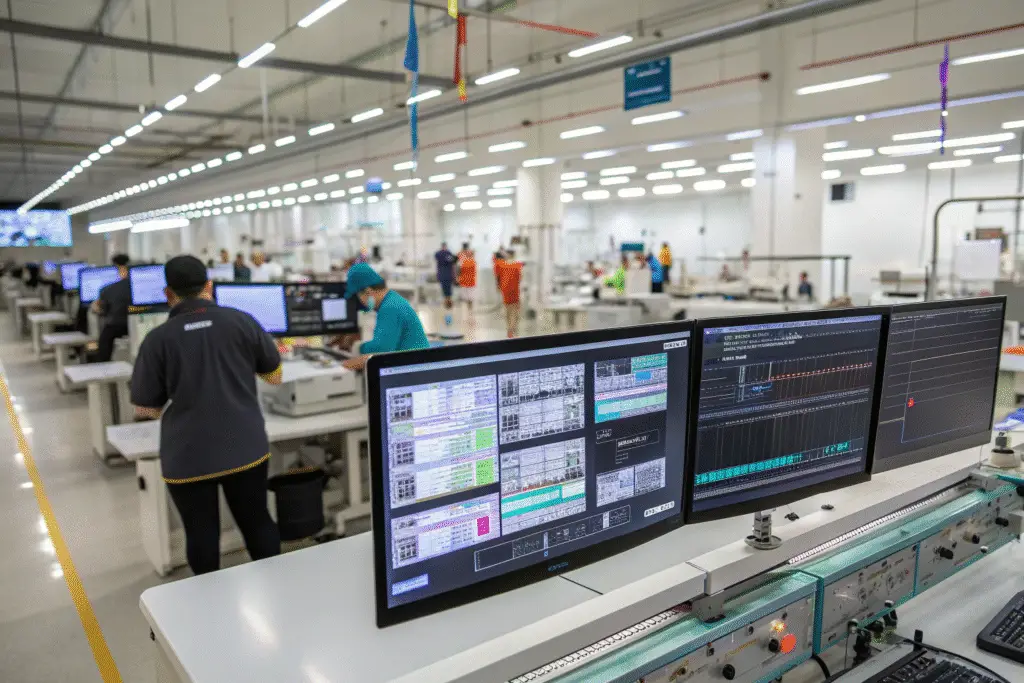
IoT connects equipment, sensors, and software to provide real-time updates on production status. This allows managers to detect delays instantly, optimize workflow, and minimize downtime.
In our facility, IoT systems notify supervisors when machines slow down or require adjustments, reducing idle time and keeping orders on schedule.
How can IoT reduce bottlenecks in production?
IoT identifies process slowdowns so managers can reallocate resources. Learn more from Industry 4.0 insights and Manufacturing.net case studies.
Does IoT help with predictive maintenance?
Yes. Sensors track machine usage and trigger maintenance before breakdowns occur. See IBM IoT predictive maintenance and Siemens digital factory solutions.
What Role Does IoT Play in Quality Control?
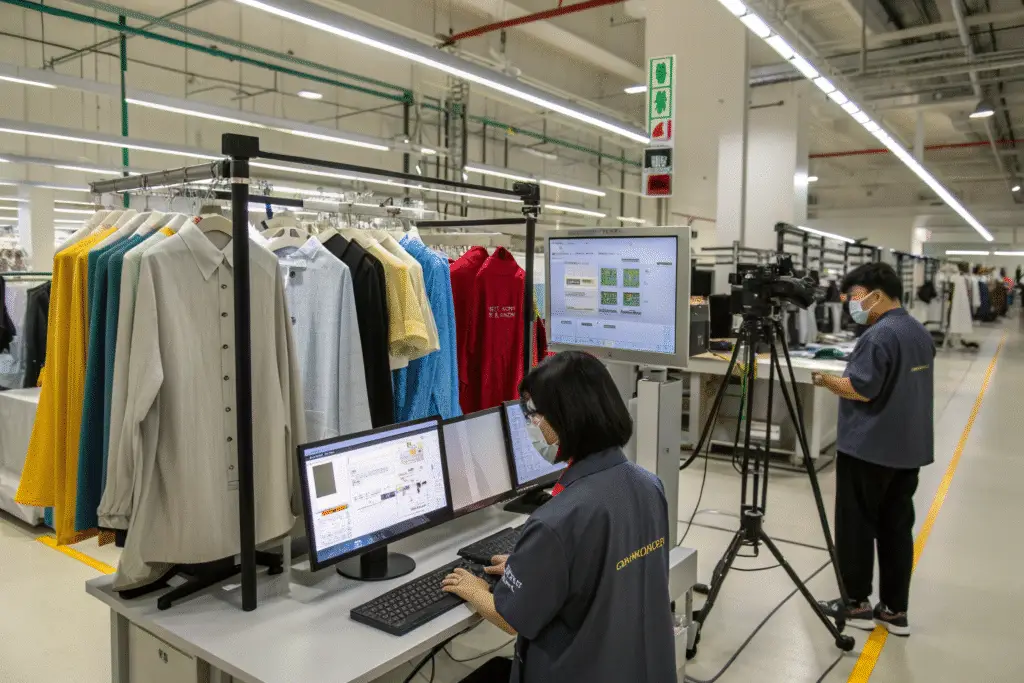
IoT systems can monitor stitching accuracy, fabric defects, and size tolerances directly on the production line. This reduces the need for manual checks and speeds up quality assurance.
We use IoT-linked inspection tools to ensure every garment meets client specifications before it leaves the factory.
How does IoT detect defects faster?
Cameras and sensors flag deviations immediately, allowing instant corrections. Read Textile World technology updates and Apparel Resources quality control trends.
Can IoT improve consistency across large orders?
Yes. Automated quality monitoring ensures uniform results, even across thousands of units. See Lectra manufacturing solutions and Gerber Technology innovations.
How Can IoT Enhance Supply Chain Visibility?
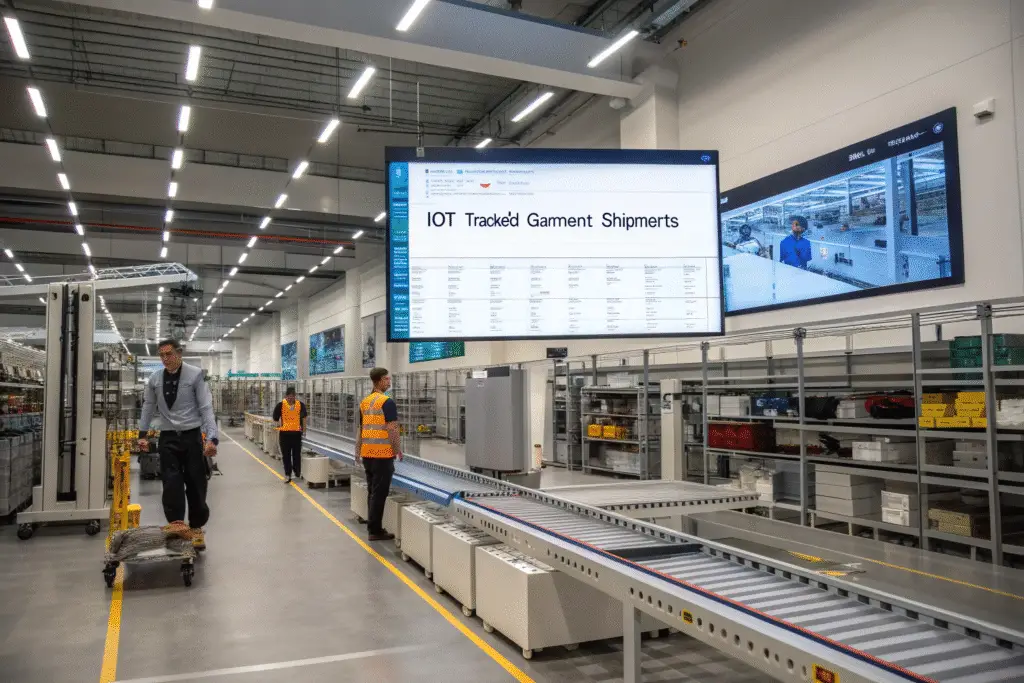
IoT extends beyond production into supply chain management, tracking goods from the factory floor to distribution centers. This helps brands forecast inventory needs and reduce delays.
In our operation, we integrate RFID tags and GPS trackers to give clients live shipment updates.
How does real-time tracking benefit brands?
It improves delivery accuracy and allows faster response to logistics issues. Learn from DHL IoT tracking solutions and UPS supply chain tools.
Can IoT data improve inventory management?
Yes. Real-time inventory levels help avoid overstocking or shortages. See Oracle NetSuite supply chain and SAP digital supply chain.
What Are the Challenges of IoT Integration in Garment Factories?
While IoT offers many advantages, it also requires investment in infrastructure, staff training, and cybersecurity measures.
We address these challenges by starting with small pilot projects before scaling IoT across all production lines.

Is IoT integration expensive?
Initial costs can be high, but ROI comes from long-term efficiency gains. See Forbes IoT cost analysis and Manufacturing Global IoT insights.
How can factories handle cybersecurity risks?
Implementing secure networks and regular system updates is essential. Read Cisco IoT security best practices and Kaspersky industrial cybersecurity.
Conclusion
Integrating IoT into clothing production lines is a strategic move toward higher efficiency, better quality, and stronger supply chain control. While there are upfront costs and learning curves, the long-term benefits make it a valuable investment.
If your brand is looking for a technologically advanced manufacturing partner, Shanghai Fumao Clothing has the expertise and IoT-enabled infrastructure to deliver precision, speed, and transparency. Contact our Business Director Elaine at em>elaine@fumaoclothing.com</em to explore how IoT can improve your apparel production.