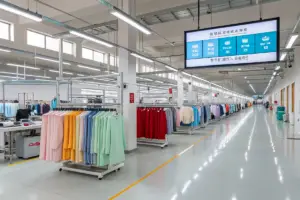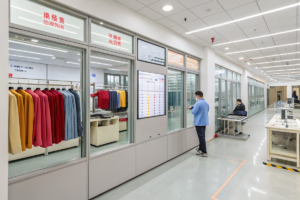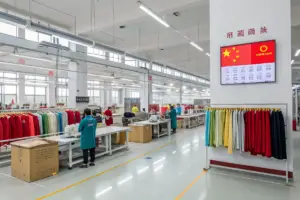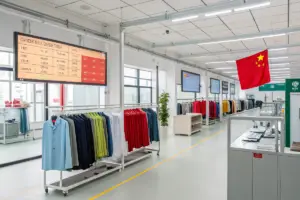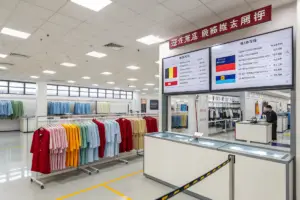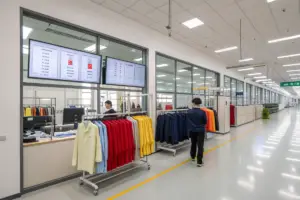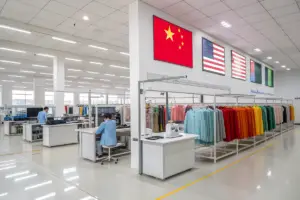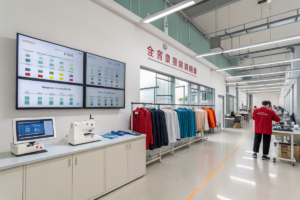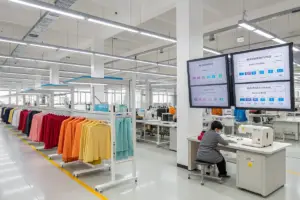
In today’s apparel market, hidden processes are no longer acceptable. Buyers, consumers, and regulators want to know where products come from, how they are made, and whether ethical standards are met. Without clear visibility into your supply chain, you risk losing credibility, damaging your brand, and even facing legal issues. For U.S. fashion brands sourcing from overseas, a lack of transparency can destroy trust overnight.
Supply chain transparency is non-negotiable because it builds trust, ensures compliance, and creates long-term business resilience. It’s no longer just a marketing point—it’s a requirement in contracts, certifications, and buyer expectations. For manufacturers like us at Shanghai Fumao Clothing, it’s the foundation of every business relationship.
I have seen firsthand how transparency can turn one-time trial orders into long-term partnerships. When buyers understand our sourcing, production, and logistics steps, they feel confident investing in larger orders and longer-term contracts.
Tracking Materials from Source to Store
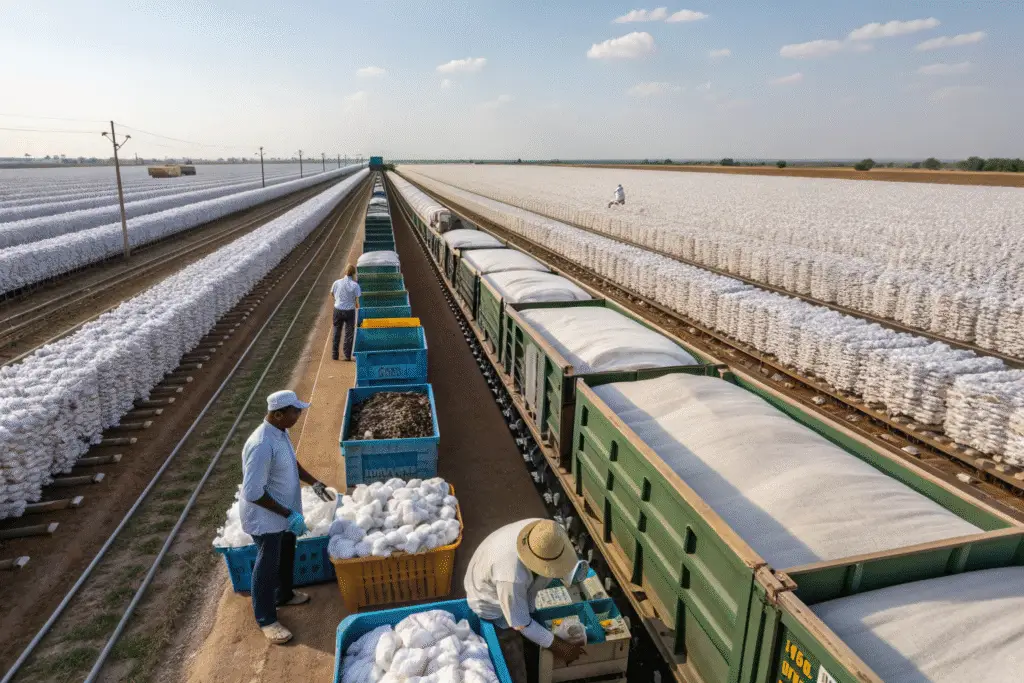
Transparency starts at the beginning of the supply chain. In apparel manufacturing, that means knowing exactly where raw materials are sourced, processed, and transformed into final garments.
From the cotton fields to the retail shelf, every step needs documentation and traceability. Buyers want to verify that the materials meet both quality and ethical standards before production even begins.
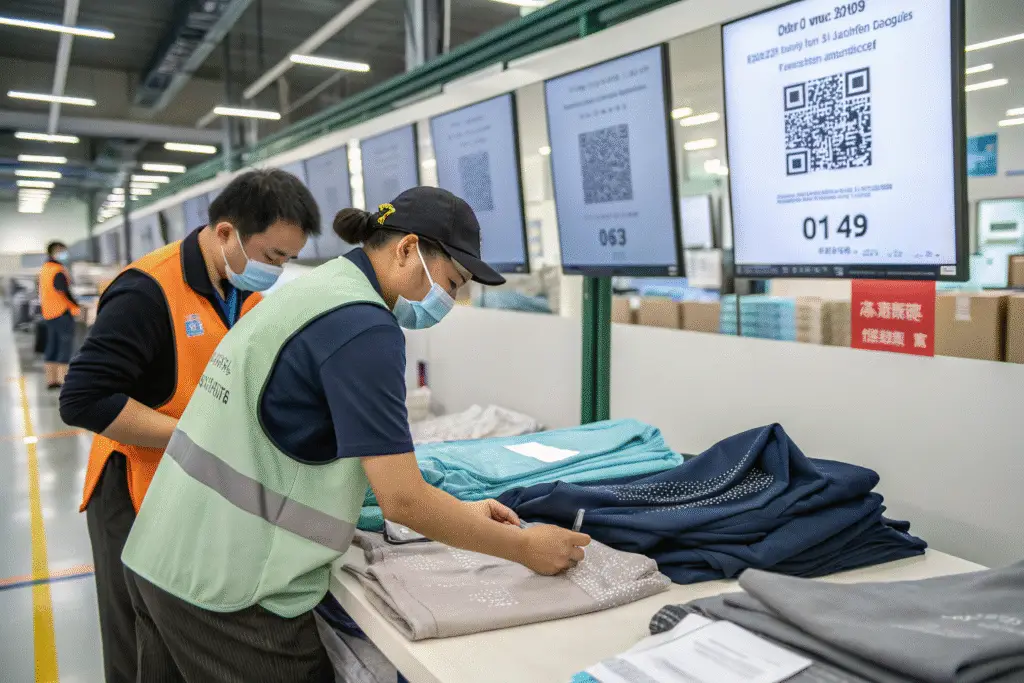
How Do We Verify Raw Material Origins?
We work with certified suppliers and maintain transaction certificates for every batch of organic cotton and other fabrics. These documents confirm that the material meets required sustainability and ethical standards. Our procurement team also uses blockchain traceability systems to log every transfer of ownership and location.
Why Does Traceability Reduce Buyer Risk?
When brands know their fabrics are ethically sourced, they can confidently market their products and avoid public backlash. The U.S. market has seen brands face lawsuits for mislabeling fabric origins, which is why documented traceability has become a competitive advantage in securing retail partnerships.
Ethical Labor Practices in Manufacturing
Modern buyers demand proof that the people making their products are treated fairly. Labor rights violations can quickly turn into public scandals, leading to contract cancellations and consumer boycotts.
Ethical labor practices mean fair wages, safe conditions, reasonable working hours, and respect for workers’ rights. In our factory, these principles are part of our standard operating procedures, not just a compliance checklist.
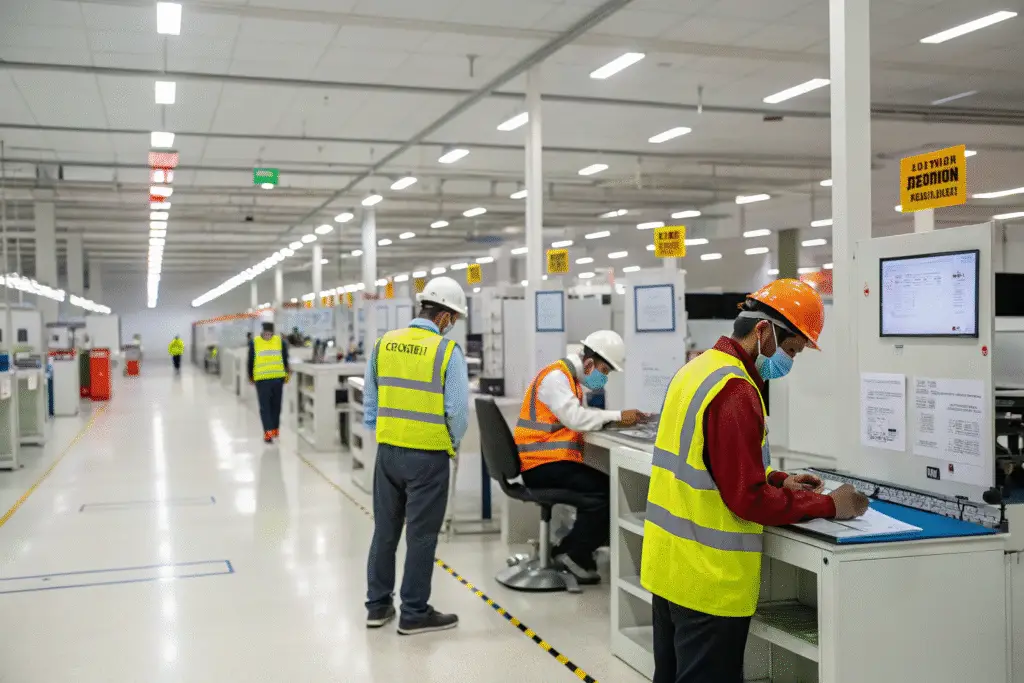
How Do We Demonstrate Labor Compliance?
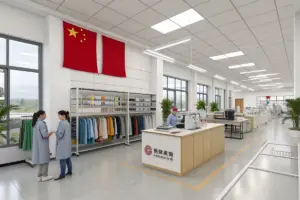
We maintain SEDEX membership and undergo BSCI audits annually. These third-party assessments verify our adherence to international labor standards. We also provide open access to our factory for buyer visits, ensuring full transparency.
Why Is Labor Transparency a Selling Point?
For U.S. apparel brands, showing commitment to ethical production boosts brand image and customer loyalty. Studies by McKinsey indicate that ethical sourcing can justify higher retail prices, as consumers are increasingly willing to pay more for responsibly made products.
Real-Time Production Visibility
Even after raw materials are sourced, buyers want to monitor production progress in real time. This ensures that orders are on track and problems are identified early.
Real-time visibility means sharing live updates on production status, quality checks, and shipment timelines. It allows buyers to adjust marketing, inventory, and logistics plans in advance.
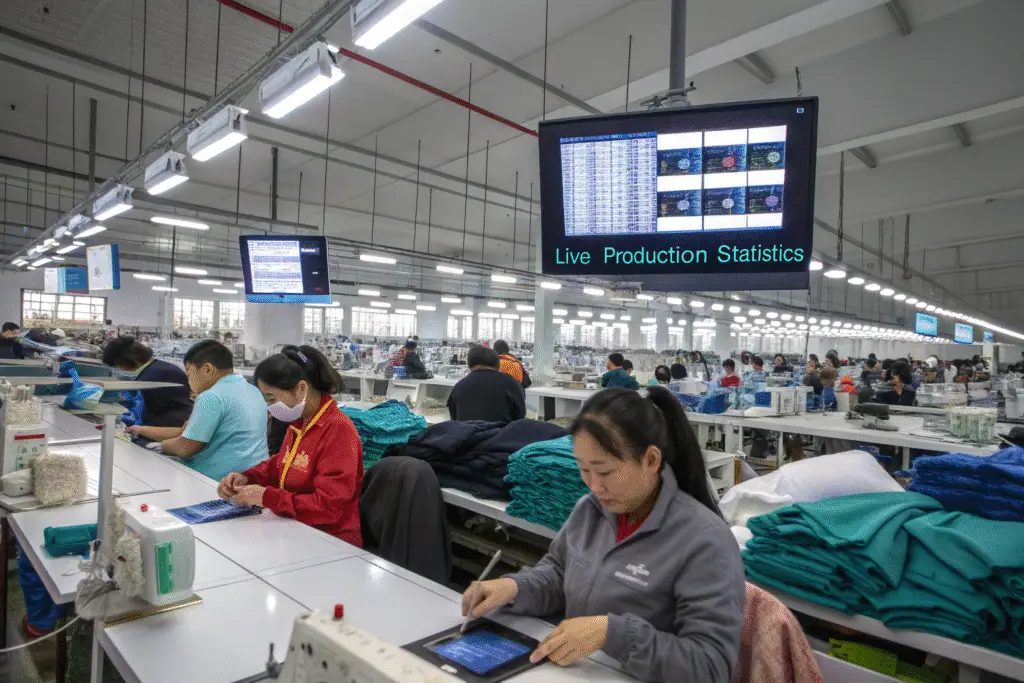
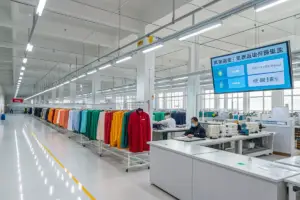
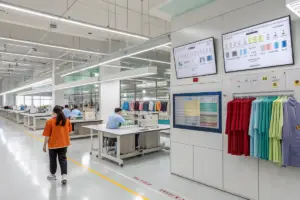
We use ERP systems integrated with production monitoring tools that track each order from cutting to packing. Clients can log in to view updates, QC reports, and even factory floor cameras (in designated zones) for added transparency.
Why Do Buyers Value Real-Time Access?
It eliminates the guesswork and improves coordination. When a brand can see that an order is ahead of schedule, they can plan early product launches. According to Harvard Business Review, this level of visibility can cut lead times and reduce stockouts significantly.
Transparent Logistics and Delivery
Once production is complete, transparency extends into the shipping and delivery process. Buyers expect full visibility on shipment dates, routes, and potential delays.
Transparent logistics means providing tracking details, customs documentation, and proactive updates on shipping status. It reassures buyers that products will arrive on time and as promised.
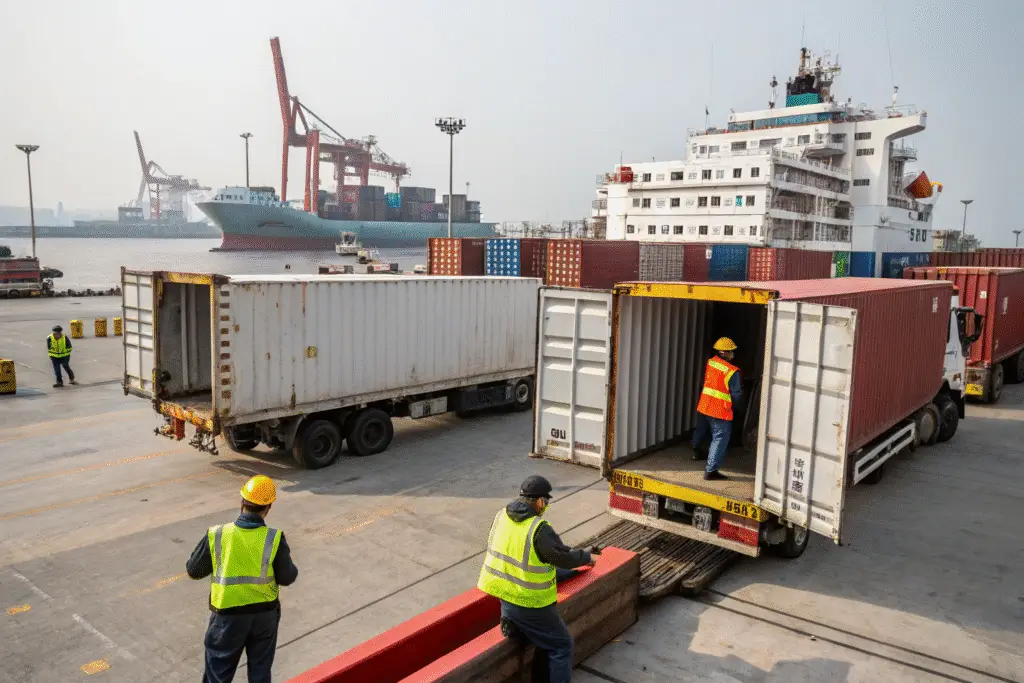
How Do We Ensure Delivery Transparency?
We partner with Flexport and other digital freight forwarders to provide clients with real-time shipment tracking. Our logistics team updates clients with estimated arrival times and customs clearance statuses.
Why Is Shipping Transparency Critical for Retail Deadlines?
In fashion retail, a late shipment can mean missing an entire selling season. With transparent logistics, buyers can adjust distribution plans or expedite transport if necessary, avoiding lost sales. Research from DHL confirms that visibility in logistics reduces delivery-related disputes.
Conclusion
Supply chain transparency is not just a trend—it’s a requirement in modern apparel manufacturing. From sourcing raw materials to final delivery, buyers expect full visibility into every stage. This not only protects brands from legal and reputational risks but also strengthens long-term supplier relationships.
At Shanghai Fumao Clothing, we commit to total transparency. We provide verified sourcing documents, ethical labor certifications, real-time production tracking, and open logistics reporting. This is why our U.S. clients trust us with repeat orders and long-term partnerships.
If you’re ready to work with a manufacturer who prioritizes transparency and reliability, contact our Business Director Elaine at elaine@fumaoclothing.com today.