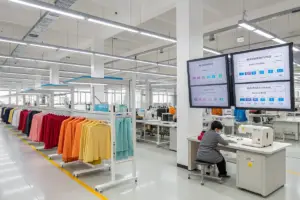
When I speak with international apparel buyers, men’s wear sourcing often sounds simpler than it really is. In reality, the men’s fashion segment comes with its own unique set of challenges — from meeting fit expectations across markets to managing style changes that are subtle but critical. As the owner of a garment manufacturing company, I’ve worked with brands from North America and Europe to produce men’s wear that balances quality, price, and timely delivery.
The top challenges in men’s wear sourcing include fabric selection, fit consistency, supply chain reliability, seasonal demand shifts, and competitive pricing without sacrificing quality.
In this article, I’ll share the issues our clients face most often and how we help them overcome these obstacles.
Sourcing the Right Fabrics for Men’s Wear
Fabric is the foundation of men’s clothing.
The challenge is finding materials that meet performance needs while matching the brand’s price point and aesthetic.
From structured wool blends for suiting to moisture-wicking knits for activewear, the fabric must align with both the product category and the target customer.
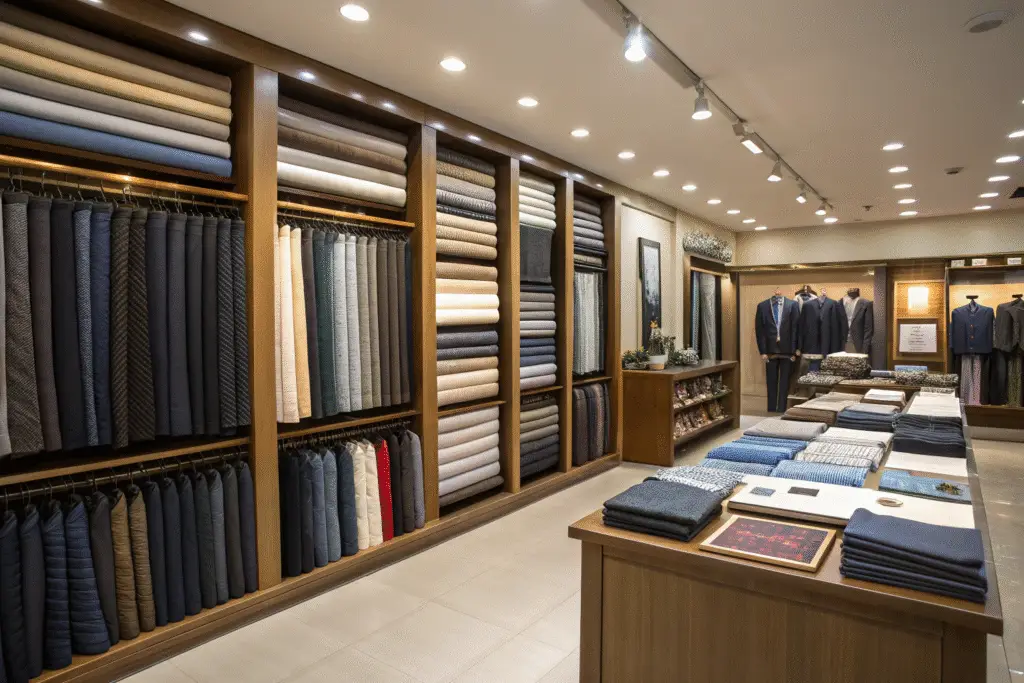
Why is fabric sourcing complex for men’s wear?
According to Textile World, men’s wear often demands higher durability standards, especially for workwear, outerwear, and tailored garments.
How can brands verify fabric quality?
By requesting swatch testing for shrinkage, colorfastness, and tensile strength through accredited labs like SGS or Intertek.
Maintaining Fit Consistency Across Markets
Men’s wear customers expect consistent fit, whether buying a tailored blazer or a casual polo.
The challenge is adjusting sizing for different markets without losing brand identity.
At Fumao Clothing, we use market-specific grading rules to meet regional fit preferences.

How do fit expectations differ by region?
Reports from WGSN show that U.S. consumers prefer looser fits in casualwear, while European markets lean toward slimmer silhouettes.
What tools help maintain consistency?
Digital pattern-making software like Gerber AccuMark ensures precision grading and faster adjustments.
Managing Supply Chain Reliability
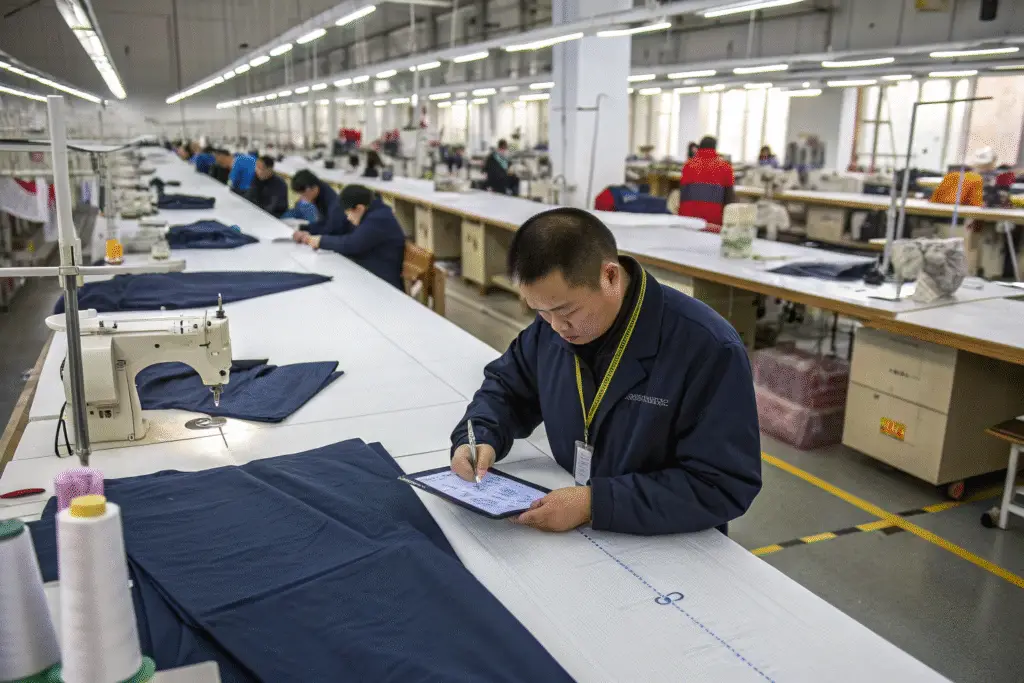
Men’s wear often uses heavier fabrics and more complex construction than women’s wear, which can slow production if not planned properly.
Supply chain disruptions can delay launches and lead to missed sales opportunities.
We mitigate risks by keeping backup fabric suppliers and flexible production slots for urgent orders.
What are common supply chain risks for men’s wear?
According to McKinsey & Company, material shortages, port congestion, and sudden regulatory changes are major threats.
How can brands prepare for disruptions?
By diversifying suppliers, maintaining safety stock of core fabrics, and using real-time tracking platforms like Flexport.
Adapting to Seasonal and Style Changes
While men’s fashion evolves more slowly than women’s, seasonal updates in fabric, color, and detailing are still essential to stay relevant.
The challenge is balancing trend adoption with timeless appeal.
At Fumao Clothing, we help brands adjust styles just enough to feel current without alienating loyal customers.

How do seasonal trends influence men’s wear sourcing?
Insights from FashionUnited show that outerwear fabrics, knit textures, and color palettes shift significantly between seasons.
How can brands balance trends with brand identity?
By adopting trend elements in trims, colors, and fabric finishes while keeping core silhouettes consistent.
Achieving Competitive Pricing Without Sacrificing Quality
Men’s wear buyers expect durable, high-quality garments at competitive prices — a balance that can be challenging to achieve.
Cost pressures must be managed through smart sourcing and efficient manufacturing.
We optimize pricing by combining efficient cutting layouts, lean production methods, and strategic supplier relationships.

How can factories reduce costs responsibly?
By investing in automation and minimizing fabric waste through marker optimization software, as suggested by Apparel Resources.
What role do long-term partnerships play in pricing?
Long-term agreements with suppliers can secure better pricing and priority production slots, according to Sourcing Journal.
Conclusion
Sourcing men’s wear successfully means managing multiple moving parts — from fabric quality and fit consistency to supply chain reliability and seasonal updates. By addressing these challenges proactively, brands can deliver garments that meet market expectations and build lasting customer loyalty.
At Shanghai Fumao Clothing, we help clients navigate the complexities of men’s wear sourcing with tailored solutions for every step of the process. If you’re ready to streamline your sourcing strategy, contact our Business Director Elaine at elaine@fumaoclothing.com.