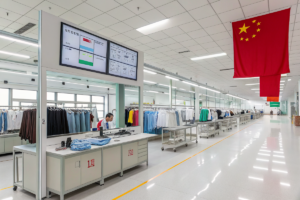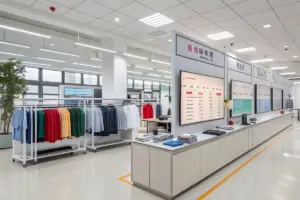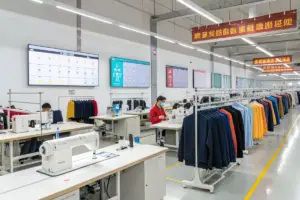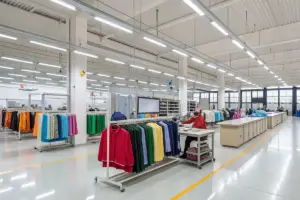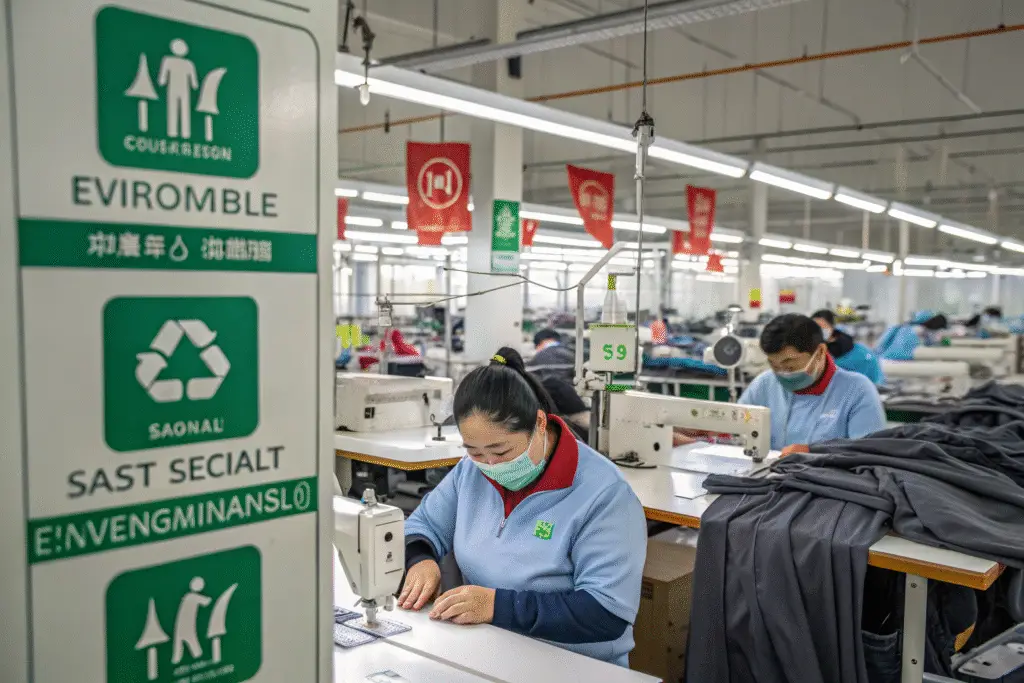
When I speak with international buyers, the topic of ESG (Environmental, Social, and Governance) comes up more often than ever before. In the past, clothing sourcing was driven mainly by price, quality, and delivery speed. But today, ESG has become a make-or-break factor for brand reputation and long-term profitability.
Ignoring ESG in clothing sourcing exposes brands to legal risks, reputational damage, supply chain instability, and loss of market share.
In this article, I’ll break down the most significant risks of neglecting ESG standards and explain why suppliers like Fumao Clothing prioritize compliance in every order we produce.
Understanding ESG in Apparel Sourcing
ESG in clothing sourcing refers to how suppliers address environmental impact, social responsibility, and ethical business governance.
These three pillars guide brands in choosing partners who align with sustainability, worker welfare, and ethical leadership.
The global apparel industry has faced criticism for pollution, unsafe working conditions, and unethical practices. This is why ESG standards are increasingly part of sourcing contracts.

What does each ESG pillar mean for clothing production?
According to UN Global Compact,
- Environmental: Reducing water usage, emissions, and waste in manufacturing.
- Social: Ensuring fair wages, safe workplaces, and community support.
- Governance: Transparent management, anti-corruption policies, and responsible supply chains.
Why is ESG becoming more important in sourcing?
Reports from McKinsey & Company highlight that ESG-focused brands often outperform peers financially, as consumers reward responsible practices.
Legal and Regulatory Risks
Many countries now have laws requiring companies to ensure ethical and sustainable sourcing.
Ignoring ESG can result in legal penalties, import bans, or costly recalls.
For example, the U.S. Uyghur Forced Labor Prevention Act (UFLPA) can block shipments linked to forced labor in Xinjiang.
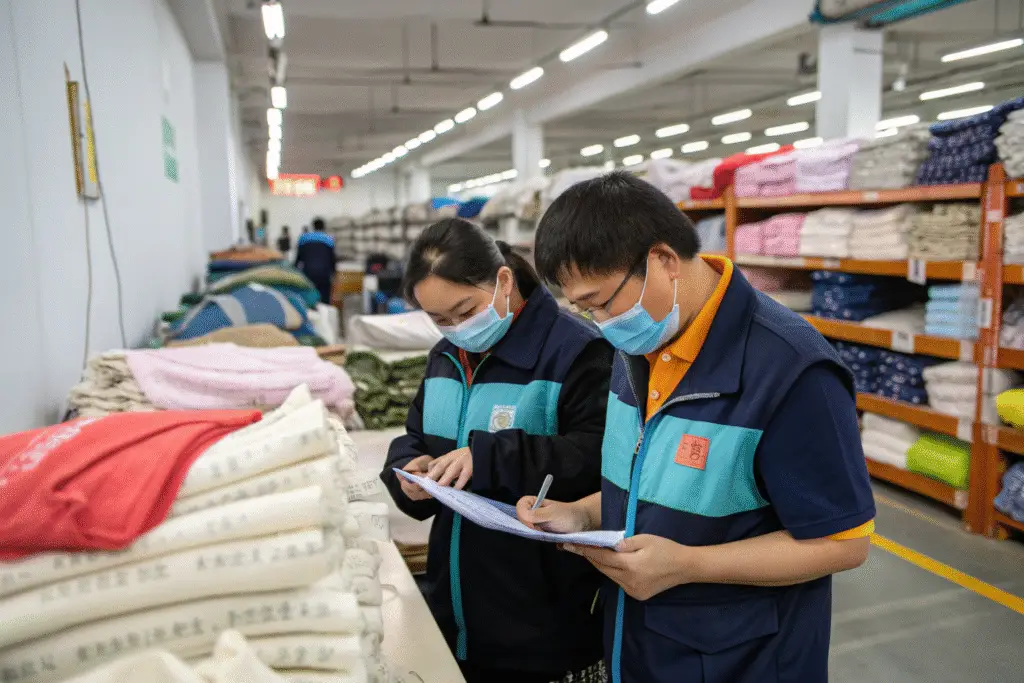
Which regulations affect global apparel sourcing?
Resources like OECD Guidelines and European Commission Textile Strategy outline requirements for responsible production and supply chains.
How can brands avoid legal risks?
By vetting suppliers through ESG audits and using third-party verification from companies like SGS or QIMA.
Reputational Damage and Consumer Backlash
In the age of instant communication, bad news travels fast.
Brands caught ignoring ESG can face boycotts, negative press, and loss of customer loyalty.
Consumers today are more aware and vocal about ethical sourcing. A single viral post can undo years of brand building.

Why do consumers care about ESG in fashion?
Studies from Statista show that over 60% of consumers consider sustainability before making a purchase.
How can brands protect their reputation?
By publishing transparent ESG reports and showcasing certifications like BSCI or WRAP.
Supply Chain Instability
Ignoring ESG can destabilize your supply chain, especially if a key supplier is shut down due to violations.
Unethical or unsustainable practices often lead to factory closures, strikes, or supply interruptions.
At Fumao Clothing, we have seen brands lose entire seasons because their suppliers failed environmental or labor inspections.
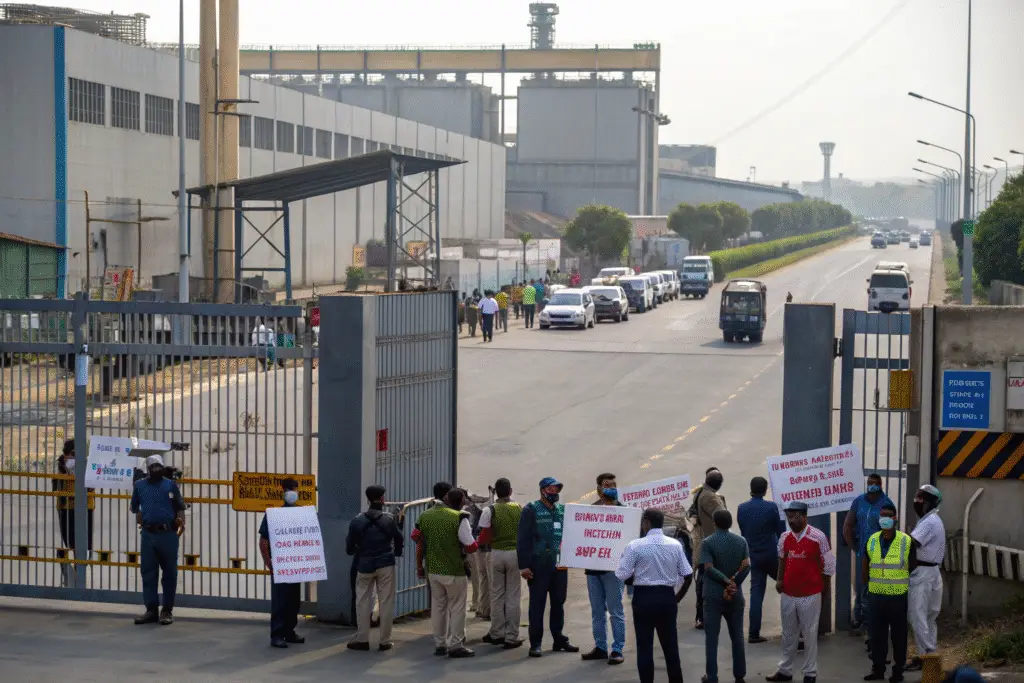
How can ESG neglect cause production delays?
Violations can lead to sudden government inspections, fines, and work stoppages, as noted by FashionUnited.
How can brands ensure supply chain resilience?
By building relationships with multiple ESG-compliant suppliers and conducting regular audits, following guidelines from Sedex.
ESG is now a competitive advantage. Brands that ignore it risk losing customers to more responsible competitors.
Retailers and marketplaces increasingly prefer suppliers with strong ESG credentials.
In 2025, major online platforms are implementing stricter sustainability requirements for sellers.
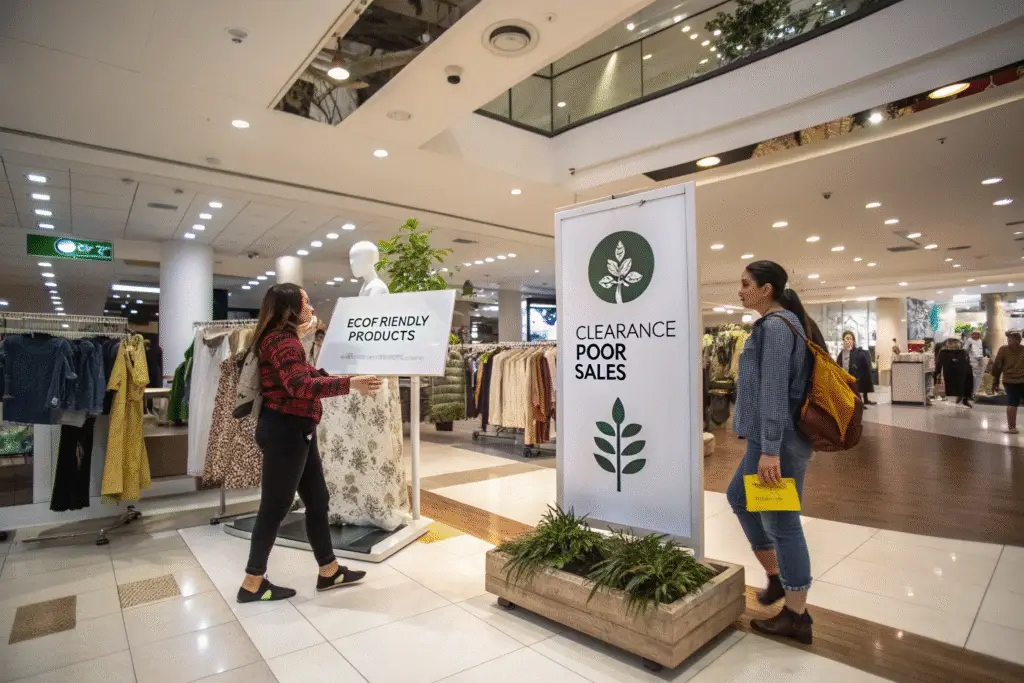
Why do retailers prefer ESG-compliant suppliers?
Retailers want to minimize reputational risk and meet consumer demand for sustainable products, as reported by Retail Dive.
How can ESG improve market positioning?
Brands that market their ESG achievements often enjoy premium pricing and stronger customer loyalty, according to Business of Fashion.
Conclusion
Ignoring ESG in clothing sourcing is no longer an option. The risks — legal trouble, reputational harm, unstable supply chains, and lost market share — are too great.
At Shanghai Fumao Clothing, ESG compliance is part of our standard operations. We ensure every order meets environmental, social, and governance expectations so our clients can source with confidence. If you want a reliable, ESG-compliant production partner, contact our Business Director Elaine at elaine@fumaoclothing.com.