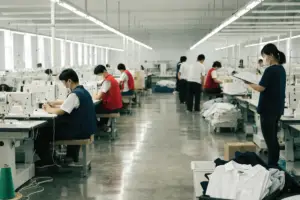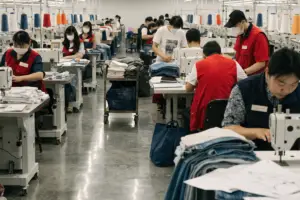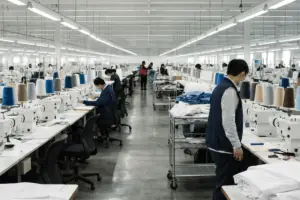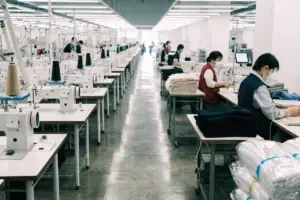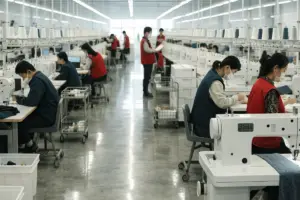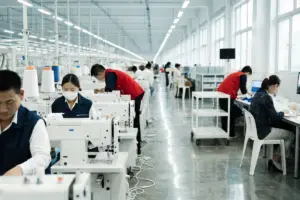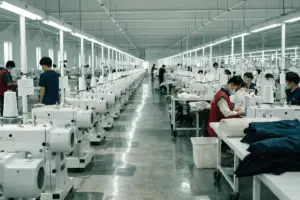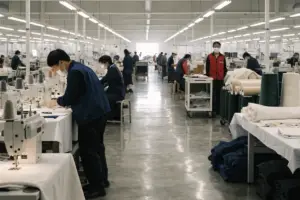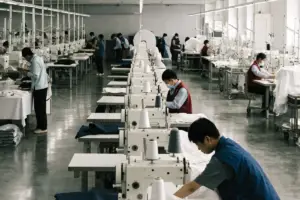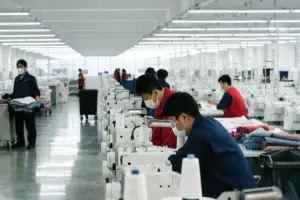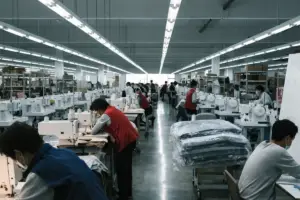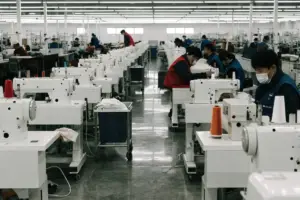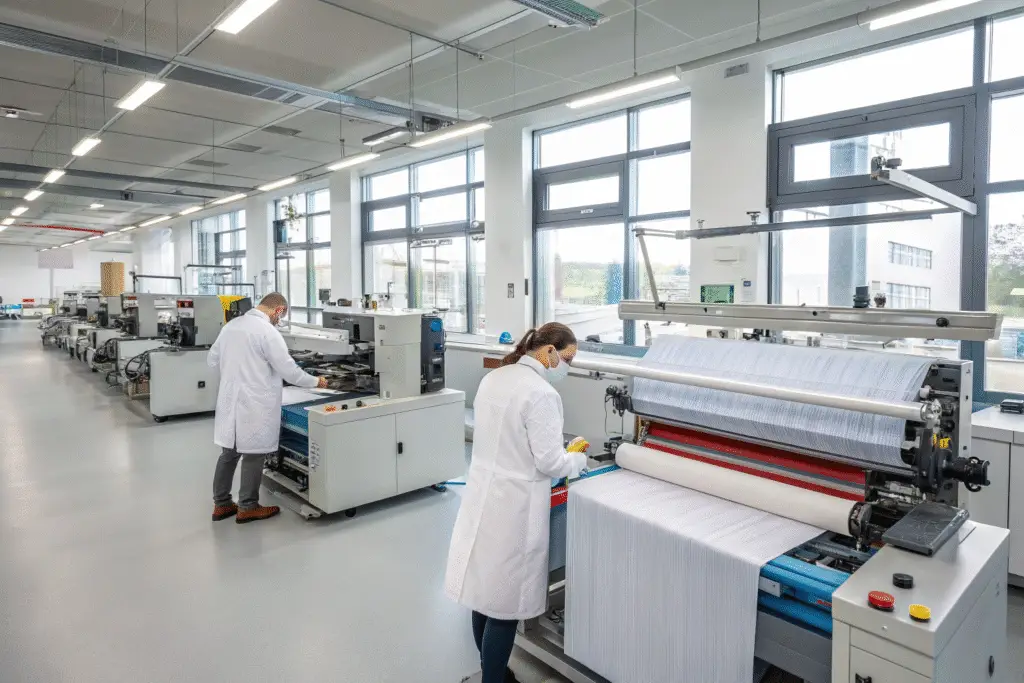
When I first entered the apparel manufacturing business, fabric production was a traditional process with only incremental changes year after year. But in recent times, technology has transformed the textile industry at an incredible pace. As a factory owner, I see how these innovations are not just reshaping manufacturing, but also redefining the possibilities for brands and consumers.
Emerging technologies in fabric production are introducing sustainable materials, intelligent textiles, advanced finishing processes, and AI-driven automation that improve quality, reduce waste, and open new product possibilities.
In this article, I’ll share the key innovations we follow at Fumao Clothing, which we believe will shape the future of apparel production and offer competitive advantages to brands ready to adopt them.
Sustainable Fabric Innovations in 2025
Sustainability is no longer a trend—it’s a business necessity. Brands and consumers demand fabrics that have minimal environmental impact without compromising quality or performance.
Sustainable fabric innovations in 2025 focus on recycled, biodegradable, and low-impact materials that still meet durability and comfort standards.
We’ve seen rapid growth in materials like recycled polyester made from PET bottles, and biodegradable textiles that decompose without leaving harmful residues.

What are the leading eco-friendly fabrics in 2025?
According to Textile Exchange, top sustainable fabrics include organic cotton, Tencel™ lyocell, and hemp blends. Companies like Lenzing are developing closed-loop systems that recycle water and chemicals during production.
How can brands verify fabric sustainability claims?
Independent certifications such as Global Organic Textile Standard (GOTS) and OEKO-TEX® Standard 100 ensure that fabrics meet strict environmental and safety criteria. We always encourage our clients to request certified materials for their collections.
Smart Textiles and Wearable Fabrics
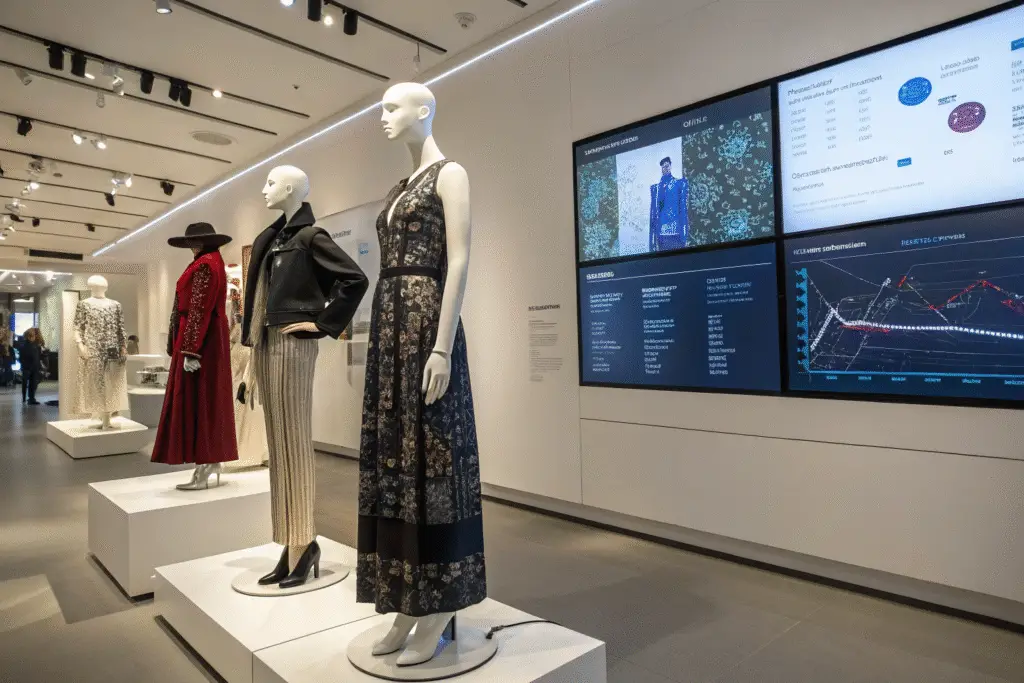
Smart textiles, or e-textiles, combine traditional fabrics with electronic components to deliver new functionality. While initially developed for sports and medical applications, they are now entering mainstream fashion.
These fabrics can monitor health metrics, adjust temperature, or even change color in response to environmental conditions.
At Fumao Clothing, we are experimenting with partnerships that integrate conductive threads into activewear, allowing for seamless wearable technology.
What are common applications of smart textiles?
Sources like Wearable Technologies highlight applications in sports performance tracking, medical monitoring, and interactive fashion. Brands like CuteCircuit have pioneered garments that light up and react to music.
How can smart fabrics enhance customer experience?
Smart fabrics can increase product value by offering features beyond aesthetics. For example, climate-adaptive jackets that warm or cool the wearer based on temperature changes can command higher retail prices, as covered by TechCrunch.
Advanced Dyeing and Finishing Techniques
Traditional dyeing is resource-intensive and often pollutes water sources. New technologies are addressing these environmental and cost challenges.
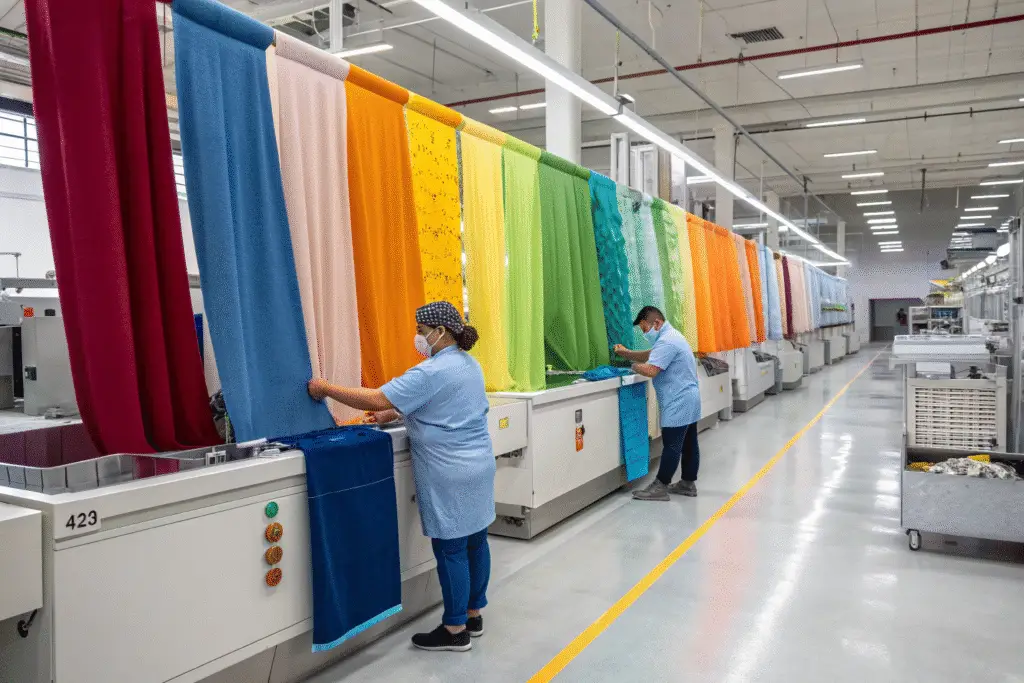
Advanced dyeing and finishing techniques now focus on waterless processes, digital printing, and functional finishes that enhance fabric performance.
In our factory’s sourcing network, we work with suppliers that use supercritical CO₂ dyeing, which eliminates water from the process entirely.
What are the benefits of waterless dyeing?
Waterless dyeing reduces water usage by up to 90% and prevents dye runoff pollution, according to The Dyeing Company. Brands also benefit from faster processing times and more consistent colors.
How do functional finishes add value to fabrics?
Technologies like antimicrobial coatings, UV protection, and moisture-wicking finishes give fabrics enhanced performance. Resources like Innovation in Textiles showcase new finishing techniques that increase garment lifespan and comfort.
Automation and AI in Textile Manufacturing
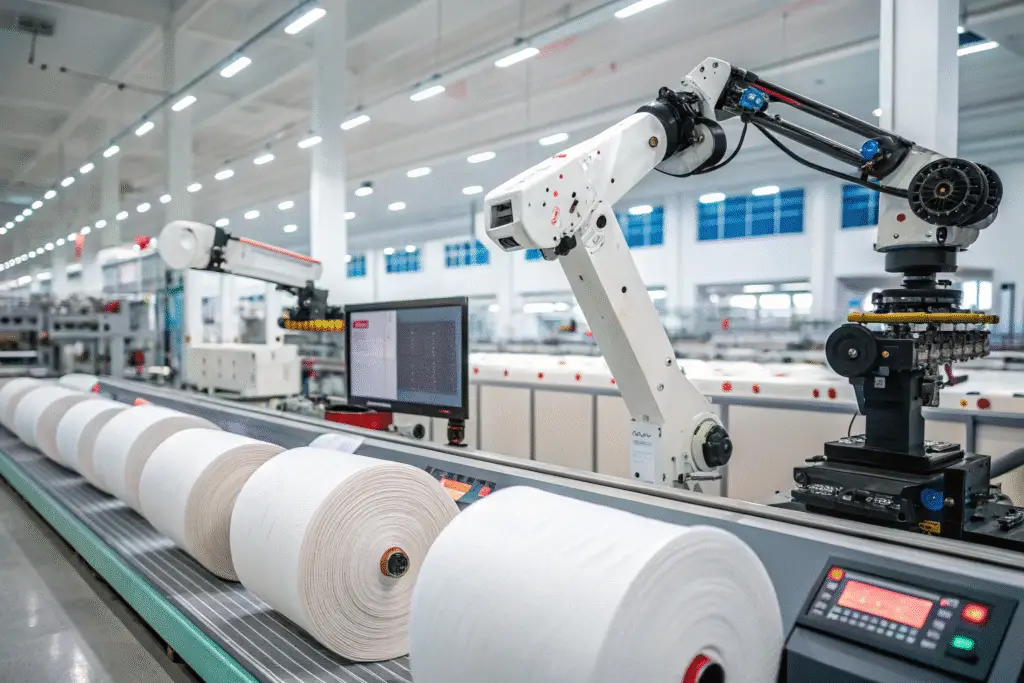
Automation and artificial intelligence are changing every step of fabric production, from weaving to inspection.
AI can detect defects faster than the human eye, while automation increases efficiency and consistency.
We’ve implemented AI-driven inspection systems that photograph every meter of fabric and flag potential flaws in real time.
How does AI improve fabric quality control?
According to MIT Technology Review, AI systems reduce defect rates by learning from past production data, enabling proactive adjustments before problems spread.
What are the cost benefits of textile automation?
Automation reduces labor costs, speeds up production, and minimizes waste. Reports from McKinsey & Company suggest that textile factories using AI and robotics can see efficiency gains of 20–30%.
Conclusion
The fabric production industry is entering a new era where sustainability, intelligence, precision, and automation define competitive advantage. Brands that adopt these emerging technologies can deliver better products, reduce costs, and meet the demands of modern consumers.
At Shanghai Fumao Clothing, we partner with suppliers who are pioneers in these innovations, ensuring our clients stay ahead of the curve. If you want to integrate advanced fabrics into your next collection, contact our Business Director Elaine at elaine@fumaoclothing.com.