🌍 Introduction: The Ripple After India Tariffs
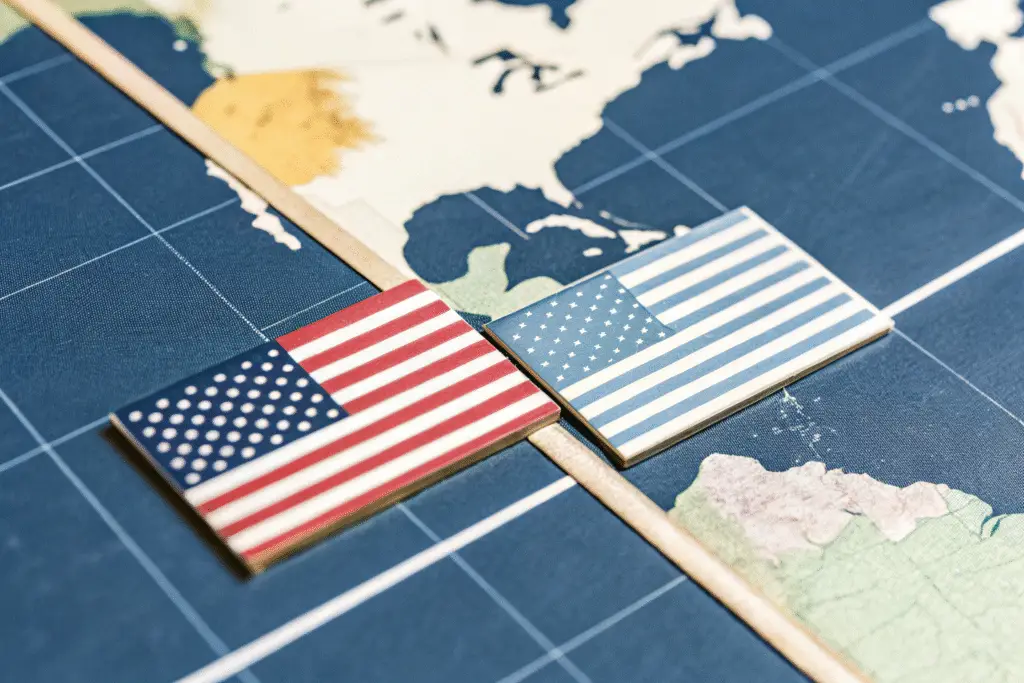
In mid-2025, the U.S. imposed new apparel-related tariffs on imports from India, citing issues ranging from labor standards to trade imbalances. While the impact on Indian exporters has been swift, apparel buyers and factories worldwide are now asking:
Who's next?
With the U.S. elections approaching and bipartisan pressure for onshoring and trade justice rising, it’s no longer speculation—more countries are at risk of being tariffed.
This article provides evidence-based predictions on which countries could be next and why, especially in apparel and textiles.
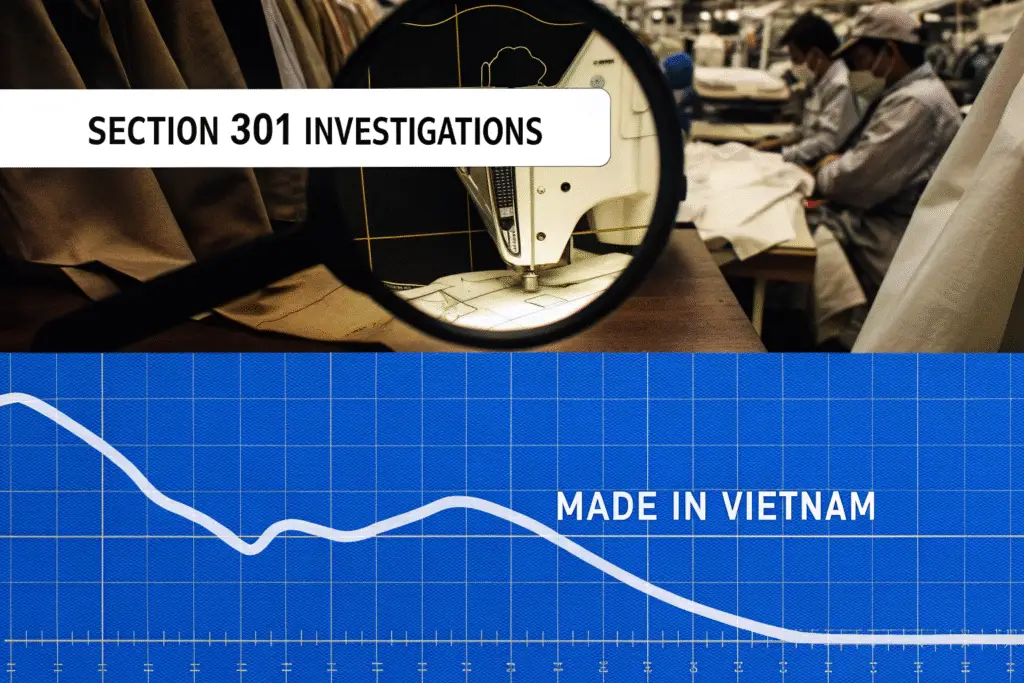
🇻🇳 Vietnam: High on the Target List?
Why It Might Be Targeted:
- 2nd largest supplier of apparel to the U.S. after China.
- Rapid post-pandemic export growth = perceived threat.
- Ongoing concern from U.S. about currency manipulation and state subsidies.
Risks:
- A Section 301 probe could trigger duties on outerwear, performance gear, or footwear.
- Tariffs could disrupt sourcing strategies already diverted from China.
Likelihood: 🔴 High
🇧🇩 Bangladesh: Still a “Low Cost, Low Risk” Option?
Why It Might Be Safe:
- Beneficiary of GSP (Generalized System of Preferences).
- Strategic U.S. support due to geopolitical position in South Asia.
Why It Might Be Targeted:
- Rising reports of labor non-compliance, especially in subcontracted factories.
- Lack of traceability in cotton supply chains, leading to Xinjiang-linked scrutiny.
Likelihood: 🟠 Moderate
🇮🇩 Indonesia: A Quiet Giant in the Crosshairs?
Why It Might Be Targeted:
- Gaining U.S. share rapidly in casualwear and knit exports.
- Criticism over plastic-derived polyester processing pollution.
- Lack of engagement with U.S. textile trade groups.
Likelihood: 🟡 Emerging Threat
🇲🇽 Mexico: Friendshoring or Under Scrutiny?
Why It Might Be Safe:
- Protected by USMCA trade agreement.
- Politically important for U.S. nearshoring narratives.
But Risks Include:
- Surge in “pass-through” Chinese garments repackaged via Mexico.
- Origin audits increasing under CBP (Customs and Border Protection) investigations.
Likelihood: 🟢 Low, but watch origin abuse
🧵 What Apparel Categories Are Most at Risk?
| Category | Tariff Threat Level | Notes |
|---|---|---|
| Cotton T-Shirts | 🔴 High | Origin-linked traceability |
| Synthetic Activewear | 🟠 Moderate | Environmental compliance gaps |
| Children's Clothing | 🔴 High | CPSIA violations from certain sources |
| Outerwear (Jackets) | 🟠 Moderate | High margin = high attention |
| Intimate Apparel | 🟢 Low | Often overlooked in tariffs |
🔍 Watchlist: What U.S. Indicators Signal a Coming Tariff?
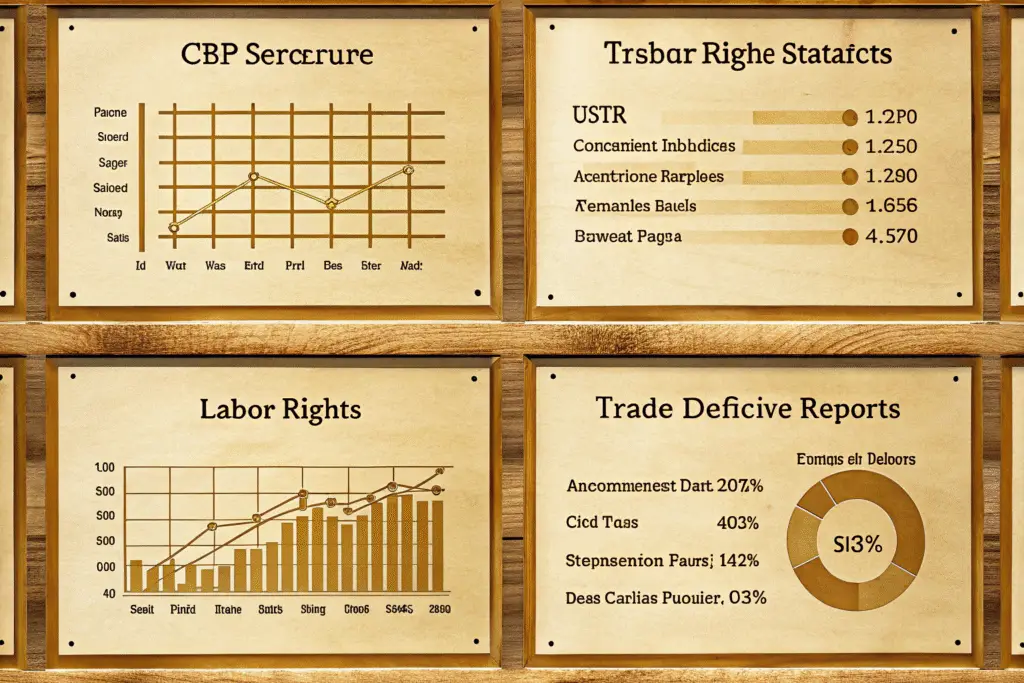
Key warning signs that a country may soon face tariffs:
- 📈 Sudden surge in U.S. apparel import volume
- 📃 Labor rights violations flagged by NGOs or ILO
- 🧾 CBP seizures related to false country-of-origin labels
- 🗳️ Pre-election policy rhetoric on “American jobs first”
- 📄 Section 301 investigation announcements
Brands should actively monitor USTR press releases and engage in industry group briefings (like AAFA) to stay ahead of tariff decisions.
🧭 Strategic Takeaway for Apparel Buyers
Here’s how to stay resilient as the trade map evolves:
- Diversify beyond 1–2 countries: Spread sourcing across at least 3 regions.
- Prioritize compliance-ready factories: Especially for GOTS, WRAP, BSCI.
- Invest in digital traceability: Blockchain, QR fabric lineage, or Yarn-to-Garment tools.
- Stay nimble with MOQ flexibility: Lower your exposure in high-risk regions.
📬 Final Note: Prepare Now, Not Later
Tariffs don’t arrive with a long warning. From Trump-era China duties to 2025’s India shock, policy can flip overnight. And in an election year, surprises are guaranteed.
Want help building a tariff-resilient sourcing plan?
📧 Reach out to elaine@fumaoclothing.com for a free supplier risk map and upcoming trade alert briefing.
Let’s help your sourcing stay one step ahead of the next headline.