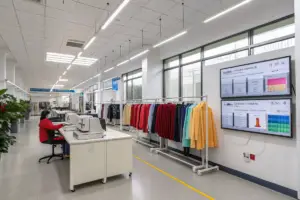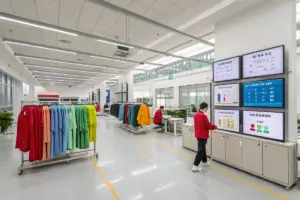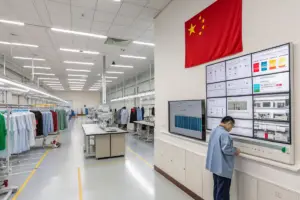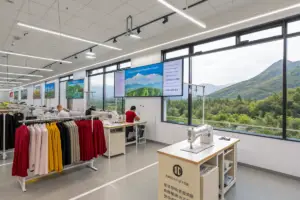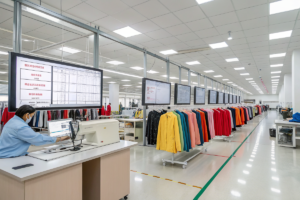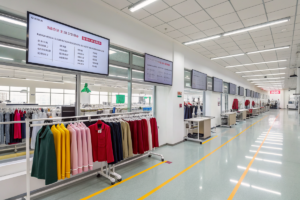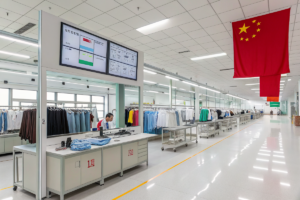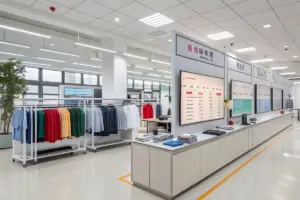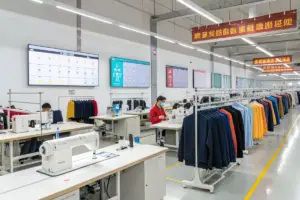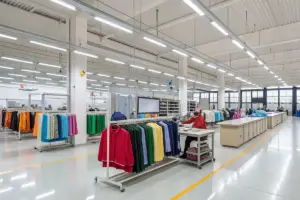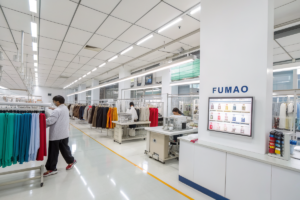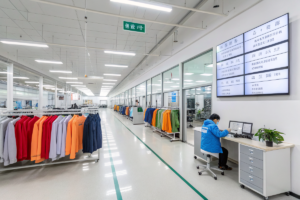
With the U.S. imposing steep new tariffs on apparel imports from India—especially children’s clothing—buyers are scrambling. Many had relied on Indian factories for organic cotton onesies, embellished dresses, or uniform sets. But now, with duties exceeding 50%, the model no longer works.
China has re-emerged as the most efficient, tariff-resilient source for kids’ wear—if you know how to pivot fast.
As a Chinese garment manufacturer specializing in kids’ apparel for U.S. brands, I’ve helped clients shift from India in less than 30 days. Here’s a quick-pivot blueprint to protect your margins and stabilize your supply chain—before back-to-school or Q4 seasons hit.
What Makes China the Fastest Substitute for Indian Kidswear Production?
India was favored for embroidery, soft cottons, and small order flexibility. But Chinese suppliers have quietly leveled up.
In 2025, Chinese factories offer faster lead times, DDP pricing, and certified kidswear programs that comply with both U.S. tariffs and safety standards.
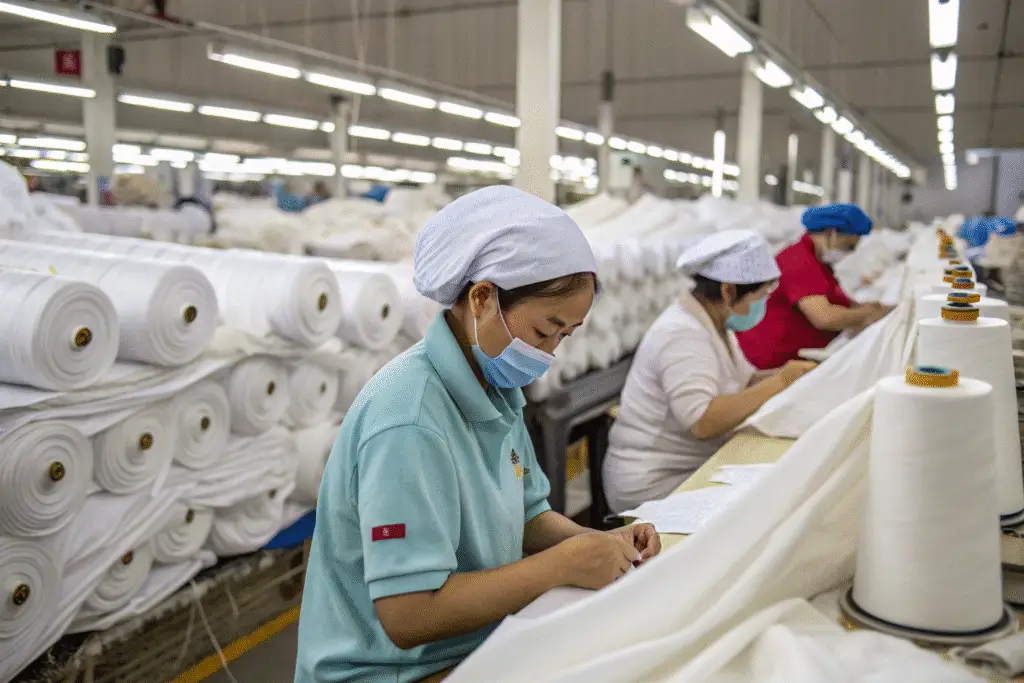
Why Is China Now More Competitive?
| Factor | India (2025) | China (2025) |
|---|---|---|
| Tariff on kidswear | 50–56% | 15–25% |
| Organic cotton access | Strong | Strong |
| Embroidery quality | High | High |
| Lead time | 35–45 days | 25–30 days |
| DDP capability | Limited | Extensive |
India’s strength in handwork is now offset by high duty and shipping costs. Meanwhile, Chinese suppliers like us now offer GRS and GOTS certified kidswear with small MOQ, strict AQL control, and U.S. DDP delivery.
Are Buyers Already Making the Switch?
Yes. One of our clients sourcing baby rompers from Tirupur moved 3 SKUs to our factory and saved $3.60/unit post-duty. The switch took 18 days—with full label replication and safety testing done via SGS.
How Can You Replicate Kidswear Styles from India in China?
Buyers fear that switching countries means giving up styling identity. Not true. We replicate Indian trims, hand-feel, and surface effects with speed—while ensuring industrial-level consistency.
Most Indian designs can be duplicated using automated trims, digital embroidery, or heat transfers—without sacrificing look or softness.
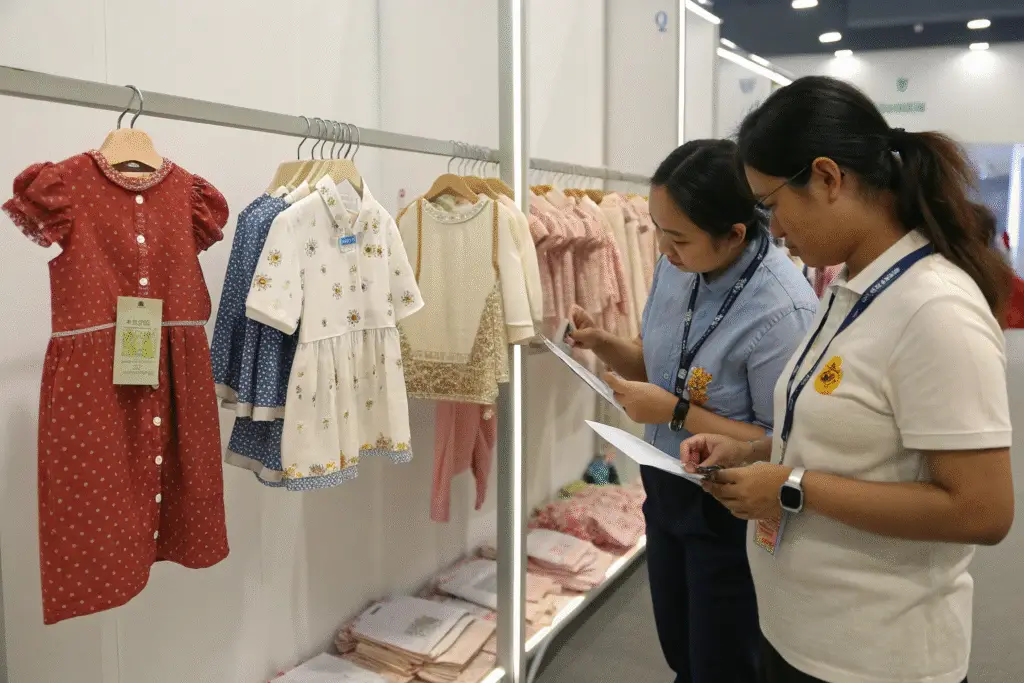
What Style Details Can Be Matched?
| Feature | Matching Method |
|---|---|
| Puff sleeves, gathers | Automated sewing feet |
| Hand block print look | Digital pigment or rotary print |
| Lace and trims | China-sourced embroidery trims |
| Pastel dye tones | OEKO-TEX dye lot matching |
| Snap buttons, foot covers | Identical snap settings & foldover feet |
We also digitize measurement specs and use Gerber pattern tech to ensure size accuracy—especially in infant sizes where India had the edge.
What About Compliance?
We follow CPSIA labeling and provide OEKO-TEX®/SGS certificates on request. All bulk goods are needle-checked, and each lot gets a metal detector pass. Our kidswear lines are already supplying U.S. Amazon and boutique labels.
What Are the Fastest Ways to Place a Pivot Order?
Time is critical. That’s why we offer Express Pivot Production for Indian-style kidswear using pre-booked fabrics and pre-tested trims.
You can place an order in 5 steps and get shipment out in under 25 days—DDP included.
Our Pivot Process:
- Send existing tech pack or sample photo
- Choose from our fabric library (cotton jersey, muslin, fleece)
- Approve digital mockup via WhatsApp or PDF
- Confirm DDP cost (includes tariff + U.S. door delivery)
- Ship bulk in 18–25 days
We also provide free size sets for fit review. MOQ starts at 300pcs/style/color—ideal for buyers testing post-India manufacturing.
Can You Help with Labeling & Packaging?
Yes. We replicate:
- Printed back neck labels (no tags)
- Hangtags with QR/cert info
- Polybags with suffocation warning
- 5-pack bundles or shelf-ready box sets
If you sell on Amazon, Shopify, or Walmart Marketplace, our packs comply with their packaging specs and FBA guidelines.
What Are the Cost Differences After the Tariff Shift?
Even if FOB prices from India seem lower, the true landed cost in 2025 tells a different story.
Post-tariff, Chinese kidswear delivered DDP is often 15–30% cheaper than Indian equivalents—plus faster.
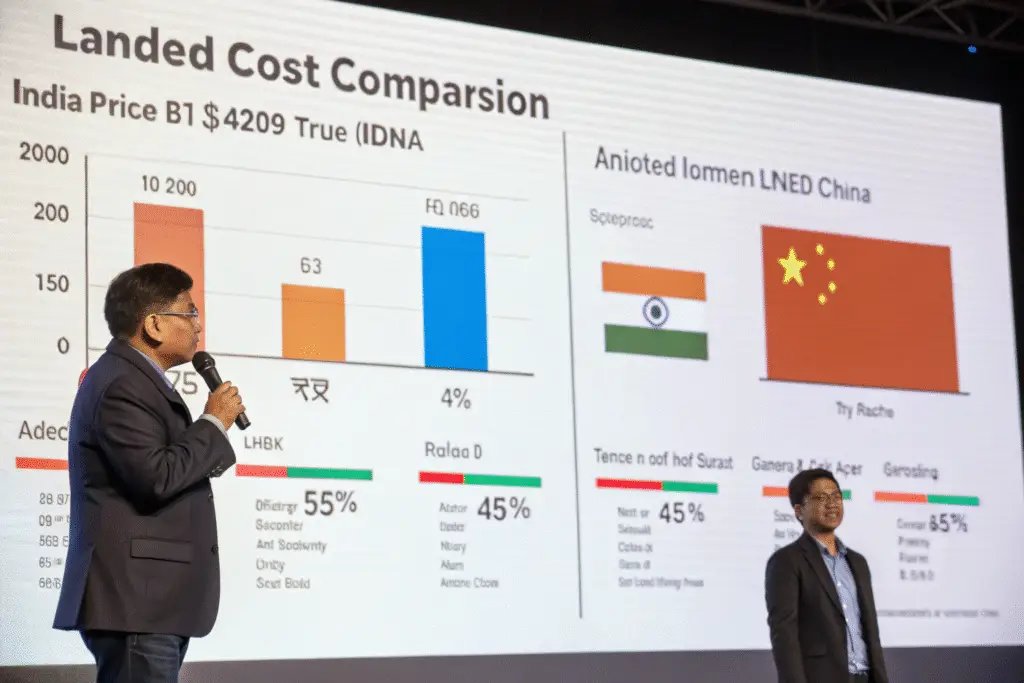
Real-World Case Study
| Style | India DDP | China DDP |
|---|---|---|
| Organic cotton romper | $5.80 | $4.10 |
| Knit baby dress | $6.90 | $4.95 |
| Printed 3-pack tee | $7.50 | $5.25 |
Tariffs + slow port handling add $1.50–$2.20 to Indian shipments. In contrast, our Shanghai DDP lines ship weekly and hit the U.S. West Coast in 12–16 days with built-in duty and ISF clearance.
What About Quality Perception?
U.S. buyers now associate China with consistent QC, not just mass production. And with tariff-proof pricing, they’re shifting even boutique and organic lines over.
Conclusion
If you’ve been sourcing kidswear from India, now is the time to pivot—fast. U.S. tariffs are eroding your margins. Delays are risking your season. China isn’t just a fallback—it’s your best move forward in 2025.
At Shanghai Fumao, we offer ready-to-pivot kidswear production with small MOQs, fast turnaround, and DDP delivery that includes all tariffs. We specialize in India-style replacements that keep your line consistent while cutting landed cost by up to 30%.
Ready to shift your production without losing quality, speed, or control? Email our Business Director Elaine at elaine@fumaoclothing.com and we’ll build your first pivot PO today.