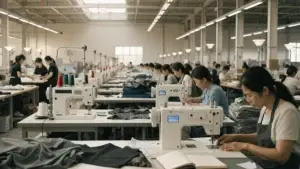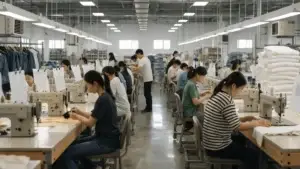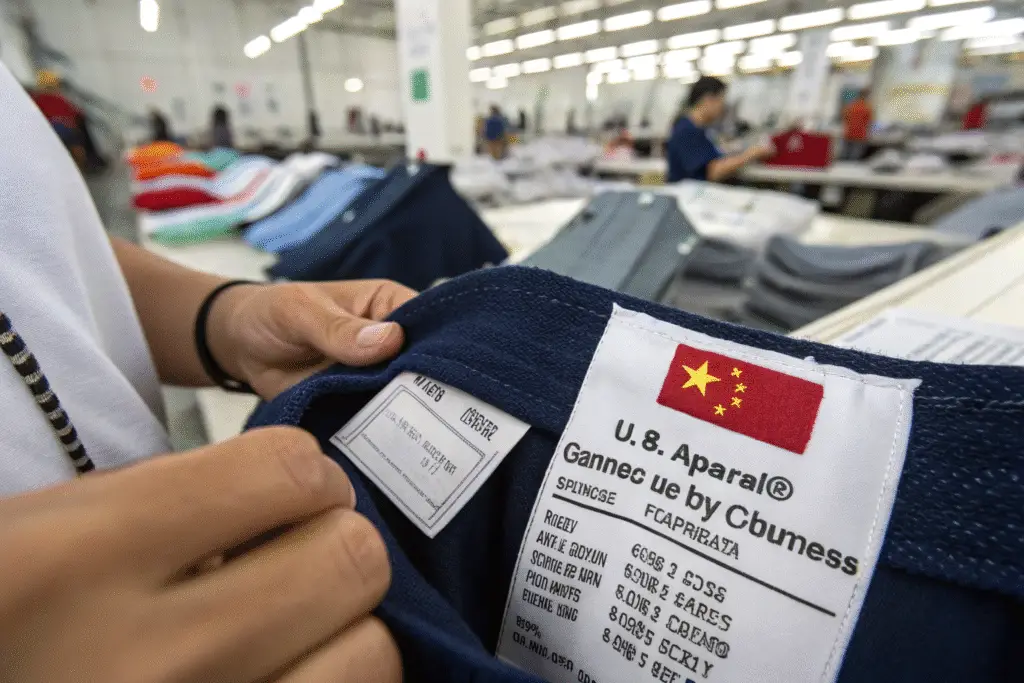
For years, U.S. fashion buyers like Ron have sourced from both Vietnam and China. But in 2025, new tariffs, sustainability demands, and supply chain shifts have renewed the debate: which country now delivers better garment quality?
Our updated 2025 comparison reveals that while both countries excel in specific areas, China still leads in complex construction and consistency—while Vietnam offers leaner production and strong workmanship in simpler categories.
As a Chinese manufacturer who regularly competes with Vietnamese suppliers at trade shows and brand pitches, I’ve seen how the two countries stack up firsthand. Here’s a side-by-side breakdown to help you make the right sourcing call this year.
Which Country Offers Better Construction Quality by Category?
Not all garments are created equal—and neither are production lines. In 2025, both China and Vietnam produce for global brands, but their category strengths differ.
China dominates in outerwear, technical garments, and private label design. Vietnam performs better with basics like woven shirts, lightweight knits, and high-volume orders.
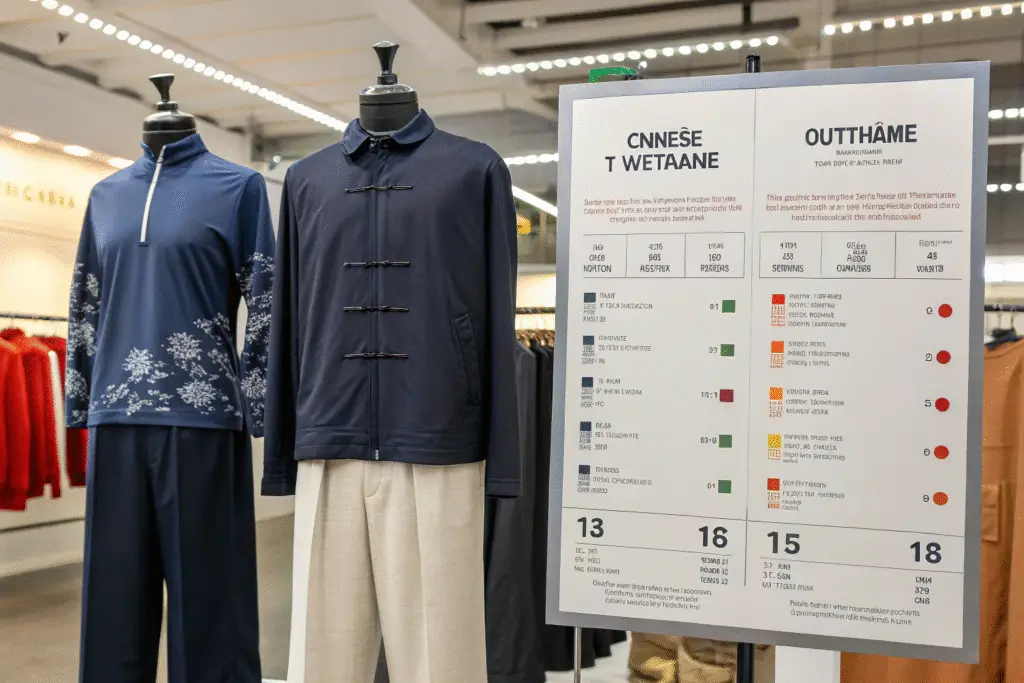
What Are China’s Garment Quality Strengths?
| Apparel Category | Advantage |
|---|---|
| Jackets & Coats | Better seam sealing, fabric bonding |
| Custom Athleisure | Precision dyeing & stretch fabric QC |
| Streetwear Graphics | More stable DTG print results |
| Kidswear Detailing | Better label placement and trimming |
We often win business from buyers who found inconsistent measurements or logo misalignments in Vietnamese samples for these products. Our lean QC processes and automated sewing systems help here.
Where Does Vietnam Lead in Construction?
| Apparel Type | Advantage |
|---|---|
| Woven Shirts | Crisp collars, consistent stitching |
| Trousers & Slacks | Balanced sewing tension |
| Basic Polo Shirts | Reliable GSM and placket alignment |
Vietnamese factories are disciplined and detail-oriented—especially for uniform-quality mass production. According to WGSN, they’ve become the go-to for corporate wear and basic fast fashion due to strong pattern discipline.
How Do China and Vietnam Compare on Fabric Sourcing & Control?
You can’t get great garment quality without reliable fabrics. And in 2025, sourcing consistency has become even more critical due to price volatility and dye compliance updates.
China remains the hub for fabric R&D and innovation, while Vietnam relies on imported fabrics—often from China itself.
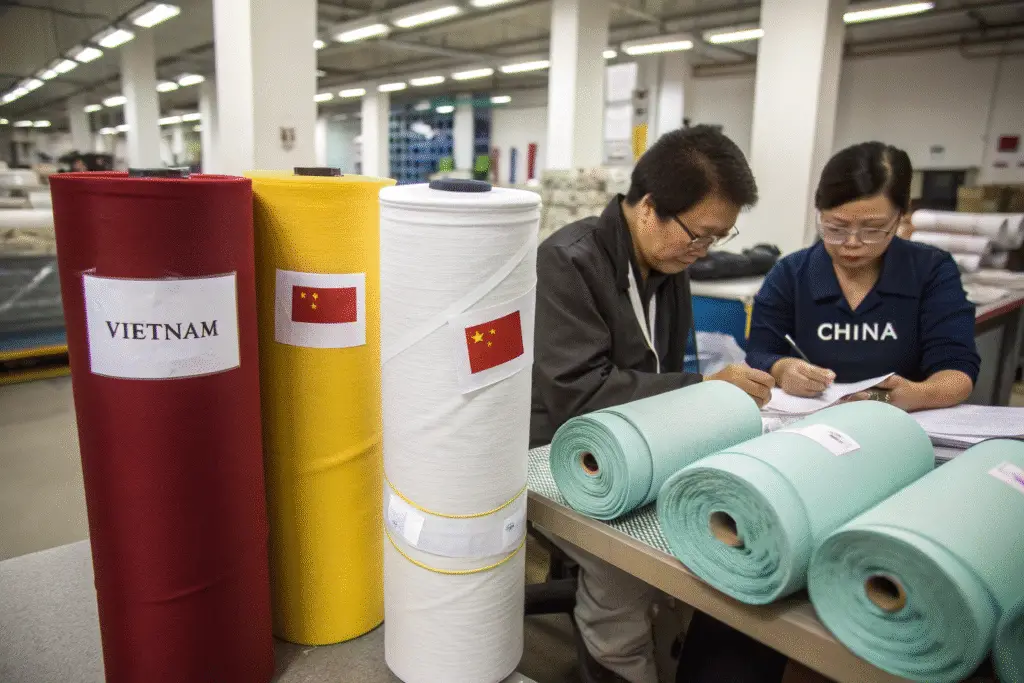
Who Offers Faster Fabric Access?
| Metric | China | Vietnam |
|---|---|---|
| Domestic Fabric Base | ✓✓✓ (extensive) | ✓ (limited) |
| Custom Dye Options | ✓✓✓ (fast, flexible) | ✓ (slower, imported) |
| Eco-Fabric Access | ✓✓✓ (GRS, GOTS) | ✓✓ (requires import) |
In Vietnam, factories often wait 10–14 extra days for fabric shipment. That delays sampling and production start. In contrast, we source GOTS-certified or OEKO-TEX fabrics from local mills within 3–5 days.
Are Vietnamese Factories Improving?
Yes. Some large groups now vertically integrate fabric supply. But even in 2025, 80%+ of Vietnam’s garments use Chinese textiles, according to Textile Value Chain.
Buyers should ask Vietnam suppliers for origin declarations and dye traceability. If fabric QC is crucial, China still offers better speed and transparency.
What Are the Quality Assurance Processes in Each Country?
A garment is only as good as its final inspection. That’s where factory QA systems make or break consistent quality.
China leads in automation, digital QC reporting, and inline tracking. Vietnam focuses more on post-production QC with strong manual discipline.
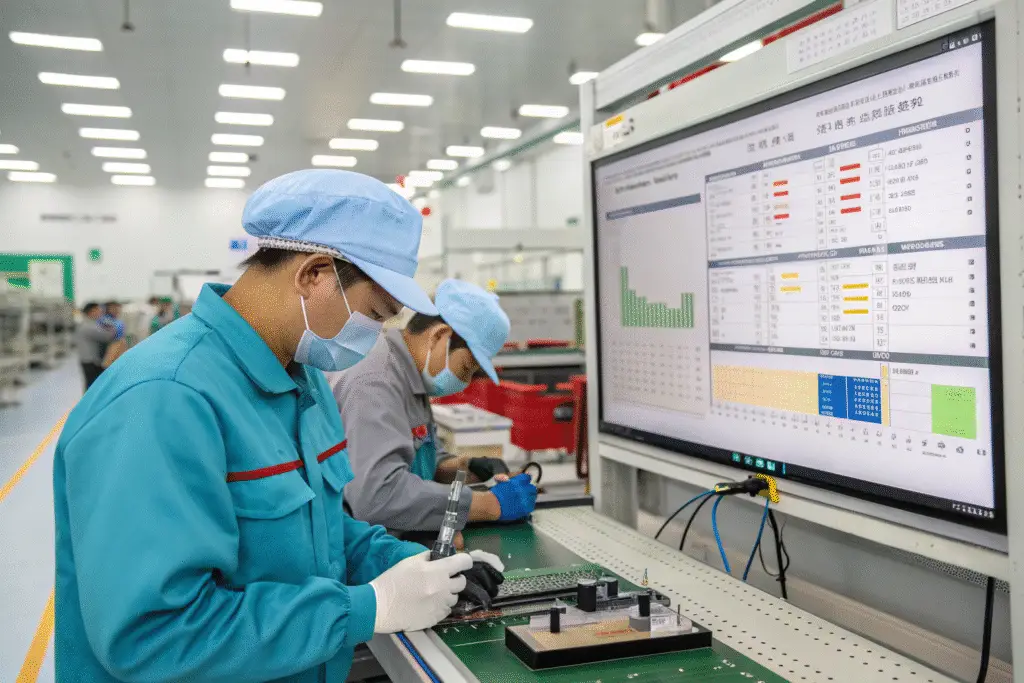
What Is China’s Edge in Quality Control?
We use software like FastReact and QIMA One to track:
- Inline defect rates
- Final measurement specs
- Needle trace reports
- AQL pass rates by line
Our buyers receive digital QC reports within 24 hours of inspection. This prevents post-shipment surprises and helps brands like Ron prepare Amazon listings with confidence.
What’s Vietnam’s Approach?
Vietnam factories typically do:
- Manual final inspections
- Excel-based size chart confirmations
- Pre-ship video approvals
Their process is solid—but harder to track remotely. U.S. buyers often rely on 3rd-party firms like SGS or Intertek to validate pre-shipment specs.
How Do Production Delays and Rework Compare?
Delays destroy margins—especially under new U.S. tariffs. Even one late shipment can miss a season.
In 2025, China offers faster recovery from sampling errors and fewer rework delays. Vietnam performs best when specs are simple and volumes stable.
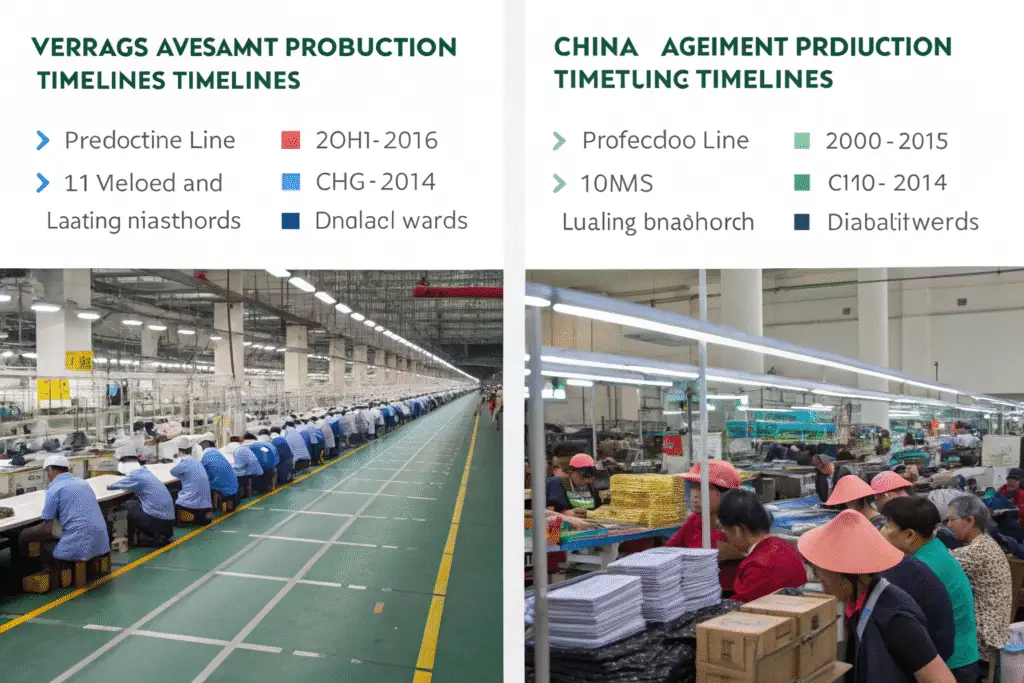
What Are Current Lead Times?
| Production Type | China | Vietnam |
|---|---|---|
| Fast Fashion (MOQ 500) | 21–30 days | 28–38 days |
| Custom Activewear | 25–35 days | 32–45 days |
| Basic Wovens | 28–35 days | 26–32 days |
China’s edge? On-site pattern masters, faster sample room response, and flexible MOQs. When changes happen mid-cycle, our team adapts without adding 2+ weeks.
Vietnam’s edge? Stable line planning for repeat styles. Buyers using tech packs with minimal changes often find them reliable—but less agile.
What’s the Cost of Rework?
One of our buyers sourced 10,000 pants from a Vietnamese factory. Due to incorrect inseam grades, 2,800pcs failed U.S. QC and needed rework. Shipping back and replacing cost $18,000. They now require pre-production fitting video from all suppliers.
We prevent this via 3D sampling tools and inline visual inspections that flag mismatches early.
Conclusion
Vietnam and China both deliver high-quality garments in 2025—but not equally across all categories or sourcing demands. If you need high-spec, fabric-intense styles like outerwear or technical knits, China remains unmatched. For repeat woven basics and structured uniforms, Vietnam offers good value and reliability.
At Shanghai Fumao, we help U.S. buyers navigate this new sourcing matrix. From DDP quotes and digital QC to certified sustainable fabrics and fast rework systems—we're built for today’s high-duty, fast-moving market.
Want a product-by-product sourcing analysis? Email our Business Director Elaine at elaine@fumaoclothing.com and let’s compare your samples side-by-side—before you commit to a high-risk vendor.