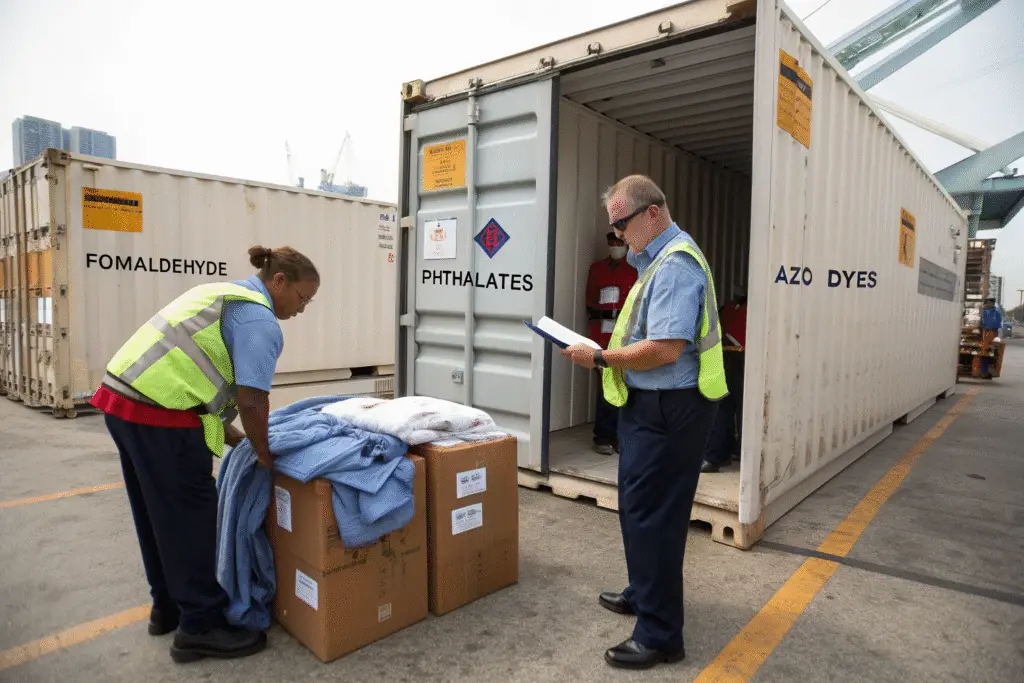
U.S. customs authorities are tightening their grip on chemical safety—especially in imported garments, accessories, and fabrics. From California’s Prop 65 to CPSIA regulations, non-compliance now results in costly shipment holds, product recalls, and reputational harm.
In 2025, apparel brands must treat chemicals compliance like a non-negotiable checklist. A single failed lab report or missing certification can cause a port rejection that costs tens of thousands in delays, re-testing, or destruction.
Here’s how you can navigate the U.S. chemicals crackdown and keep your apparel shipments safe, compliant, and customs-approved.
What Toxic Substances Are Triggering Rejections at U.S. Ports?
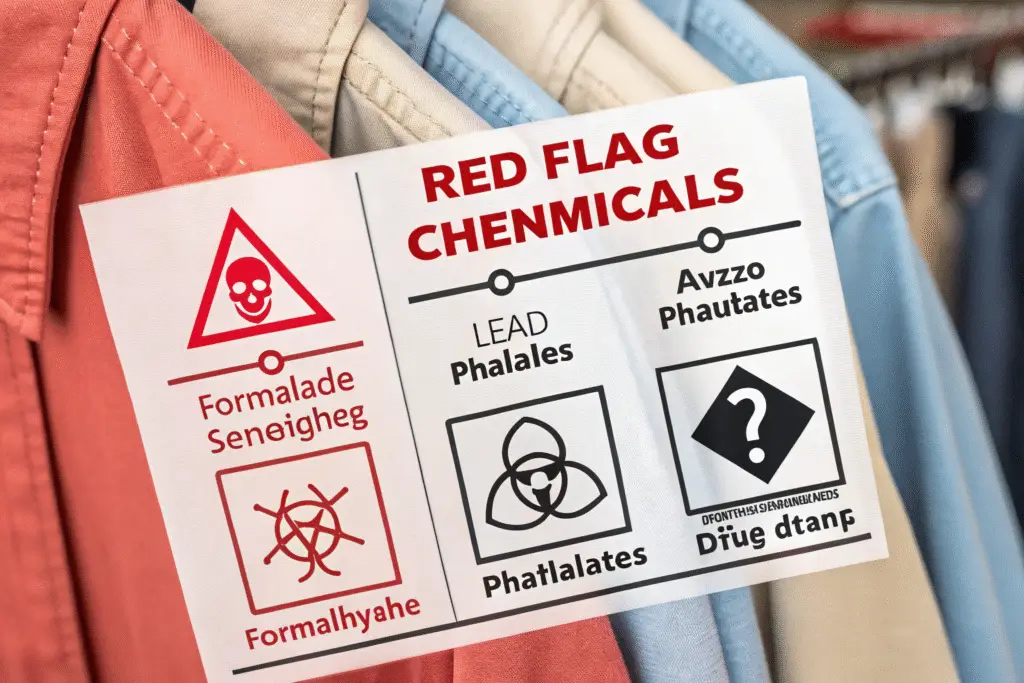
The most common chemicals triggering U.S. apparel rejections in 2024–2025 include:
- Formaldehyde (banned above 75 ppm in many states)
- AZO dyes (restricted in Europe and flagged in U.S. imports)
- Lead in prints or accessories
- Phthalates in flexible plastic components (bags, trims, prints)
- Nickel in zippers, buttons, or snaps
If your products contain any of these beyond legal thresholds, CBP may reject, detain, or destroy your shipment—no matter the country of origin.
Which U.S. Laws Should Apparel Importers Be Aware Of?
- CPSIA (Consumer Product Safety Improvement Act) – Kidswear, trims, lead, phthalates
- California Prop 65 – Requires warnings for 900+ hazardous chemicals
- TSCA (Toxic Substances Control Act) – Textile and dye chemicals
California ports (e.g., Long Beach, Oakland) are particularly aggressive about Prop 65 enforcement.
Check the full Prop 65 chemical list here: https://oehha.ca.gov/proposition-65/proposition-65-list
How Can You Ensure Your Fabrics and Trims Are Compliant?
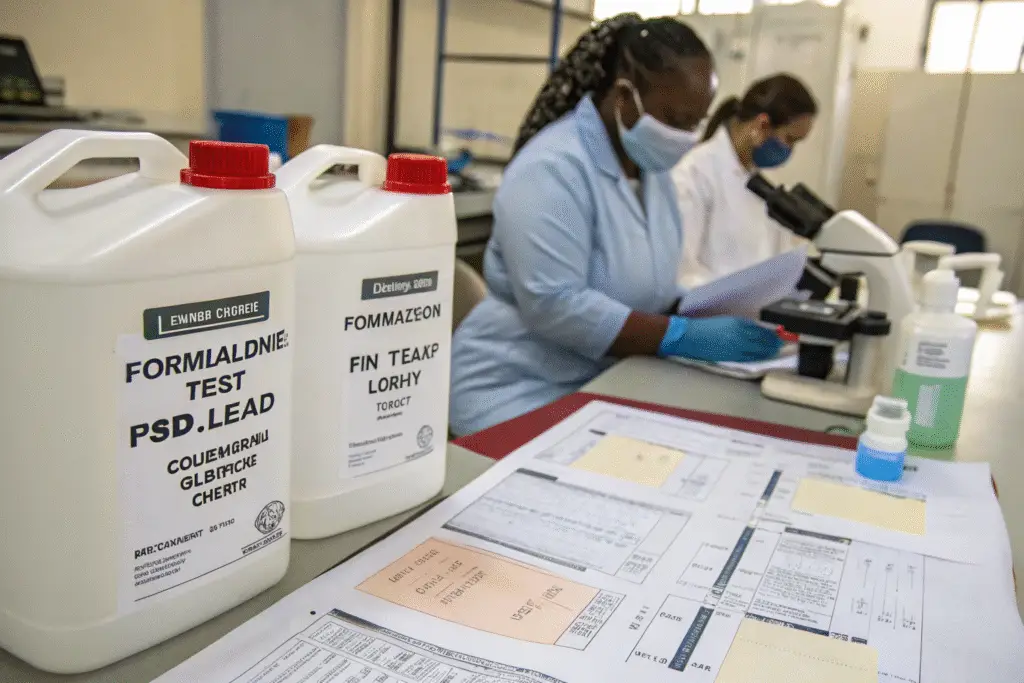
Testing isn’t optional anymore. U.S. buyers must demand chemical safety testing from their garment factories—especially for kidswear, sportswear, intimate apparel, and plasticized accessories.
Third-party lab certification is your legal shield against port rejection and liability lawsuits.
What Tests Should You Run Before Shipment?
| Test Type | Target Substance | Ideal Standard |
|---|---|---|
| Formaldehyde | Fabric coatings | ≤ 75 ppm (ASTM D2765) |
| Heavy Metals | Lead, cadmium, nickel | CPSIA / REACH |
| AZO Dye Scan | Textile colorants | EN 14362-1 |
| Phthalates | PVC prints, packaging | ≤ 0.1% (16 CFR Part 1307) |
Testing should be done by labs like Intertek, SGS, or Bureau Veritas.
What Certificates Are Accepted by U.S. Customs?
- OEKO-TEX Standard 100 – Verified lab tests per batch
- CPSIA Compliance Letter – Self-issued but must include lab references
- GOTS / GRS – Include some chemical compliance elements
- Lab test reports from ISO 17025 certified labs
We help clients request lab reports before bulk production and include them in DDP shipping files to avoid CBP red flags.
How to Vet Your Supplier’s Chemical Control Systems?
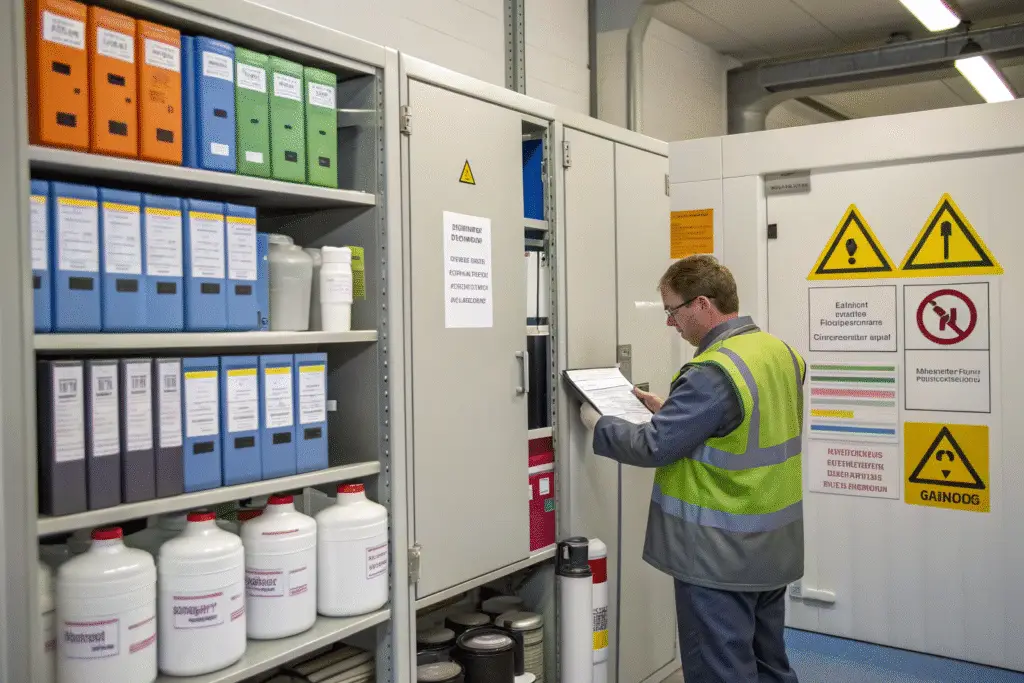
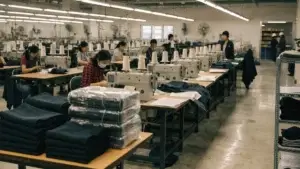
A factory’s internal chemical management is the frontline defense. Yet most small suppliers in India or Bangladesh lack proper chemical SOPs (Standard Operating Procedures), which leads to test failures and shipment rejections.
As a buyer, you must evaluate how your supplier sources, stores, and applies chemicals across production.
What Compliance Systems Should You Expect?
- MSDS files (Material Safety Data Sheets) for all dyes, prints, and auxiliaries
- Chemical inventory logs updated monthly
- Restricted Substance List (RSL) policies and documentation
- In-house testing or pre-shipment 3rd party labs
- Certifications from mills supplying fabrics/trims
At Shanghai Fumao, we only source fabrics from OEKO-TEX certified mills, use REACH-compliant trims, and maintain SDS binders per dye lot.
What Are Red Flags During Factory Vetting?
- No traceable MSDS documents
- Poor ventilation or open containers in printing area
- No staff trained in chemical handling
- Supplier refuses pre-shipment test results
Always ask for video footage of chemical storage, fabric dyeing, and screen printing stations if you can’t visit in person.
Can DDP Shipping Help Avoid Port Rejection Risks?
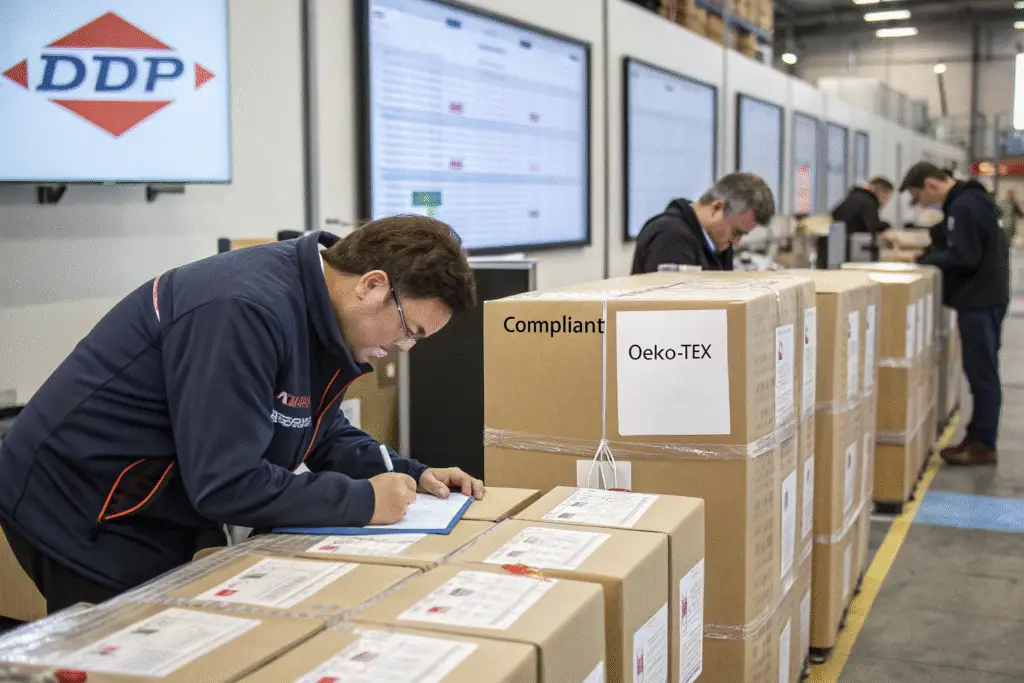
DDP (Delivered Duty Paid) shipping takes the burden off the buyer—but only when paired with strong compliance documentation. If a shipment is rejected at port under DDP terms, the supplier bears the penalty.
Buyers working with DDP-ready factories can enforce compliance standards more easily—because the factory has skin in the game.
What Should Be Included in a DDP Shipment File?
- Commercial invoice with HTS code and chemical compliance statement
- Packing list with product type and material composition
- OEKO-TEX or lab test report PDFs
- SDS summary for any decorated garments (e.g. screen prints)
- Declaration of conformity (especially for children’s clothing)
We provide all of the above with every DDP apparel order, reducing customs clearance delays to under 48 hours.
Can Port Rejection Be Appealed?
Yes—but it’s expensive. You’ll need:
- Re-testing through a U.S. lab
- Legal support (up to $2,000–$5,000 per case)
- Storage fees during detention (often $500+/day)
The better route is prevention—starting with upstream chemical control.
Conclusion
With U.S. chemical compliance crackdowns escalating, apparel importers—especially those sourcing from high-risk zones—must audit, test, and document every product batch thoroughly.
At Shanghai Fumao, we offer OEKO-TEX sourcing, lab-tested bulk shipments, and customs-ready compliance packs under every DDP order. Our goal? To protect your brand from fines, rejections, and retail fallout.
Ready to ship smarter and safer? Contact our Business Director Elaine at elaine@fumaoclothing.com and ask how we can help you avoid the next port rejection—before it happens.