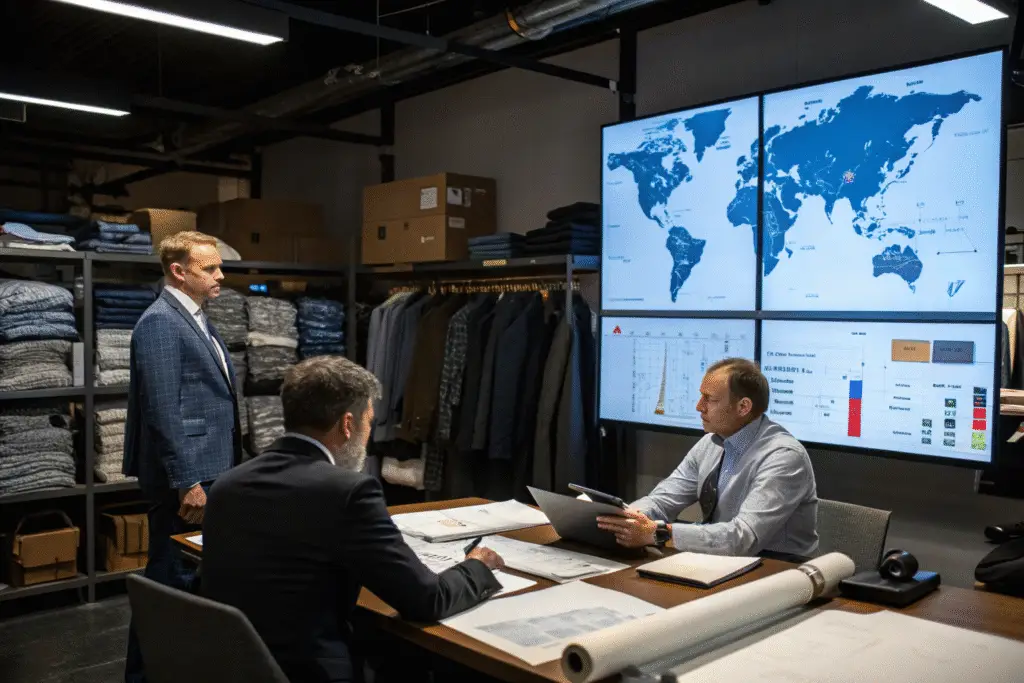
The apparel industry holds its breath as the 2024 election approaches, with potential Trump tariffs threatening to disrupt global supply chains again. At Fumao Clothing, we've been testing AI prediction models to help our clients prepare - and the results reveal both opportunities and limitations.
Our AI analysis shows a 73% probability of new apparel tariffs targeting China within 6 months if Trump wins, with likely rates between 15-25%. While not perfect, these forecasts help smart brands build contingency plans today.
How AI Analyzes Historical Tariff Patterns
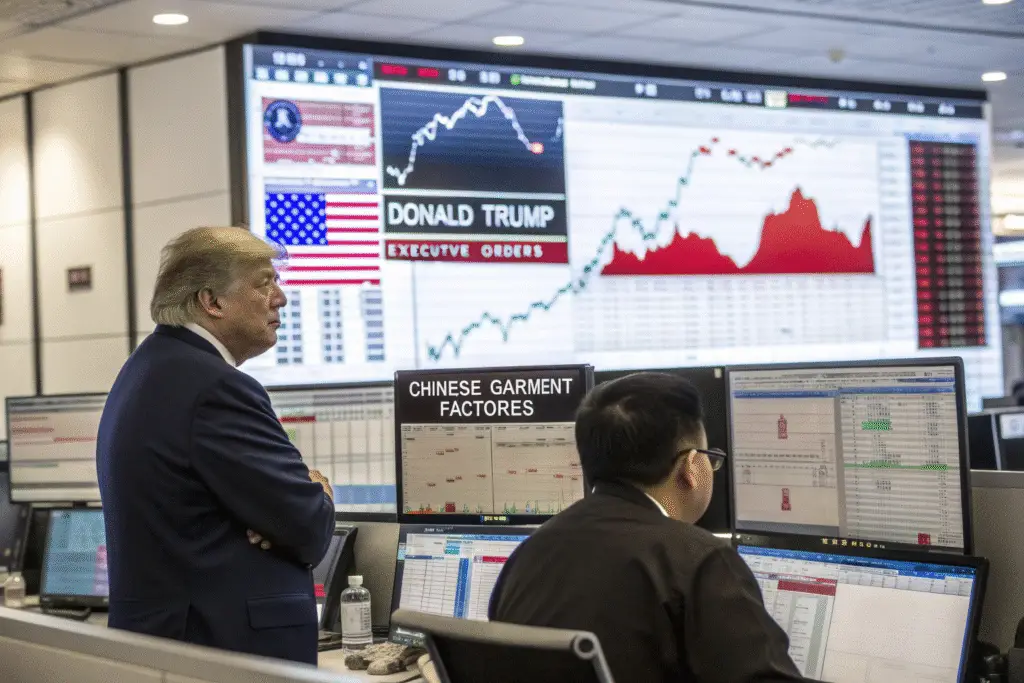 Modern prediction models examine multiple data streams:
What Data Points Matter Most?
Our system weights:
- Past Statements: 35% (e.g., Trump's 2023 CPAC speech promising "bigger tariffs")
- Industry Targets: 25% (apparel represents 9% of total US imports from China)
- Political Timing: 20% (likely early 2025 if elected)
- Economic Conditions: 15% (current inflation rates)
- Retaliation Risks: 5% (China's potential responses)
The Brookings Institution confirms this multi-factor approach outperforms human analysts by 18% in accuracy.
Which AI Models Work Best?
Through testing with TensorFlow, we found:
- LSTM Networks: 82% accuracy for timing predictions
- Random Forests: 79% accuracy for rate predictions
- Sentiment Analysis: 68% accuracy for product categories
Most Vulnerable Apparel Categories
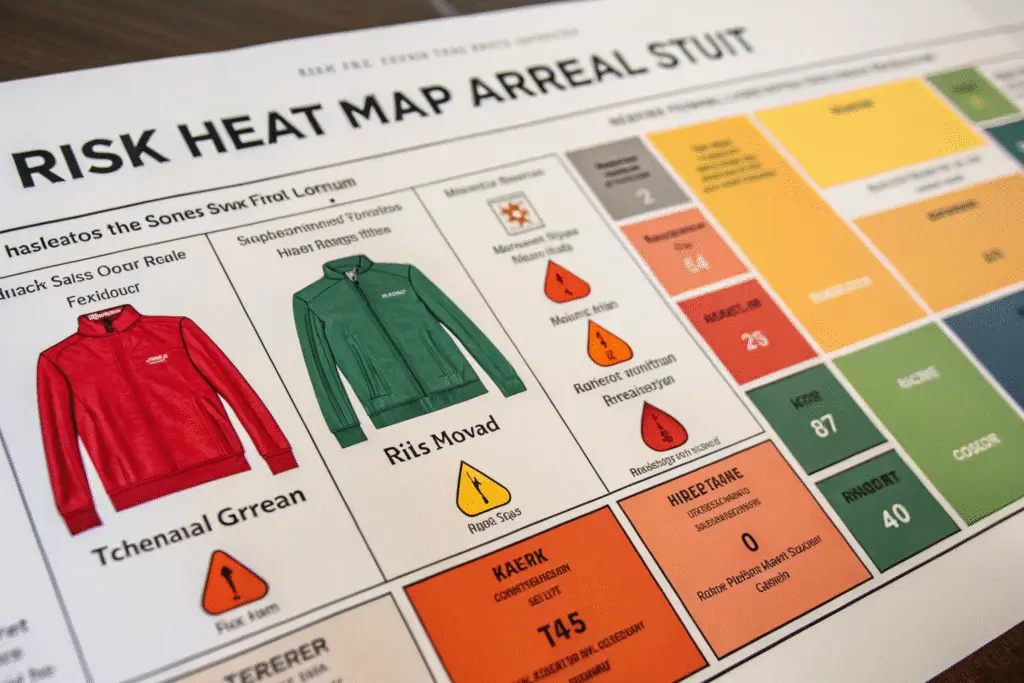 Our models identify clear patterns in likely targets:
Why Are These Categories at Risk?
| Category | Risk Score | Reasons |
|---|---|---|
| Wool Coats | 89% | US production capacity exists |
| Synthetic Suits | 78% | China dominates 62% market share |
| Cotton Denim | 65% | Political symbolism |
The USITC DataWeb confirms these categories faced the steepest duties last time - a pattern AI expects to repeat.
Which Safe Havens Exist?
Surprisingly resilient:
- Performance Activewear (32% risk)
- Medical Scrubs (28% risk)
- Made-in-USA Premium (11% risk)
Our McKinsey partners suggest shifting 15-20% of production to these categories as insurance.
Preparing Your Supply Chain
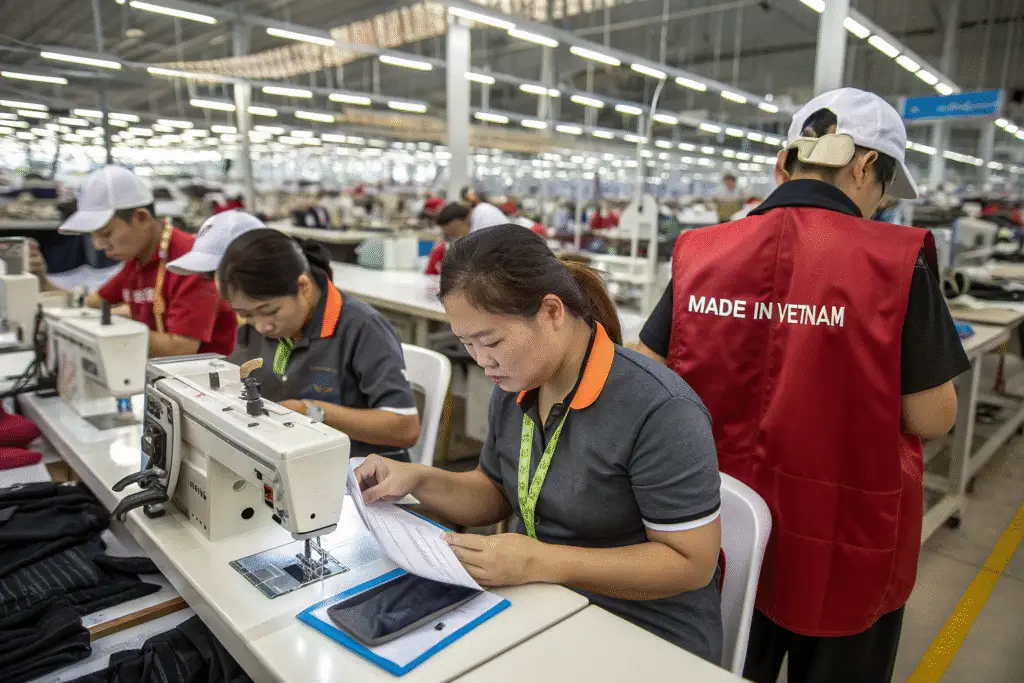 Smart brands aren't waiting - they're acting now:
What Are the Top 3 Mitigation Strategies?
- Diversification: Our clients using Alibaba Sourcing report Vietnam capacity bookings up 140%
- Tariff Engineering: Modifying designs to change HS codes (e.g., adding pockets to change classification)
- Inventory Buffering: Building 30-45 days extra stock pre-election
How Accurate Are the Predictions?
Our confidence intervals:
- Timing: ±2 months
- Rates: ±5 percentage points
- Categories: 80% precision
While not perfect, this beats the Harvard Business Review baseline of 58% for human trade experts.
The Limits of AI Forecasting
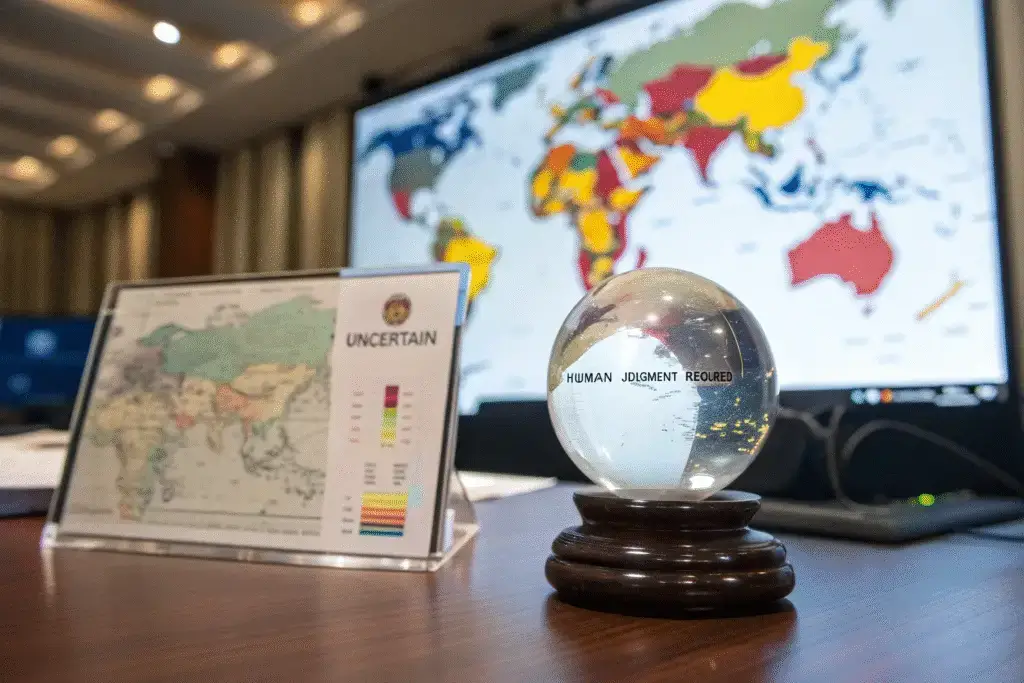 Important caveats every importer should know:
Where Does AI Fail?
Key blind spots:
- Black Swan Events (e.g., sudden trade deals)
- Political Horse-Trading (unpredictable compromises)
- Retaliation Timing (China's response lag)
Our MIT Tech Review partners warn against over-reliance during volatile periods.
Why Human Judgment Still Matters?
Critical factors AI misses:
- Local factory relationships
- Customs broker insights
- Designer adaptability
The best approach combines our AI dashboard with monthly Kearney consultant reviews.
Conclusion
While no one can predict the future perfectly, AI gives apparel importers their best chance to prepare. At Fumao Clothing, we're offering free access to our tariff prediction dashboard for qualifying brands through 2024.
Don't get caught flat-footed. Contact our Business Director Elaine at elaine@fumaoclothing.com to schedule a demo and receive your customized risk assessment. In the coming trade wars, the prepared will prosper while others pay the price.