Kidswear production demands the highest standards of safety, comfort, and trust. But in today’s conscious consumer landscape, brands can no longer settle for cheap synthetics or harshly treated fabrics—especially when parents are demanding transparency and sustainability.
Organic cotton is rapidly becoming the gold standard for children’s clothing manufacturing. It offers unmatched skin-friendliness, ethical appeal, and long-term brand loyalty, making it a smart choice for both newborn collections and full-scale kidswear lines.
At Fumao Clothing, we’ve helped dozens of U.S. brands make the switch to organic cotton for their baby and children’s lines. In this article, I’ll explain why organic matters, how it affects your business, and what to consider when sourcing organically certified fabrics.
Is Organic Cotton Safer For Babies and Children?
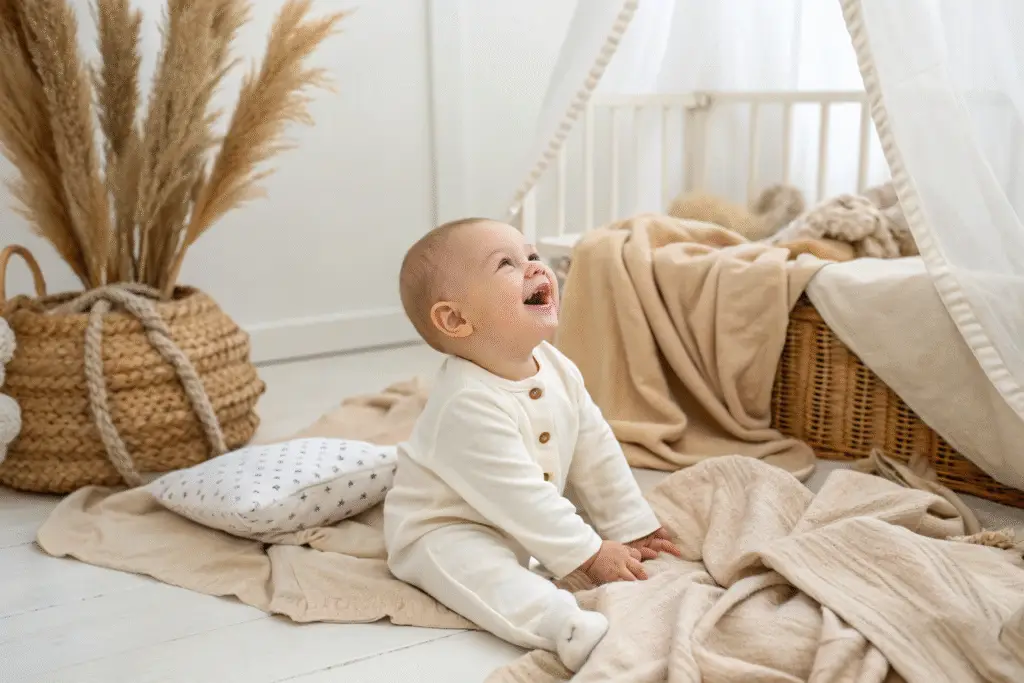
Children’s skin is thinner and more absorbent than adults’—which means harmful chemicals in standard cotton can have a bigger impact.
Organic cotton is grown without pesticides, bleach, or formaldehyde-based finishes. It provides a naturally hypoallergenic solution ideal for baby rompers, toddler T-shirts, and infant bedding.
What Chemicals Are Avoided in Organic Cotton?
Conventional cotton may contain residues from synthetic fertilizers, insecticides, azo dyes, and chlorine bleach—all of which can trigger skin irritation or allergic reactions in babies.
In contrast, organic cotton meets the GOTS certification standard, which prohibits heavy metals, GMOs, and harmful solvents. This makes organic cotton ideal for sensitive use cases like baby bibs, pajamas, and underlayers.
Is There Scientific Support for Choosing Organic?
Yes. According to the Environmental Working Group, organic cotton reduces a child’s exposure to endocrine disruptors and toxic dye residues. More pediatricians also recommend breathable, untreated fabrics for infants with eczema or asthma.
If your kidswear brand focuses on health-conscious families, choosing organic cotton is no longer optional—it’s expected.
Does Organic Cotton Offer Better Brand Value?
Today’s parents aren’t just buying clothes—they’re buying values. They want to support ethical brands that align with their health and sustainability beliefs.
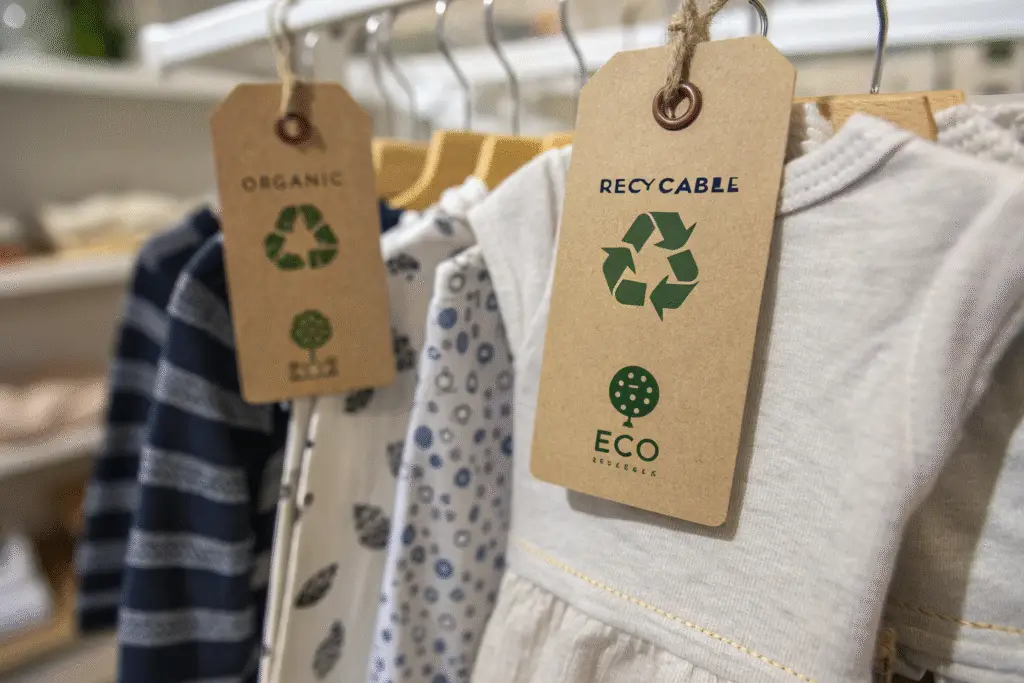
Using organic cotton adds premium brand positioning, justifies higher pricing, and wins over eco-conscious shoppers—especially in the U.S. and European kidswear markets.
Can You Charge More for Organic Cotton Kidswear?
Absolutely. Most brands that switch to certified organic cotton report a 15–30% retail price increase. Shoppers perceive the material as superior—and they’re right.
A study by McKinsey & Company found that 67% of millennial parents are willing to pay more for eco-friendly or organic products for their children. Positioning your babywear as organic isn’t just ethical—it’s profitable.
How Does Organic Cotton Support Sustainable Brand Image?
Many global marketplaces and retailers now require sustainability commitments. If you sell on platforms like Nordstrom Sustainable Style, your garments must meet specific fiber and process standards.
By choosing certified organic cotton, your brand aligns with environmental impact reduction goals, making it easier to enter premium retail spaces and earn PR exposure.
How Do You Verify Organic Cotton Claims?
Greenwashing is real. Many factories falsely label garments as "organic" without third-party proof. You must always validate claims with international certifications.
The most widely accepted standard is GOTS—Global Organic Textile Standard—backed by rigorous environmental and social audits from cotton field to finished garment.
What Certifications Should You Require?
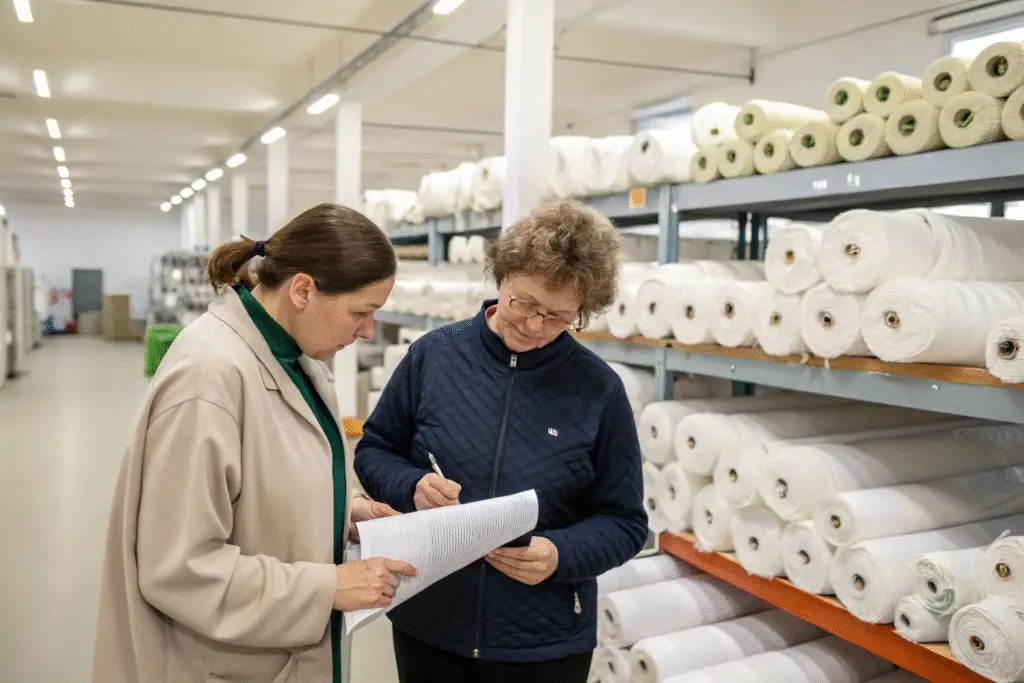
Require GOTS or OEKO-TEX Standard 100 for all organic kidswear orders. These certifications verify no harmful chemicals, ethical labor, and full traceability.
Always ask your supplier for:
- Valid certificate PDF
- Scope certificate covering your specific garment category
- Fabric transaction certificates (TCs) per order
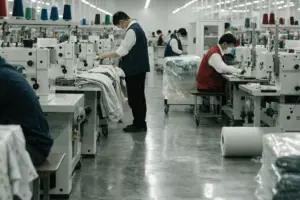
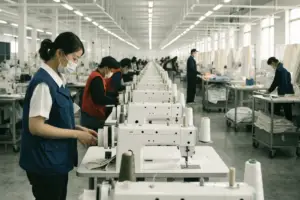
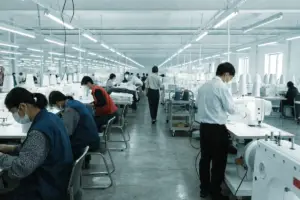
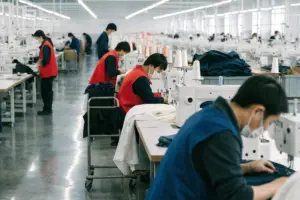
At Fumao, we provide GOTS-certified cotton from mills with transparent audit histories and batch traceability down to the yarn spool.
How Can You Avoid Fake Certifications?
Check all certs against the official GOTS database and look for mismatches between supplier name, category, and expiry date.
Also, avoid any supplier who hesitates to provide fabric TCs or changes their certification story. If you need help, Control Union and Ecocert also provide verification support services.
Is Organic Cotton Production Scalable for Wholesale?
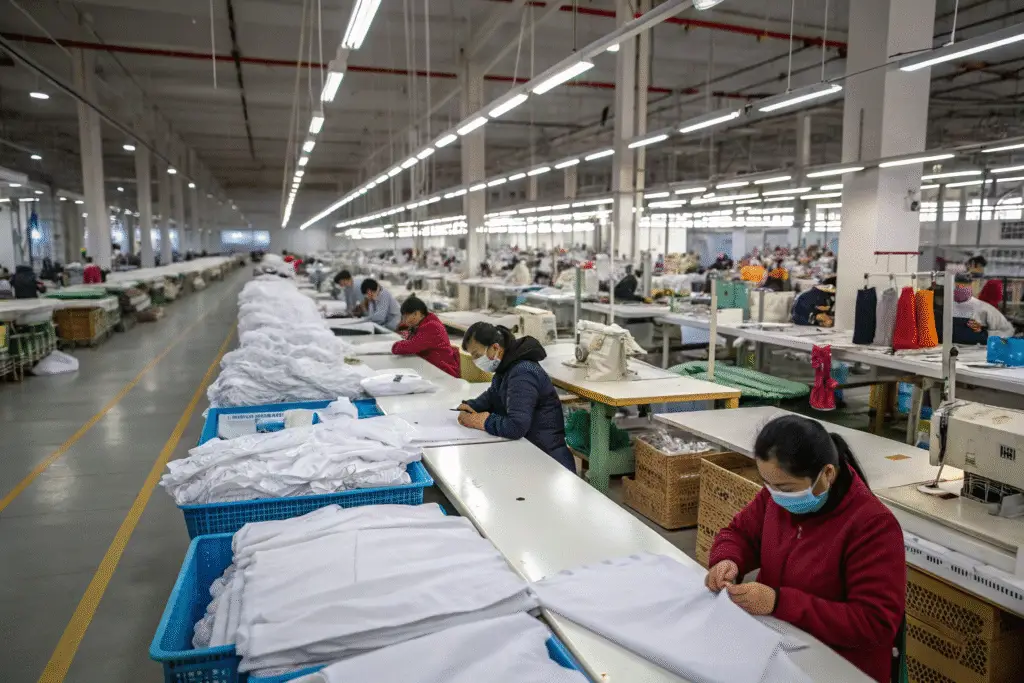
One concern buyers raise is whether organic cotton is scalable for bulk orders. The answer: yes, if you choose the right supply chain partners.
With proper planning and sourcing, organic cotton can be mass-produced just like conventional cotton—without sacrificing quality or timeline.
Can You Maintain Low MOQs With Organic Cotton?
At Fumao, we support MOQs starting at 300 pcs/style for organic cotton kidswear. We collaborate directly with certified mills that carry pre-dyed, stocked GOTS cotton, reducing lead time and risk.
For smaller brands or startups, we also offer shared dye lots and trim options to lower initial costs while keeping the collection compliant.
How Do Lead Times Compare to Regular Cotton?
Organic cotton lead times are slightly longer—typically 5–10 days more—due to certification checks and traceability steps. But when planned properly, it doesn’t impact overall go-to-market timing.
We also recommend using pre-tested, pre-approved organic fabrics from verified mills to streamline your sample-to-bulk workflow and reduce surprises at inspection.
Conclusion
Choosing organic cotton for kidswear production isn’t just an ethical move—it’s a smart business decision. From health and comfort to brand trust and sustainability credentials, organic fiber aligns perfectly with the values of today’s parents and premium retailers.
At Fumao Clothing, we offer fully certified organic cotton production services, complete with GOTS-traceable sourcing, low MOQs, and support through every production stage. If you’re ready to elevate your kidswear collection and appeal to conscious consumers, contact our Business Director Elaine at elaine@fumaoclothing.com and let’s create something clean, safe, and profitable—together.