In today’s competitive fashion market, reducing costs without sacrificing quality has become the lifeblood of profitable custom apparel brands. Whether you’re launching a boutique label or managing bulk orders for retail chains, cutting waste and inefficiencies can make or break your bottom line.
To reduce costs in custom apparel manufacturing, focus on efficient product development, strategic sourcing, lean production planning, and optimized logistics. These strategies ensure your budget supports growth—not just operations.
You don’t have to sacrifice creativity or quality for affordability. When you work with the right factory and apply smart cost-saving tactics at every stage, you can scale without bleeding cash. Let’s walk through the key ways to do just that.
How Can Optimizing Product Development Lower Manufacturing Costs?
Launching a custom design is exciting—but without structured product development, costs balloon fast. Most brands overspend here before even reaching production.
Clear tech packs, 3D sampling, and early material finalization can slash revision cycles, reduce waste, and keep the process efficient—saving thousands before the first stitch.
Why Are Detailed Tech Packs So Important?
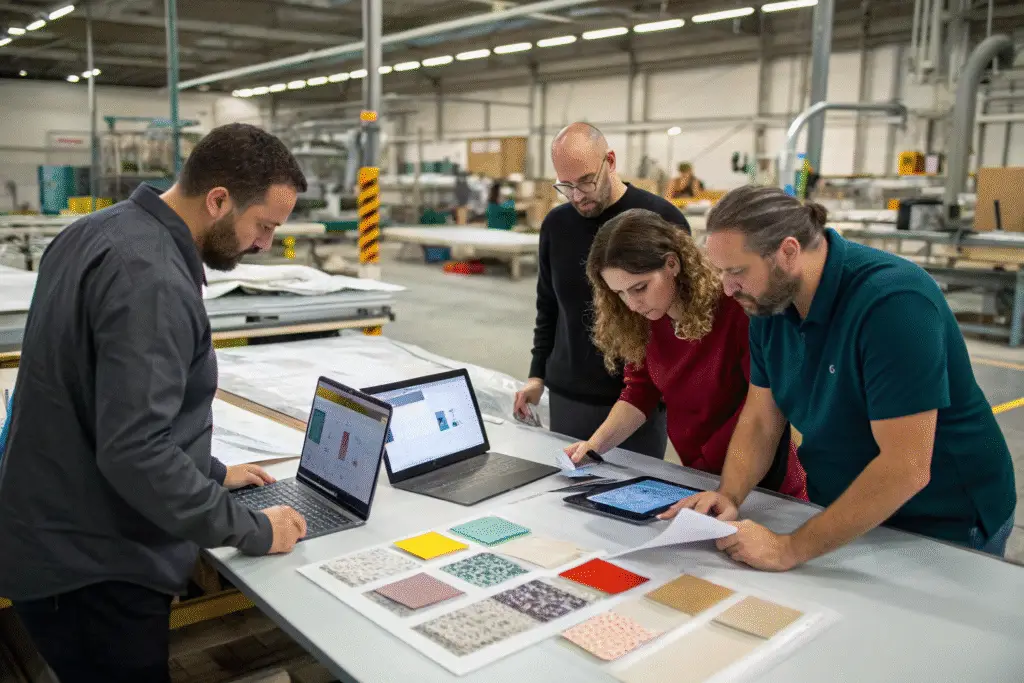
Vague sketches and scattered ideas lead to endless back-and-forth. A tech pack is your blueprint. It includes exact specs, stitching instructions, fabric weights, trims, sizing, and more. Factories like ours at Shanghai Fumao rely on these to deliver what you expect.
You can use tools like Techpacker or Clo 3D to develop precise visual and technical guidelines. The clearer the plan, the fewer costly mistakes.
How Does 3D Sampling Cut Prototyping Costs?
3D sampling lets brands visualize garments virtually before creating physical samples. Platforms like Browzwear can simulate fabric drape, fit, and movement.
This minimizes the need for multiple iterations, saving on both material and shipping costs—especially valuable for overseas sourcing. It also speeds up decision-making, keeping you ahead of seasonal trends.
Why Strategic Fabric and Trim Sourcing Matters for Cost Reduction
Fabric alone can account for 60% of a garment’s cost. Choosing wisely is one of the fastest ways to lower your spend—without compromising quality or brand appeal.
Sourcing from vertically integrated mills or using deadstock and pre-dyed fabrics can drastically lower your material costs.
Should You Work With Vertically Integrated Mills?
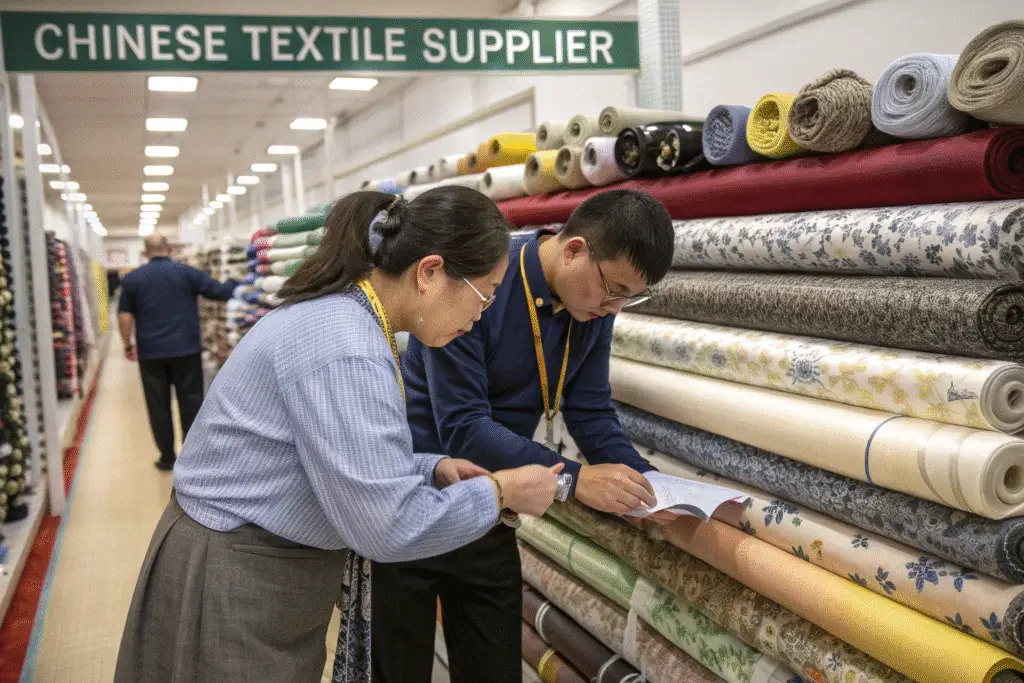
Absolutely. These mills handle spinning, weaving, dyeing, and finishing under one roof. This cuts out multiple layers of markup and speeds up turnaround.
At Fumao Clothing, we maintain strong relationships with such suppliers in China. For instance, Weiqiao Textile offers bulk cotton options at competitive prices without sacrificing quality.
What About Using Surplus or Stock Fabrics?
Surplus (deadstock) or pre-dyed roll stock fabrics are often sold below market rates. Websites like Queen of Raw connect brands with excess fabric inventories from top mills.
While choices may be limited, creative brands can make limited collections with high margins using these materials. It’s eco-friendly and budget-friendly—a win-win.
How Can Production Planning Reduce Waste and Downtime?
Production inefficiency is where most apparel brands lose money. Missed planning, idle machines, and overproduction cost more than many realize.
With lean production schedules, bundled styles, and pre-approved processes, you can reduce waste, improve efficiency, and stabilize your per-unit costs.
Does Style Bundling Save Money?
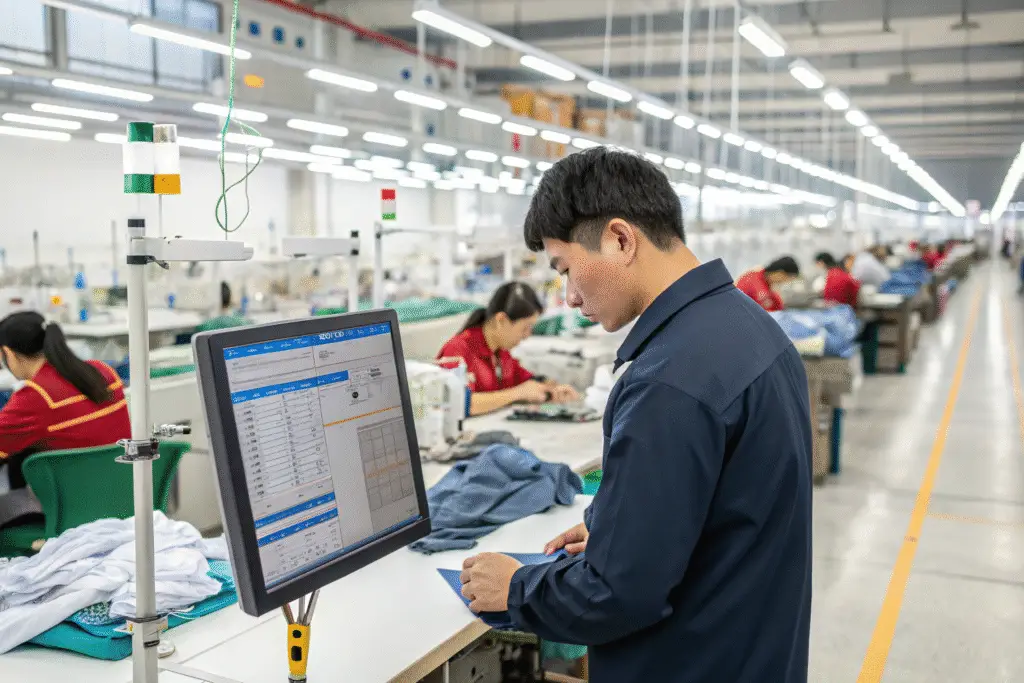
Yes. If you produce similar styles together—like t-shirts in different colors or skirts with similar silhouettes—you reduce setup time, pattern adjustments, and material changes.
This lowers operational complexity. Brands like Everlane implement this method to maintain consistency while controlling costs.
Why Is Factory Planning Alignment So Crucial?
When brands fail to align with a factory’s production calendar, it results in idle labor or rush fees. At Fumao, we encourage clients to book production slots 30–45 days in advance.
Tools like Katana help brands manage manufacturing timelines and coordinate better with suppliers.
What Logistics Tactics Lower Apparel Import Costs?
Shipping fees, delays, and customs issues often wipe out the savings brands made during production. But smart logistics tactics can reclaim control.
DDP shipping, consolidated freight, and pre-cleared customs processes lower risk and reduce landed cost per piece.
Is DDP Shipping More Cost-Effective?
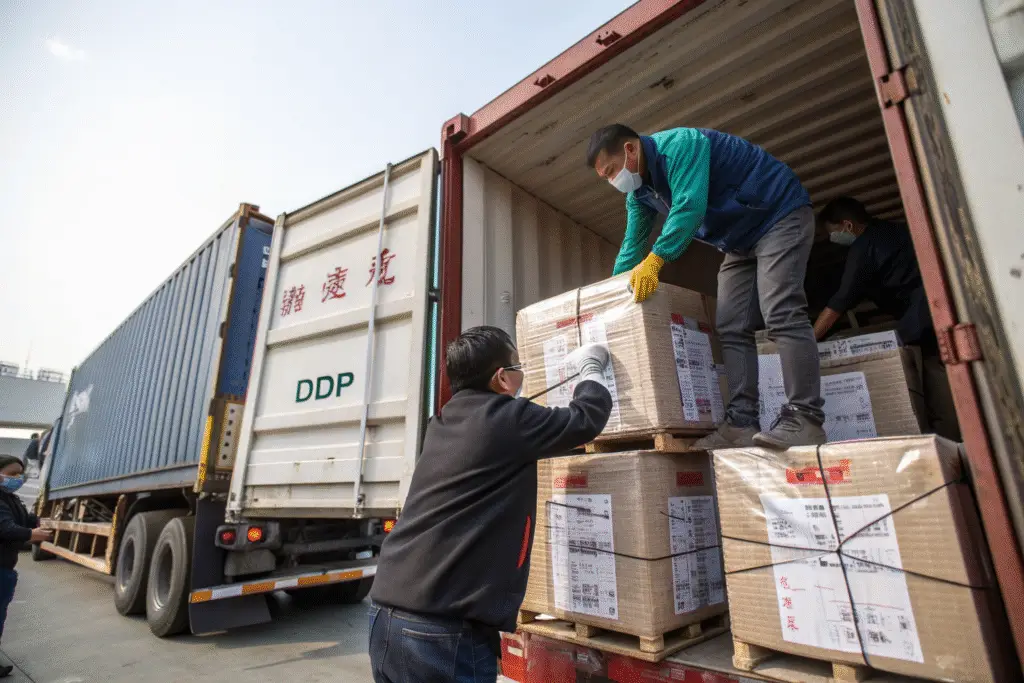
Yes. DDP (Delivered Duty Paid) puts the entire customs burden on the supplier. It simplifies your process and gives you a clear landed cost—avoiding surprise fees.
Freight forwarders like Flexport and GeeseCargo offer integrated DDP services with real-time tracking.
Can Consolidating Orders Help?
Definitely. If you order multiple SKUs, grouping them into one shipment reduces the per-item freight charge. It also improves import handling efficiency.
Warehousing partners like ShipBob support this model with fulfillment hubs across the U.S.
Conclusion
Reducing costs in custom clothing production isn’t about cutting corners—it’s about making every decision smarter. From early design stages to final delivery, there’s money to be saved at each link of your supply chain.
If you’re serious about building a profitable and scalable apparel brand, start applying the methods above. And if you want to work with a factory that values transparency, efficiency, and long-term partnerships—reach out to us at Shanghai Fumao.
We’d love to help you grow. Contact our Business Director Elaine at elaine@fumaoclothing.com to discuss your custom apparel manufacturing needs.