Finding trendy women’s wear at competitive prices can feel like chasing a moving target. With TikTok trends evolving weekly and retail markups squeezing margins, many U.S. fashion buyers struggle to balance style, speed, and savings — especially when sourcing overseas.
Sourcing trendy women’s apparel affordably requires a strategy that blends timing, supplier selection, and smart negotiation. Whether you’re a boutique owner or a large distributor, staying ahead of trends without overpaying is key to growth in 2025.
In this article, I’ll walk you through proven tactics we use with U.S. brands at Fumao Clothing to help them source on-trend women’s wear — from concept to container — while protecting their margins.
Where to Find Reliable Trend-Focused Suppliers?
You can’t source trendy apparel from just any supplier.
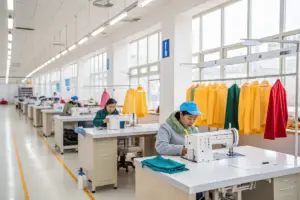
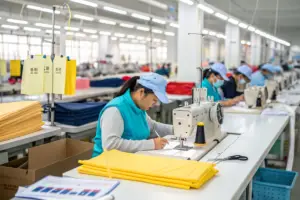
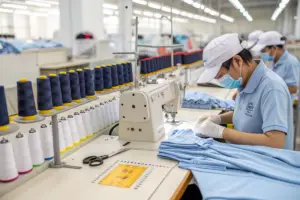
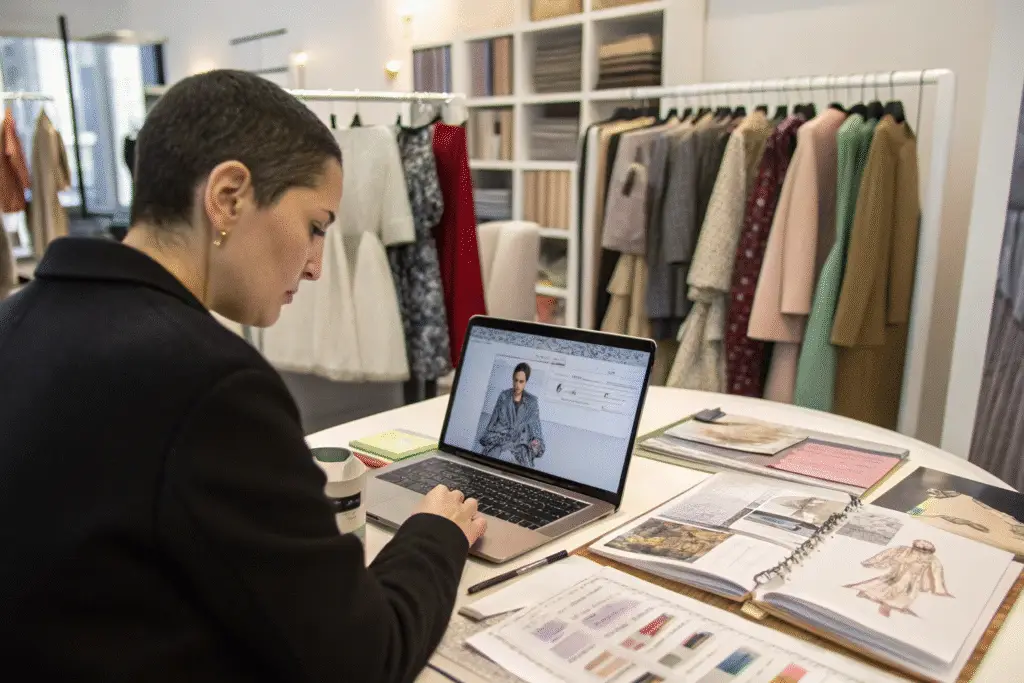
Look for manufacturers who stay plugged into fashion movements, update collections monthly, and offer flexible production models.
What Makes a Supplier "Trend-Capable"?
- Monthly or seasonal lookbooks
- In-house design support
- Ability to replicate inspiration images or tech packs
- Experience with fast-moving fashion platforms
Factories that understand Zara-style production cycles or serve e-commerce brands like Shein are more agile when it comes to chasing hot styles.
Ask for their latest bestsellers, not just a catalog from last year.
Where Should You Look?
- Alibaba – Use filters for "Ready to Ship" and "New Arrivals"
- Global Sources & FashionGo – For vetted suppliers
- Canton Fair or CHIC – China-based trade shows featuring women's wear
- LinkedIn & Instagram – Many Chinese garment makers now share collection drops online
At Fumao Clothing, we launch monthly micro-collections for our buyers to preview and customize — allowing them to pick what’s trending now, not three months ago.
How to Negotiate Lower Prices Without Compromising Quality?
Everyone wants high fashion at low prices — but there’s a smart way to achieve that.
Cost isn’t just about price per piece — it’s about controlling inputs, simplifying construction, and optimizing the order strategy.

What Factors Affect Pricing the Most?
| Factor | Cost Impact | Strategy |
|---|---|---|
| Fabric choice | High | Use deadstock or local substitutes |
| Trims & hardware | Moderate | Use YKK-alternative zippers, fewer buttons |
| MOQ | High (for small orders) | Batch similar styles to reach quantity |
| Complexity | High | Reduce panels, simplify neckline |
For example, swapping out a silk-look polyester for a matte satin can reduce unit costs by 30% with no noticeable difference in appeal.
How Should You Structure Negotiation?
Instead of asking “Can you lower the price?” — try:
- “What fabric substitutions will reduce price by 15%?”
- “If I combine 3 styles in one PO, can I unlock your 1,000-pc price?”
- “Can we reduce trims to make it more cost-effective?”
Suppliers appreciate buyers who respect product logic. Tools like Techpacker can help you present spec changes clearly.
How to Stay On-Trend Without Overproducing?
In 2025, brands win by testing trends — not betting everything on a single one.
Small batch production and micro-drops let you test styles affordably before committing to high volumes.
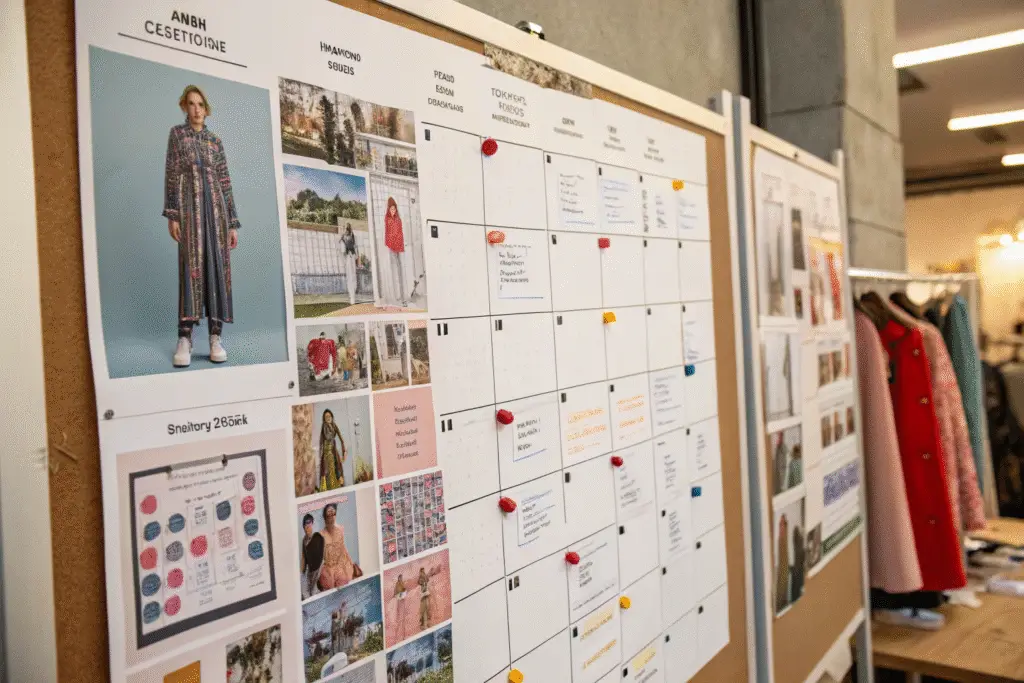
What’s a Good Micro-Drop Strategy?
- Release 3–5 styles every 2–3 weeks
- Produce 100–300 pcs per style to test
- Gather sales data and scale only top performers
This minimizes inventory risk and improves sell-through, especially when paired with real-time social media feedback.
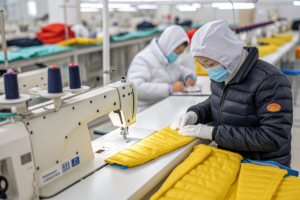
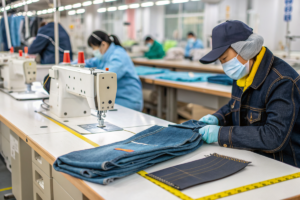
Use sourcing platforms or suppliers that support low MOQ manufacturing with fast lead times — like Fumao, where we support 100–200 pcs per color for test orders.
How Can You Track What’s Trending?
- Google Trends – Compare style keywords
- WGSN & Trendalytics – Paid forecast tools
- Pinterest Predicts – Early style signals
- TikTok fashion hashtags – Watch rising styles
You can also ask suppliers for top-performing cuts in the past 60 days, especially if they ship to the U.S. or EU markets regularly.
What Fabric Choices Help Cut Costs Without Losing Style?
Fabrics make up 60–70% of the cost in many women's wear styles.
Using stylish but affordable fabric options is a strategic way to maintain on-trend looks without inflating costs.
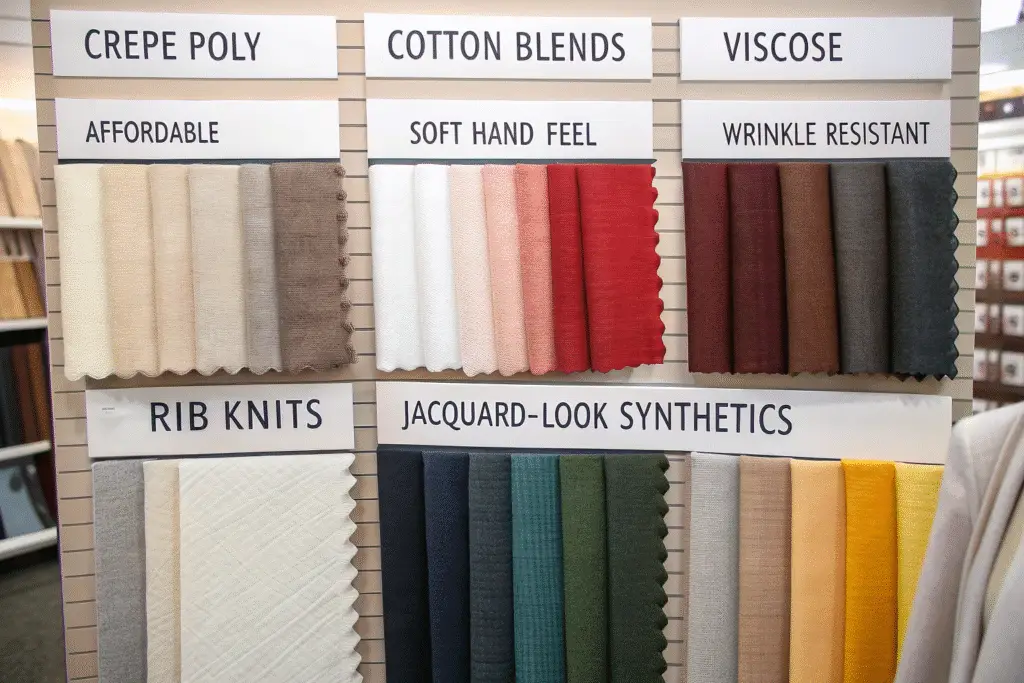
What Are the Most Popular Low-Cost Fabrics in Women’s Wear?
- Polyester crepe – Flowy with drape, ideal for blouses
- Cotton-poly blends – Breathable but price-stable
- Ribbed knits – Stretchy, great for crop tops and bodycon
- Brushed fleece – Used in loungewear and co-ords
- Viscose substitutes – Cheaper drape without shrink issues
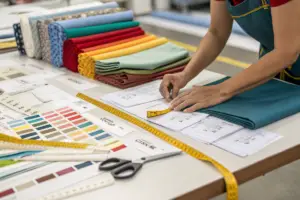
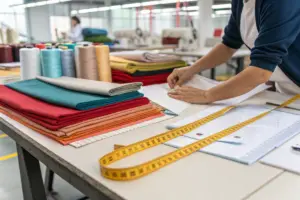
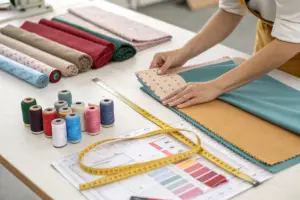
Always request a fabric book or swatch card from suppliers before production. At Fumao, we update our seasonal fabric board every 30 days — including in-stock and low-MOQ rolls.
Should You Avoid All Premium Fabrics?
Not at all. Just use them where impact is highest — like:
- Statement outerwear
- Occasionwear
- Brand-defining silhouettes
For base-layer tops, consider substituting with digital prints or laser-cut detailing to mimic a premium look using mass-market fabric.
Conclusion
Sourcing trendy women’s wear at competitive prices isn’t about finding the cheapest supplier — it’s about strategic alignment. From choosing agile, trend-ready factories and using cost-effective fabrics to negotiating MOQ-friendly drops and watching trends closely, you can build collections that look premium but deliver healthy margins.
At Shanghai Fumao Clothing, we work with emerging and established brands alike to deliver on-trend women’s apparel that’s fast, flexible, and factory-direct. From fabric curation to design translation and DDP shipping, we simplify every step of your sourcing journey.
Ready to scale your women's wear line profitably? Contact our Business Director Elaine at elaine@fumaoclothing.com and let’s develop your next winning collection.