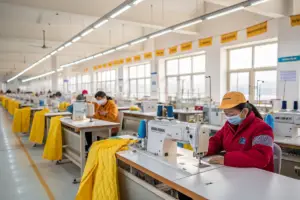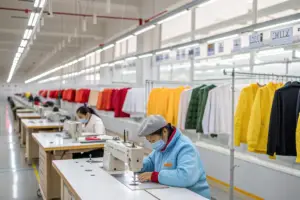
Sourcing apparel overseas brings cost advantages — but poor communication can wipe out those savings fast. Misunderstood emails, vague timelines, and unclear quality expectations often lead to delayed deliveries and production errors. You’ve likely been there, frustrated by long response times or broken promises.
Streamlining communication with your overseas suppliers isn’t just possible — it’s essential for profitable and scalable apparel importing. From choosing the right platforms to refining how you send tech packs, small changes can bring massive results.
In this article, I’ll show you how we at Fumao Clothing maintain clear, proactive communication with U.S. brands. These strategies can help you avoid costly mistakes, prevent shipment delays, and build trust-based partnerships with your factory overseas.
What Tools Should You Use to Improve Communication?
When email chains get long and messy, delays pile up.
Using the right mix of tools — from live chat to collaborative docs — can centralize updates and reduce confusion.

Which Apps Are Most Effective for Daily Updates?
Many U.S. importers default to email, but modern supplier communication requires faster tools. For real-time check-ins:
- WhatsApp – Ideal for sending factory images and updates
- WeChat – Popular with Chinese vendors for live replies
- Zoom or Google Meet – For face-to-face calls and onboarding
Pair these with cloud tools like Google Sheets or Notion to share live order statuses and production tracking sheets.
Instead of sending updated Excel files repeatedly, use shared cloud folders for:
- Tech packs
- PO confirmations
- Fabric approvals
- Shipping labels
Tools like Dropbox or OneDrive ensure everyone is looking at the same file version — even across time zones.
How Can You Make Instructions Clear for Non-Native Speakers?
English might be the global business language — but that doesn’t guarantee understanding.
Simplified language, visuals, and confirmed instructions reduce costly misunderstandings.

What’s the Best Way to Format a Tech Pack?
Avoid writing long, dense paragraphs. Instead, break instructions into parts:
- Fabric type & GSM
- Stitching method
- Trim placement
- Pantone colors
- Packaging layout
Include visual references. Tools like Techpacker let you build visual tech packs that factories understand better than plain documents.
Should You Translate Key Messages?
Yes, especially for first orders. You don’t need to translate everything, but having key phrases translated like:
- “Use only approved trims”
- “No size deviation over 1cm”
- “Ship before this date”
You can use DeepL or ask your supplier to confirm with their team. Clarity avoids conflict.
How Often Should You Check In During Production?
You don’t need to micromanage — but don’t go silent either.
A predictable check-in schedule keeps production on track and reassures both sides.
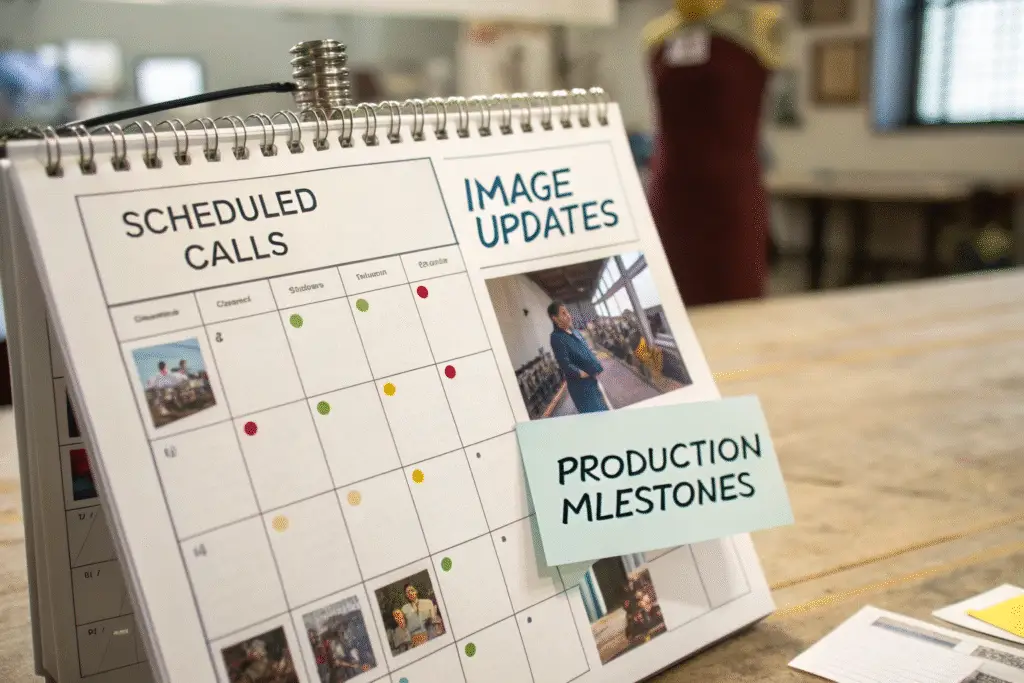
What’s a Good Communication Schedule?
For bulk orders, we recommend:
- Kickoff call – Align expectations, confirm timeline
- Mid-production update – Receive images/videos of WIP (work in progress)
- Pre-shipment check – Final QC, packaging proof, shipping label confirmation
Request weekly photo updates, especially for color matching or label placement. Tools like Slack or ClickUp help create shared workspaces.
How Do You Escalate When Something Goes Wrong?
If delays occur or sample quality isn’t right:
- Document the issue with photos/videos
- Confirm understanding in writing (email recap)
- Ask for a solution timeline
- Escalate to the factory manager if unresolved
Factories respect clear, assertive, respectful communication — especially when it’s backed by documentation.
How Can You Build Long-Term Communication Habits?
Strong communication isn’t built in a single order.
Consistency, documentation, and mutual respect help create a shared working rhythm — even across oceans.

Why Is Recapping Each Call or Email Important?
After each major discussion, send a short recap email:
- What was agreed
- Who is responsible
- Deadline
- Next step
This is especially important if teams change or if there's a language barrier. Recaps protect both sides and eliminate ambiguity.
Use templates or CRM tools to systematize this.
How Do You Train Suppliers to Communicate Better?
You can’t change their culture, but you can model expectations:
- Be punctual in calls
- Use bullet points and visuals
- Respect their local holidays and hours
- Praise clear communication
When suppliers see that structured communication leads to smooth production, they’ll adopt the same discipline — even with other clients.
Conclusion
Great communication is the real currency in global apparel sourcing. From simplifying instructions and using visual tools to setting expectations early, your ability to collaborate across borders can unlock smoother deliveries and stronger partnerships. At Fumao Clothing, we understand the time-zone, language, and production challenges U.S. brands face. That’s why we’ve built a bilingual, proactive team that bridges every communication gap — so you don’t have to.
Ready to streamline your supply chain with a factory that truly communicates? Email our Business Director Elaine at elaine@fumaoclothing.com and experience transparent, efficient collaboration from day one.