If you’re importing apparel into the United States, you're not just sourcing fabric and stitching — you're navigating a maze of certifications. One wrong step could lead to delays, seized shipments, or reputational damage. Many U.S. buyers, especially brand owners, underestimate just how much third-party compliance matters.
The right certifications protect your brand, streamline customs clearance, and give your customers the safety assurances they expect. In this guide, I’ll break down which certifications are essential, which are buyer-optional, and how you can verify them before production even begins.
For serious importers, this is no longer a “nice to have” — it’s a business-critical process that determines your long-term competitiveness in the U.S. fashion market.
What Are the Most Critical Certifications for Apparel Imports?
Compliance can’t be an afterthought when shipping to the U.S.
Certifications like OEKO-TEX, GOTS, and WRAP are now baseline expectations for retailers and consumers.

Why Do U.S. Retailers Demand OEKO-TEX and GOTS?
OEKO-TEX® Standard 100 confirms garments are free from harmful chemicals. It’s often required by buyers to ensure textile safety for all skin types, especially in children’s wear.
GOTS (Global Organic Textile Standard) is the gold standard for organic apparel. U.S. buyers use it to market ethical, eco-friendly clothing. To use the “organic” label in retail, you often need this GOTS Certification.
What Makes WRAP and BSCI Essential for Ethical Sourcing?
WRAP (Worldwide Responsible Accredited Production) and BSCI (Business Social Compliance Initiative) are audits for working conditions and fair labor practices. They are vital for buyers working with department stores or large retail chains.
Without these, your shipment might be fine legally, but you risk being dropped by clients who have ESG or CSR sourcing mandates.
How Can Certifications Speed Up Customs Clearance?
Certifications do more than impress buyers — they streamline border processes.
Certified shipments face fewer delays at U.S. customs and reduce risk of inspection or fines.

How Do Customs Officials View Certified Shipments?
When shipments are flagged for inspection, having recognized certifications can help. U.S. CBP (Customs and Border Protection) respects third-party documents like:
- OEKO-TEX or GOTS for textile safety
- ISO 9001 or ISO 14001 for factory process and environmental management
- ASTM standards for fabric performance
These documents show that you’ve followed proper due diligence before export.
Can Certifications Replace Import Licenses?
No — they complement them. You still need HTS classification, country-of-origin markings, and possibly a Textile Declaration Form (Form 3227).
However, when certifications are attached to your shipment’s commercial invoice and packing list, customs brokers move your paperwork faster.
What Are Buyer-Specific vs. Regulatory Certifications?
Not all certifications are enforced by law — but that doesn’t make them optional in practice.
There are two types of certifications: regulatory and buyer-imposed. You’ll often need both to satisfy the entire supply chain.

Which Certifications Are Legally Required for U.S. Imports?
Some of the mandatory compliance regulations include:
- CPSIA for children’s products (lead content, phthalates)
- California Prop 65 for chemical exposure labeling
- Flammability Standards (16 CFR Part 1610) for adult and kids' clothing
If you’re selling to California, you must comply with Prop 65. If you’re targeting the baby clothing market, CPSIA compliance is non-negotiable.
What Certifications Do Big Buyers Expect?
Even when not required by law, big buyers often insist on:
- Fair Trade Certified
- PETA-Approved Vegan
- GRS (Global Recycled Standard)
- Sedex (SMETA audits)
These help position their brand as sustainable and socially responsible. If you lack them, you might not even make it to their vendor shortlist.
How Do You Verify That a Factory's Certifications Are Real?
Fake certificates can destroy trust — and your business.
It’s your job to verify that any factory certifications are current, authentic, and relevant to your product.

What Are Common Red Flags in Fabric Certifications?
Some shady suppliers show expired or fake documents. Watch out for:
- Certificates with incorrect company names
- Missing certification numbers
- Photoshop edits or inconsistent seals
- Lack of certificate expiration or audit dates
Always ask for the certificate number and cross-verify it on the issuing organization’s website. For example, check GOTS here.
How Do You Conduct a Simple Factory Audit?
You don’t need to fly across the world. Request:
- Factory's certification scan with audit dates
- Photos of posted compliance posters (fire exits, labor laws)
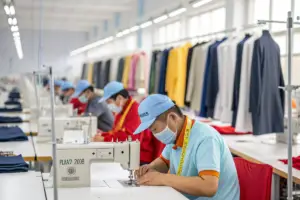
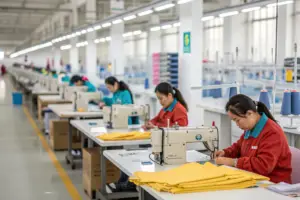
- Video tours or virtual audits
- Third-party references (previous buyers)
Or use platforms like QIMA or Intertek to do factory inspections for you.
Conclusion
Certifications are more than just stamps on paper — they’re your ticket to building trust with retailers, complying with U.S. regulations, and delivering real value to customers. From OEKO-TEX to CPSIA, knowing what each certificate means and how to verify it can be the difference between scaling your brand and watching it stall at the port.
At Shanghai Fumao Clothing, we take compliance seriously. Our partner factories are routinely audited and hold globally recognized certifications that meet both regulatory and ethical sourcing standards. Whether you're sourcing eco-friendly fabrics or preparing to launch a kidswear line in the U.S., we can help you navigate the certification maze confidently.
Contact our Business Director Elaine at elaine@fumaoclothing.com today to start your certified apparel production journey with Fumao.