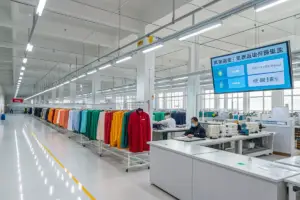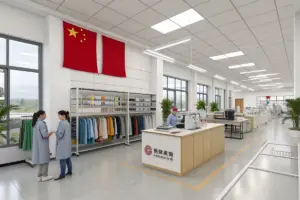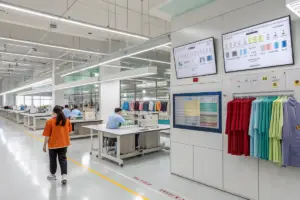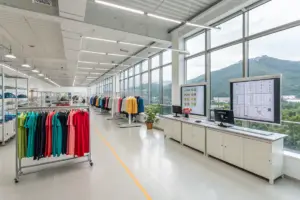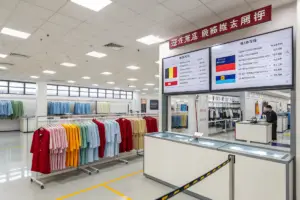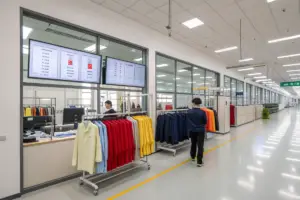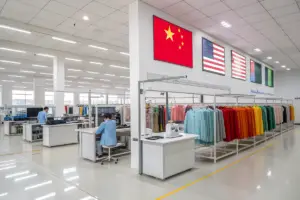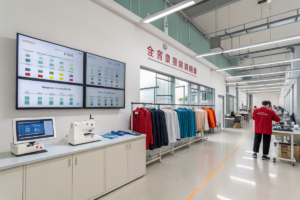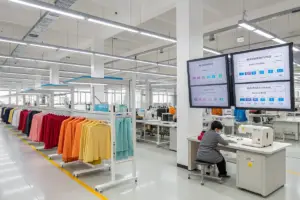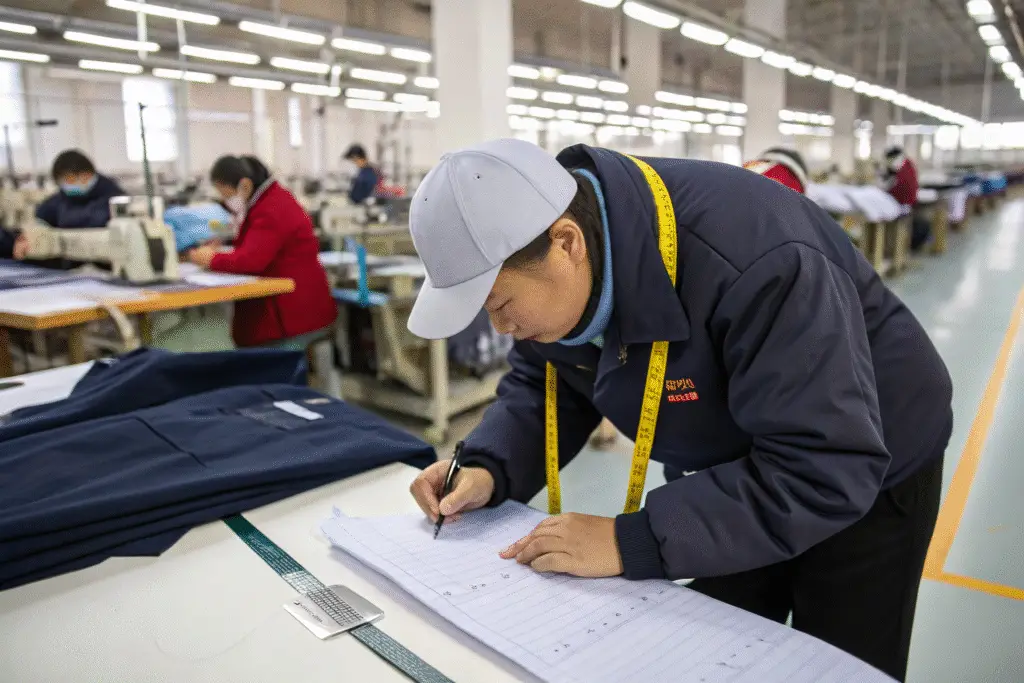
In the world of garment production, cutting corners on quality control (QC) is like driving a car without brakes. No matter how trendy your designs or how competitive your prices, if your quality fails — your brand reputation takes the hit.
Quality control is not just a final step — it’s an embedded process. From fabric inspection to final packaging, QC ensures that your garments meet the standards promised to your customers. It prevents product returns, protects your image, and builds trust in your brand.
This article walks you through why QC is non-negotiable in garment production and how to set up a system that saves time, money, and your business.
What Are the Main Types of Quality Control in Apparel?
Understanding quality control means knowing where and how it happens across the garment production journey.
What Is Pre-Production Quality Control?
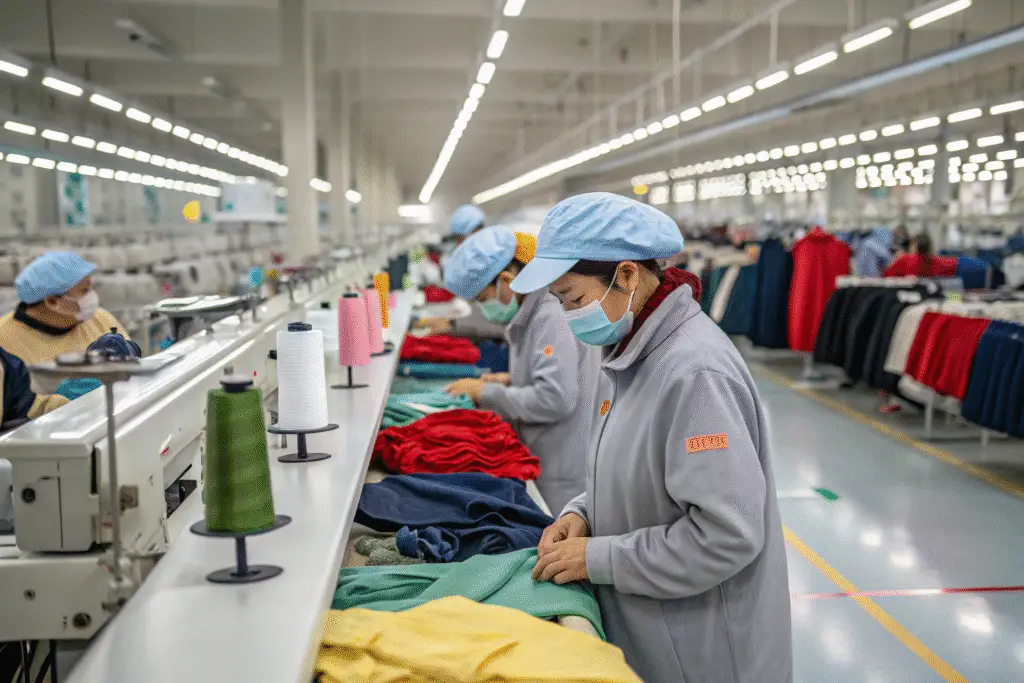
Pre-production QC starts before the first stitch is sewn. It includes checking raw materials like fabric shrinkage, colorfastness, and GSM. If a supplier fails to catch off-shade dye lots or irregular textures, the whole batch may get rejected.
At Fumao, we use ISO standards and tools like 4-point inspection systems for fabric rolls. For organic or recycled materials, we verify GOTS or GRS certificates before bulk cutting begins.
Skipping this step often results in inconsistent sizing or garment deformation after washing.
Why Is In-Line QC So Important During Sewing?
In-line quality control means checking garments during assembly — not after. This includes inspecting seams, stitch density, and symmetry before the garments leave the sewing lines.
Many factories apply AQL standards (Acceptable Quality Limit), such as AQL 2.5 or 1.0, to assess quality frequency. By solving issues mid-process, rework costs and delivery delays can be avoided.
We’ve seen brands lose entire PO volumes just because one shoulder seam didn’t align properly across the batch.
What Problems Happen When QC Is Neglected?
When QC is weak or skipped, the fallout is real — from rejected shipments to store returns, and worse, negative online reviews that damage the brand.
How Do Defects Impact Brand Reputation?
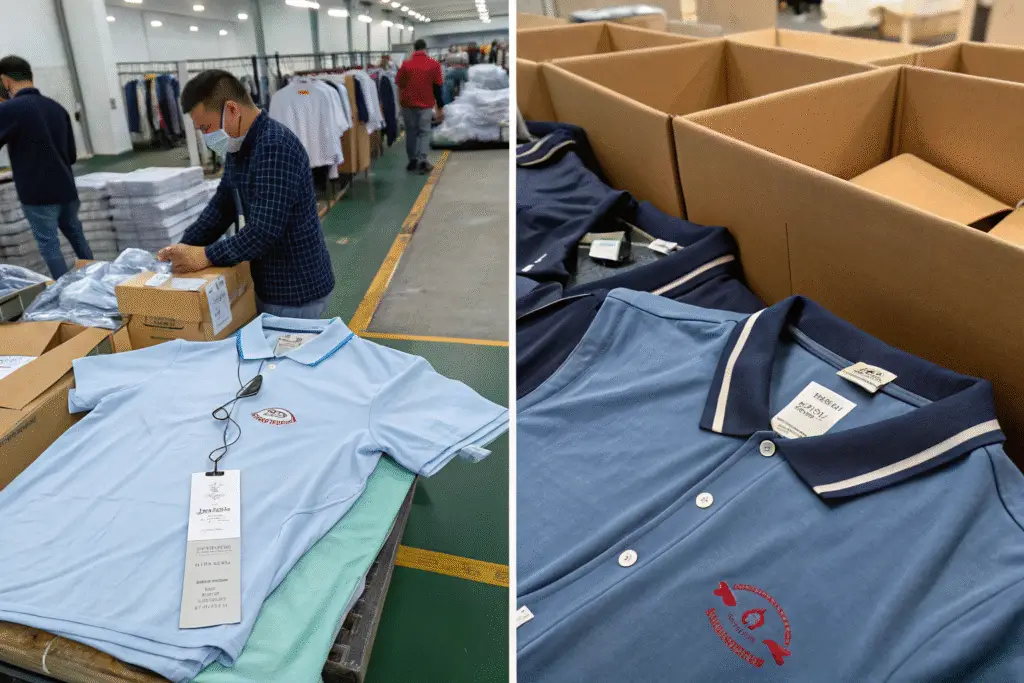
If customers receive garments with open seams, off-spec sizing, or inconsistent logos, they’re likely to leave a bad review or return the product. This not only costs you money but also erodes trust in your brand.
For example, failing to spot sizing issues can lead to Amazon seller suspensions. Brands also face penalties from retailers who reject non-compliant inventory.
The long-term damage is reputational — your once-growing brand may become known for poor quality.
Can Lack of QC Lead to Legal and Compliance Issues?
Yes, especially in regulated categories like kidswear or activewear. Failure to follow safety standards like CPSIA for children’s apparel can lead to recalls or even lawsuits.
For performance garments, failing to meet functional claims (e.g., moisture-wicking, fire retardant) may result in FTC complaints.
At Fumao, we use lab testing and third-party inspections to ensure compliance — not just appearance.
How Can You Implement Effective QC as a Buyer?
You don’t need to be in the factory every day to enforce quality control — you just need the right process and communication.
Should You Request a QC Protocol Before Production?
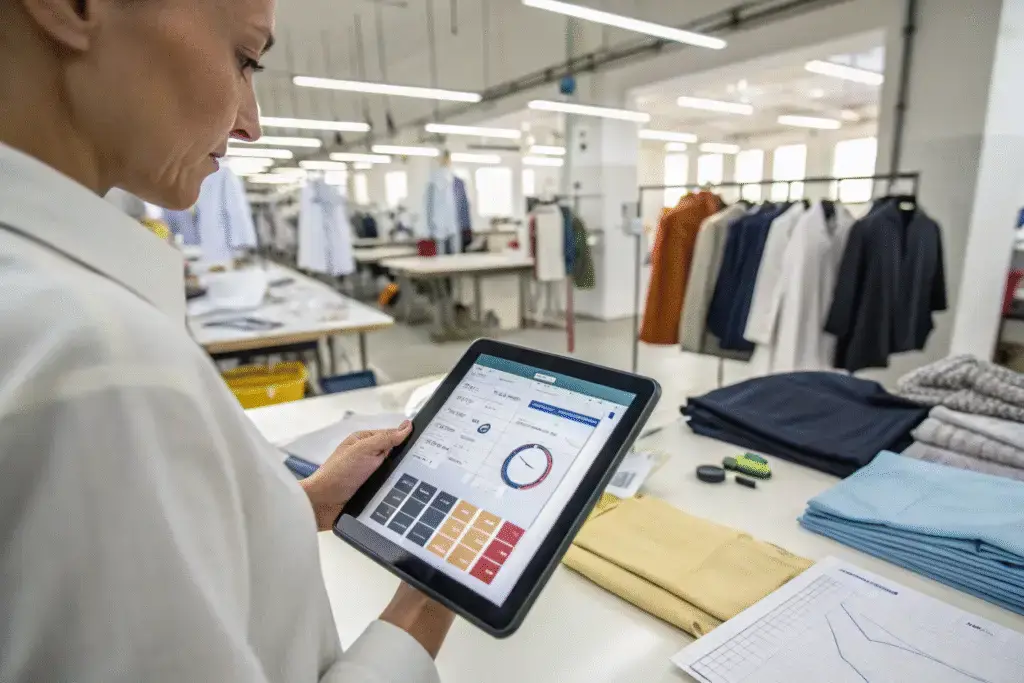
Always. A QC protocol outlines what measurements, visuals, packaging, and label checks must be passed. This should be part of your purchase order terms, ideally attached with spec sheets and garment construction details.
Ask your supplier to follow global templates from firms like Intertek or SGS. If needed, send your own checklist for them to adopt.
Clarify critical-to-quality elements (e.g., logo size, button type, stitch type) from the beginning.
Can You Use Third-Party QC Firms as Backup?
Yes — and it’s strongly recommended for first orders. Platforms like QIMA or AsiaInspection let you book final QC audits by category, factory, or even per-piece.
These auditors generate AQL reports with pass/fail scoring, photos, and defect notes. Buyers often use these reports for payment release decisions or rework requests.
They’re especially useful if you’re managing production remotely or sourcing from multiple suppliers.
What Are the Best Practices for Final Inspection and Packing QC?
Final inspection is the last line of defense before garments leave the factory. Don’t assume everything is fine just because the bulk looks good.
What Should Be Checked Before Packing?
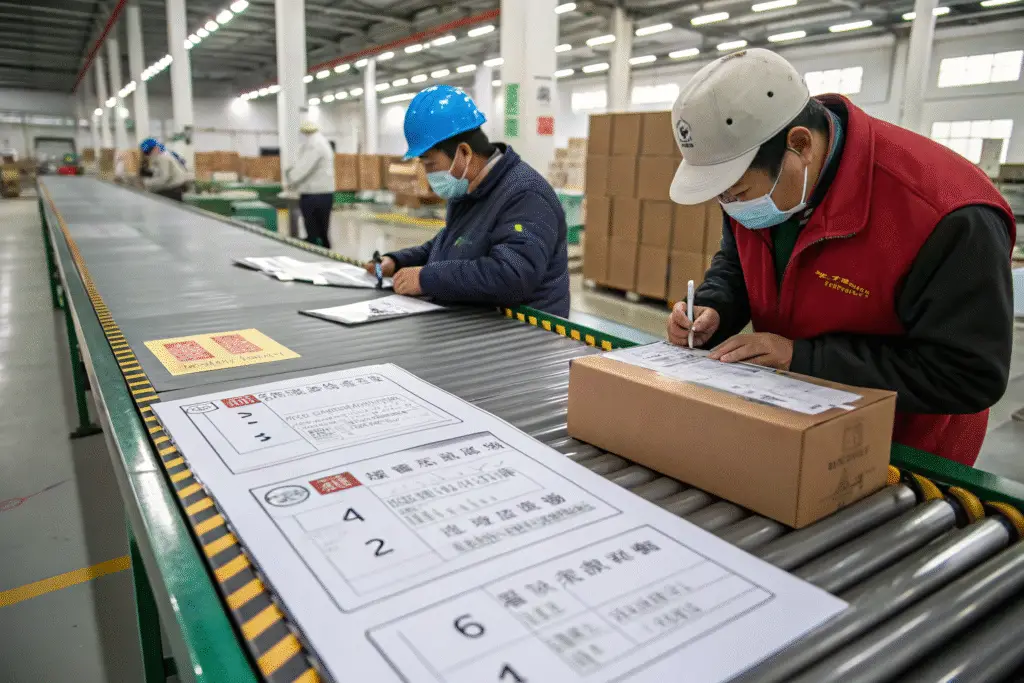
Final QC must verify:
- Accurate size labeling
- Hangtag and barcode placement
- Color matching vs approved PPS
- Folding and polybag quality
- Correct carton dimensions and weights
We recommend requesting a pre-shipment report including product photos, master carton images, and random AQL pull results.
Check out Amazon’s FBA packaging rules if you’re selling on their platform.
How Do You Handle QC Failure or Rework?
If the inspection fails, decide whether to rework, discount, or cancel. For small defects (e.g., loose threads), rework is easy. For sizing or printing issues, re-manufacturing may be required.
Agree on who pays for rework and how it affects lead time. Some factories delay shipping due to QC rejection — but if your terms are clear, they’ll prioritize fixes.
Use clear rejection templates like those offered by Export Genius for rejections and documentation.
Conclusion
In garment manufacturing, quality is non-negotiable. It affects brand perception, compliance, profit margins, and customer loyalty. The earlier you embed quality control in your sourcing and production cycle, the fewer problems you’ll face down the line.
At Fumao Clothing, we prioritize QC at every step — from fabric testing to final packaging inspection. Our U.S. brand partners trust us to deliver consistent quality, every time. Want to build a worry-free supply chain with rock-solid QC? Contact our Business Director Elaine at elaine@fumaoclothing.com to start your custom production journey with confidence.