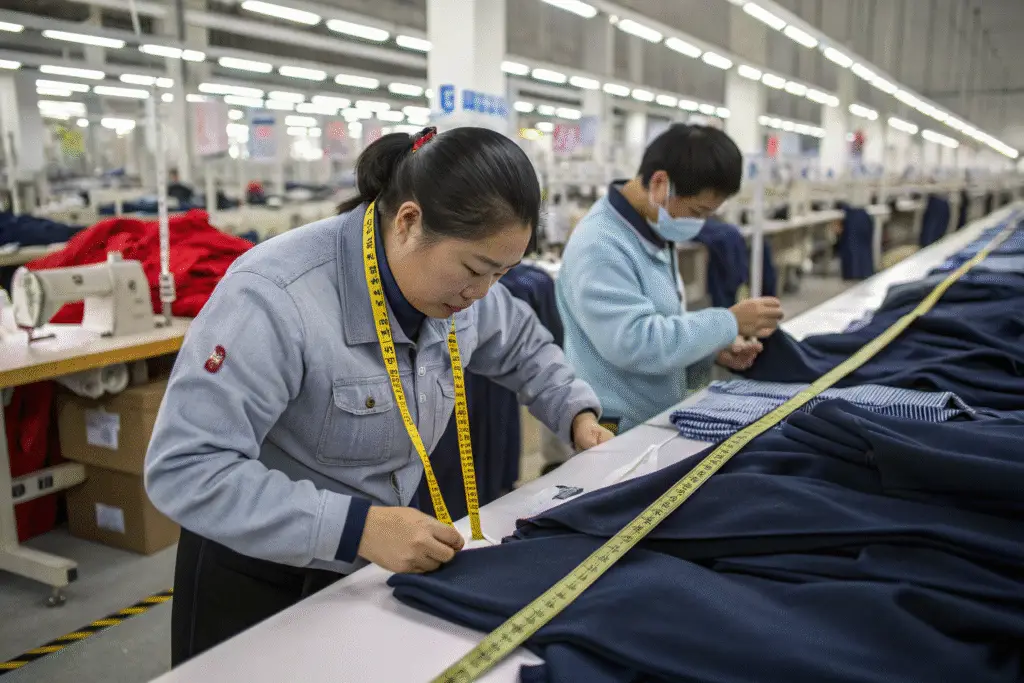
One of the most frustrating issues in apparel manufacturing is inconsistent fit across production batches. For brand buyers like Ron, even a 0.5 cm deviation can lead to returns, bad reviews, and broken trust with customers. Whether you're producing women’s loungewear, men's shirts, or kids’ uniforms, ensuring fit consistency is essential for scale and brand reputation.
Perfect fit consistency across multiple garment production runs can be achieved through detailed size spec development, consistent grading, digitized pattern control, and precise quality inspections at both pre-production and final stages.
This guide reveals how we at Fumao Clothing help global buyers standardize fit across seasons and factories—saving costs and ensuring loyal repeat purchases.
What Role Do Tech Packs Play in Fit Consistency?
Getting the fit right starts long before fabric is cut. Your tech pack is your blueprint—and sloppy specs lead to flawed outcomes.
A complete and clear tech pack with accurate measurements, construction notes, and tolerances is the foundation for consistent garment fit across factories and time.

What Should a Fit-Focused Tech Pack Include?
At minimum, it should contain:
- Flat sketches with front/back views
- A full measurement table with POM (points of measurement)
- Tolerances per size (e.g., +/– 0.5cm for bust)
- Graded specs for each size
- Fabric shrinkage notes
- Fit reference photos or previous samples
Tools like Techpacker and Clo3D help brands create digital tech packs that are easy to revise and share with factories.
Why Do Measurement Tolerances Matter?
Without listed tolerances, factories don’t know your quality boundaries. For example, if your hip measurement is 98cm and there’s no stated margin, a 1cm deviation could pass QA—until it hits retail returns.
At Fumao, we align tolerances with ASTM D6193 and confirm with the buyer before cutting.
How Important Is Grading Control for Multi-Size Consistency?
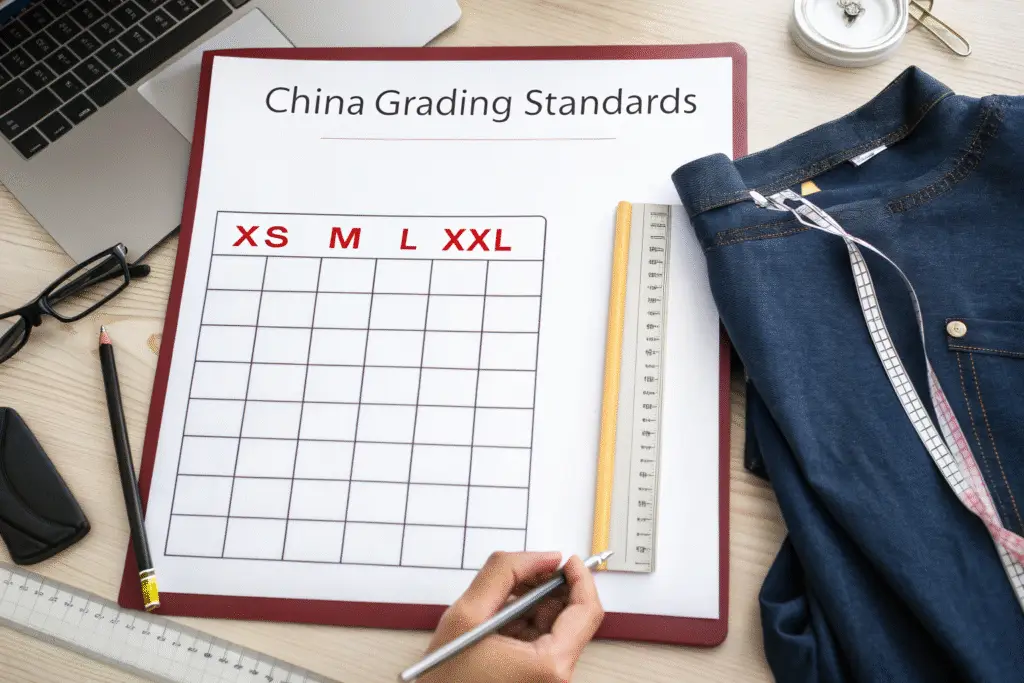
Grading defines how your base size scales into XS, M, L, or XXL. Poor grading leads to inconsistent fit across sizes—even if your samples are perfect.
To ensure fit consistency across sizes and batches, pattern grading must be done digitally, standardized, and aligned with brand-specific body models.
What’s the Risk of Manual Grading?
Manual grading using paper templates is prone to shifting, rounding errors, and inconsistent increments. Small mistakes across 10–12 POMs can snowball into poor fit, especially for slim silhouettes.
We use Gerber AccuMark for all pattern grading, locking grade rules so every batch mirrors the last.
How Can Brands Lock in Their Grade Rules?
Once you've approved base size and grade increments, save it as a “Grade Library.” This becomes your permanent standard. Each time you launch a new style with similar fit, you can reuse or adjust from that base—ensuring shape and comfort stay on-brand.
Clients like Ron use grade libraries to manage seasonal consistency even when switching fabrics or factories.
What QA Processes Catch Fit Deviations Before They Ship?
Measurement issues often go undetected until customers complain. That's why fit-focused quality checks must be embedded at multiple stages.
In-line and final inspections using AQL and POM-based measurement charts are essential to catch deviations early and maintain batch-to-batch fit consistency.
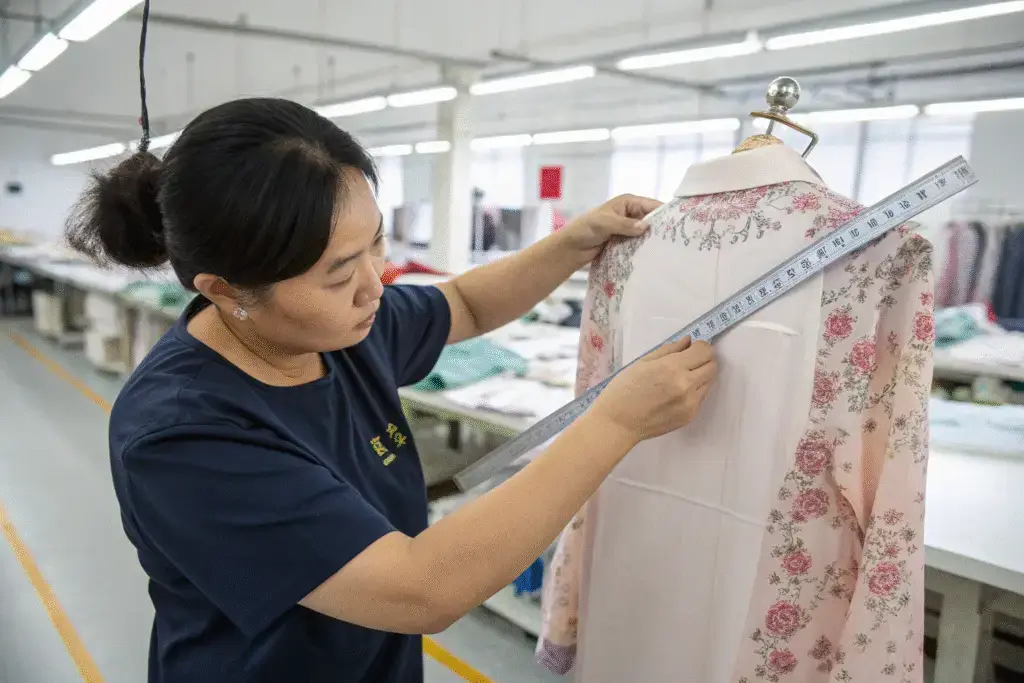
How Does Inline QA Prevent Fit Errors?
Our inspectors measure 1–2 garments per size every 100–150 pcs, checking:
- Bust/chest width
- Waist and hip width
- Garment length
- Sleeve or inseam
- Tolerance compliance
Using AQL 2.5/4.0, we mark defects early and alert production managers. Platforms like QIMA can also be hired for 3rd-party QA.
What’s Included in Final Measurement Reports?
Each bulk shipment includes a Final Inspection Report, detailing:
- Measured sizes vs spec
- Pass/fail per tolerance
- Visual documentation
- Comments on bulk uniformity
We also archive these reports to compare future productions and analyze deviation trends.
How Can Digital Tools Maintain Fit Consistency Over Time?
Even with perfect first production, human error or factory changes over time can break fit consistency. The solution: digital control and version history.
Digital pattern libraries, spec history, 3D fit simulations, and factory feedback logs help brands manage fit consistency across time, teams, and product lines.

Can 3D Sampling Improve Long-Term Fit?
Yes—3D sampling using Browzwear or CLO helps simulate garment fit and stress points before bulk cutting. It’s ideal for checking drape, stretch, or construction lines across sizes.
For repeat buyers, we simulate 3D fit changes before any style update. This saves sampling cost and prevents grading drift.
Why Keep a Fit History Database?
A central log of specs, QA results, and factory performance helps brands diagnose patterns. If a certain mill tends to overshoot shoulder widths, we flag it in future POs.
At Fumao, we provide Google Sheets dashboards comparing past vs current runs, allowing buyers to instantly track fit evolution.
Conclusion
Maintaining fit consistency across multiple productions isn’t luck—it’s process. With tech pack accuracy, grading discipline, measurement-based QA, and digital tracking, you can deliver great fit season after season.
At Fumao Clothing, we help brands like yours standardize sizing across factories and years. If you’re scaling up and want bulletproof fit tracking, contact our Business Director Elaine at strong>elaine@fumaoclothing.com</strong. Let’s build apparel your customers trust every time they try it on.