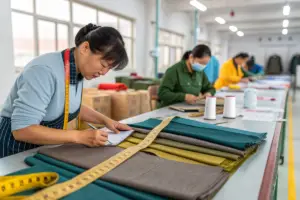
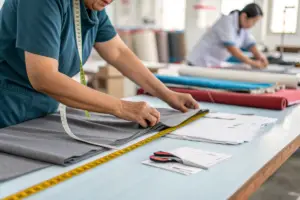
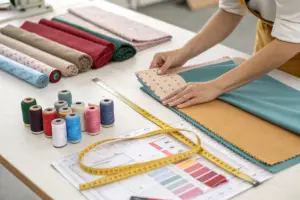
Contrast stitching turns ordinary garments into statement pieces. But for apparel manufacturers like us, it adds complexity in design alignment, thread tension, and quality control. At Fumao Clothing, we work with many American buyers who demand this style to set their collections apart—especially in activewear, streetwear, and kids' lines.
To manage contrast stitching production efficiently, brands and manufacturers must collaborate closely on thread selection, sewing precision, QA processes, and batch consistency—especially when selling to detail-sensitive markets like the U.S. and Europe.
Whether you're producing polos with standout seams or denim jackets with exposed triple-needle contrast, this article will guide you through how we help U.S. buyers like Ron hit both visual impact and production reliability.
What Thread Types Are Best for Contrast Stitching?
The textile waste problem has created opportunity. Post-consumer clothing and post-industrial scraps have become the raw gold of upcycled fashion.
The best thread choices are polyester core-spun and bonded nylon threads in vibrant shades with high abrasion resistance and excellent dye fastness.

Why Is Polyester Core-Spun Thread a Smart Choice?
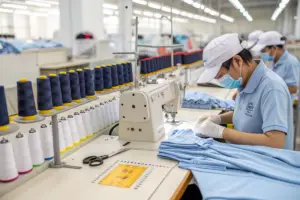
Polyester core-spun thread offers strength, elasticity, and high color retention even after multiple washes. Brands like Coats and A&E Threads supply global-standard options used by factories like ours.
At Fumao, we pre-test contrast thread shades for wash colorfastness and UV resistance—especially for activewear lines heading to summer collections in California and Florida.
How to Handle Thread Color Matching for Contrast Designs?
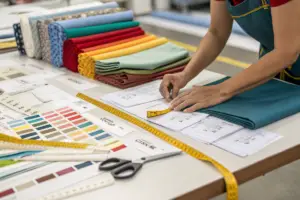
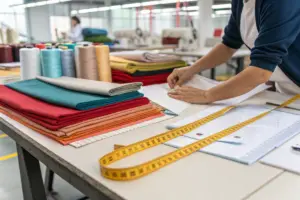
While contrast implies "stand out," poor shade matching ruins aesthetics. We follow Pantone TCX shade swatches and conduct real-stitch tests on production fabric.
We also advise buyers to pick two contrast shades only per SKU to control thread ordering and minimize color misalignment across runs.
What Stitching Techniques Ensure Clean, Even Contrast Lines?
Thread alone isn’t enough—technique is everything. Uneven tension, skipped stitches, or misaligned seams ruin the visual harmony.
Flatlock, coverstitch, and triple-needle stitching are the most effective methods to showcase clean, high-impact contrast lines.

When Should You Use Flatlock Stitching?
Flatlock is perfect for activewear or knit garments where seams lie flat on the skin. It creates bold topstitching that looks decorative and feels smooth. Brands like Nike and Lululemon use it to highlight athletic contour seams.
At Fumao, our flatlock machines are fitted with tension control sensors to ensure stitching doesn’t pucker across sizes or fabrics.
How Do We Maintain Stitch Accuracy on Large Orders?
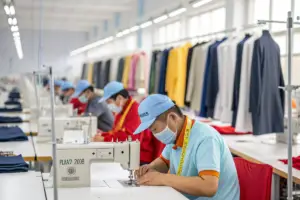
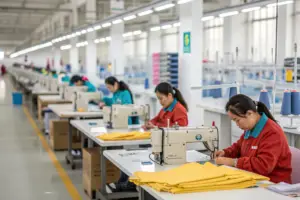
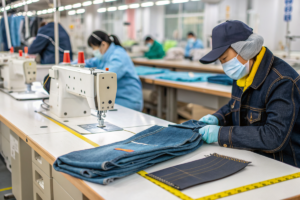
In production runs over 1,000 pieces, stitch length and angle can drift between operators or machines. That’s why we use programmable JUKI and Brother units that lock in stitching programs for consistency.
Our QA team also checks seam placement using laser line markers before stitching starts—especially important in children’s apparel and designer streetwear.
How Do We Avoid Stitching Defects in Bulk Production?
Even with good planning, stitching defects can happen fast. Broken threads, skipped stitches, and seam misplacement often go unnoticed unless inspected line by line.
We manage contrast stitching QA with inline inspections, post-wash testing, and digital pattern overlays to catch even minor visual defects.

What’s Our Inline Inspection Process?
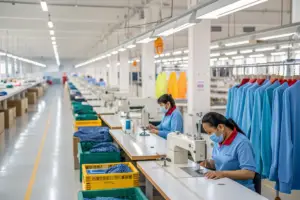
Our floor supervisors inspect the first 5–10 garments of each shift and conduct random hourly sampling. This helps catch tension drift or operator error before damage escalates.
We use high-contrast light panels to inspect topstitch alignment and apply red tape markers to garments that need rework—practices inspired by WRAP certified factories.
How Do We Test Durability of Stitching?
We simulate usage by doing ISO 6330 wash testing on contrast-seamed samples and evaluate under tension. This ensures the thread won’t break or bleed under stress.
Buyers like Ron rely on these reports, especially when selling through U.S. department stores that require performance documentation.
How to Manage Costs and MOQ for Contrast Stitching Garments?
Contrast stitching adds time and complexity—but it doesn’t have to inflate cost uncontrollably if handled smartly.
Smart batching, limited thread SKUs, and efficient machine setup can help reduce cost impact and make MOQ more manageable.

How Do We Optimize Production for Cost Savings?
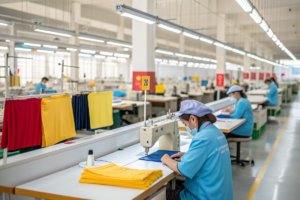
We group production by thread color family and run styles with similar stitching specs back-to-back. This reduces machine downtime and avoids extra labor in rethreading or tension testing.
Clients who select thread colors from our pre-approved color library typically save 7–10% in setup cost.
What Are Our Minimum Order Quantities for These Styles?
For contrast-stitched garments, our MOQs start at 500 pcs/style but we offer lower trial runs (300 pcs) for repeat clients. We recommend buyers use existing base patterns and just update stitch colors for seasonal refreshes.
This approach has worked well for our American distributor clients selling through Faire and Abound.
Conclusion
Producing garments with contrast stitching takes more than just bright thread—it requires planning, technique, and detail-focused quality control. By partnering with experienced factories like Fumao Clothing, U.S. buyers can unlock trend-driven designs without sacrificing production efficiency or consistency.
If you're building a line with standout stitching and need a reliable manufacturer in China, contact our Business Director Elaine at strong>elaine@fumaoclothing.com</strong. We’ll help you deliver bold looks with bulletproof production.