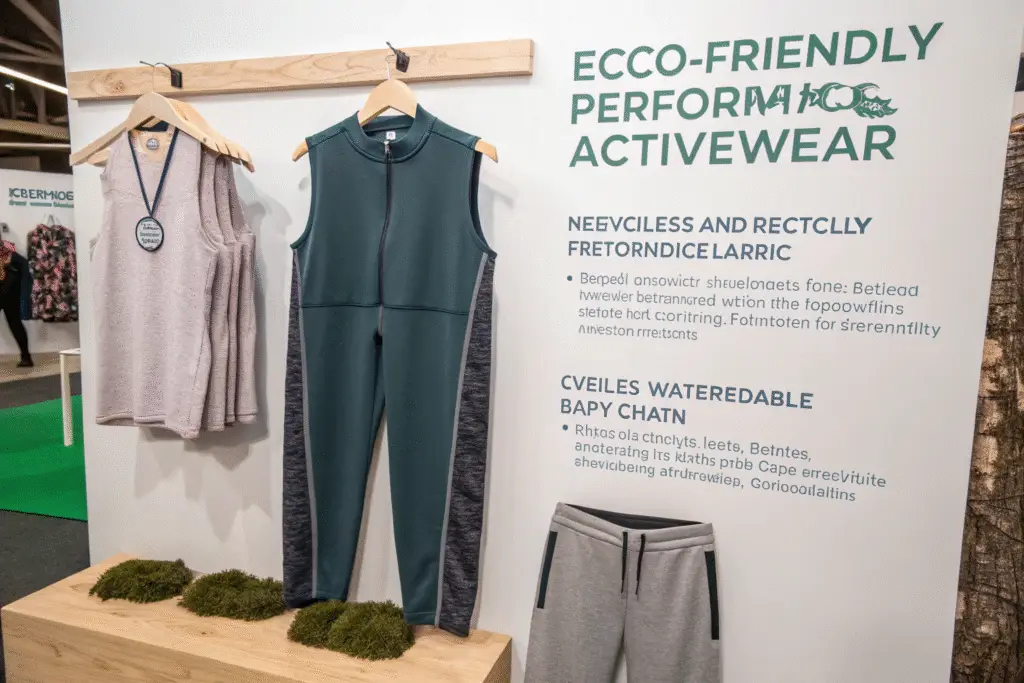
Fast fashion is slowing down — and the activewear sector is catching up. Today’s fitness-conscious consumers aren’t just asking what fabric moves with them during a workout — they want to know where it came from, how it was made, and where it will end up after use. If your brand sells leggings, sports bras, or performance tees, eco-conscious sourcing isn’t optional — it’s expected.
The latest trends in eco-friendly activewear include recycled performance fabrics, biodegradable textiles, waterless dyeing techniques, minimalist packaging, and traceable supply chains.
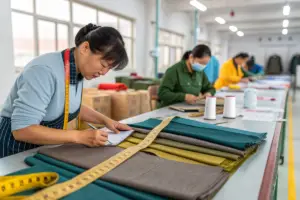
As a garment manufacturer serving U.S. and European activewear brands, I’ve seen firsthand how expectations have shifted. We’re not just asked about style and fit — we now get questions about fiber origin, CO₂ footprints, and even microplastic emissions. In this article, I’ll share the top innovations and sourcing considerations for activewear brands that want to stay sustainable and profitable.
Which Sustainable Fabrics Are Dominating Activewear in 2025?
Eco-activewear starts at the fiber level. Not all green materials perform equally — especially in moisture management, stretch recovery, and odor control.
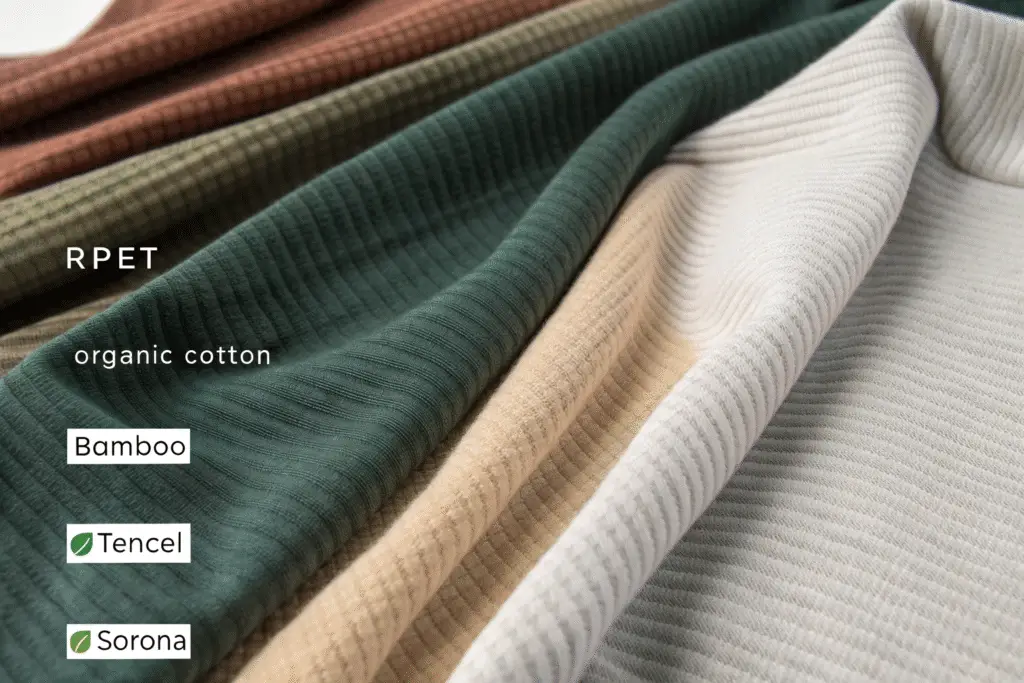
The most in-demand sustainable fabrics in activewear include recycled polyester (rPET), organic cotton, bamboo viscose, Tencel™, hemp blends, and Sorona® bio-based fibers.
Why Is Recycled Polyester Still Leading?
Recycled polyester, or rPET, continues to dominate because it offers the same performance as virgin polyester but with a smaller carbon footprint. It’s derived from post-consumer plastic bottles and can be used for compression leggings, sweat-wicking shirts, and stretchable outerwear.
At Fumao, we work with GRS-certified yarn suppliers to ensure authenticity. Clients often ask us for traceability reports from yarn to fabric roll — a request we’re ready to fulfill.
What Are the Newcomer Fabrics Worth Noting?
Sorona® — a partially bio-based material made from corn glucose — is gaining popularity for its softness, elasticity, and resilience. It's perfect for yoga lines or premium gymwear.
Also on the rise: TENCEL™ by Lenzing, which uses FSC-certified wood pulp to create a breathable, moisture-wicking fabric that decomposes naturally. Ideal for lightweight tops and liner fabrics.
What Manufacturing Innovations Reduce Environmental Impact?
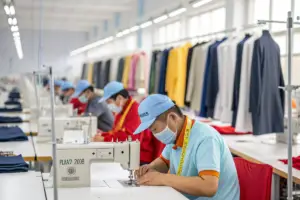
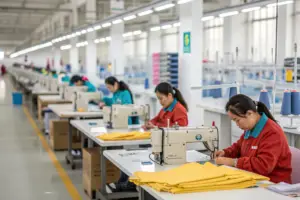
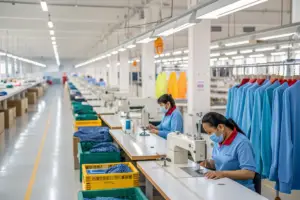
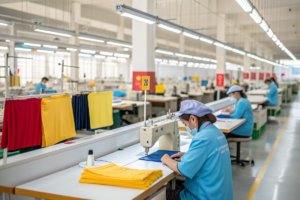
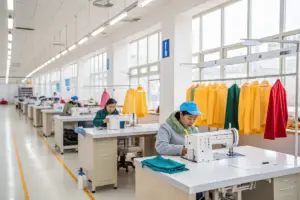
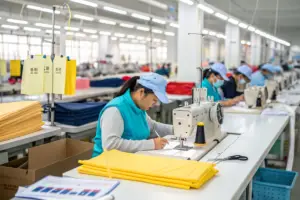
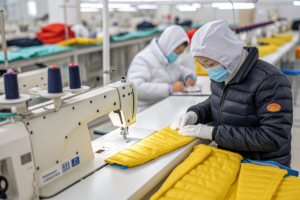
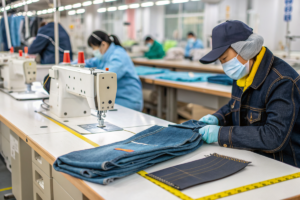
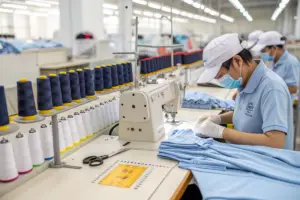
Even the best fabric can lose its green credentials in a dirty factory. Sustainability must continue throughout the manufacturing process.
Eco-forward activewear factories now use digital printing, waterless dyeing, energy-efficient machines, closed-loop water systems, and real-time emission monitoring to reduce environmental impact.
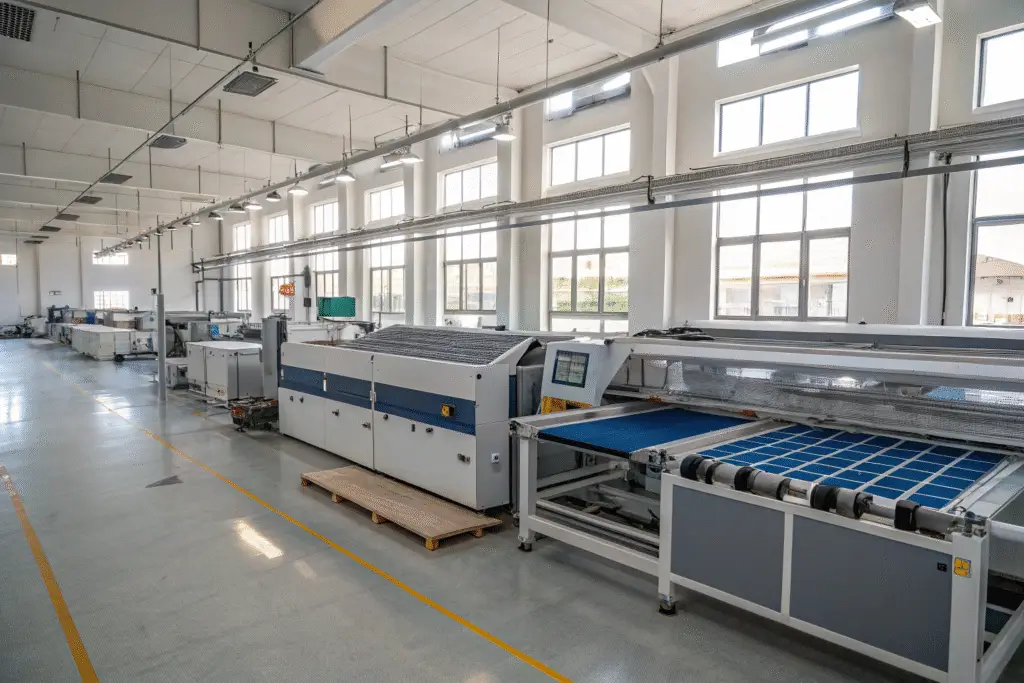
How Does Waterless Dyeing Benefit the Environment?
Traditional dyeing uses up to 200 liters of water per kilogram of fabric. In contrast, dope dyeing and CO₂ dyeing eliminate water use completely.
These methods infuse color into the yarn before it’s spun, resulting in better colorfastness and zero discharge. We offer this method for select polyester knits in our activewear line.
What Other Innovations Are Emerging in 2025?
- Laser cutting reduces fabric waste from traditional cutting methods.
- Heat bonding minimizes stitching and saves energy on sewing.
- Solar panels now power many of our factory’s daylight-hour operations.
Brands are even requesting emissions tracking per order — something we log via tools like Higg Index.
How Important Is Sustainable Packaging for Activewear Brands?
Your packaging is often the first physical brand experience a customer has. If the garment is eco, but the plastic wrap isn’t — it undermines the whole message.
Leading activewear brands now use recycled polybags, biodegradable garment sleeves, soy-ink printed hangtags, and FSC-certified kraft boxes for e-commerce and retail.
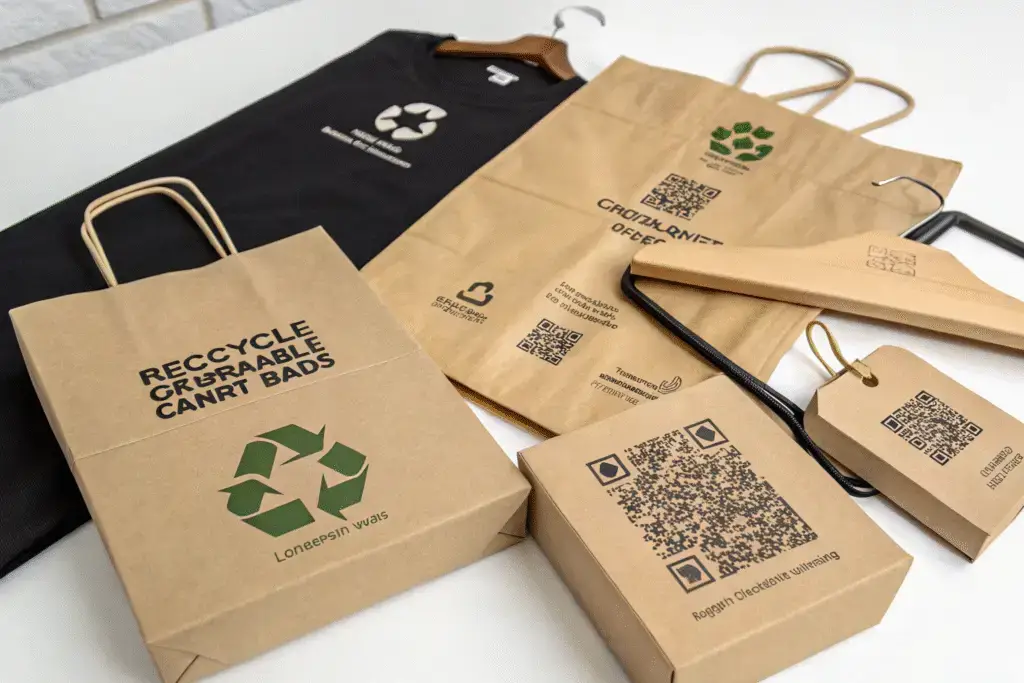
What Are the Top Packaging Alternatives?
- Recycled LDPE polybags — made from post-industrial waste
- Compostable mailers — break down in 180 days
- QR-enabled hangtags — show garment lifecycle and factory origin
At Fumao, we offer standard and premium options based on client need. Some U.S. buyers even opt for branded pouches made of leftover sequin or jersey fabric to reduce scrap.
Should You Skip Packaging Altogether?
Not quite. Garments still need protection during shipping. However, you can:
- Avoid individual bagging (opt for bulk)
- Print care info on the garment
- Use 1-color prints on kraft to save ink
Smart packaging is about less, not none.
What Do Eco-Conscious Consumers Expect from Brands?
Consumers are no longer passive. They research, compare, and ask questions. Sustainability is no longer a marketing checkbox — it’s a competitive edge.
In 2025, conscious buyers expect full traceability, fabric transparency, ethical certifications, and brand accountability in their activewear choices.
What Certifications Matter Most to Buyers?
These four labels boost buyer confidence:
At Fumao, our mill partners are already GRS and OEKO-TEX certified. We help clients embed this data into labels, lookbooks, and digital product pages.
What Role Does Tech Play in Trust?
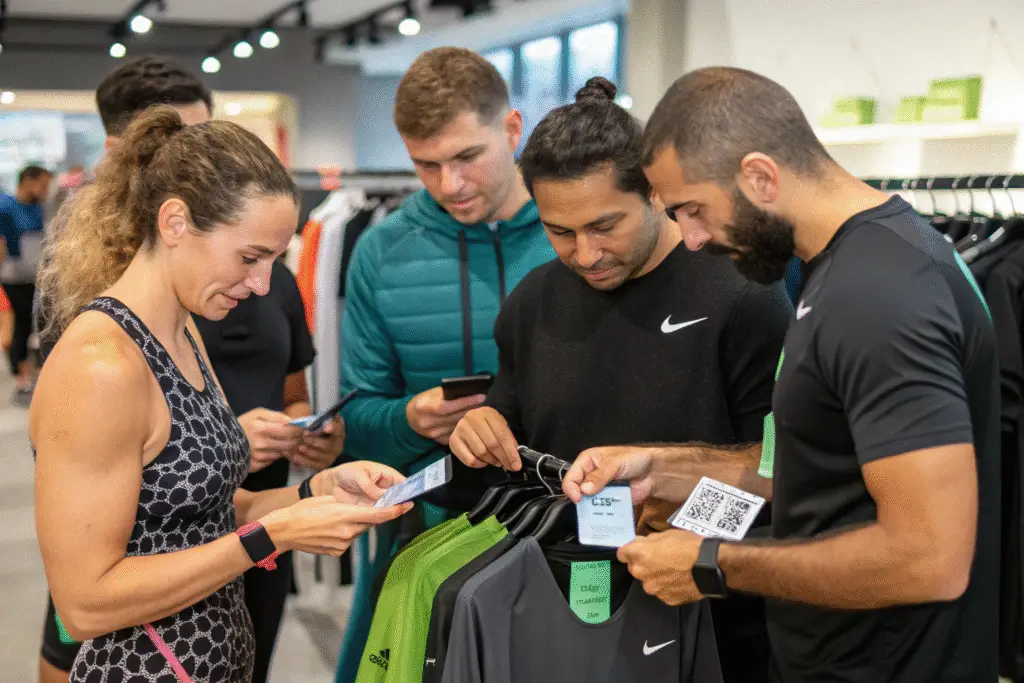
Smart tags are becoming standard. Using blockchain traceability or QR-enabled platforms, brands can show their:
- Factory location
- Fabric certification
- Emissions per unit
Some even allow customers to scan the tag and track their carbon offset donation — especially common with Gen Z-targeted brands.
Conclusion
Eco-friendly activewear is no longer niche — it’s the new normal. Whether you’re launching a yoga capsule, gymwear line, or compression gear, aligning with sustainability trends is key to future-proofing your brand. From recycled fabrics to solar-powered factories, compostable packaging to traceable QR labels — every step of your supply chain counts.
At Fumao Clothing, we help U.S. and global brands bring sustainable activewear ideas to life. We handle everything from fabric sourcing to packaging, logistics, and DDP delivery — all under verified sustainable practices. To discuss your next collection, contact our Business Director Elaine at elaine@fumaoclothing.com.