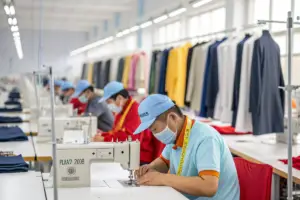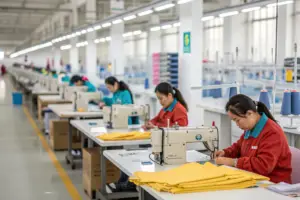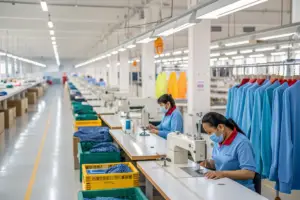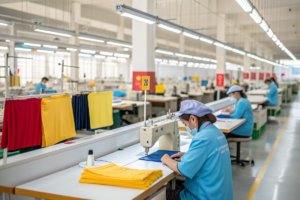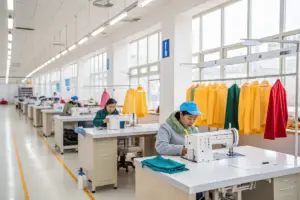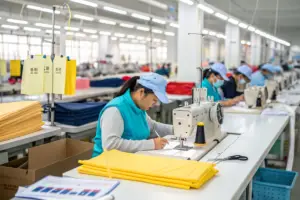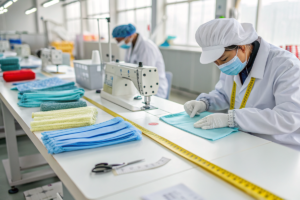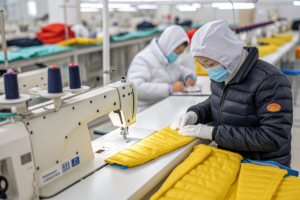
We’ve all faced this: a promising garment concept loses steam due to miscommunication, delays, or unexpected flaws in the sample stage. Small batch sampling, if not executed properly, can turn into a costly bottleneck for both brand owners and suppliers.
The best practices for small batch sampling include clear tech pack preparation, factory capability alignment, streamlined approval processes, and real-time communication. These steps reduce production delays, minimize costs, and improve final garment quality.
If you’re a U.S.-based brand sourcing apparel from China, Vietnam, or India, you need to know how to turn sampling into a strategic advantage. Let’s walk through what works, what doesn’t, and how you can ensure success from your very first prototype.
How to Prepare a Tech Pack That Prevents Sampling Mistakes?
Clarity is the cornerstone of every successful sample run. Without a detailed and easy-to-follow tech pack, misunderstandings between buyer and factory can lead to sample rejections, wasted time, and higher costs.
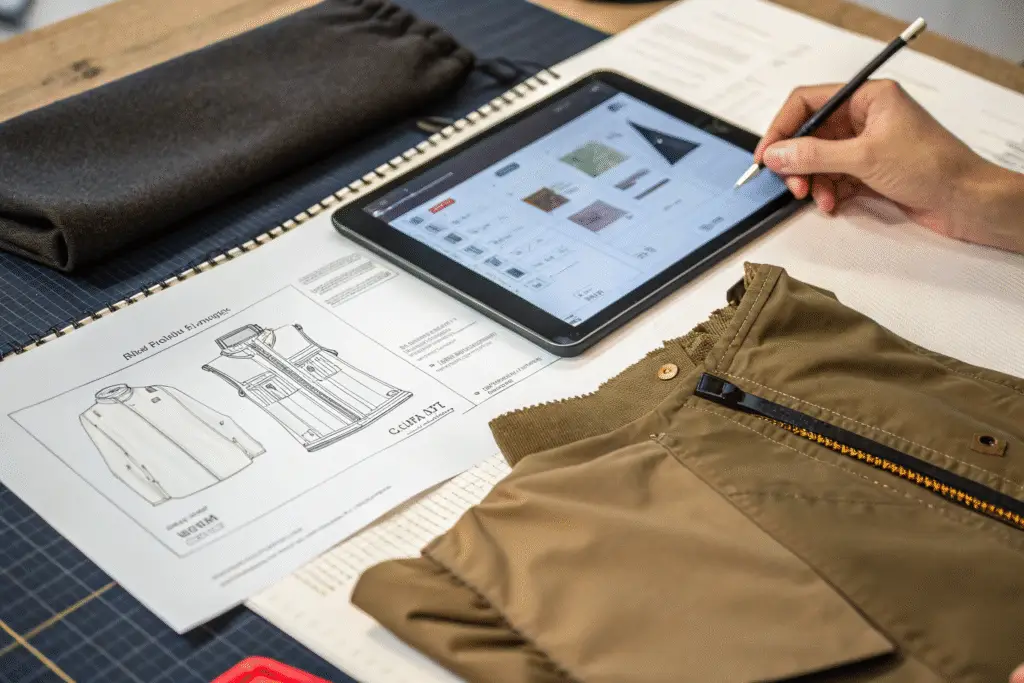
To ensure your small batch samples turn out right the first time, your tech pack must include clear flat sketches, detailed measurement specs, fabric composition, stitching instructions, trim references, and finishing notes.
What Elements Must Be Included in Every Garment Tech Pack?
A complete tech pack acts like a garment blueprint. Include these core components:
| Component | Purpose |
|---|---|
| Flat Sketches | Provide visual clarity of silhouette and design elements |
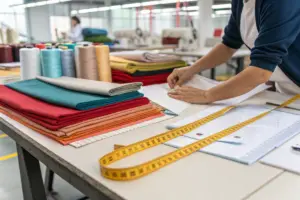
| Measurement Chart | Define dimensions by size, tolerances, and grading rules |
| Fabric/Material Specs | Specify fabric content, weight, GSM, finish |
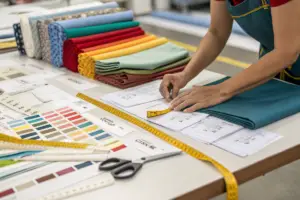
| Colorway Details | Indicate approved Pantone or dye lab dips |
| Trim and Label Info | Define thread types, zipper quality, care labels, brand tags |
| Construction Notes | Clarify sewing methods and stitch counts |
These technical details help your supplier avoid guesswork and maintain alignment with your brand expectations from the start.
Why Do Brands Often Overlook Finishing Instructions?
While fabric and stitching often get the spotlight, finishing steps like pressing, packaging, and folding determine first impressions. Many brands neglect these and end up with poorly presented samples. Be explicit about these areas—reference images, layout expectations, and packaging materials to avoid misalignment during QC checks.
What Makes Communication with Sample Rooms Efficient?
Good communication cuts through delays. Small batch sampling relies on fast, clear feedback loops to move from prototype to approval without endless revisions.
Use structured communication tools like annotated video calls, cloud-based sample tracking platforms, and bilingual coordinators to keep both sides aligned.

What Are the Best Tools for Visual Feedback?
Photos alone rarely convey fit issues or fabric movement. Instead, use:
- Loom or Zoom for real-time walk-throughs
- Google Drive folders for organizing sample versions
- Adobe Acrobat or Techpacker for annotations
- WeChat or WhatsApp with timestamps for factory access
When visual tools supplement your words, you cut down on sampling rounds and avoid confusion that email chains create.
Should You Use a Bilingual Production Assistant?
Yes—especially if you’re sourcing from China or Vietnam. A local project manager who understands Western fashion terminology and local factory operations can pre-filter miscommunication. This is a small investment that leads to better sample quality and faster approvals.
How Do You Align Factory Capabilities With Your Sample Goals?
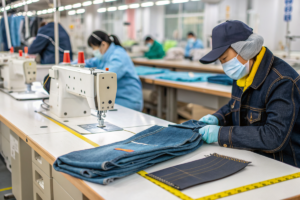
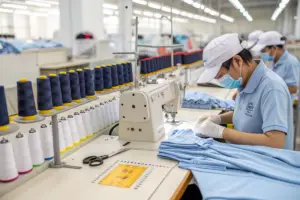
Not every factory is built for every product type. Sampling failure often comes from choosing a factory that lacks experience in your fabric category or garment complexity.
Vet your sampling partners based on their machinery, staff specialization, and prior work with similar SKUs.

How Can You Tell If a Factory Is Good at Sampling Your Style?
Ask for sample portfolios relevant to your product. Here’s what to verify:
- Pattern accuracy: Consistent fit across sizes
- Stitching types: Flatlock, coverstitch, overlock as required
- Fabric handling: Can they cut and sew delicate, stretchy, or heavyweight materials?
- Sample approval rates: Percentage of samples approved without major changes
Many strong sample houses display their capabilities on Alibaba or Made-in-China profiles with images of sample garments, machines, and client feedback.
What Types of Factories Are Best for Complex Garments?
Complex products like sportswear, jackets, or performance wear need:
- CAD pattern systems
- 3D sample capabilities
- In-house pressing and finishing
- Experienced QA team
A basic woven blouse sample might succeed in a smaller workshop. But a water-resistant 3-layer jacket needs a performance sampling factory with more technical controls.
How Do You Streamline the Approval Process?
Approvals are where sampling bottlenecks can break your schedule. Without a defined process, samples sit idle waiting for decisions—while your selling season slips away.
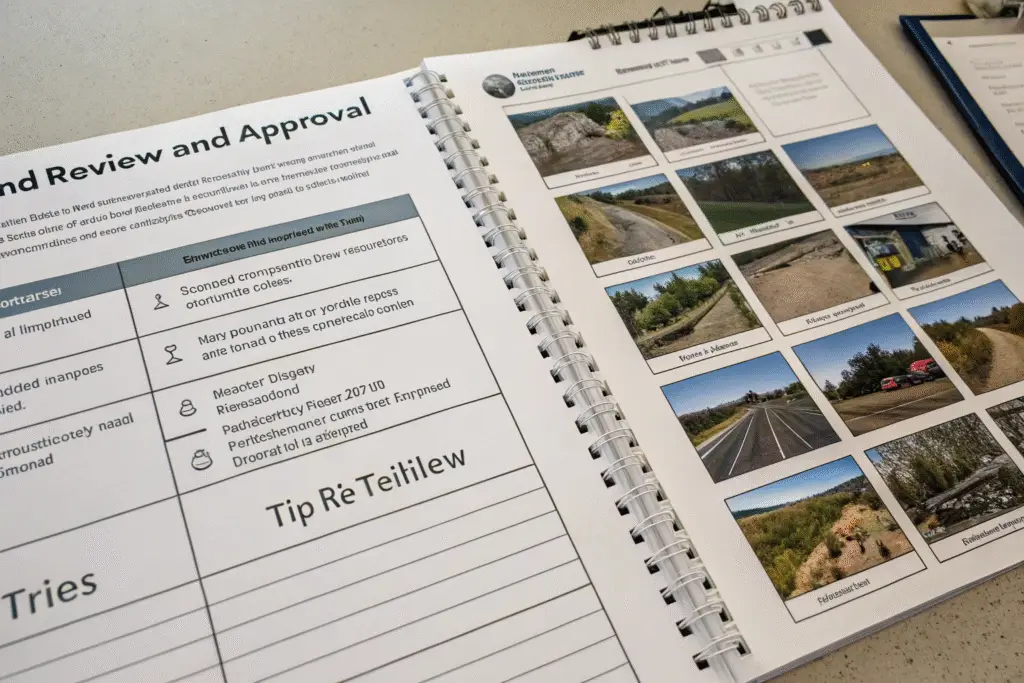
Create a structured review and approval system using checklist criteria, photo documentation, and fast follow-up timelines.
What Should Be on Your Sample Review Checklist?
Use the same checklist across every review stage:
| Checklist Item | Notes |
|---|---|
| Fabric Accuracy | Color, handfeel, GSM match |
| Stitching Quality | Seams neat and consistent |
| Fit & Measurement | Matches spec tolerances |
| Labeling & Branding | Correct label placement and print quality |
| Finishing | No loose threads, properly pressed |
| Packaging | Folded/packed per requirement |
Photos of each sample point, marked-up feedback, and scorecards help your factory track issues and avoid repeat errors.
How Fast Should You Approve or Reject Samples?
Best practice: respond within 3 working days. If you need internal reviews, still acknowledge receipt with timeline updates. Factories hold production slots tentatively—delays on your part risk losing your line position, especially during peak months. Use tools like ClickUp or Airtable to track approvals across teams.
Conclusion
Small batch sampling isn’t just a pre-production step—it’s your foundation for scaling. From structured tech packs to aligned factory capabilities and fast feedback, these best practices shape the quality of your entire product run. By streamlining these systems, you minimize risk, speed up delivery, and hit your margins.
At Shanghai Fumao, we specialize in transforming U.S. brand visions into ready-for-market garments. From first sketch to export logistics, our team helps American companies like yours deliver excellence—on time and at the right cost. For customized sampling and production, reach out to our Business Director Elaine at elaine@fumaoclothing.com. Let’s bring your next collection to life.