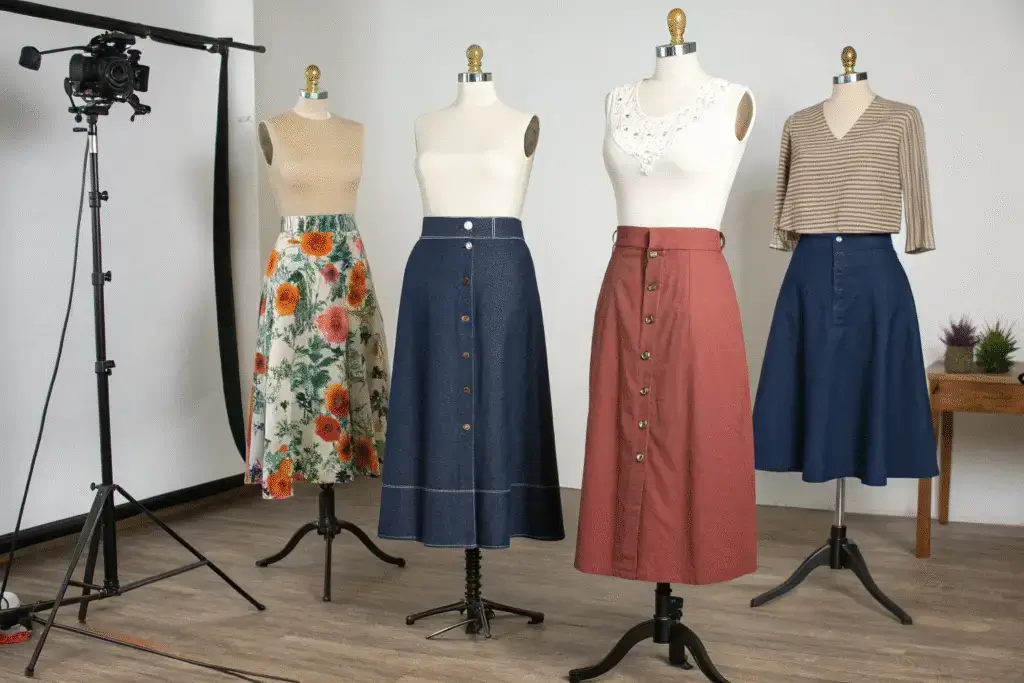
Women’s skirts remain one of the most versatile and in-demand items in the fashion business. From casual midis to structured pencil skirts and breezy maxis, brands need a dependable way to source high-quality, low-cost skirts to maintain strong margins and fresh collections.
To source affordable women’s skirts wholesale, you must understand fabric selection, regional pricing differences, supplier verification steps, and negotiation strategies for MOQ and logistics.
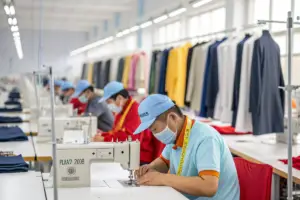
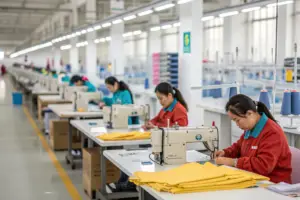
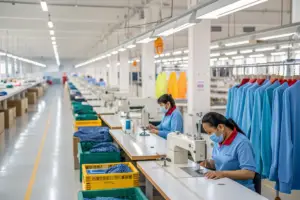
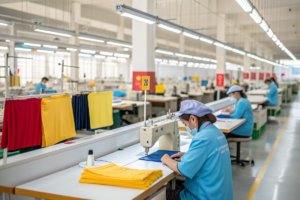
At Shanghai Fumao, we help fashion brands, boutiques, and distributors source women’s skirts directly from our production lines and partner factories. Let’s break down how to do it right.
What materials lower cost without compromising quality?
Fabric type greatly influences the wholesale cost of a women’s skirt. Choosing smart, cost-efficient textiles can help you lower price points while maintaining customer satisfaction.
Affordable doesn’t mean cheap. It means using the right blend of material, construction, and finish to achieve desired fashion and function at scale.
Which budget-friendly fabrics are suitable for skirts?
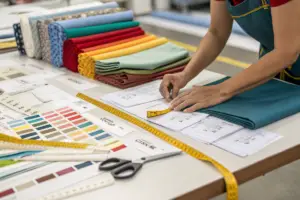
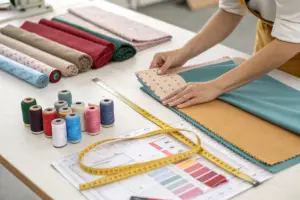
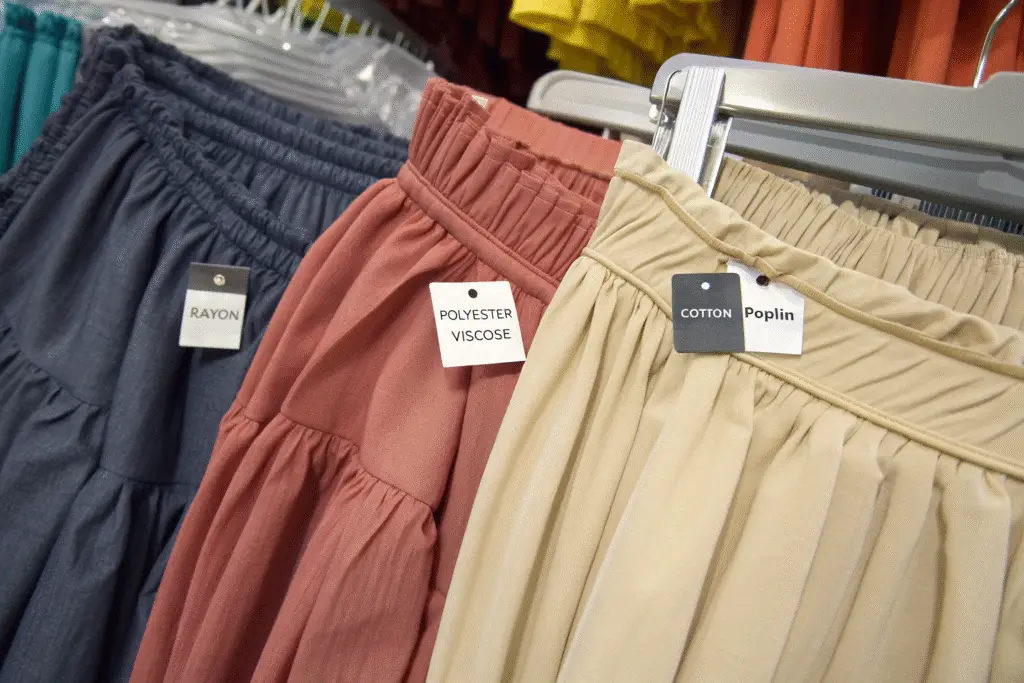
Skirt-friendly and cost-effective fabrics include rayon challis, polyester crepe, and cotton poplin. These materials offer good drape, print clarity, and bulk pricing advantages.
We often use blended poly-viscose and rayon-spandex for stretch skirts—lighter in cost and easier to maintain than pure cotton or silk.
How do fabric weight and width affect cost?
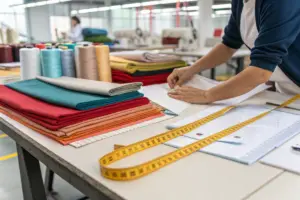
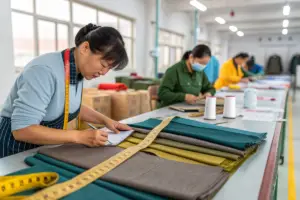
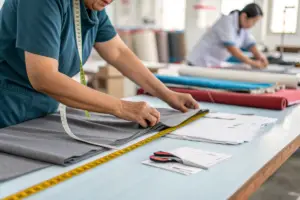
Lightweight fabrics often cost less per meter but may require lining or double-layering. Wider fabric rolls—say 58" vs 44"—allow more skirts to be cut per roll, optimizing yield. Our clients frequently request GSM testing before confirming the fabric, ensuring quality aligns with expectations.
We advise choosing mills that offer roll consistency and dye-lot tracking to avoid color mismatch.
Where can you find the most competitive suppliers?
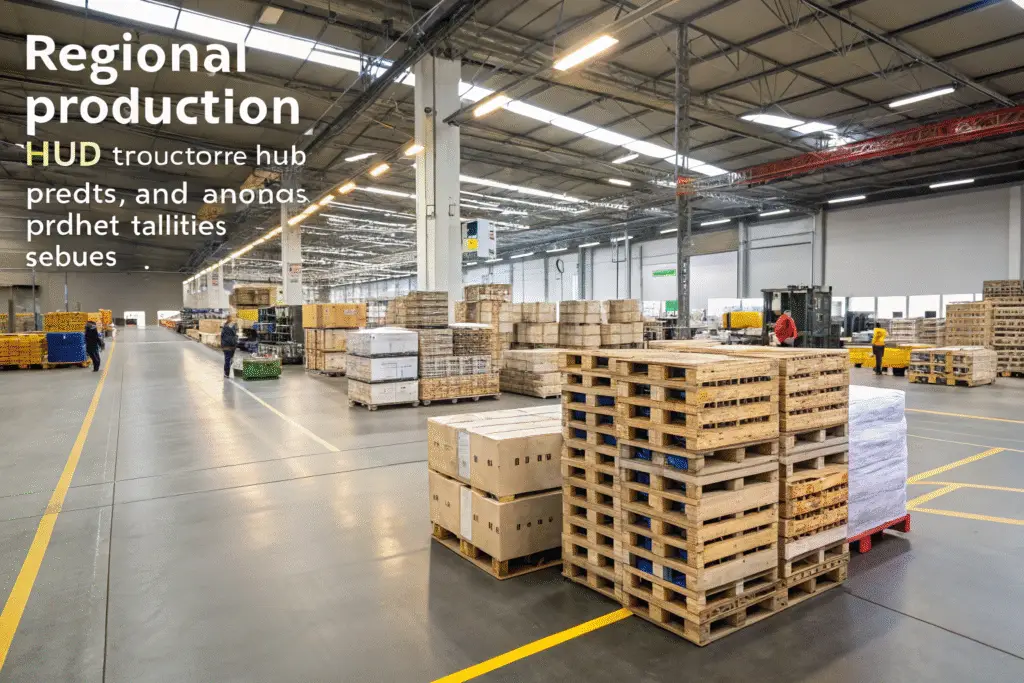
Not all wholesale suppliers are created equal. Regional production hubs offer different pricing models, MOQs, and product strengths. Knowing where to look is half the battle.
China offers fast delivery and customization, India shines in cotton skirts, and Vietnam balances price and ethical production—each with strengths depending on style and quantity.
Which countries offer the best price-to-value ratio?
For volume orders, China remains a top choice due to speed, scale, and access to synthetic fabric mills. For artisan or block-printed cotton skirts, India can offer more hand-crafted variety. Vietnam's manufacturing is gaining traction for eco-conscious brands.
We suggest comparing FOB unit prices across suppliers with a sample pack before bulk purchase.
What are the best online platforms and trade shows?
Online, Alibaba, Global Sources, and TradeIndia provide access to hundreds of skirt factories. Offline, we recommend MAGIC Las Vegas, Canton Fair, and Texworld Paris for in-person sampling and relationship building.
We also connect clients with vetted skirt factories we’ve worked with to bypass risky directories.
How to verify skirt manufacturers before ordering?
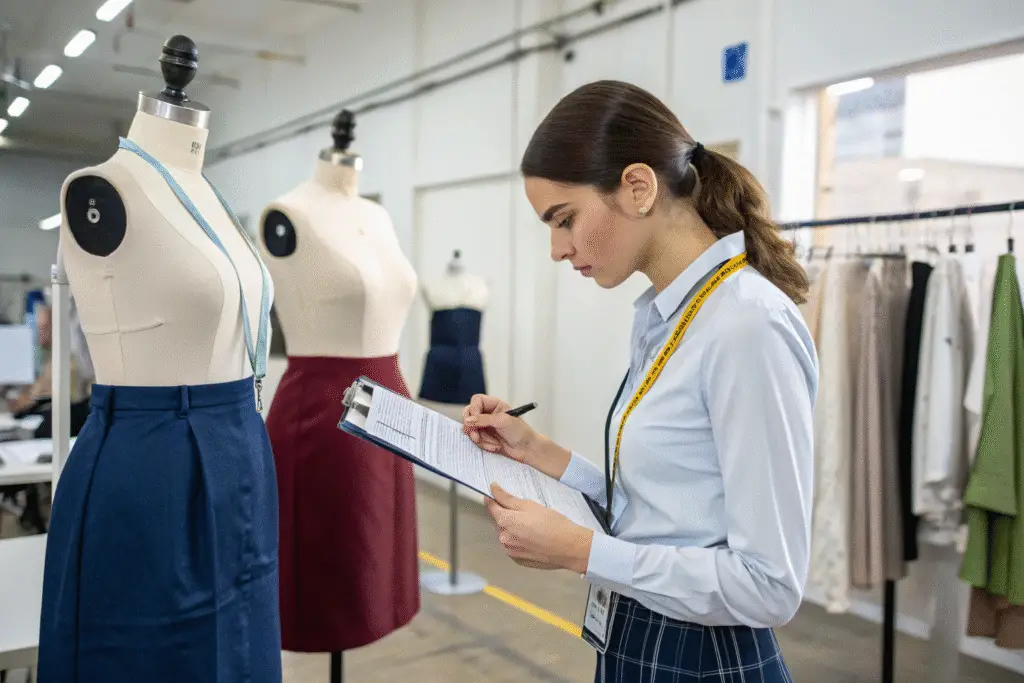
Verifying a skirt supplier is critical. Cheap pricing is meaningless if garments arrive late, incorrectly made, or out of spec. Trustworthy suppliers prove their capacity with certifications, samples, and transparency.
Before ordering, request factory documentation, product samples, and evidence of previous U.S. or European shipments.
What documents and tests should you ask for?
Always ask for a factory audit report, BSCI or SEDEX compliance, and sample tech packs. We provide inline and final QC reports for all skirt batches.
Also confirm if they have REACH or Prop 65 awareness, especially if you’re selling in California or the EU.
How can you test skirt samples quickly?
We ship skirt samples via DHL or FedEx with lead times of 5–7 days. Each piece includes test data on shrinkage, colorfastness, and seam strength. You can also hire third-party labs like Intertek to cross-check.
Clients often request a small pre-production run (50–100 pcs) to evaluate quality under real selling conditions before scaling.
How to negotiate pricing and MOQ with skirt factories?
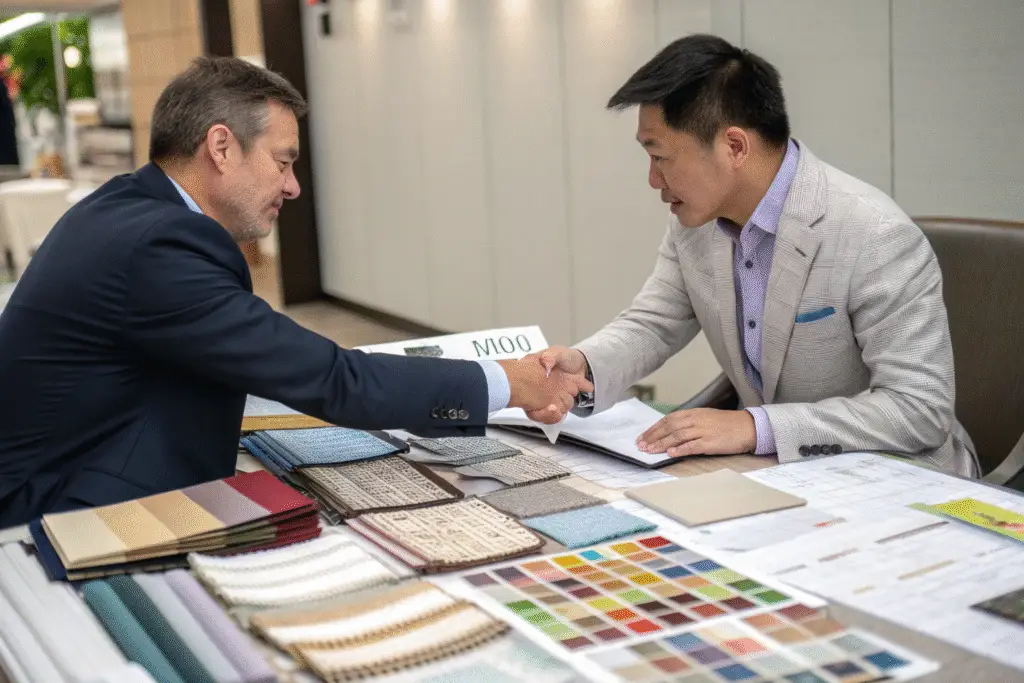
You don’t always need massive orders to get good pricing. The key lies in knowing which elements you can compromise on—fabric choice, delivery time, or packaging—while preserving brand quality.
Factories prefer stable clients. The better you communicate your roadmap, the more flexible they’ll be on price, payment terms, and minimum order quantities.
What’s a typical MOQ for wholesale skirts?
In China, the MOQ usually starts at 300–500 pcs per style/color. However, we’ve helped clients negotiate down to 100 pcs with consolidated fabric or stock fabrics. India and Vietnam may accept smaller batches for woven cotton styles.
We always advise clients to order 1–2 base colors and vary sizes to optimize yield and avoid dye lot issues.
How can you secure better pricing terms?
Bundle multiple skirt styles in one PO to cross-use fabric and trims. Offer rolling forecasts for upcoming seasons. And request DDP pricing with cost breakdowns on freight, duty, and fabric if possible.
Our clients often benefit from 30/70 payment terms, with 30% deposit and 70% on shipment inspection.
Conclusion
Sourcing affordable women’s skirts at wholesale level isn’t just about price—it’s about choosing the right fabrics, verifying supplier reliability, and negotiating smart. By working with factories that specialize in skirt production, you gain access to competitive pricing, customized styling, and delivery options that fit your go-to-market strategy.
At Shanghai Fumao, we’ve supported brands across the U.S., Canada, and Europe in building profitable skirt lines through OEM/ODM production, factory auditing, and full-package services.
Contact our Business Director Elaine at elaine@fumaoclothing.com to start building your next affordable skirt collection with confidence and clarity.