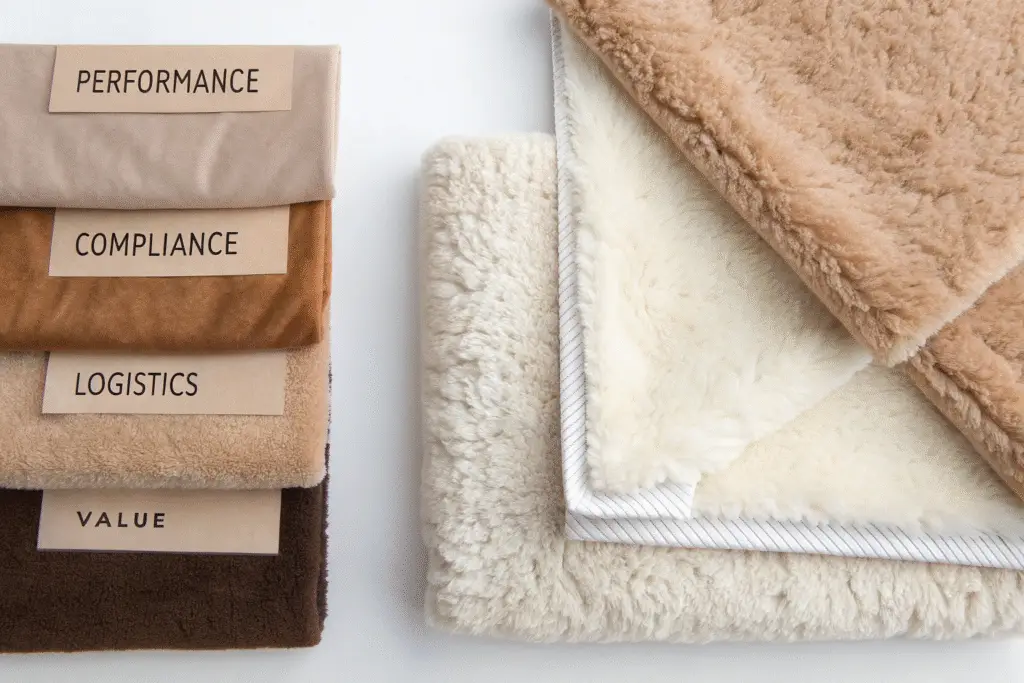
Faux fur and shearling are experiencing a strong revival, not only in high-end collections but also in affordable fashion lines across the U.S. market. As a Chinese apparel manufacturer, I’ve worked with many American brand buyers—especially ones like Ron—who want these materials for their outerwear, kidswear, and accessory lines. However, sourcing faux fur or shearling isn’t just about choosing a fabric that “looks” plush. It’s about performance, compliance, logistics, and value.
If you want to avoid delays, poor texture, or failing tests at customs, then you need to pay attention to more than just softness and warmth.
Many buyers from the U.S. come to us after bad experiences with previous suppliers—faux fur shedding all over packaging, DDP quotes with hidden costs, or "eco" shearling that fails chemical tests. To save you those headaches, I’m laying out the key considerations so you can choose the right supplier—and the right product—for your market.
What Fabrics Are Best for Faux Fur and Shearling?
Synthetic fur and shearling have evolved dramatically over the last decade. Understanding fabric structure and fiber types is critical to your product quality and market appeal.
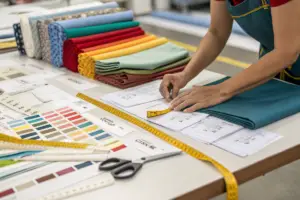
Microfiber, polyester, and modacrylic blends offer the best durability, softness, and colorfastness for faux fur used in apparel and accessories.
What Backing Fabrics Improve Faux Fur Stability?
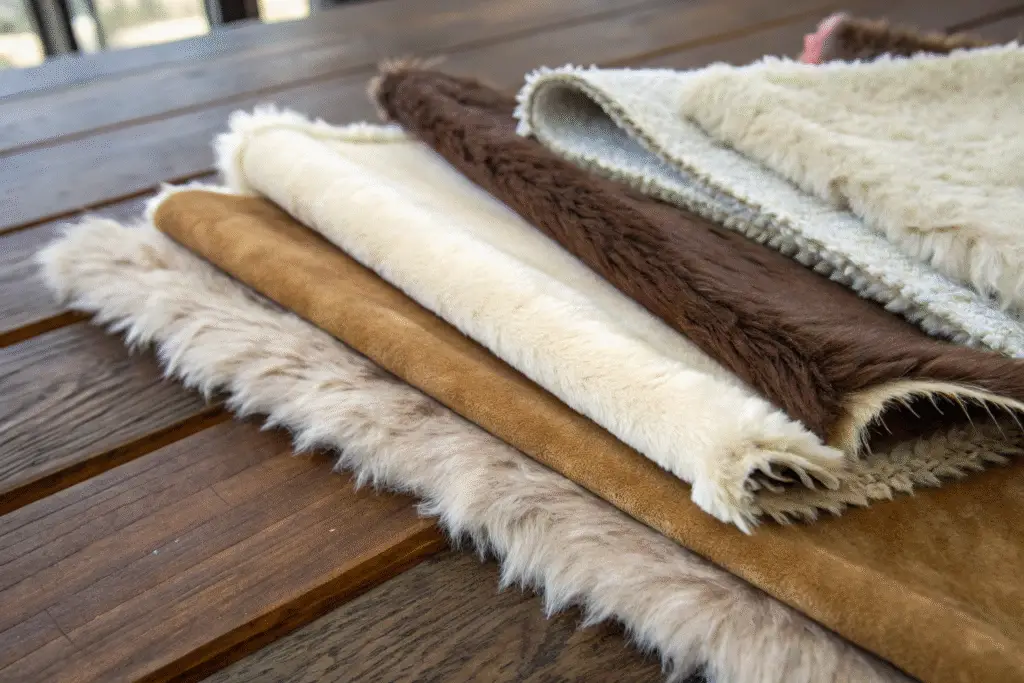
Backing material determines structure and stitch performance. A good faux fur fabric should be built on a knitted polyester or non-woven interlining that keeps the pile secure during sewing and washing. Backings like tricot knit offer better stretch recovery, especially for fashion garments like bomber jackets or faux shearling boots.
In lower-cost markets, you might find faux fur with thin or inconsistent backings. This leads to excessive shedding or curling edges post-laundry. Always ask suppliers if their faux fur fabric has passed a minimum 40N tensile strength test. You can learn more about fabric backing standards here.
For shearling-like fleece, bonded sherpa on suede-look polyester works well for both lining and outer-layer applications. These are often used in fall-winter capsule collections.
Which Faux Fur Pile Lengths Are Ideal for Fashion Use?
Pile height dramatically affects usability and cost. The most requested faux fur we produce falls between 10mm to 20mm in pile height, offering a plush handfeel without being overly bulky. Long-pile furs (25mm–35mm) are used sparingly for statement pieces or trims.
Remember that longer pile increases unit weight, which drives up air freight costs if you’re rushing samples or restocks. Additionally, longer piles might mat over time without proper brushing or anti-crush finishing.
To evaluate real-world applications, many brands follow pile height vs. garment thickness guidelines.
How to Ensure Colorfastness and Anti-Shedding?
Inconsistent dyeing and excess fiber loss are two of the biggest problems we’ve seen from factories with poor QA practices. Even premium-looking fabrics can lose buyer trust if they shed or fade.
Shedding and color bleeding can lead to customs inspection failure or Amazon return spikes.
How Can I Test for Shedding Before Production?
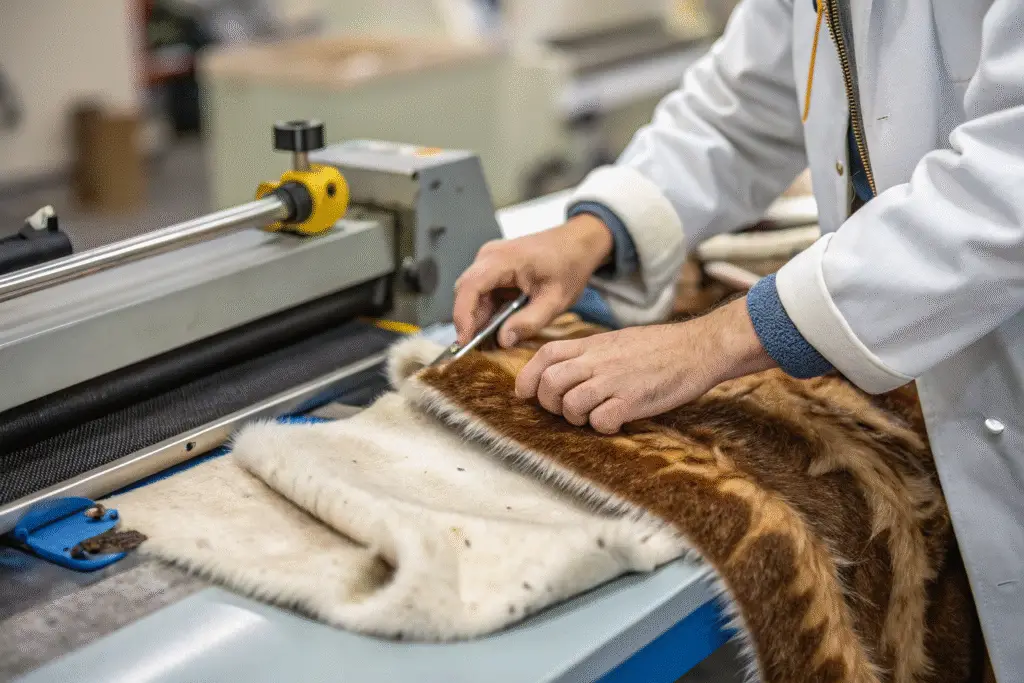
Before finalizing any order, we run Martindale abrasion tests and dry brushing tests. We send these test videos to clients for transparency. For high-shear pile faux furs or fluffy sherpa, we recommend finishing treatments such as anti-shed coatings or brushing stabilization.
You can also simulate wear-and-tear using a DIY tape test. Simply apply clear tape to the surface, pull it off, and see how much fiber comes off. It’s a simple yet revealing tactic, as explained by Intertek’s lab guide.
If your supplier can’t show lab results or finish documentation, it’s a red flag. We recommend using OEKO-TEX certified finishers whenever possible—especially for U.S. kidswear lines. More on this at OEKO-TEX global site.
How Do I Prevent Color Bleeding in Faux Fur?
Reactive dyeing or over-pigmentation leads to bleeding during washing. Always ask if the faux fur or bonded fleece has passed ISO 105-C06 or equivalent colorfastness tests.
We include both color rub tests and wet-dry crocking test reports for every batch, and we encourage U.S. brands to spot-test darker shades. Especially for kidswear, where vibrant pinks, reds, or blacks might bleed into linings, it's crucial.
Products designed for active fashion use must pass not just wash tests but also UV light exposure assessments.
What Logistics and Pricing Issues Affect Faux Fur Orders?
Shipping faux fur presents unique challenges, especially with DDP deliveries to the U.S. Many buyers underestimate how pile thickness affects CBM usage, pricing, and customs classification.
Bulk faux fur takes up volume, not weight. Logistics pricing must reflect dimensional weight.
How Do CBM and Volume Impact DDP Shipping?
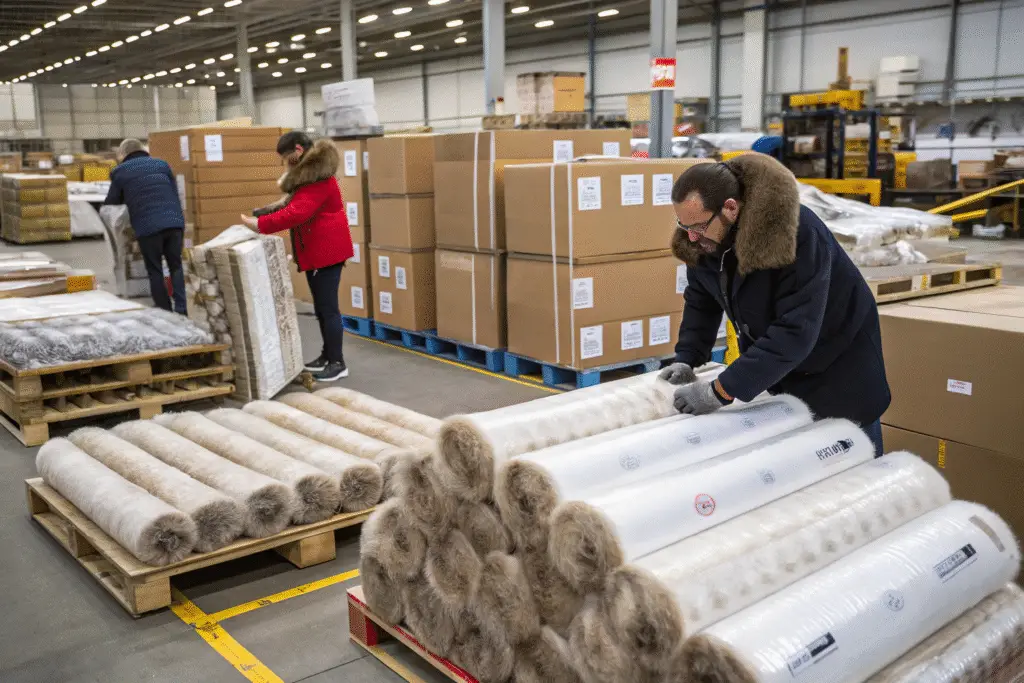
We’ve helped many clients reduce 18–25% in freight fees just by using compressed bale packing or vacuum-rolled packaging for faux fur. These packing methods optimize space per CBM (cubic meter), which is especially important for sea freight during high seasons.
Volume-based shipping is calculated by L x W x H / 6000 for air freight. If you ignore this, you may be paying twice the cost of the fabric in delivery alone.
Learn more at Freightos' volumetric weight guide.
What’s the Best INCOTERM for Faux Fur Orders?
We always recommend DDP (Delivered Duty Paid) for U.S. buyers with time-sensitive markets. This protects you from surprise clearance costs, especially for materials with ambiguous classification codes like synthetic fur.
Still, DDP must be quoted carefully. We calculate based on HS code 6001.92 and match it with end-use declarations to avoid U.S. customs reclassification.
Some suppliers falsely label faux fur as “polyester knit” to lower duties. This risks seizure or fines. Always check your DDP quote includes HS code documentation. See more at U.S. CBP faux fur classification.
Are Certifications and Eco Claims Trustworthy?
With the rise of conscious consumerism, many U.S. brands—especially those targeting Gen Z or sustainable segments—want eco-certified faux fur. But not all “eco” claims are genuine.
Certifications are only valuable if they come from verifiable, third-party sources.

Which Certifications Should I Ask for When Sourcing Faux Fur?
We recommend asking for GRS (Global Recycled Standard) or OEKO-TEX Standard 100. These certifications indicate recycled content or chemical safety compliance. We provide QR-verifiable GRS certificates issued by Control Union, and batch-level OEKO reports for our polyester shearling.
Be cautious of vendors who only show scanned PDFs without QR code or batch traceability. The GRS certification database allows buyers to verify supplier credentials in real time.
How Do I Verify That a Supplier’s Certificates Are Real?
Check the issuing agency—if it’s not a recognized body like Intertek, TÜV Rheinland, or SGS, it's likely a fake. For example, if a supplier claims “BSCI certified” but can’t show audit reports, it’s just marketing.
We’ve had clients bring us competitor certificates that were clearly photoshopped. You can verify real audits using the amfori BSCI platform.
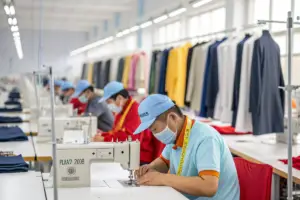
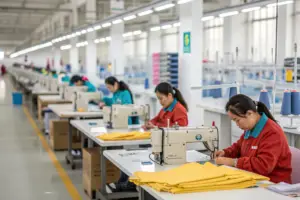
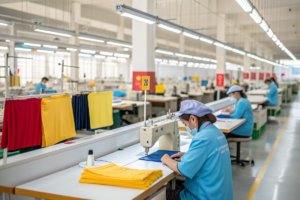
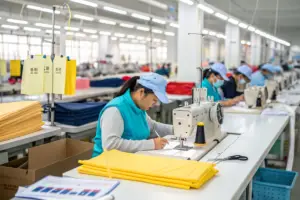
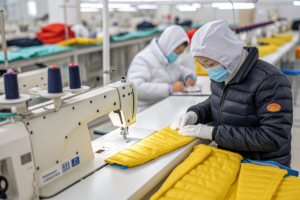
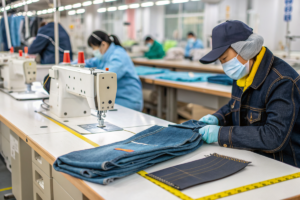
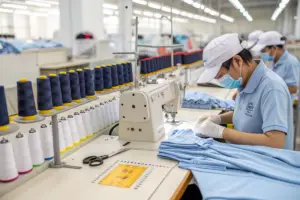
Additionally, we suggest requesting QC pictures of the factory and lab setups, which we happily provide. Transparency is a major reason our U.S. partners trust our production pipeline.
Conclusion
Sourcing faux fur and shearling isn’t just about how it feels in your hand. It’s about performance, compliance, logistics, and long-term reliability. At Shanghai Fumao, we’ve helped hundreds of U.S. clients build best-selling winter collections and cozy accessories without shipping delays or customs issues. If you’re sourcing high-quality, customizable faux fur or shearling at competitive pricing—without sacrificing certification or shipment reliability—let’s talk.
To start sourcing responsibly and profitably, contact our Business Director Elaine today at elaine@fumaoclothing.com. We’ll help you turn your cozy fashion vision into a durable reality.