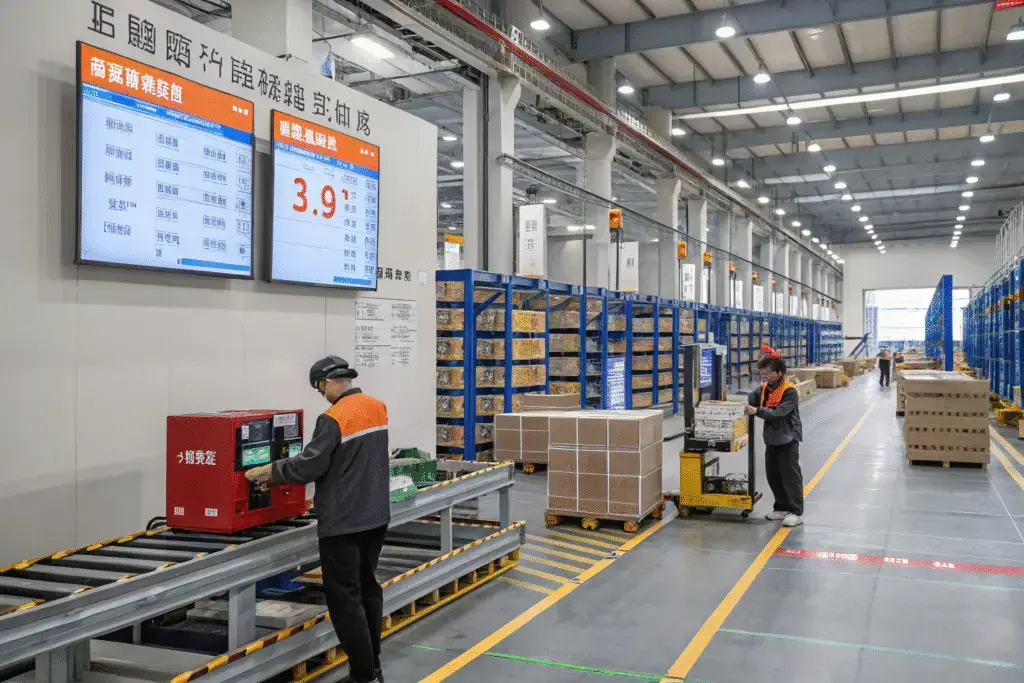
Wholesale e-commerce has become a major growth engine for global apparel buyers—and fulfillment is the heart of that machine. As the owner of a China-based apparel manufacturing and export company, I’ve helped clients across the U.S. and Europe ship tens of thousands of bulk and customized B2B orders.
The key to successful wholesale e-commerce fulfillment lies in accuracy, automation, warehouse optimization, real-time inventory, and last-mile reliability. When executed well, it builds long-term buyer trust and reduces chargebacks, refunds, and lost contracts.
This article outlines best practices we’ve implemented for clients in the fashion and apparel industry, especially those handling large volumes through platforms like Shopify B2B, Faire, and direct brand distribution.
How Should You Structure a Scalable Fulfillment System?
Whether you’re shipping 10 orders a day or 1,000, your fulfillment infrastructure must be modular, accurate, and fast. Wholesale customers demand punctuality and completeness—especially when reselling or stocking retail chains.
Scalable e-commerce fulfillment starts with zone-based warehousing, SKU-level control, and staff trained on volume logistics.
What Warehouse Layout Works Best for Wholesale Orders?
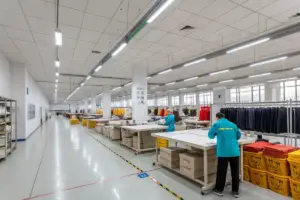
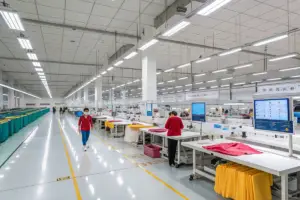
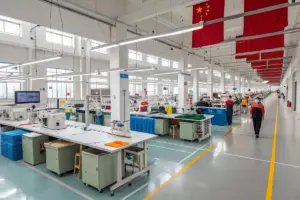
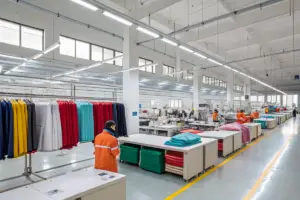
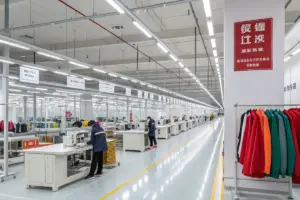
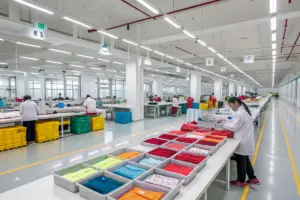
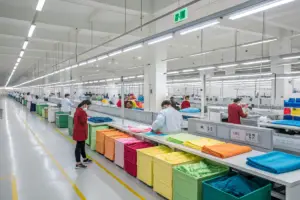
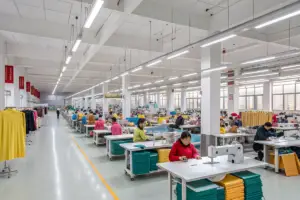
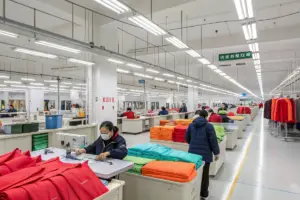
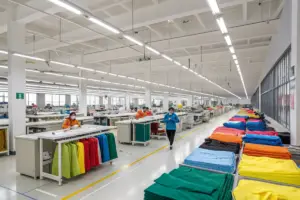
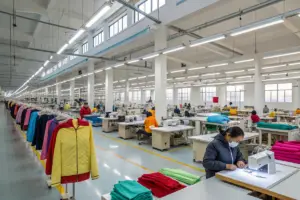
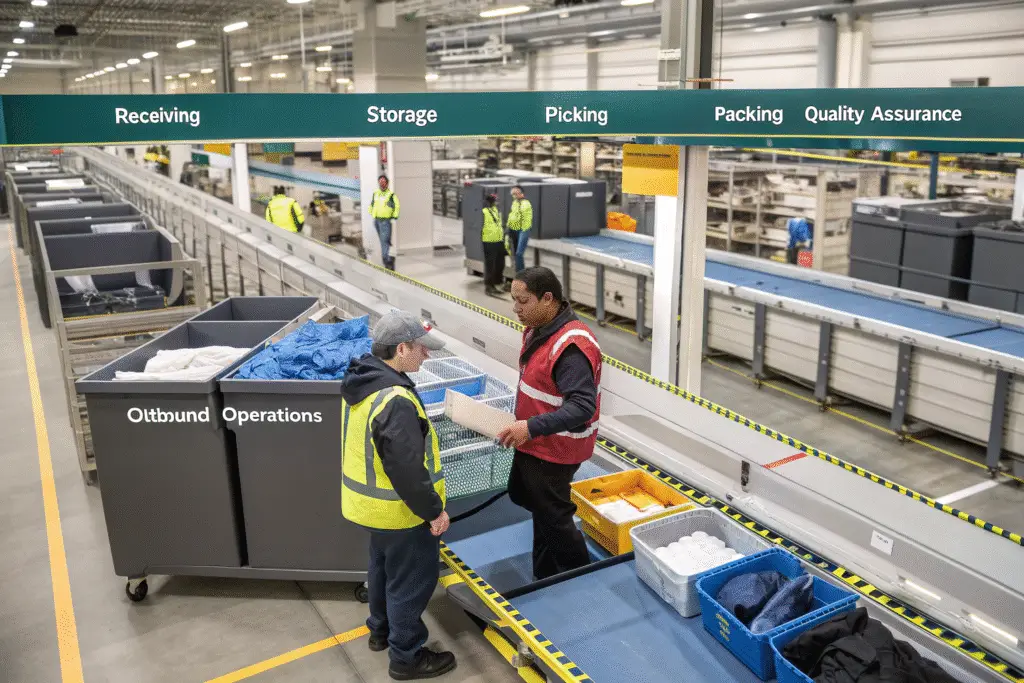
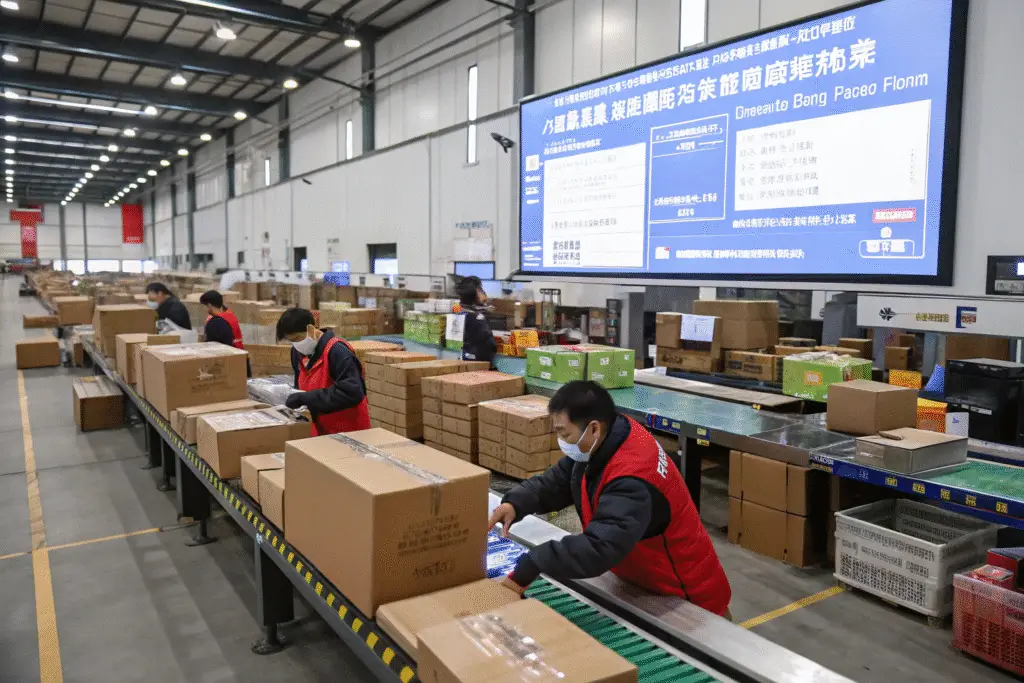
We separate our warehouse into clear zones: receiving, shelving by product family, packing benches, and quality control lanes. We follow a zone-picking model to handle high-SKU complexity without slowdowns.
Heavy items like outerwear or boxed sets are kept near the loading docks. Frequently ordered items stay at eye-level pick zones. Our clients ship via FedEx Cross Border or Cainiao depending on market and speed requirements.
Should You Outsource or Run In-House Fulfillment?
This depends on your scale. For 500+ monthly orders, it’s often better to partner with a 3PL in your target region. But many of our clients prefer FOB or DDP fulfillment directly from our factory in China using consolidated sea or air freight.
We’ve developed hybrid systems where we store buffer stock in our warehouse, and forward from bonded hubs in the U.S. using ShipHero or Deliverr. This ensures 2–3 day delivery after customs.
How Can You Maintain Inventory Accuracy in Real Time?
Nothing frustrates a wholesale buyer more than ordering 500 black XL tees—only to hear they’re out of stock. Inventory accuracy is the backbone of fulfillment trust.
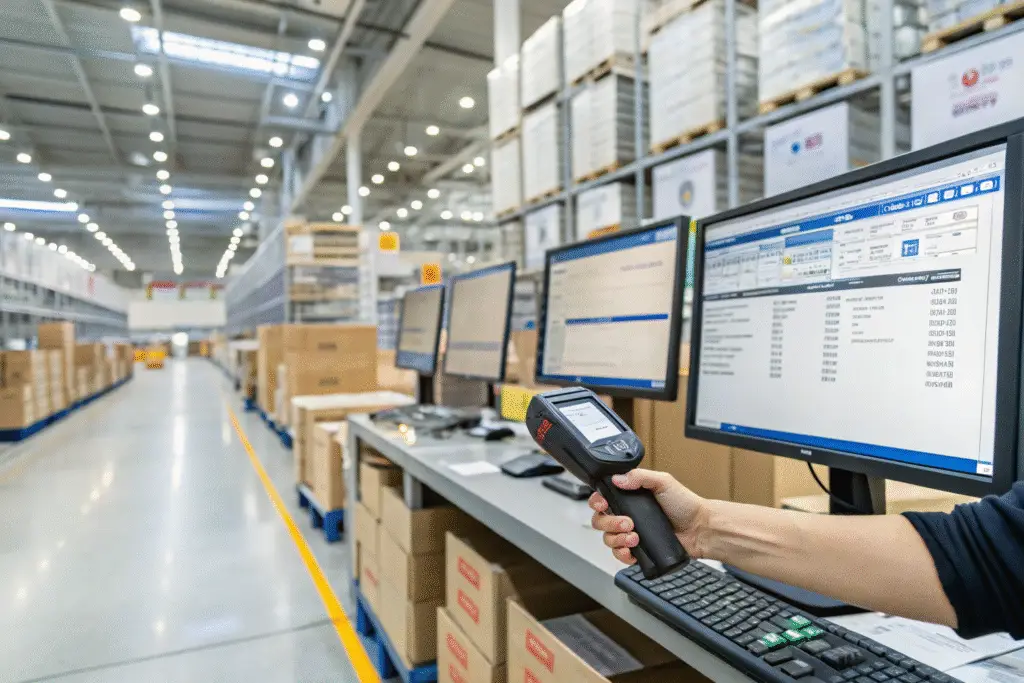
Use barcode systems, cloud-based WMS, and auto-reorder triggers to keep SKUs tracked down to the last piece.
What Tools Help Track Stock in Real Time?
We use Zoho Inventory integrated with our Shopify backend and our ERP. Each carton is labeled by SKU, lot number, and location. Inventory is updated automatically when we receive goods, pick items, or run cycle counts.
Buyers can see current inventory snapshots through a portal we built using Airtable, so there’s no confusion about availability during peak ordering.
How Do You Prevent Overselling or Double-Picking?
We assign “hold zones” for picked orders awaiting packing. Our barcode system prevents workers from scanning an already-picked SKU into a new order. We also block overselling through sync tools like Skubana that manage channel demand and buffer levels.
Every week, we audit 5–10% of high-volume SKUs with QR-encoded stock bins. This keeps shrinkage under 0.5% and ensures compliance with clients’ vendor scorecards.
How Do You Optimize Packing and Labeling for B2B Orders?
Packing for wholesale isn’t just about speed—it’s about presentation, compliance, and protection. Retailers expect clean, organized shipments with correct SKUs, barcodes, and minimal waste.
Best practices for wholesale packing include size-sort batching, carton barcodes, branded labeling, and digital packing slip integration.
How Should Orders Be Packed by SKU and Quantity?
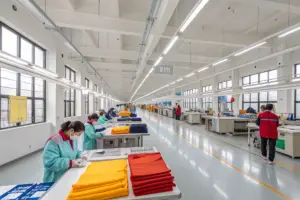
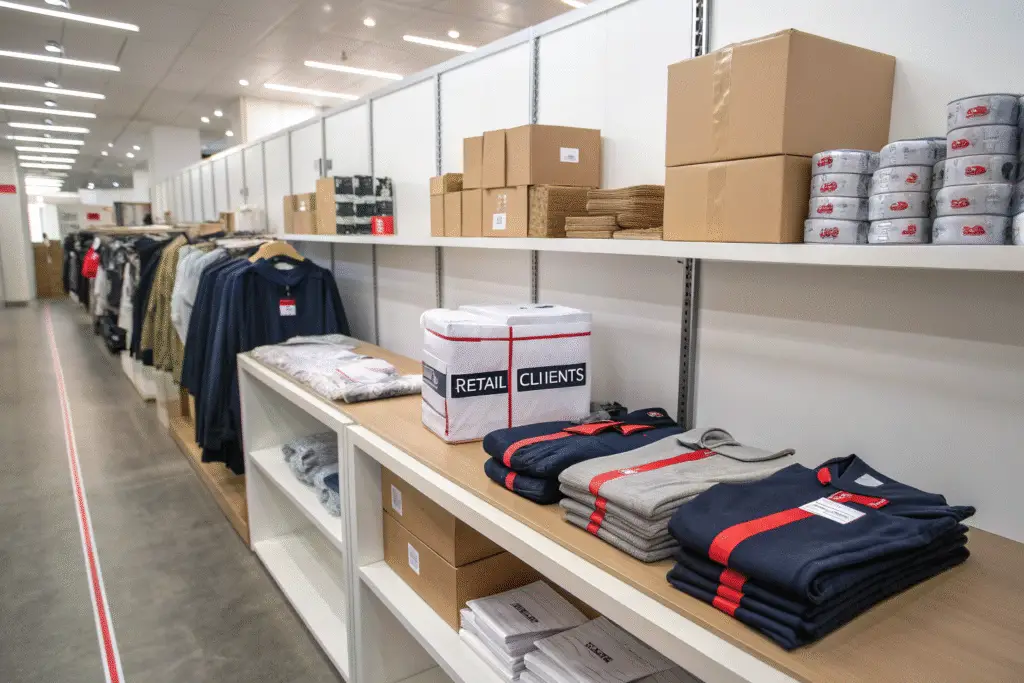
We pack by SKU → size → quantity breakdown. For example, if a client orders 200 cotton hoodies in 4 sizes, we split these into 4 clear bundles, label each with GS1 barcodes, and include a packing slip that shows internal breakdown.
For Amazon FBA orders, we follow Amazon prep guides strictly—including warning stickers, suffocation warnings, and FNSKU stickers.
How Do You Integrate Branding into the Fulfillment?
We allow clients to ship us custom polybags, hang tags, and logo inserts. These are stored in a “branding vault” section of our warehouse and pulled per order.
We also print custom logo tape for high-volume clients and use Sticker Mule for branded packaging labels. This enhances the unboxing experience—even for wholesale drop shipments.
How to Handle Shipping, Tracking & Customer Support Smoothly?
Once a wholesale order is picked and packed, the job isn’t done. Buyers expect real-time tracking, delivery assurance, and the ability to contact someone fast if an issue arises.
Use integrated shipping platforms, share tracking links automatically, and offer human support with quick escalation paths.
What’s the Best Way to Manage Carrier Integration?
We sync Shopify with Easyship, ShipStation, and regional providers like SF Express or DHL eCommerce.
Once the order is labeled and scanned out, the buyer receives an auto-email with tracking, packing list, and invoice in PDF. For larger clients, we also upload shipping documents directly to their procurement portal.
How Do You Provide Fulfillment Support to Buyers?
We assign one fulfillment coordinator per major client. They’re available via email, WhatsApp, or Zoom for urgent issues. Common inquiries include delivery ETA, customs delays, or replacement for damaged stock.
For returns, we offer bulk item RMA tracking using Returnly or client-specific RMA barcodes. This helps wholesalers handle defects without affecting retail timelines.
Conclusion
Efficient e-commerce fulfillment is what turns a factory into a trusted wholesale partner. From barcode-based inventory to customized packaging and synced shipping, every detail matters—especially when delivering to retailers and distributors who rely on your timing.
At Fumao Clothing, we manage end-to-end fulfillment for U.S. and European buyers with scalable systems, clear communication, and on-time delivery. Whether you ship 10 or 10,000 units per month, we help streamline your supply chain and grow your apparel business.
Need help setting up smooth wholesale fulfillment for your brand? Contact our Business Director Elaine at elaine@fumaoclothing.com—let’s build a reliable back-end that supports your front-end sales.