Recycled polyester (rPET) is making waves in the fashion industry. From global sportswear brands to sustainable startups, more companies are turning to this material to reduce their environmental footprint. But just how sustainable is recycled polyester—and what trade-offs come with using it?
The pros of using recycled polyester include reduced landfill waste, lower energy use, and water savings. The cons include microplastic pollution, limited biodegradability, and potential greenwashing if not properly certified. Understanding both sides is crucial when sourcing fabrics or designing eco-conscious apparel.
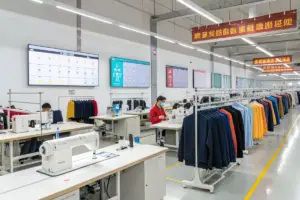
As a manufacturer working with rPET for years, I’ll walk you through the benefits, limitations, sourcing standards, and real-world use cases of recycled polyester. This guide will help you decide when and how to use it responsibly in your next collection.
Why Is Recycled Polyester So Popular in Sustainable Fashion?
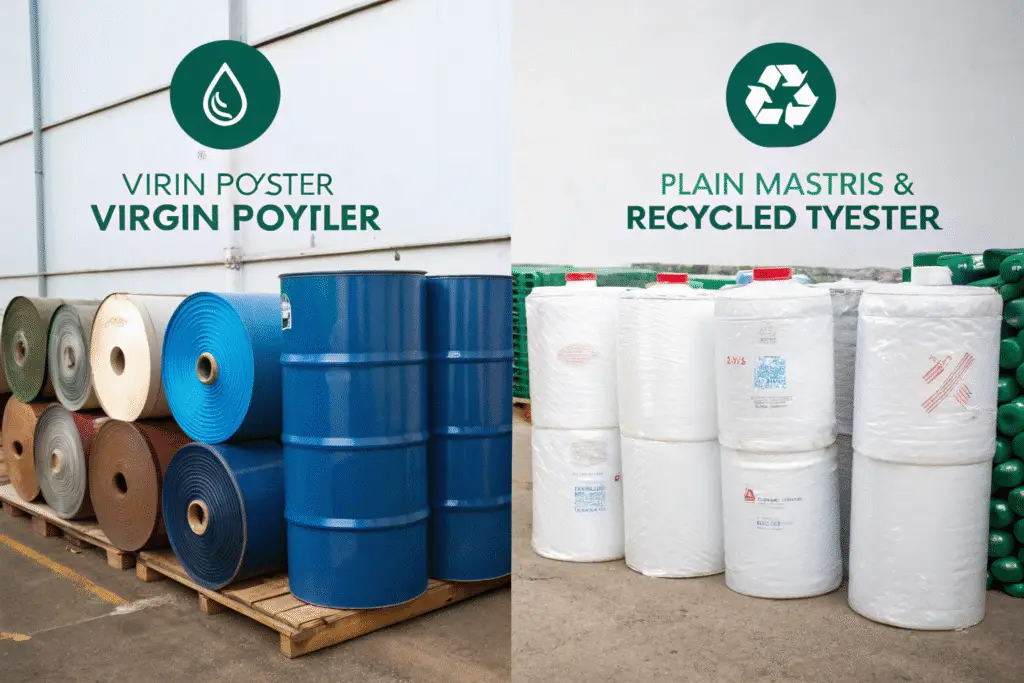
Recycled polyester has become the poster child for circular fashion. It repurposes post-consumer plastic—especially PET bottles—into functional fabric, reducing reliance on fossil fuels.
Brands use recycled polyester because it reduces plastic waste, lowers carbon emissions, and appeals to environmentally conscious consumers. It also performs similarly to virgin polyester in apparel production.

How Is Recycled Polyester Made?
The most common source is PET bottles, which are:
- Collected and cleaned
- Shredded into flakes
- Melted and extruded into yarn
- Spun and woven into fabric
This process requires less energy than producing polyester from petroleum. We work with mills that specialize in converting rPET flakes into custom-denier yarns for knit and woven fabrics.
Why Are Brands Adopting It Quickly?
Large retailers like Patagonia, H&M, and Nike use rPET to meet sustainability goals and reduce virgin plastic usage. Marketing it as “eco-friendlier” resonates well with Gen Z and millennial consumers.
What Are the Key Advantages of Using Recycled Polyester?
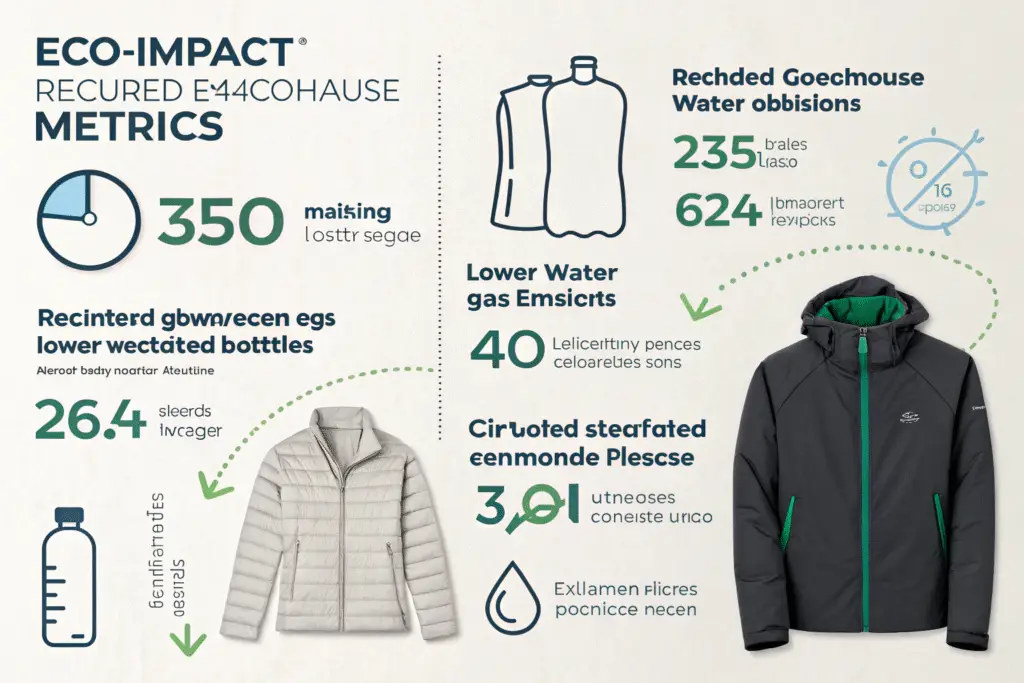
The shift to rPET isn’t just good PR—it has quantifiable environmental benefits.
Major benefits of recycled polyester include lower resource use, waste diversion, global supply availability, and material performance parity with virgin polyester.
How Much Waste Does rPET Actually Divert?
Each ton of recycled polyester can reuse over 60,000 PET bottles. Brands often market products as “made from 12 bottles” or “diverted from landfill,” which offers traceable eco claims if verified.
We source rPET yarns from mills that provide GRS certification (Global Recycled Standard), ensuring traceability and environmental reporting.
What Are the Technical Benefits for Apparel Use?
- Durability: Performs like virgin polyester
- Moisture-wicking: Ideal for sportswear and outerwear
- Colorfastness: Holds dye well, including sublimation
- Compatibility: Works with blends (e.g., cotton/poly or spandex/poly)
Our rPET fabrics are used in fleece, interlock, jersey, mesh, and dobby weaves across multiple apparel categories.
What Are the Challenges and Drawbacks of Recycled Polyester?
Despite its eco-friendly reputation, rPET is not without flaws. Understanding its limitations helps brands communicate honestly and build truly sustainable systems.
Key concerns include microfiber shedding, dependency on PET bottle waste, non-biodegradability, and energy-intense mechanical recycling.
What’s the Issue with Microplastic Pollution?
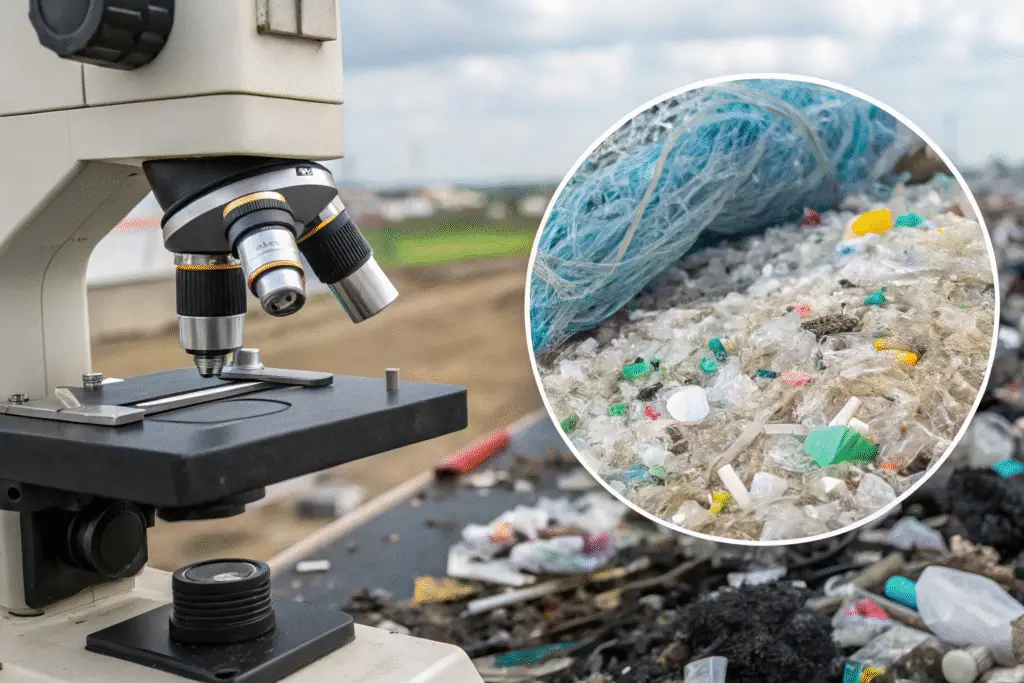
When washed, synthetic fibers—including rPET—release microplastics that pass through wastewater systems and end up in oceans. According to The Ellen MacArthur Foundation, textiles contribute up to 35% of global microplastic pollution.
Solutions include:
- Using tighter weaves or knits
- Partnering with filter brands like Guppyfriend
- Offering consumer education and wash guidelines
Is Recycled Polyester Truly Circular?
Currently, most rPET comes from bottles—not old clothes. Recycling garments into new fabric (textile-to-textile) remains limited due to sorting challenges and blend compositions. Chemical recycling (depolymerization) is growing but isn’t yet widespread.
So while rPET is a step forward, it’s not yet a closed-loop solution.
How to Source Reliable and Certified Recycled Polyester?
If you’re planning to include recycled polyester in your line, it’s critical to source from certified suppliers and verify the fiber’s origin.
Look for third-party certifications like GRS and OEKO-TEX, use sample and batch testing, and partner with experienced manufacturers who work with recycled yarns.
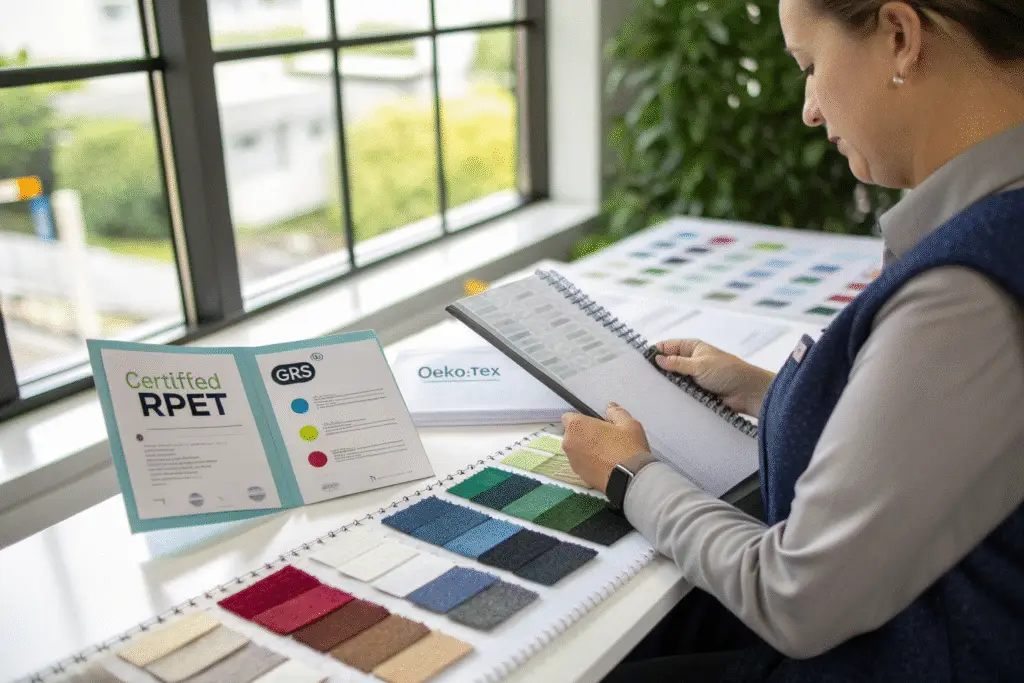
What Certifications Should You Ask For?
- GRS (Global Recycled Standard) – Full chain-of-custody from bottle to fabric
- OEKO-TEX Standard 100 – Safe for human contact
- rPET labels or post-consumer content statements – For marketing claims
We partner with mills that hold these certifications and offer dye lot tests and shrinkage reports with every bulk order.
Where Can You Find Certified rPET Fabric Sources?
Check:
- Textile Exchange Supplier Directory
- Common Objective for sustainable sourcing guides
- Repreve, one of the largest branded rPET yarn suppliers
- Direct OEMs like us that support custom rPET fabric development with MOQ flexibility
We assist buyers in selecting appropriate GSM, finishes (brushed, moisture-wicking, anti-bac), and fiber ratios based on end use.
Conclusion
Recycled polyester is a meaningful step toward sustainable fashion—but it’s not a silver bullet. It offers clear environmental benefits when used responsibly and certified properly, but brands must remain transparent about its limits and impacts.
At Fumao Clothing, we offer full-package production with rPET fabrics, including sourcing, sampling, testing, and delivery. If you’re looking to include certified recycled polyester in your collection, reach out to our Business Director Elaine at elaine@fumaoclothing.com. Let’s build a greener supply chain—one thread at a time.