The adaptive clothing market is no longer a niche. It’s a rapidly growing sector fueled by rising demand from seniors, people with disabilities, and inclusive fashion consumers. As manufacturers, we’ve seen a dramatic shift in how apparel is designed, produced, and promoted to meet these needs.
The latest trends in adaptive clothing manufacturing include magnetic closures, stretchable and tagless fabrics, seated-wear tailoring, inclusive sizing, and sensory-friendly materials—delivered through scalable full-package production. These innovations aren’t just about accessibility—they’re about dignity, independence, and aesthetics.
This article explores the current design innovations, production shifts, sourcing strategies, and global brand movements shaping the adaptive wear space. If you’re a brand buyer or distributor planning to enter this market, now’s the time to understand what manufacturers like us can do to support inclusive fashion at scale.
What Are the Most In-Demand Adaptive Garment Features?
Traditional clothing wasn’t made with physical or sensory challenges in mind. Adaptive fashion bridges that gap with real solutions to everyday dressing struggles.
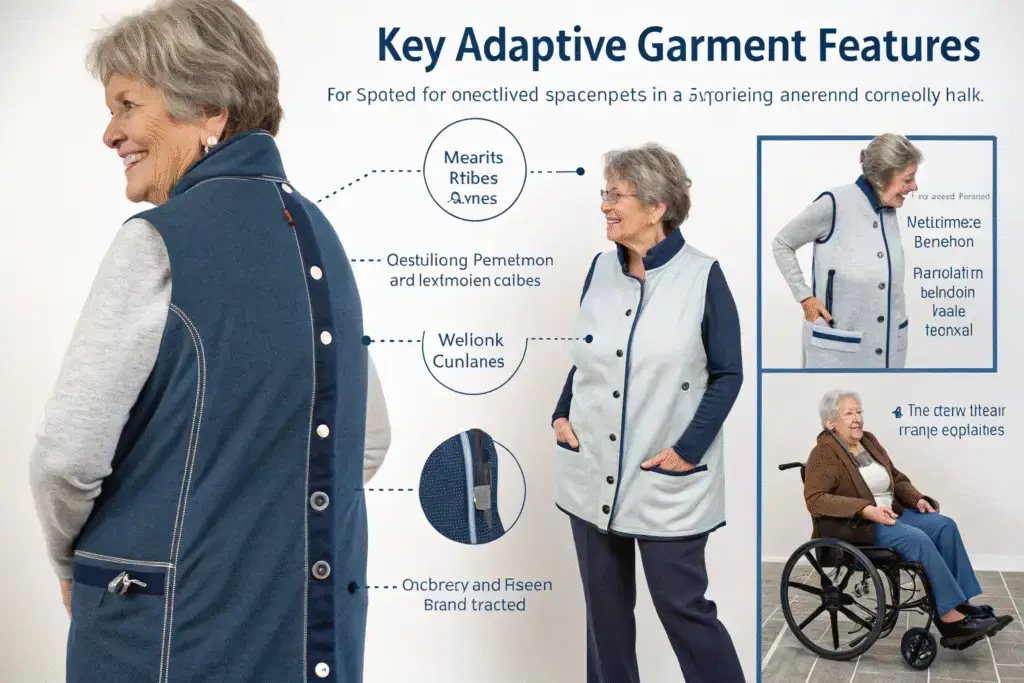
The top adaptive garment features include magnetic or velcro fastenings, elastic waistbands, open-back closures, flat seams, seated-friendly cuts, and tagless labels.
Why Are Magnetic Closures a Game-Changer?
Magnetic buttons simplify dressing for people with arthritis, limited motor skills, or stroke recovery. Brands like MagnaReady popularized the concept, and now many manufacturers—including ours—integrate Fidlock® magnetic technology into shirts and pants.
We embed magnets between fabric layers during production to preserve aesthetics while enhancing function.
What Is Seated-Wear Tailoring?
For wheelchair users or bed-bound individuals, standard patterns cause bunching or discomfort. Seated-wear involves front-lowered waistbands, extended rise in back, and angled pockets.
Our CAD team develops specific blocks for seated posture, allowing brands to scale inclusive sizing with universal design principles.
Which Fabrics Work Best for Sensory and Functional Needs?
Fabric choice is critical in adaptive fashion. Customers often have sensitivities—physical or neurological—making comfort and functionality more important than style alone.
Top adaptive fabrics include bamboo blends, stretchable knits, Tencel modal, seamless cotton, and moisture-wicking jersey—all focused on softness, breathability, and stretch.
Why Are Tagless and Seamless Designs Growing?
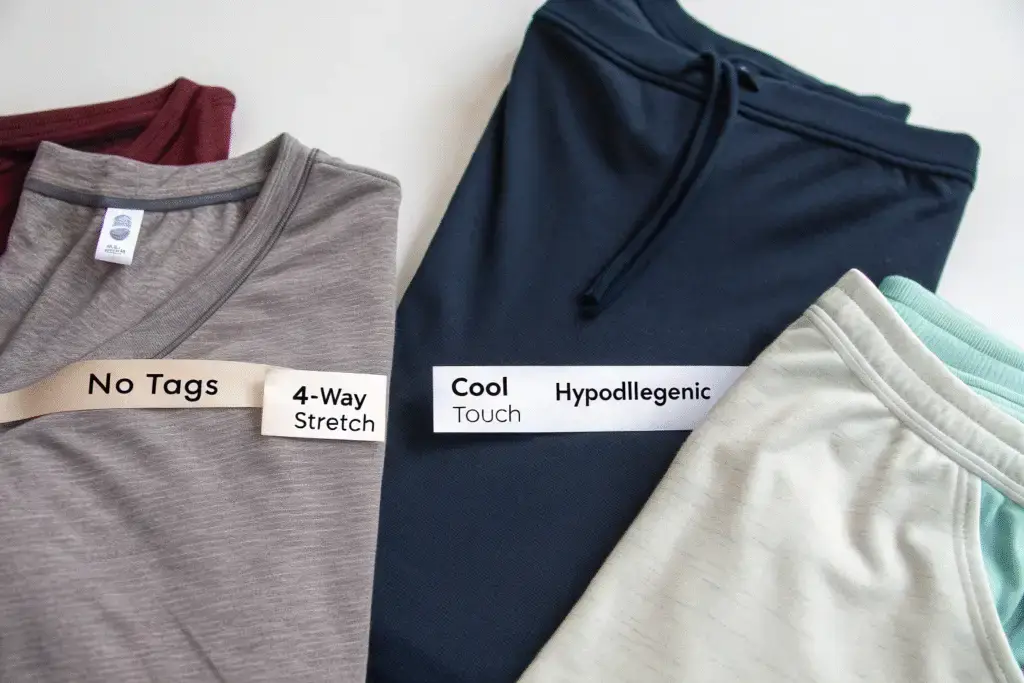
Tags, seams, and rough finishes can irritate people with autism or sensory processing disorders. That’s why we offer laser-cut heat transfer labels and seamless knitting technology.
These methods are widely used in adaptive t-shirts, undergarments, and sleepwear, especially for pediatric or elder care markets.
What Role Does Fabric Stretch and Recovery Play?
Fabrics must accommodate limb movement, brace devices, or post-surgery swelling. We use 4-way stretch blends with high spandex ratios, often combined with antimicrobial treatments from partners like HeiQ or Polygiene.
This ensures garments hold shape after multiple uses while maintaining softness and hygiene.
How Is Manufacturing Adapting to Inclusive Design Requirements?
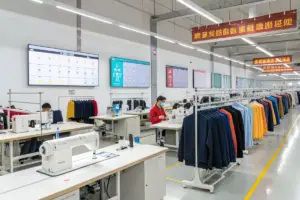
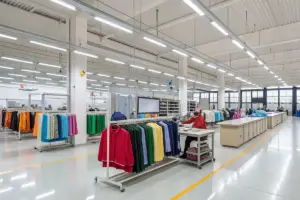
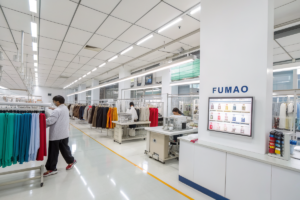
Manufacturing adaptive wear isn’t just about design—it demands new processes, patterns, and QC standards. Factories must adapt too.
Adaptive manufacturing integrates pattern engineering, small-batch flexibility, custom trims, and user-tested prototyping. The goal is functionality without medicalized appearance.
How Do Factories Adjust Patterns for Adaptive Garments?
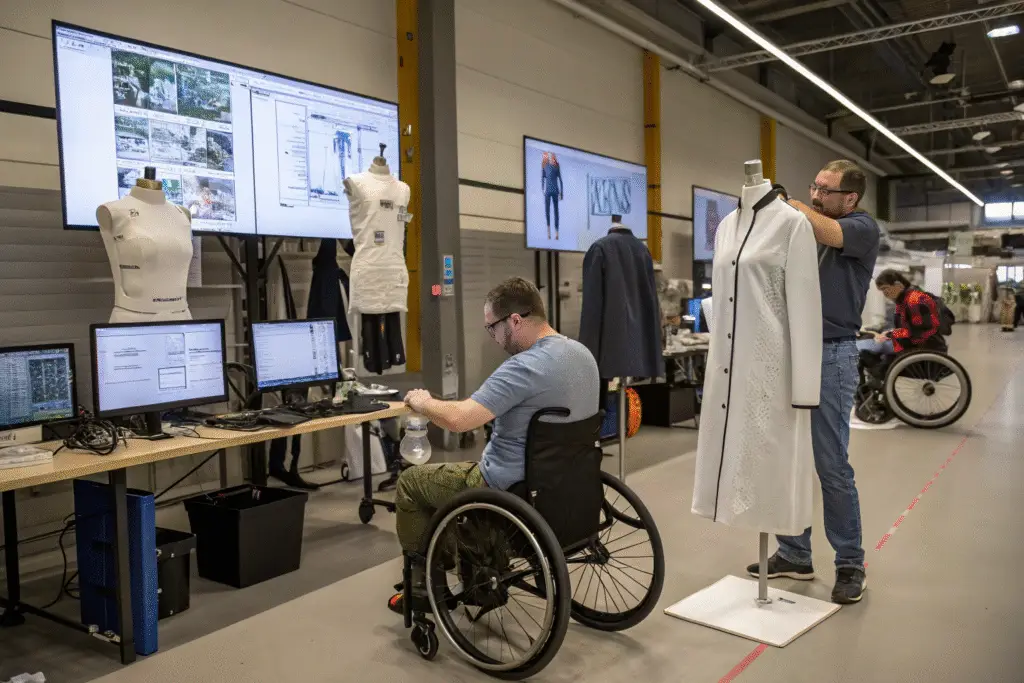
We build adaptive blocks with altered seam placements, larger armholes, full-length zippers, and access panels for medical ports or catheters. These changes require new sewing logic and fit models.
Our team works with client tech packs and real-user trials to refine these specifications—especially when producing for rehab centers or eldercare buyers.
What Quality Checks Are Important in Adaptive Production?
More than aesthetics, adaptive garments are functional tools. Our QC team checks:
- Closure strength (magnet pull test)
- Seam softness and heat sealing
- Stretch/recovery ratios
- Accessible sizing labels
- Durability after 10+ wash cycles
We provide AQL reports and fitting samples on both standing and seated mannequins for approval before mass production.
What Global Brands Are Leading Adaptive Fashion Innovation?
Big brands are catching up to what small communities have long needed—functional, stylish adaptive clothing. Their success stories signal strong market potential for new entrants and OEM manufacturers alike.
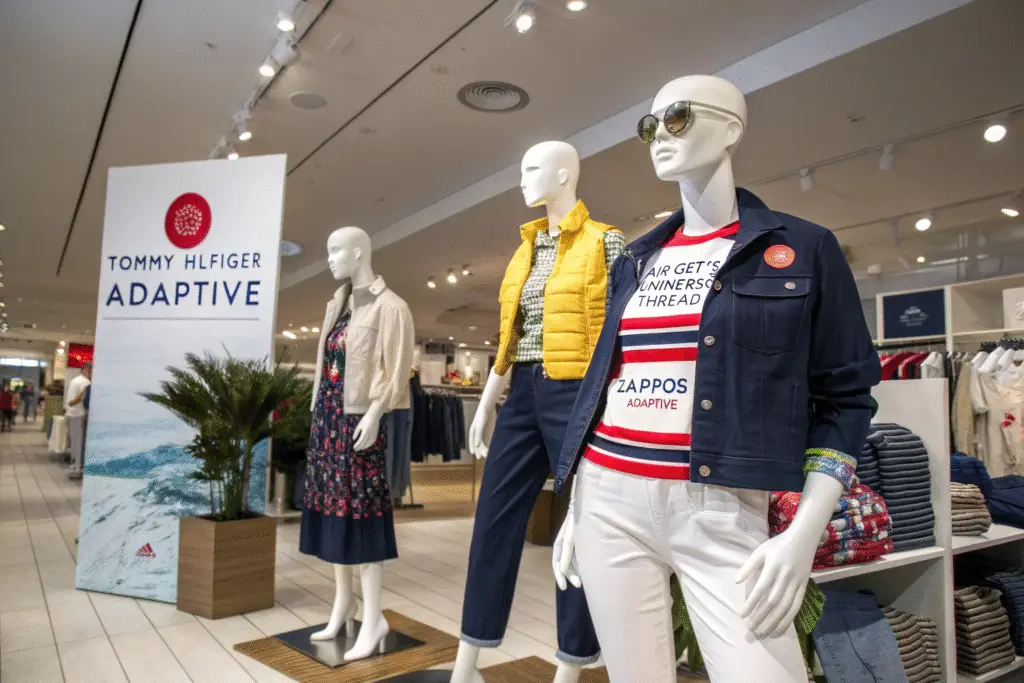
Leaders like Tommy Hilfiger Adaptive, Zappos Adaptive, and Nike FlyEase have made adaptive fashion mainstream, offering examples of scalable, inclusive design.
What Did Tommy Hilfiger Adaptive Change in the Industry?
T.H. Adaptive launched the first full-line designer adaptive collection. Their use of velcro, magnet closures, and seated-fit pants set the standard for stylish function.
Their model shows how mainstream brands can incorporate adaptive lines without rebranding completely—just segment and serve.
Why Is Zappos Adaptive a Model for D2C Inclusive Retail?
Zappos Adaptive created a retail hub focused on easy dressing. Their “Single & Different Size Shoes” program, wheelchair-fitting jeans, and autism-friendly t-shirts are paired with educational videos and easy returns.
Their platform shows how D2C adaptive fashion can thrive with the right UX and product integrity.
Conclusion
Adaptive clothing manufacturing is entering a golden phase where dignity meets design. From magnetic fastenings to sensory-safe fabrics, the future of apparel is inclusive. Factories like ours at Fumao Clothing are at the forefront—offering flexibility, scalability, and empathy in production.
If you’re developing or expanding an adaptive clothing line, we’d love to partner with you. Contact our Business Director Elaine at elaine@fumaoclothing.com to explore full-package solutions for your next adaptive collection—from prototyping to DDP delivery.