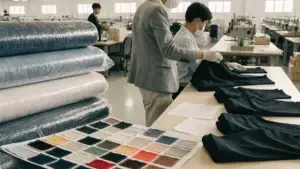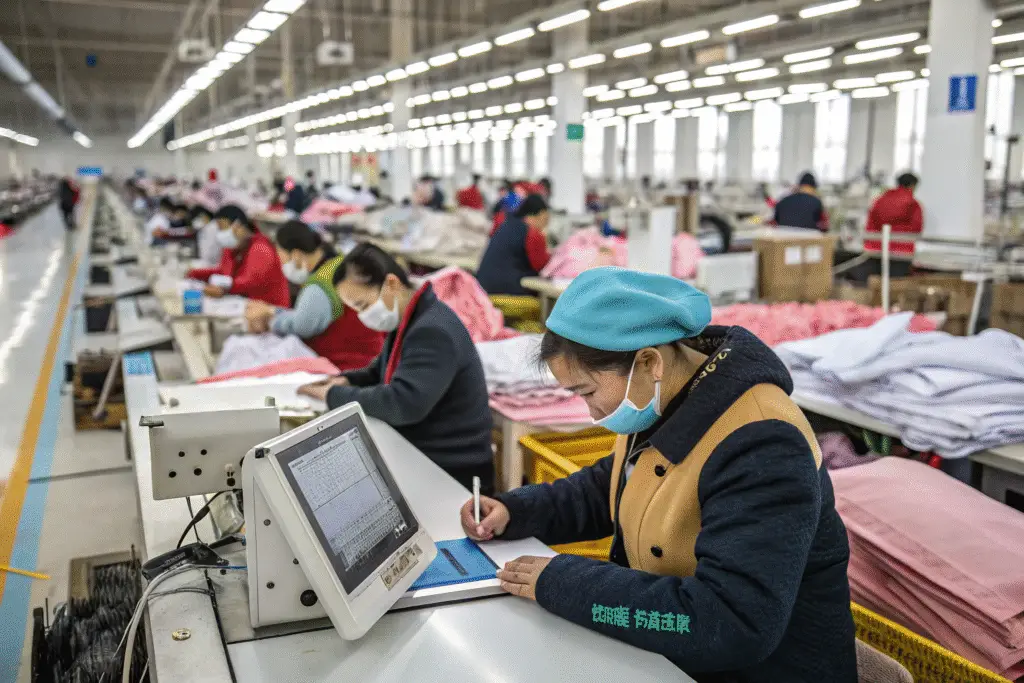
When Ron from the U.S.—a confident, price-sensitive apparel buyer—places a complex clothing order, time is of the essence. But for many factories, even seasoned ones, managing production scheduling across multiple SKUs, sizes, fabrics, and finishing requirements can become a logistical nightmare. Missed ship dates often mean lost selling seasons, overstock, or damaged retailer relationships.
Managing production scheduling for complex clothing orders requires structured processes, clear communication, and flexible manufacturing systems that align design complexity with operational execution.
At Fumao Clothing, we’ve spent over a decade working with ambitious American brands on intricate apparel manufacturing schedules. From kids’ wear to seasonal capsule collections, we’ve developed systems and strategies that ensure precision even for high-mix, high-volume production demands.
What Factors Make Clothing Production Scheduling Complex?
When brands plan high-volume orders with customizations, complexity spikes fast. You’re no longer just making T-shirts. You’re dealing with different patterns, fabric types, trims, sizes, and packing instructions—all of which impact how and when each unit gets produced.
The more product types and specifications involved, the more sophisticated your scheduling system must be to avoid costly delays or bottlenecks.
Why Do Multiple SKUs Disrupt Factory Flow?
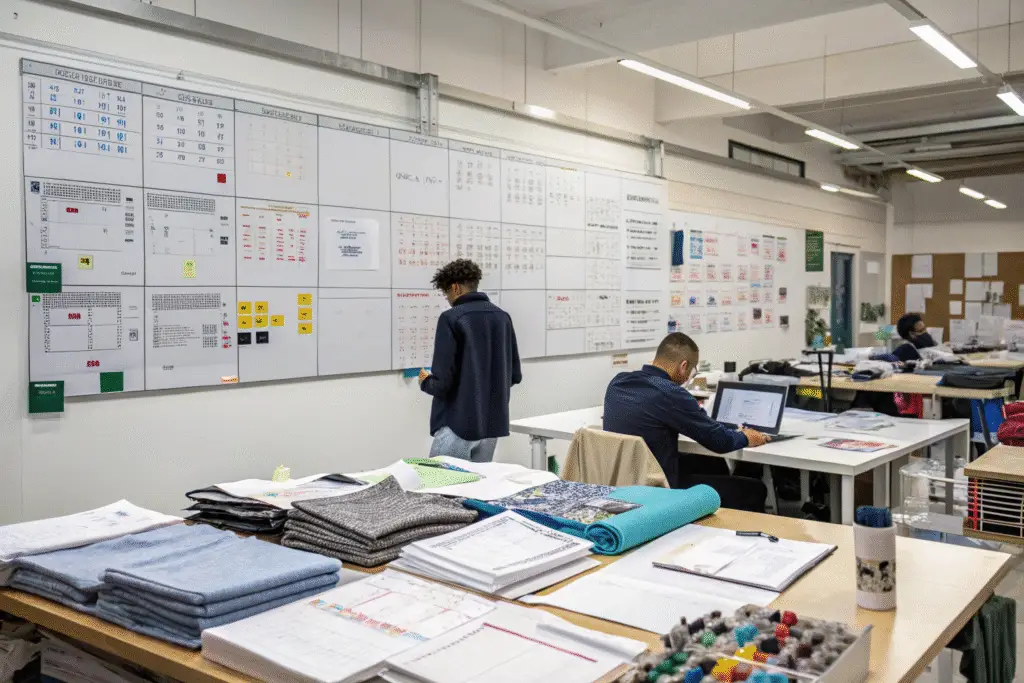
Each additional SKU—be it a new size, color, or design variation—introduces another setup cycle. Switching machines, training staff, and verifying measurements slow down the process. For example, a 3-style order in 4 colors and 6 sizes means 72 unique production runs. That demands razor-sharp planning.
To handle this, factories like ours use modular planning software and lean methodology. We build out micro-batches with color-coded priority and assign team leads to manage their own bundles.
Learn more about lean apparel production or explore ERP systems for garment scheduling.
How Does Fabric Availability Influence Timeline?
Fabric delays can derail an entire schedule. Especially when sourcing specialty materials like brushed fleece or GRS-certified rPET, lead times vary dramatically. If fabric arrives out of sync with other inputs (zippers, linings, labels), production grinds to a halt.
We work with clients to pre-book fabric in sync with design approvals. In high-stakes cases, we advise air shipping critical components to preserve delivery timelines.
Check this fabric lead time guide or explore how to reduce delays in raw material procurement.
How to Build a Flexible Yet Accurate Production Timeline?
Most buyers want both speed and accuracy, but few realize that factories need lead time buffers to stay nimble. So how do we promise precision without locking ourselves into rigid timelines?
The answer lies in building flexible production windows using pre-line trials, buffer allocations, and staged approvals.
What Is a Pre-Production Line Trial?
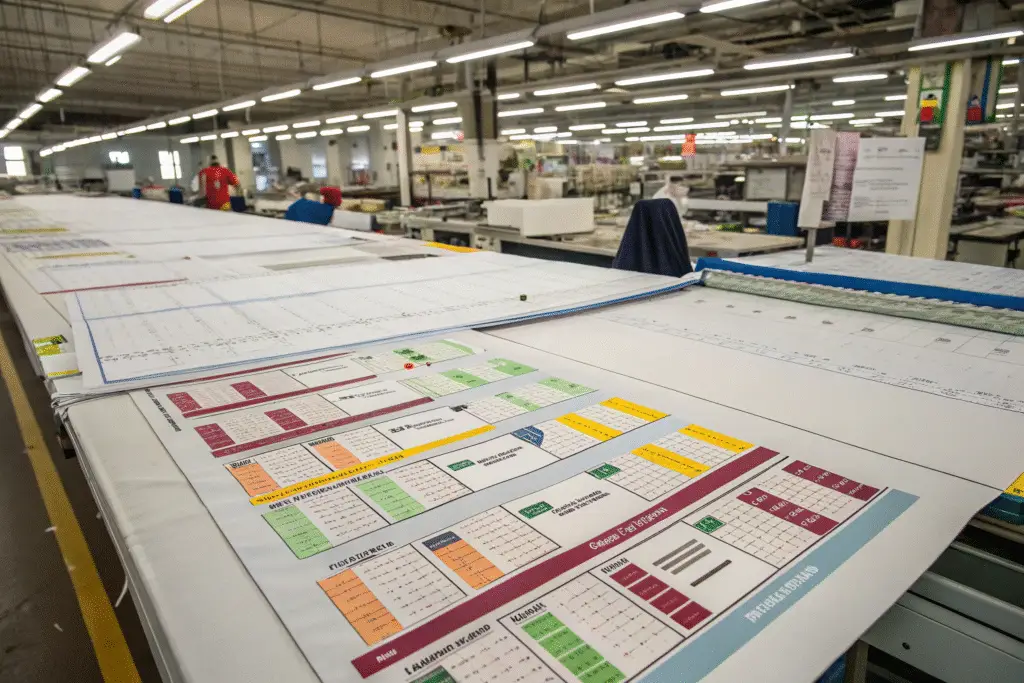
Before formal bulk cutting begins, we test production capacity through a pre-line trial—a small batch run of final-approved designs under live floor conditions. This confirms that measurements, sewing techniques, and trims behave as planned.
At Fumao, our pre-line trials have saved countless brands from scaling faulty designs. They allow real-time recalibration of time-per-unit estimates and prevent production overruns.
Learn how pre-production trials reduce risk or explore QA best practices in bulk production.
How Can Buffer Zones Save Time?
Buffers are short flexible periods inserted into the master plan between critical steps—such as fabric inspection, cutting, and final assembly. These protect the entire timeline from snowball delays.
In our factory, we always assign 5–8% buffer to any order involving complex trim applications or imported fabrics. It’s an insurance policy that keeps our promise of on-time delivery even during peak season.
You can read more about buffer time strategies in garment factories or dive into advanced planning models in apparel.
What Tools Help Keep Complex Orders on Track?
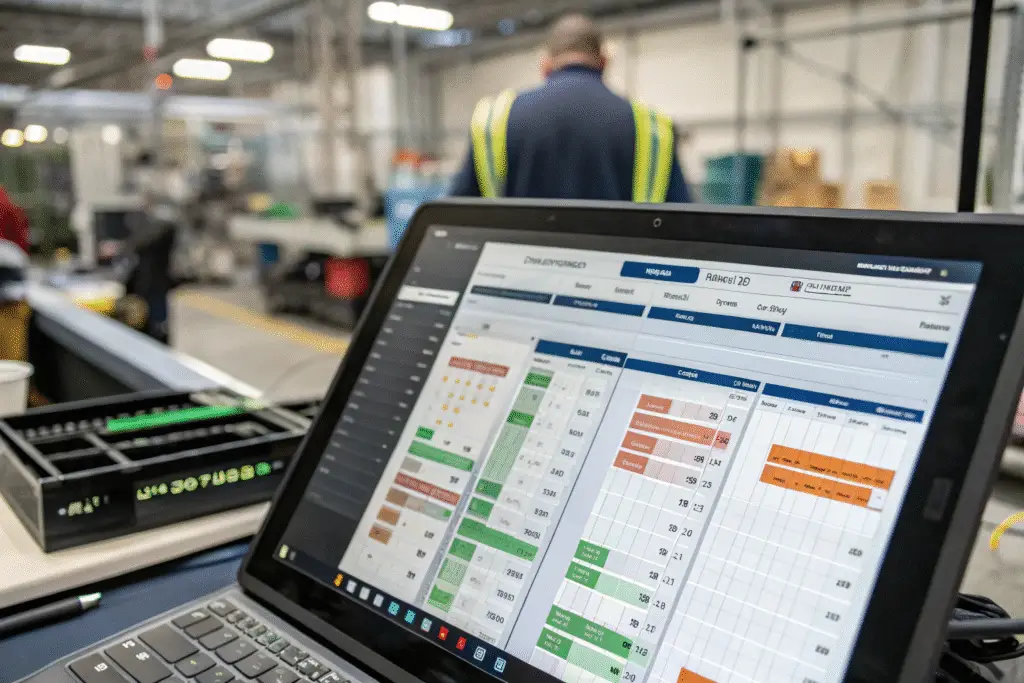
Old-school Excel sheets can’t handle today’s order complexity. We invested in digital production planning software that links every department—from pattern room to packaging.
Real-time data, automation, and visual dashboards now drive accurate decision-making across all our production lines.
What Is a Garment Manufacturing Execution System?
A Manufacturing Execution System (MES) tracks each stage of production in real time. We use it to see exactly how many units are completed, where bottlenecks exist, and what resources are underused.
This gives our clients complete transparency. When Ron logs into our buyer portal, he sees fabric arrival status, stitching progress, and even QC rejections for his specific SKUs.
Explore MES software for clothing production or understand real-time tracking benefits in apparel.
Can Barcode Scanning Improve Production Control?
Yes—especially when dozens of SKUs are stitched, packed, and shipped daily. We barcode each bundle. When workers scan it at each stage (cutting, stitching, QC), data updates in real time.
This stops misrouting, allows accountability, and supports traceability, which is critical for brands needing compliance audits or BSCI-certified production.
Learn more about barcode systems in fashion supply chains or see how RFID improves production.
How to Align Logistics with Production Timelines?
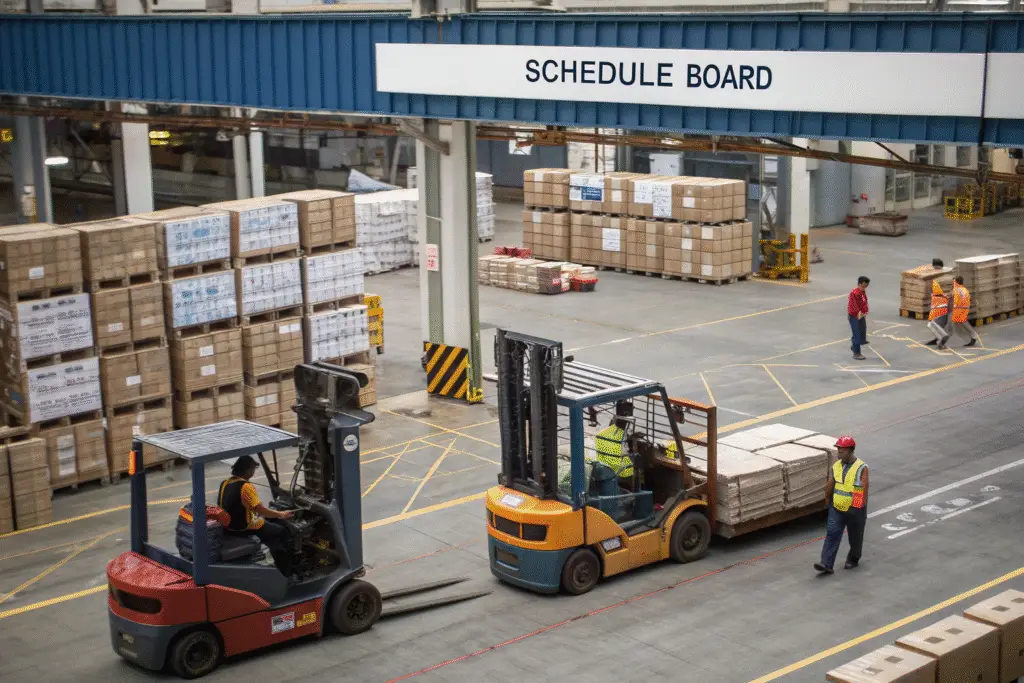
Even with perfect factory timing, poor export coordination can ruin the whole plan. That’s why we integrate production with logistics right from the planning phase.
From carton labeling to DDP delivery, we align our manufacturing calendar with shipping cutoffs, booking windows, and customs prep.
Why Are Carton Packing Instructions Crucial?
For many clients, how the goods are packed is as important as the goods themselves. We sync carton packing with brand guidelines—by size, color, PO, and store destination.
Packing starts early in our planning stage. This ensures compliance with U.S. distribution center standards and avoids repacking costs.
You can explore how poor packing affects distribution or review carton labeling requirements by retailers.
How Do DDP Services Streamline Final Delivery?
Ron prefers DDP (Delivered Duty Paid) because it removes his customs headache. We calculate total landed cost, handle all export paperwork, and use reliable freight partners.
This integration prevents surprise delays at port or customs. It also allows us to build backward from the delivery deadline when planning factory schedules.
Review DDP advantages for U.S. importers or understand how DDP ensures cost transparency.
Conclusion
Managing production scheduling for complex clothing orders is both an art and a science. It requires aligning fabric supply, labor capacity, customization workflows, and shipping deadlines—all while maintaining quality and flexibility. At Fumao Clothing, our systems are built to handle this complexity with confidence.
If you’re a brand buyer or distributor who values both transparency and precision, we’d love to help you bring your apparel ideas to life without delays. To start your production journey with Shanghai Fumao, contact our Business Director Elaine at: elaine@fumaoclothing.com.