Polyester, nylon, and polyamide are three of the most commonly used synthetic fibers in the garment industry. For sourcing professionals like Ron who are always looking for a balance between performance, cost, and aesthetics, understanding these material differences is critical to building a profitable and high-quality apparel line.
Polyester is affordable and widely used, nylon is strong and elastic, while polyamide refers to the chemical family that includes nylon—but each fiber behaves differently in wear and manufacturing.
When sourcing from factories like ours in China, a clear understanding of how these fibers behave can directly influence your brand's fabric choice, product performance, and profit margin. Whether you're building a durable sportswear collection or a luxury knitwear line, this guide breaks down what truly matters when comparing polyester, nylon, and polyamide for your apparel manufacturing strategy.
Which Fiber Offers the Best Durability for Garments?
Polyester: Hard-Wearing and Colorfast
Polyester is widely appreciated for its exceptional resistance to wear, fading, and pilling. It is particularly popular for outdoor apparel, uniforms, and activewear, where color retention and ease of care are vital. Its low absorbency also makes it quick-drying, ideal for performance gear.
Nylon: Tough Yet Elastic
Nylon, a specific type of polyamide, is known for its tensile strength and elasticity, often used in high-stress areas such as knee panels, backpack straps, or tights. It can withstand repeated stretching without losing shape, making it ideal for swimwear and compression leggings. Its resistance to abrasion outperforms polyester in many use cases.

Why Is Abrasion Resistance Important in Performance Apparel?
When manufacturing clothing for sports, workwear, or children's use, abrasion resistance determines how long the product will last before showing signs of wear. Nylon generally outperforms polyester in this category. According to this textile durability test summary, nylon fabrics scored higher on Martindale and Taber tests.
Another benefit of nylon is that it’s naturally smooth and soft, adding a premium feel. Brands focused on luxury activewear often opt for nylon blends due to their balance of strength and softness. For more on nylon fabric properties, visit MasterClass's article.
How Do Repeated Washes Affect Fabric Lifespan?
Polyester is almost unbeatable in terms of colorfastness after repeated machine washing, especially when dyed with disperse dyes. Nylon, while durable, may yellow under UV exposure and lose sheen over time if not properly treated. Polyamide variants, depending on formulation, may require additional coatings to maintain surface smoothness.
A full review from ScienceDirect on textile aging explains that fiber degradation patterns differ based on polymer structure and finishing treatments.
How Do These Fabrics Differ in Moisture Control and Comfort?
Moisture Wicking: Polyester Dominates
Polyester fibers are hydrophobic, meaning they do not absorb moisture but instead channel it away from the skin. This makes them an industry favorite for athletic and moisture-wicking garments, especially in hot climates.
Nylon: Slightly More Absorbent
Although nylon also wicks moisture, it tends to absorb slightly more water than polyester, which can lead to a damp feel if not engineered with performance coatings. However, its breathability and smooth hand feel give it an edge in cool-weather performance wear.

Which Fiber Keeps the Skin Driest During Activity?
Polyester wins here, particularly in high-sweat environments. That’s why it's dominant in sports T-shirts and base layers. A comparison published in Apparel Resources showed that 100% polyester blends maintained the driest skin-to-fabric interface after one hour of exercise simulation.
Still, some manufacturers now use engineered nylon with mesh constructions or blends that include wicking finishes. A good overview of moisture management techniques can be found on Textile Today.
Is Polyamide Comfortable for Next-to-Skin Garments?
Polyamide (as a family of synthetic polymers) includes many grades. Some high-end forms are used in seamless lingerie and soft base layers due to their silky texture and moderate moisture handling. They're often chosen by brands prioritizing tactile comfort over high-sweat performance.
Check this detailed breakdown of polyamide applications in fabrics on Fibre2Fashion for sourcing insights.
What Are the Differences in Cost and Sourcing?
Polyester: Most Economical at Scale
Polyester is by far the cheapest of the three due to mass production, especially in countries like China. It's highly scalable, dye-friendly, and cost-efficient, making it ideal for large-volume sourcing.
Nylon: Mid-Range But Requires Finishing
Nylon costs more than polyester due to its higher production complexity and often requires special coatings for UV resistance or anti-pilling. It’s commonly sourced from China and Taiwan for technical wear.
Why Is Polyester Often the Go-To for Mass Production?
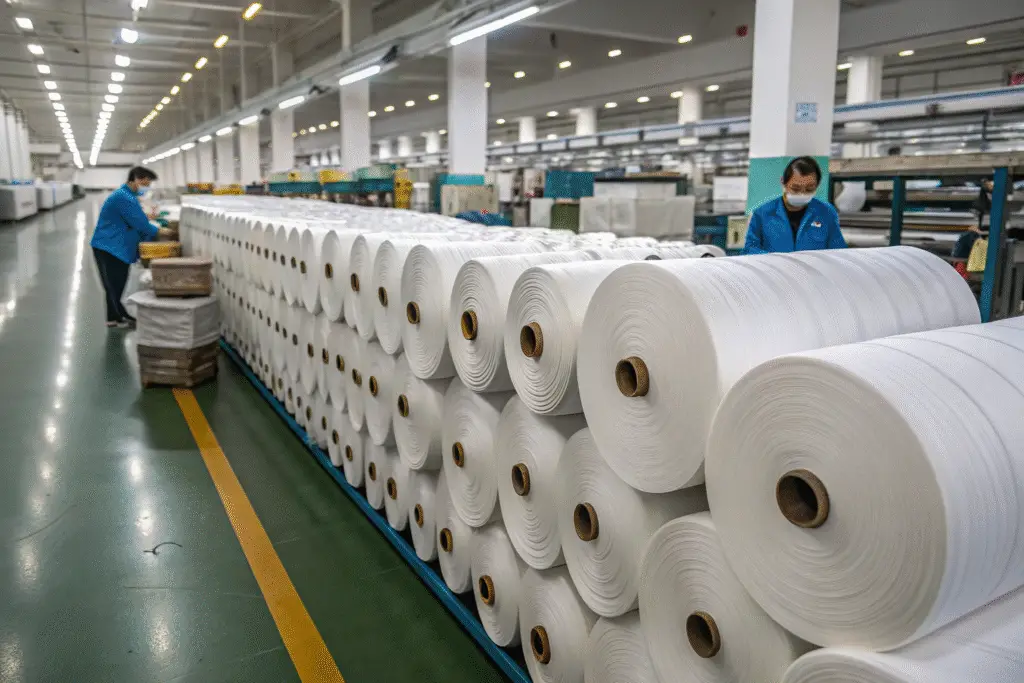
When we work with large U.S. buyers sourcing over 10,000 units per style, polyester is often selected to meet tight budget constraints. It has a consistent supply chain, and the ability to replicate colors and textures at scale. Many of our export clients use polyester for uniforms and promotional wear.
You can see this explained further on Alibaba’s polyester supplier breakdown for real-time cost comparisons.
Is Polyamide Always More Expensive?
Not necessarily. Polyamide encompasses both commodity-grade and specialty fibers. For example, PA6 and PA66, common industrial polyamides, are affordable. But high-end versions like micro-modal polyamide or bio-based blends drive up costs significantly. Brands sourcing from premium mills in Europe or Japan often pay double or more per kilogram.
For sourcing cost efficiency, we advise our clients to compare fiber types within the polyamide category, as some budget-friendly versions perform almost as well as branded nylons.
How Do Environmental and Recycling Aspects Compare?
Recycled Polyester: Growing Adoption
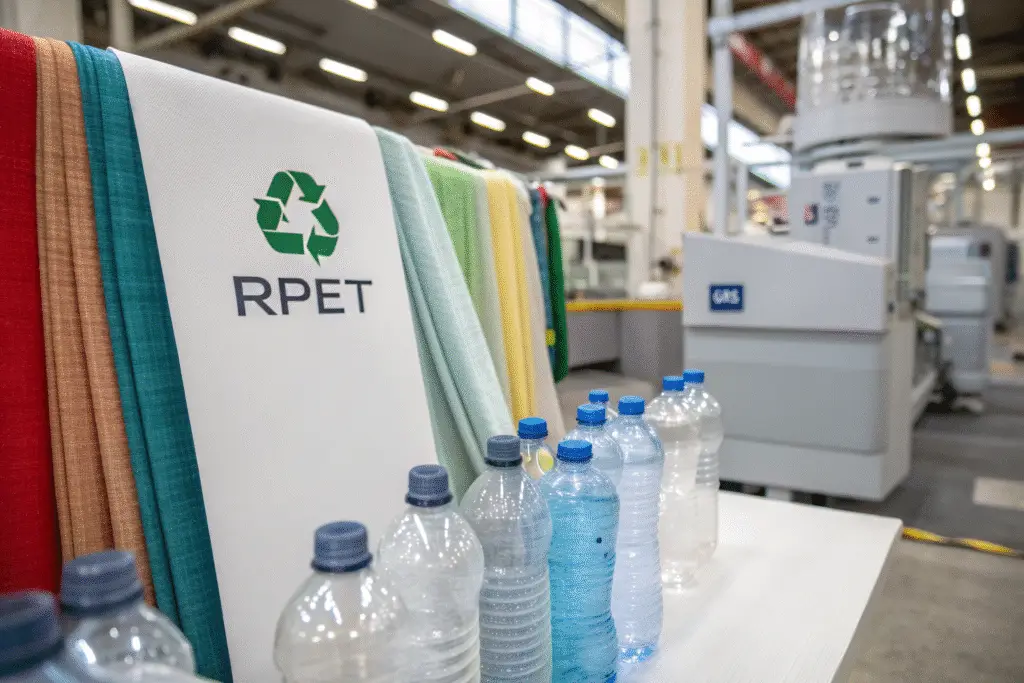
Many American brands are shifting to rPET (recycled polyester), made from plastic bottles. It’s more widely available and certified under GRS (Global Recycle Standard). We already offer this option through our fabric partners.
Nylon: Harder to Recycle but Advancing
Nylon’s recycling process is more chemically intensive, but technologies like Econyl are pioneering sustainable solutions from ocean waste and textile scraps.
What Certifications Should Buyers Look For?
Buyers like Ron should always ask for valid GRS, OEKO-TEX, or Bluesign certificates when sourcing recycled synthetics. This is especially important since some vendors provide falsified documents, as we’ve seen at trade shows. We work only with verifiable suppliers and are happy to connect buyers to third-party auditors.
For certification reference, consult Control Union’s GRS guidance or OEKO-TEX label requirements.
Is Bio-Based Polyamide the Future?
Yes, innovations in bio-based polyamide from castor oil and algae are being introduced by firms like Arkema and Evonik. These offer similar performance to nylon while reducing dependence on fossil fuels. Although prices remain high, sourcing from eco-forward factories like ours can help brands differentiate with sustainability claims.
Conclusion
Polyester, nylon, and polyamide each have unique strengths—and trade-offs. Polyester offers affordability and fast production. Nylon delivers stretch and toughness. Polyamide spans a wide range of premium textures and sustainable options. Your fabric choice should match your product’s usage, branding goals, and pricing strategy.
If you're a U.S.-based brand looking to produce high-quality apparel with the right synthetic fabric blend, Shanghai Fumao is here to help. Our vertically integrated factory model ensures consistency, while our export logistics expertise guarantees smooth delivery. Contact our Business Director Elaine at elaine@fumaoclothing.com to get started on your custom garment manufacturing today.