Vintage-inspired clothing is trending again—from 1970s boho silhouettes to ‘90s grunge and Y2K streetwear. For U.S. buyers seeking to ride the wave, wholesale sourcing offers the scale and margin to capitalize on nostalgia-driven fashion. But with so many suppliers out there, how do you find the right ones that deliver both authenticity and quality?
The key to sourcing vintage-style apparel wholesale lies in identifying detail-oriented manufacturers, verifying retro-inspired fabrics and washes, ensuring scalable customization, and staying ahead of style revival trends.
If you’re sourcing in bulk for a boutique or DTC brand, this guide will walk you through the critical considerations and supplier red flags in the vintage fashion sourcing process.
What Defines Vintage-Inspired Clothing Quality?
While vintage-inspired clothes borrow from the past, quality expectations today are modern. Buyers need to balance authenticity with wearable comfort, durability, and finish precision. The supplier’s attention to trim, wash, and silhouette detail will make or break your brand value.
What Design Elements Should You Prioritize?
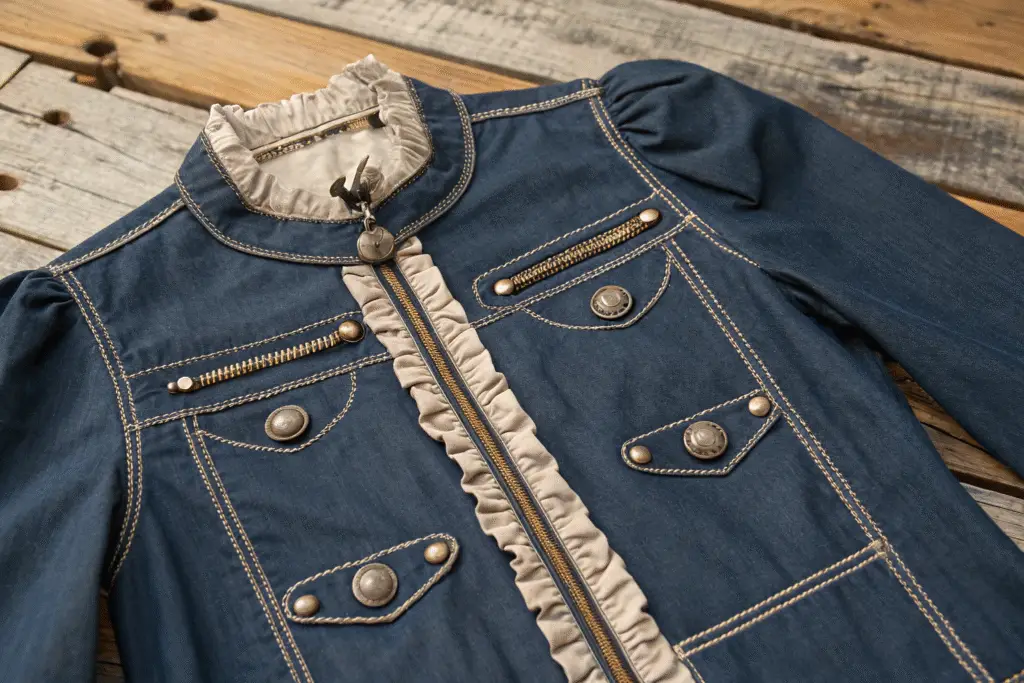
Authentic design elements such as high-rise waists, cropped hems, Peter Pan collars, and puff sleeves are non-negotiables. Look for factories that understand historical references and can reproduce classic 1970s silhouettes or 1990s grunge styles with modern construction.
Ask if they can handle contrast stitching, rustic hardware, or natural shell buttons. These details enhance perceived value. Use vintage lookbooks or Pinterest boards to communicate design goals clearly.
Suppliers with in-house pattern makers or sample rooms are better equipped to meet niche vintage specs.
How Can Fabric Selection Impact Authenticity?
Fabric is key to recreating vintage looks. Ask suppliers for stonewashed denim, enzyme-washed corduroy, rayon crepes, and slub jersey. A reputable mill should offer swatches that mimic worn-in handfeel and faded tones.
Platforms like SwatchOn and FabricSight offer vintage-inspired fabric libraries. Some factories also partner with dye houses that can recreate tea-dye effects or sun-fade washes.
Request fabric weight info (GSM) and shrinkage data before finalizing. Vintage styles should feel aged—but not worn out.
Where to Find Reliable Vintage-Style Manufacturers?
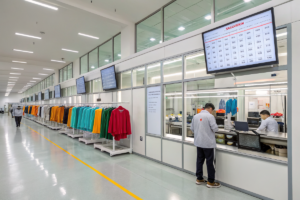
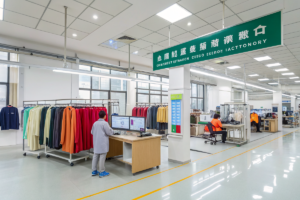
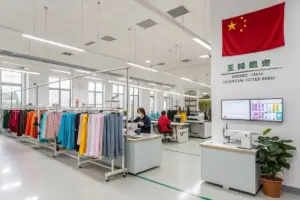
Not every factory understands retro fashion. The best suppliers specialize in fashion-forward small runs or have experience with heritage labels. Knowing where to look (and what to ask) can save months of back-and-forth.
Which Regions Specialize in Retro Production?
Guangzhou, Dongguan, and Hangzhou in China are well-known for fashion-forward manufacturing. Many factories there now focus on small-batch retro collections. You can also find solid options in India’s Jaipur for bohemian looks and Turkey for vintage denim.
On platforms like Alibaba or FashionTIY, filter suppliers by keyword tags like “vintage wash”, “retro silhouette”, or “Y2K ready”. Look for sellers with photos of puff-sleeve blouses, corduroy skirts, or floral wrap dresses.
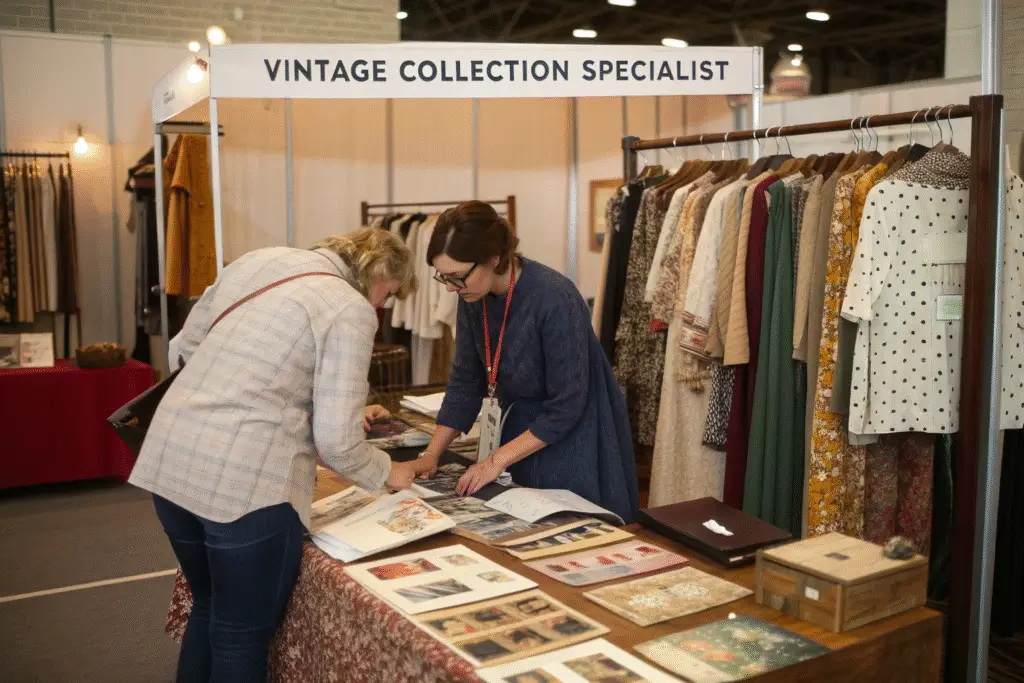
Attend trade shows like MAGIC Las Vegas or CHIC Shanghai to meet niche manufacturers directly.
What Should You Ask in Your Initial RFQ?
Ask for:
- Minimums per style and color
- Sampling lead time
- Vintage-specific wash capabilities (e.g. enzyme wash, sandblast)
- Stylebooks or prior retro projects
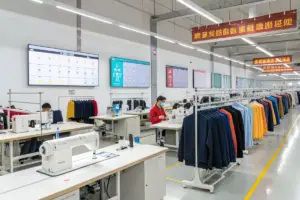
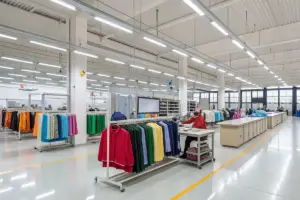
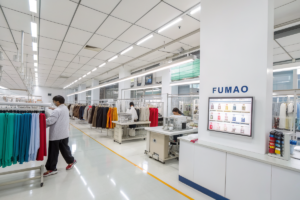
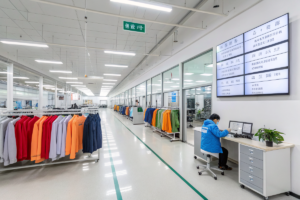
Use tech packs with visuals and fabric callouts. Ask for a past production video or photo album to see the factory’s craftsmanship. Verify factory size—5–10 lines is ideal for boutique wholesale.
Also, ask whether they can accommodate low-MOQ mixed style orders, which is common in vintage boutique lines.
How to Customize Vintage Looks Without High MOQs?
Customization is where the magic happens—but many vintage-focused buyers fear MOQ barriers. The good news? Some smart strategies let you customize prints, tags, and styles while keeping volume manageable.
Can You Print Custom Fabrics in Vintage Patterns?
Yes. Factories working with digital or reactive printing can help you print small runs of vintage florals or 80s-inspired stripes. Sites like Spoonflower or Contrado offer fabric print-on-demand, which you can ship to your factory for CMT (cut-make-trim).
Alternatively, ask your supplier if they have open-source print archives—many maintain seasonal libraries with classic paisleys, ditsy florals, or houndstooth options.
Ensure colorfastness and print alignment if you’re using rayon or viscose. These fabrics can distort without proper cutting and washing control.
What Labels and Trims Reinforce the Vintage Look?
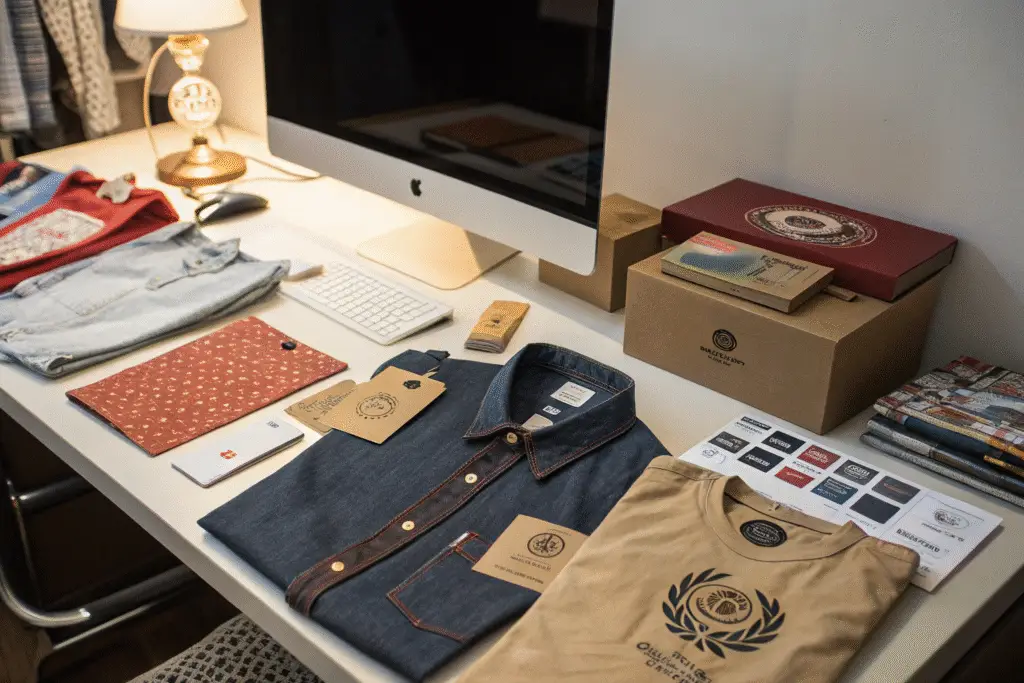
Use woven or printed neck labels in retro fonts, kraft swing tags, and branded wash care instructions. Adding small embroidered flourishes, like hearts or stars on cuffs, helps your brand pop.
Suppliers like Avery Dennison RBIS or Umar Label offer affordable options for vintage-themed tags and trims. Ask your supplier if they can source locally to save shipping cost.
We’ve worked with clients who added brass snap buttons, aged zippers, and sun-bleached effect topstitching to elevate their look—without increasing MOQ.
What Are the Vintage Trends Driving Demand Today?
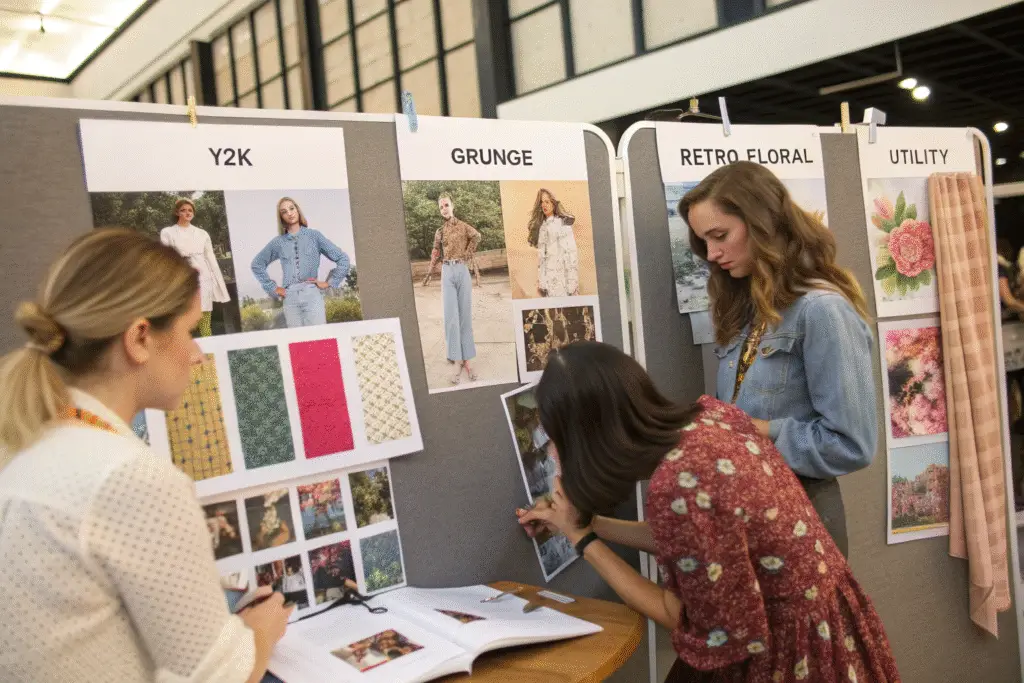
Vintage style isn’t static—it evolves with cultural trends. From Netflix nostalgia to TikTok-driven revivals, brands need to monitor shifts in decade inspiration. Aligning your bulk order with trend data improves sell-through and reduces stock risk.
Which Decades Are Popular in Today’s Market?
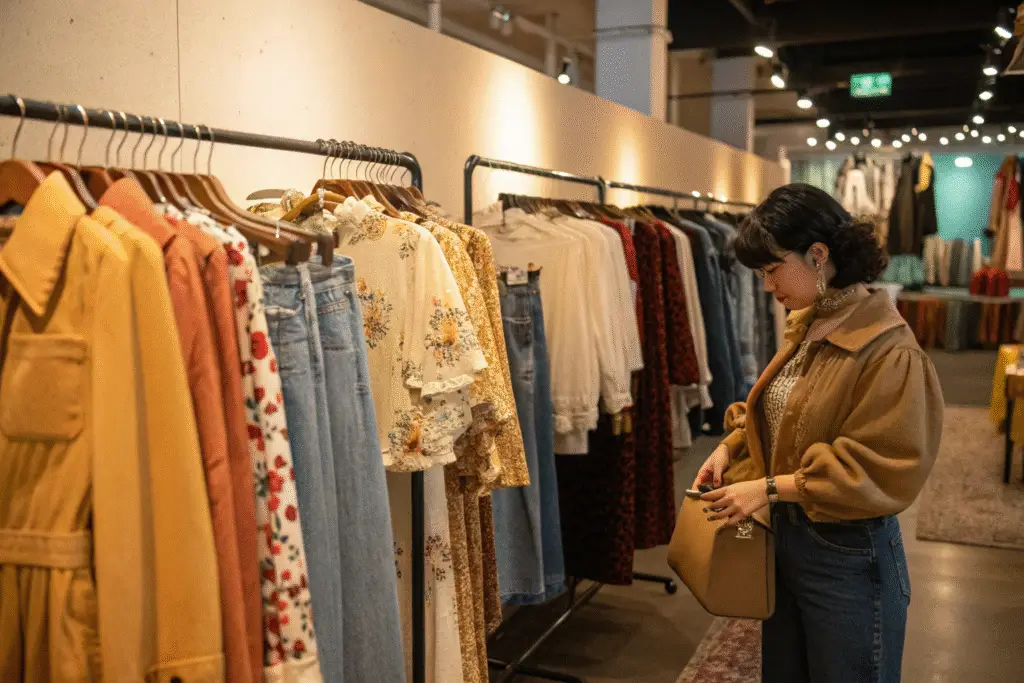
The 90s continue to dominate with oversized denim jackets, baby tees, and cargo pants. But 70s prairie looks—ruffled midi dresses, lace blouses, earth-tone palettes—are returning.
Track trends using WGSN, Google Trends, and social platforms like TikTok #vintagefashion. Also follow retailers like Free People, Reformation, and Urban Outfitters to anticipate trend alignment.
Make sure your supplier is flexible enough to adapt prints and silhouettes quarterly.
How Can You Predict Vintage Bestseller Styles?
Monitor search trends for “Y2K mini skirts”, “wide leg jeans”, or “cottagecore dresses”. Use tools like Trendalytics to gauge search growth.
Also, leverage past sales data to identify high-velocity silhouettes. Our own clients find that collared mini dresses, flared trousers, and cropped cardigans consistently perform in both retail and dropshipping models.
Don’t be afraid to A/B test styles using pre-orders or influencer sampling—vintage thrives on story and styling.
Conclusion
Sourcing vintage-inspired clothing wholesale is about more than old-school aesthetics. It’s about building a reliable, scalable product pipeline that reflects retro style with modern manufacturing precision. From fabric sourcing to trim customization, the right partners can make your next collection feel timeless and sell fast.
At Fumao Clothing, we help U.S. and European brands develop wholesale vintage collections using stonewashed fabrics, custom trims, and trend-responsive design services. Whether you’re creating a 70s-inspired dress line or Y2K streetwear range, we offer low-MOQ manufacturing and full-package service.
Contact our Business Director Elaine at elaine@fumaoclothing.com to get your next vintage-inspired collection started with a trustworthy factory.