As the demand for eco-conscious fashion grows, many American apparel buyers find themselves frustrated with “greenwashed” factories and inconsistent claims. Whether it’s falsified certifications or vague environmental promises, these red flags erode trust and cause costly disruptions.
Sustainable apparel manufacturing isn't just a marketing tactic—it’s a complete operational philosophy. From the fibers we choose to how we treat wastewater, every detail impacts a brand’s reputation, especially for those reselling under premium, ethical labels in the U.S.
If you're sourcing from China, like our many clients in the U.S. and Europe, knowing what truly defines a sustainable factory is key to avoiding reputational risks and missed opportunities. Here’s how we at Fumao Clothing help forward-thinking buyers implement truly sustainable practices—backed by performance, not just promises.
What Makes Raw Material Sourcing Truly Sustainable?
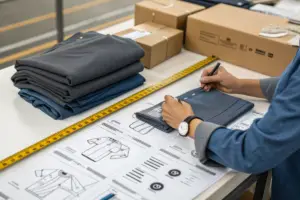
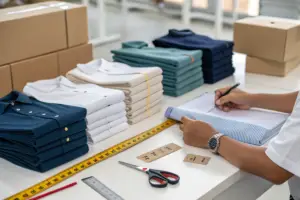
Choosing the right materials sets the tone for an entire collection. Many buyers mistakenly assume that “organic” or “recycled” alone makes a garment sustainable. In reality, traceability and verification matter just as much.
The most reliable suppliers use third-party verified raw materials—like GOTS-certified organic cotton, GRS-certified recycled polyester, and FSC-certified viscose—to ensure sustainability claims are legitimate.

How Can You Verify Fabric Sustainability Claims?
For buyers like Ron—who are focused on low-cost sourcing but also want real environmental credentials—supplier documentation must pass independent scrutiny. Always request test reports and transactional certificates from recognized bodies such as Control Union or Ecocert.
We also recommend choosing mills that are part of recognized industry initiatives like OEKO-TEX® or the Better Cotton Initiative. These programs ensure not only safer inputs but also fair labor and responsible water use.
Should You Choose Recycled or Regenerative Fabrics?
Recycled polyester offers clear post-consumer waste benefits, especially when certified by Global Recycled Standard (GRS). But regenerative cotton—grown with biodiversity and soil health in mind—is quickly gaining attention for luxury apparel.
Both options are viable, depending on your collection’s price points and customer values. When we manufacture for U.S. brands targeting Gen Z or eco-conscious millennials, we often recommend combining recycled trims with regenerative cotton body fabrics for a strong ethical narrative.
How Should You Reduce Water & Chemical Waste in Production?
Traditional dyeing processes can be highly toxic and water-intensive. Sustainable manufacturing requires a radical shift in how we color, treat, and finish fabrics.
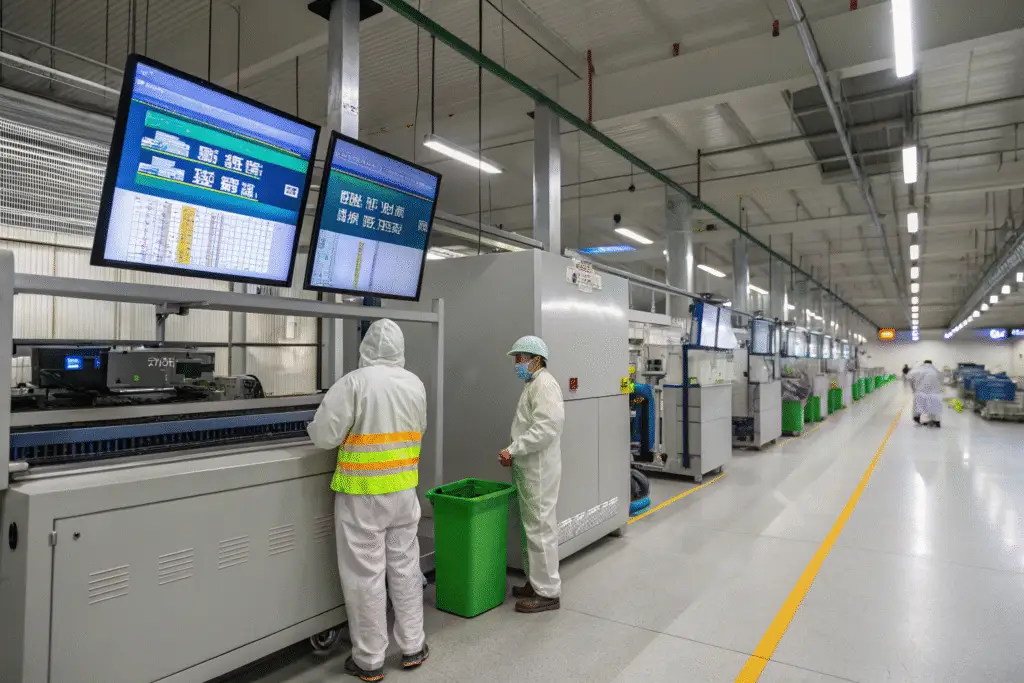
We use low-impact dyes, closed-loop water systems, and fully compliant effluent treatment facilities (ETP) to ensure safe chemical handling and minimal discharge.
Are Waterless Dyeing Techniques Feasible for All Fabrics?
While technologies like CO₂ dyeing and digital pigment printing dramatically reduce water usage, they aren't suitable for every fiber. For example, they work well for polyester, but not always for cotton knits.
That’s why we also implement enzymatic pre-treatment and batch-size optimization to lower water use even in traditional reactive dyeing. In our Shanghai-area facility, these methods help reduce water by over 40%, aligning with global standards from ZDHC.
What Chemical Certifications Should You Request?
Responsible buyers ask for compliance with restricted substance lists (RSL) from brands like Bluesign®, OEKO-TEX® Standard 100, and ZDHC Level 3 certifications.
When you source with Fumao, we give you access to our real-time inventory of compliant dyes and auxiliaries, which supports both U.S. Prop 65 standards and REACH regulations in Europe—ideal for export-oriented apparel brands.
What Role Does Energy Use Play in Sustainable Manufacturing?
Energy is the hidden cost of sustainability. Every garment produced requires lighting, cutting, sewing, and ironing—making the carbon footprint surprisingly high.
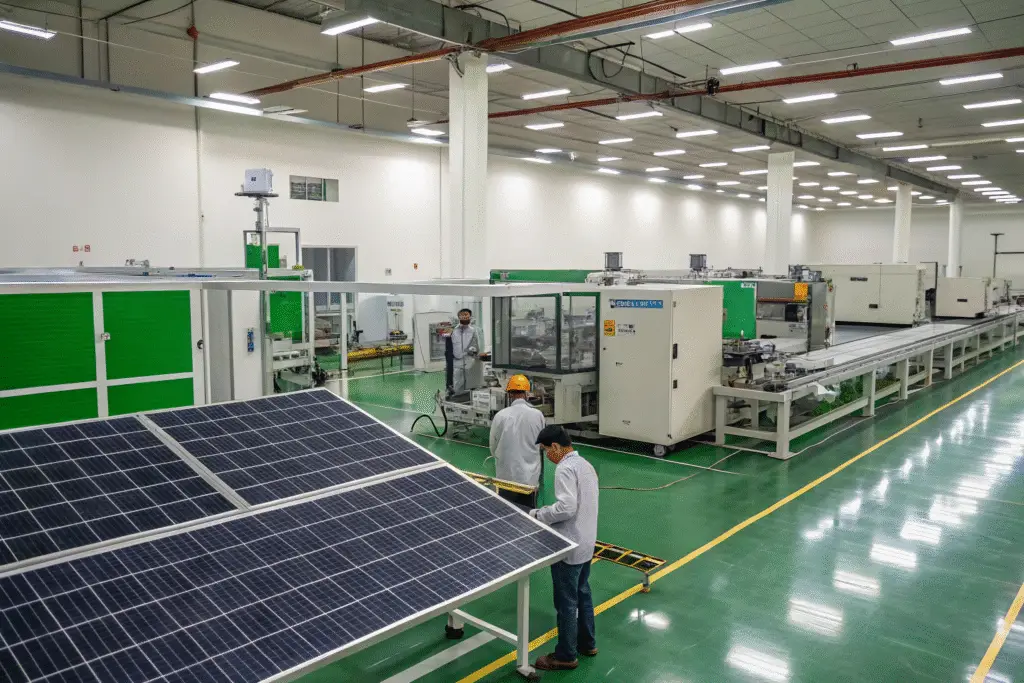
Factories like ours invest in solar power, energy-efficient LED lighting, and servo-motor machines to slash energy usage by up to 30%. This saves money and aligns with carbon-reduction goals for global brands.
Is Renewable Energy Really Cost-Efficient in Asia?
Yes. China has made renewable energy affordable. Our factory in Jiangsu operates 40% on solar energy, dramatically reducing both emissions and long-term utility costs.
You can also ask for Energy Use Intensity (EUI) data to track environmental progress. We provide EUI reports per product category—useful for eco-conscious brands seeking Carbon Trust verification or B Corp certification.
How to Monitor Carbon Impact Across the Supply Chain?
Most large retailers now require Scope 3 emissions reporting. This includes emissions from outsourced manufacturing. Tools like the Higg Index help assess a factory’s climate performance, and our team is trained to complete these self-assessments quarterly.
As part of our commitment to sustainability, we also offer LCA-based product carbon footprint analysis, supporting brands in setting and meeting realistic net-zero targets.
How to Improve Social Compliance Without Greenwashing?
Sustainability isn’t only environmental—it’s also social. U.S. buyers often face backlash when supply chain audits reveal poor labor conditions, regardless of how eco-friendly the garments are.
We maintain full compliance with BSCI and Sedex standards, ensure ethical wages, safe working conditions, and provide transparent third-party audit reports.

What Labor Certifications Should You Look For?
Top-tier buyers request factories to pass audits like amfori BSCI, SA8000, or WRAP. These certify that worker rights are respected, wages are fair, and no child or forced labor is involved.
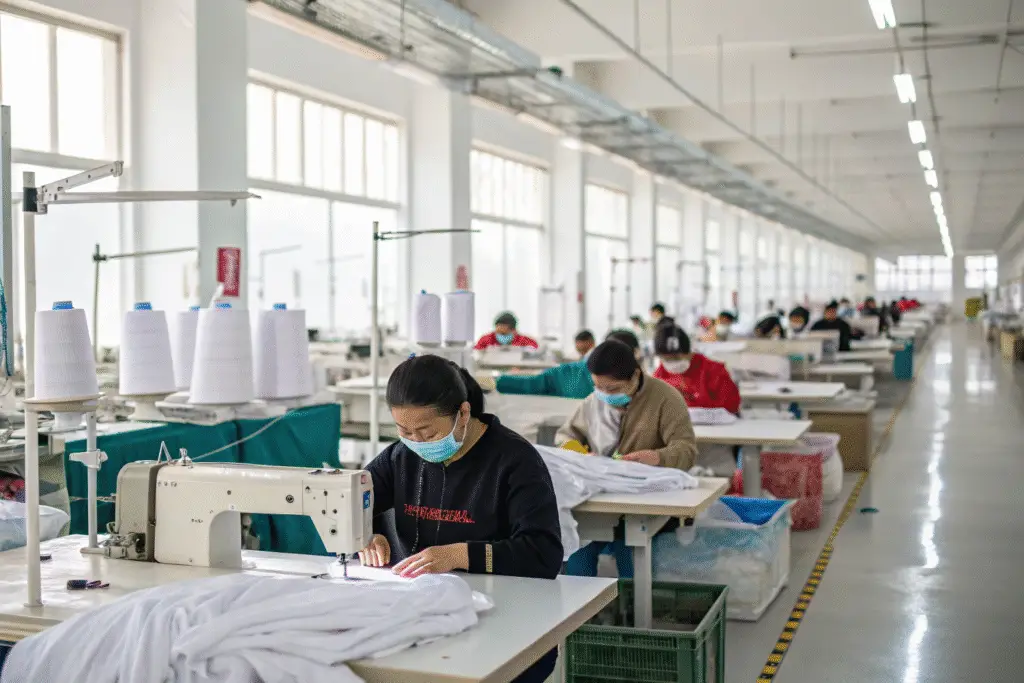
We regularly undergo unannounced audits from our European clients, and our HR records are digitized for transparency. In our view, sustainability starts with human dignity and accountability at every level of production.
How Can You Ensure Suppliers Don’t Fake Certificates?
Unfortunately, certificate fraud is common. That's why we encourage clients to cross-check factory names against amfori’s BSCI public database or request audit footage.
At Fumao Clothing, our U.S. clients like Ron appreciate that we proactively send updated compliance reports and allow virtual factory tours—reducing surprises and strengthening trust.
Conclusion
True sustainability in apparel manufacturing isn't achieved through one-off claims or trendy buzzwords. It requires deep commitment across raw material sourcing, chemical management, energy usage, and social responsibility. At Fumao Clothing, we’ve helped U.S. brands turn green intentions into scalable, profitable collections—without compromising quality or delivery reliability.
If you're ready to produce your next ethical collection with a trusted Chinese factory partner, we welcome you to contact our Business Director Elaine at elaine@fumaoclothing.com. Let’s build something that lasts—both in style and in values.