The U.S.-China tariff situation is once again reshaping the cost structure of fashion imports. If you’re an American brand owner like Ron, used to sourcing high-quality jeans at $20 per piece, it’s natural to feel anxious when headlines suggest those same jeans could soon cost over $100. So, how real is this scenario? And what can buyers like you do to maintain margins while navigating this new storm?
Yes, tariffs can spike costs drastically—but only if you don’t have a proactive supply chain strategy. For B2B buyers and apparel brand owners, staying competitive means looking deeper into sourcing tactics, pricing structures, and alternative solutions. At Fumao Clothing, we’ve prepared insights and real strategies to help you ride out this tariff wave without drowning your brand in costs.
Let’s take a calm, logical look at how tariffs impact the jeans price tag—and more importantly, what steps you can take today to stop $20 jeans from ever becoming $110 in your catalog.
How Do Tariffs Directly Impact Jean Prices?
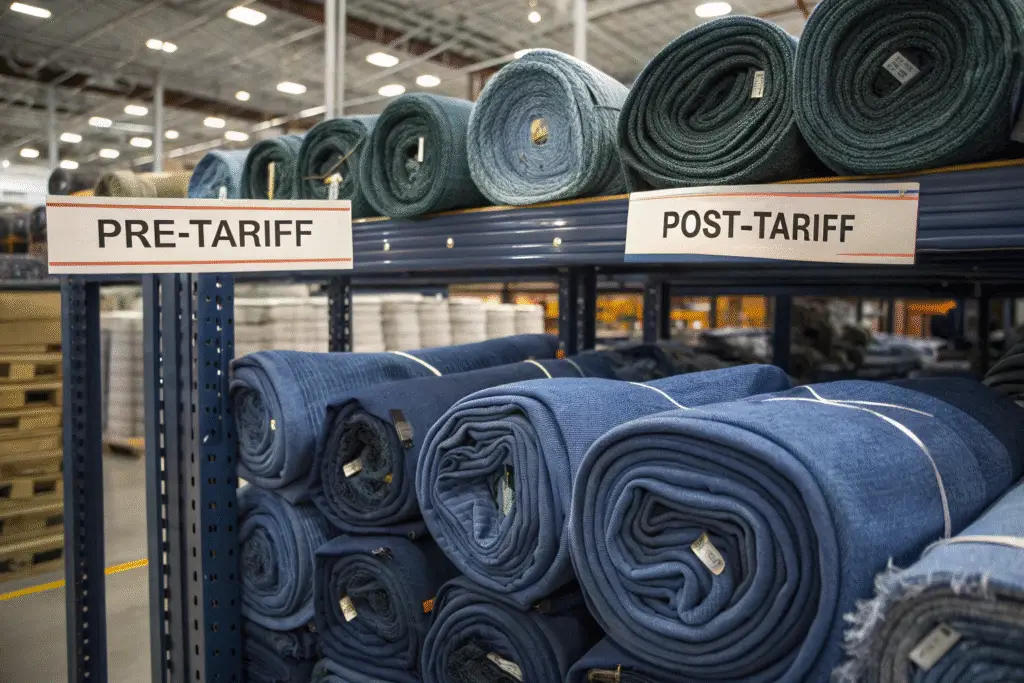
Tariffs hit hard and fast, especially when sourcing from major manufacturing hubs like China. As of mid-2025, new rounds of U.S. tariffs on Chinese apparel products have reignited fear across the supply chain. Many products, especially in the denim category, are subject to Section 301 tariffs, which can add an extra 25-30% duty on top of standard rates.
These tariffs compound quickly: base MFN duty (16.6% for jeans) plus an added 25% under Section 301 totals over 40% in import duties alone. For a $20 FOB pair of jeans, you’re now looking at $28 landed, before adding freight, warehousing, and domestic logistics.
Are U.S. Brands Really Paying $110 for Jeans?
Some boutique labels report retail pricing as high as $110–$140 post-tariffs, especially for Made-in-China denim that includes intricate embroidery or small-batch runs. That pricing includes not just tariffs, but smaller order economies, branding costs, and premium retail markups.
How Can Importers Like You Mitigate These Costs?
Here are proven ways top U.S. buyers avoid $110 price tags:
- Use DDP partners like us who offer bundled, optimized tariff structures
- Explore Vietnam or Bangladesh for tariff-free or reduced-duty routes
- Negotiate MOQ-based pricing to reduce per-unit impact
- Ship in consolidated loads to reduce freight cost per jean
Explore tools like DutyCalculator to simulate real landed costs.
What Factors Drive $20 Jeans Toward $110?
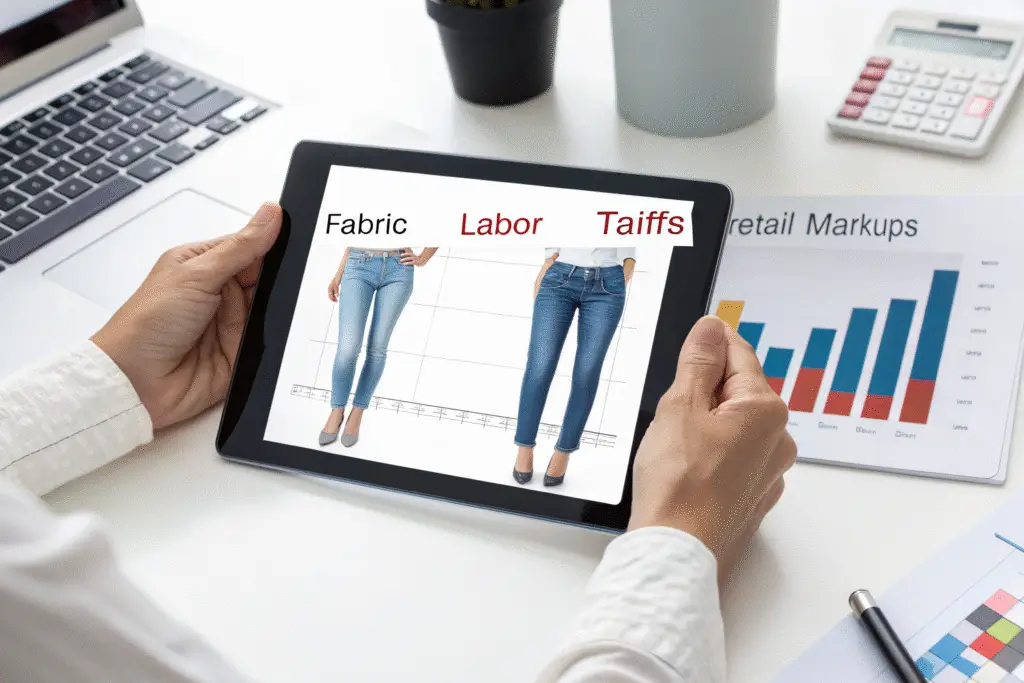
Inflation alone doesn’t take a $20 pair of jeans to $110. It’s the entire cost ladder climbing simultaneously—fueled by tariffs, production shifts, and unstable logistics.
Here’s how the math adds up:
| Cost Component | Pre-Tariff ($) | Post-Tariff ($) |
|---|---|---|
| Fabric & Trims | 6 | 6 |
| Labor & Manufacturing | 4 | 4 |
| Tariffs & Duties (40%) | 0 | 8 |
| Freight & Logistics | 2 | 4 |
| Branding & Packaging | 2 | 2 |
| Margin for Distributor | 3 | 5 |
| Retail Markup (2.5x) | 25 | 40 |
| Final Retail Price | $50 | $110 |
Can Changing Country of Origin Avoid Tariffs?
Yes, shifting sourcing to Vietnam or Bangladesh can help. Both benefit from GSP (Generalized System of Preferences) or favorable bilateral trade terms.
Is It Worth Switching Factories Just to Avoid Duties?
Only if your new partner can match your current quality, MOQ flexibility, and shipping control. Many U.S. buyers who chase lower duty rates sacrifice reliability—leading to delays or lower margins from rework.
Can Strategic Sourcing Keep Denim Profitable?
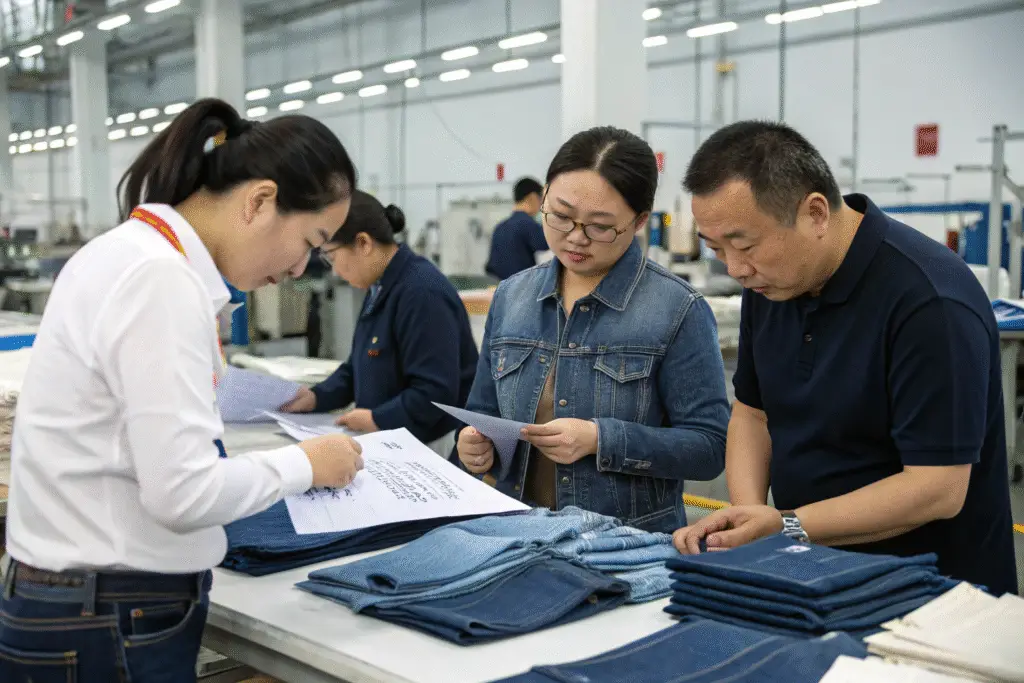
Denim isn’t just a price-driven product—it’s a brand-defining fabric. To stay competitive, sourcing must blend cost control with design flexibility, compliance, and delivery reliability.
How Do MOQ and Lead Time Affect Tariff-Era Sourcing?
Low MOQ flexibility is key. Factories like ours at Fumao Clothing offer:
- MOQ as low as 300 pcs per style
- 4–6 week lead times for jeans
- R&D support for fiber blends that meet duty-free standards (e.g., adding ramie or linen)
- Custom branding and labeling, all under one roof
Explore OEKO-TEX certified factories that provide compliance assurance, helping you avoid customs detentions.
Are DDP Solutions the Answer to Tariff Surprises?
Absolutely. Our DDP shipping model includes duties, freight, customs clearance, and last-mile delivery to U.S. warehouses. For buyers, that means:
- No surprise fees
- Predictable landed cost
- Simplified accounting
What Should Buyers Ask Their Suppliers Right Now?

If you’re a buyer feeling squeezed, it’s time to ask sharper questions—not just about price, but about sourcing strategy.
What Cost Control Measures Can You Offer?
Ask suppliers for:
- Consolidated shipping options
- Duty-free component substitution
- Bulk order negotiation
- Currency risk management, especially with RMB/USD swings
You can also review sourcing trends from Just-Style and Apparel Insider to benchmark rates.
Can You Provide Certificate Transparency?
With tariff enforcement tightening, authentic documentation is critical. At Fumao, we provide:
- Verified BSCI or WRAP audits
- Fiber origin declarations
- Customs-ready HS code classification
- Anti-fraud packaging signatures
Always verify against databases like SEDex or Open Apparel Registry to avoid misrepresentation.
Conclusion
Tariffs may be here to stay, but $110 jeans don’t have to be your new reality. As a long-term manufacturer for American brands, we at Fumao Clothing understand the pressure you’re under. The good news is: with strategic sourcing, full-package manufacturing, and DDP shipping, you can still offer quality denim at fair prices—and protect your margins.
Want help keeping your denim line affordable and competitive? Reach out to our Business Director Elaine at elaine@fumaoclothing.com and let's discuss how we can deliver quality, compliance, and price protection directly to your U.S. warehouse.