Home textiles have undergone a significant transformation in recent years. No longer just functional, items like bed linens, cushions, towels, and curtains are now a focal point of lifestyle branding. As demand grows for both luxury and sustainability, factories are adapting to produce smarter, greener, and trend-forward textiles.
The latest manufacturing trends in home textiles include digital printing, sustainable fibers, smart textiles, and fast-scaling automation—all tailored to a more discerning, global market.
At Fumao Clothing, we’ve helped brands source everything from OEKO-TEX certified sheets to recycled fiber cushion covers. This article explores where the home textile industry is heading and how manufacturers are keeping up.
What Sustainable Materials Are Gaining Momentum?
Sustainability has moved from niche to necessity. Major home textile buyers now demand verified sustainable sourcing—not just in fabric, but also in packaging, dyeing, and energy usage.
GOTS cotton, recycled polyester (rPET), bamboo viscose, and hemp are top contenders in sustainable home textile manufacturing.
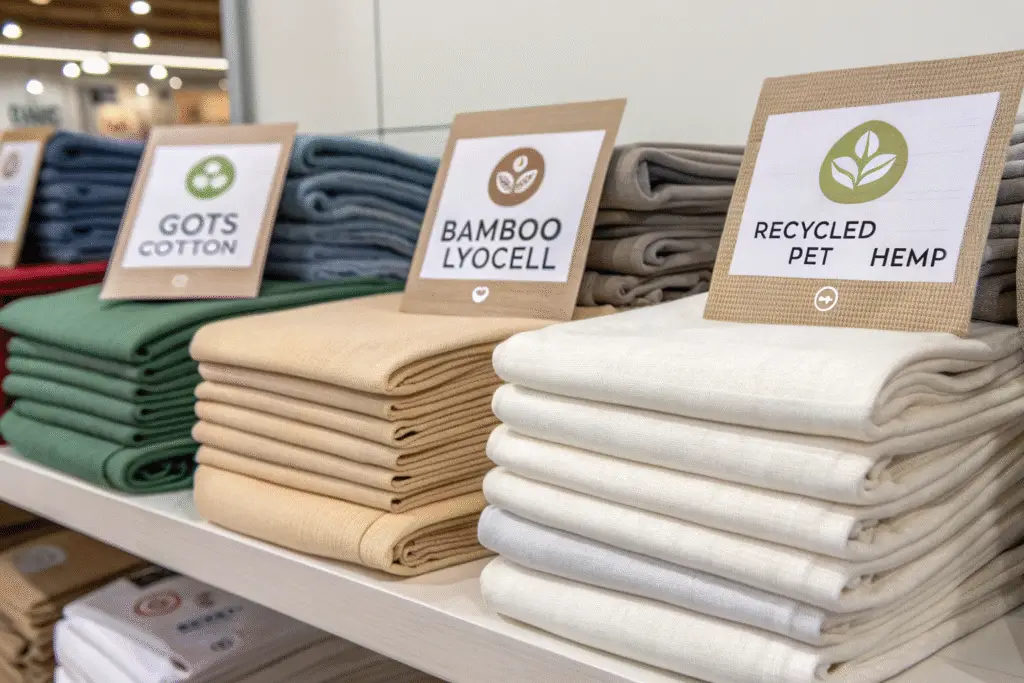
Why Is GOTS Cotton the New Industry Standard?
Global Organic Textile Standard (GOTS) ensures not just organic farming, but also low-impact dyeing, water safety, and fair labor. It's now widely adopted by retailers like West Elm and Coyuchi.
Learn more about GOTS criteria and the difference from BCI or OEKO-TEX.
How Are Recycled Materials Being Used?
- rPET: Made from recycled plastic bottles, used in throw pillows and curtain sheers
- Recycled cotton: From post-industrial waste, blended for durability
- Eco-down: Alternative fillers for comforters or cushions
For sourcing, explore Textile Exchange’s Material Snapshots and Repreve for rPET suppliers.
How Has Digital Printing Changed Design Capabilities?
Traditional screen printing is labor-intensive and limited in color range. Digital textile printing allows factories to produce short runs of photo-realistic, color-saturated designs at lower water cost.
Home textile factories are increasingly using reactive and pigment digital printing for fast-turn designs, low MOQ orders, and vivid personalization.
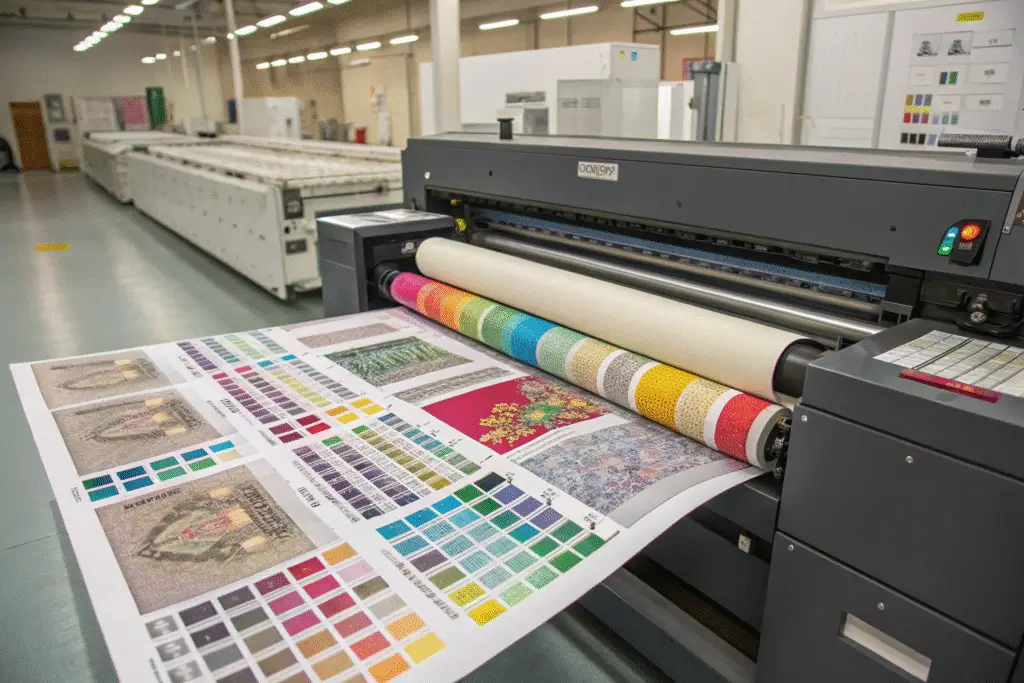
What Are the Benefits for Buyers?
- Lower MOQ for custom prints
- No screen setup costs
- Eco-friendlier (less water and chemical waste)
- Faster sampling and revisions
Learn more from Kornit Digital or SPGPrints—leading digital textile machine manufacturers.
What Products Use Digital Printing Most?
- Printed duvet covers and pillowcases
- Branded table linens and holiday items
- Hotel or Airbnb-exclusive textile sets
- Kids’ bedding with character licenses
The speed of digital printing makes it ideal for fast-home fashion models.
How Are Smart Textiles Entering the Home Sector?
Smart textiles are no longer limited to athletic wear or military gear. They’re now appearing in home furnishings with features like temperature regulation, sleep tracking, and odor control.
Innovations like phase-change materials (PCM), copper-infused fabrics, and antimicrobial finishes are now used in mattress covers, quilts, and bath towels.
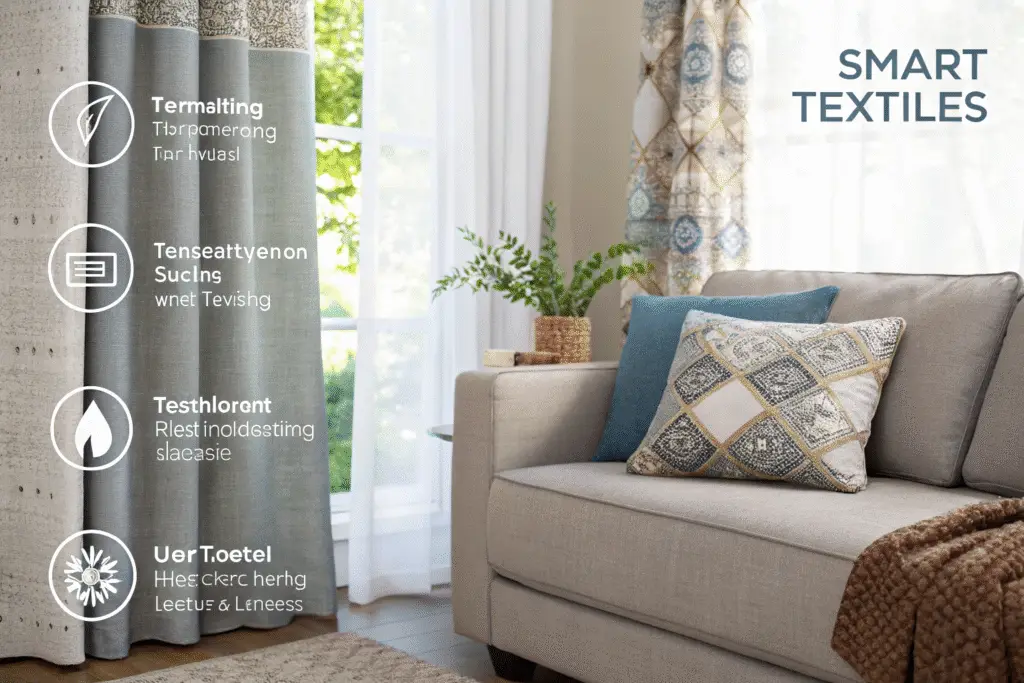
Which Functional Features Are Popular?
- Thermo-regulation: Used in duvet inserts and cooling sheets
- Antibacterial finishes: For towels and travel pillows
- Anti-mite coatings: Especially in baby textiles
- Moisture-wicking: For mattress protectors or indoor throws
For materials, see Outlast Technologies for PCMs and HeiQ for biotech-based textile enhancements.
Are Smart Tags Being Used?
Yes. Some factories now offer RFID or QR-code sewn-in labels that:
- Link to wash instructions
- Authenticate organic claims
- Provide reorder links for retailers
Check out Avery Dennison’s digital ID solutions.
What Role Does Automation Play in Home Textile Manufacturing?
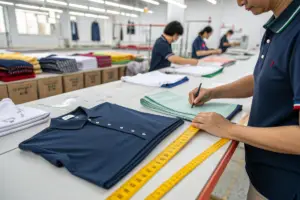
The complexity of pillows, curtains, and fitted sheets makes home textiles more labor-intensive than flat apparel panels. However, factories are now integrating semi-automation for higher speed and precision.
Automated cutting, barcode-based sewing stations, and camera-based QC tools are reshaping how fast and consistently home textiles are produced.
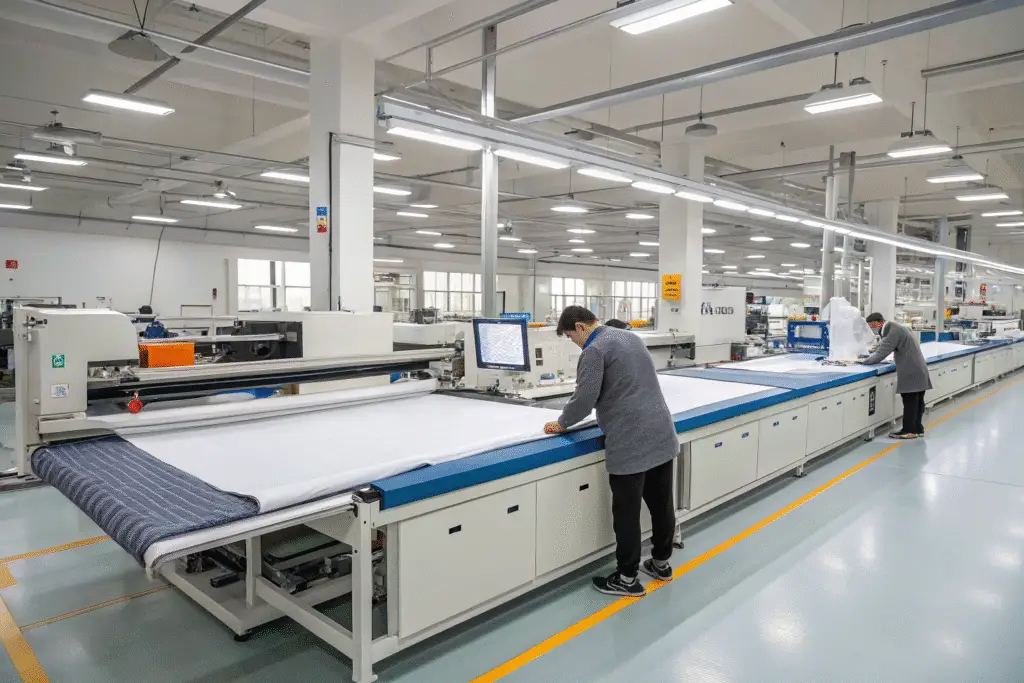
Which Processes Are Being Automated?
- CNC fabric cutting for accurate panel sizing
- Barcode-assisted sorting to reduce packaging errors
- Auto-folding and bagging for retail packs
- AI-based defect detection during finishing
Companies like Lectra and Gerber Technology provide end-to-end digital automation platforms.
Why Does Automation Matter?
- Improves consistency in multi-piece sets (e.g., sheet sets)
- Reduces labor cost amid rising wages in Asia
- Speeds up turnaround for private label clients
- Reduces return rate from misaligned prints or seams
Explore case studies from Textile Today on Southeast Asia’s adoption of smart sewing floors.
Conclusion
The home textiles industry is evolving fast—from fiber to finishing. Whether you're sourcing for retail chains or boutique bedding brands, staying ahead of trends like sustainable materials, smart performance, digital printing, and automation can future-proof your product line.
At Fumao Clothing, we’re expanding our home textile capabilities across eco bedding, towel sets, cushion covers, and more. We offer full-package manufacturing, including print development, custom trim, and DDP shipping.
Ready to start your next home textile collection? Contact our Business Director Elaine at elaine@fumaoclothing.com to explore options tailored to your brand.