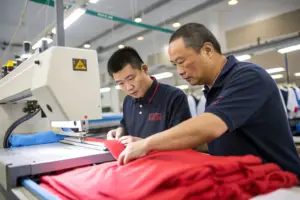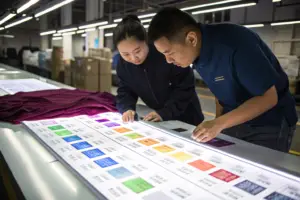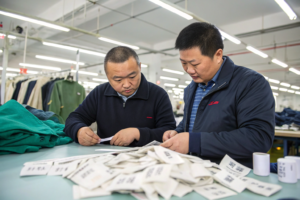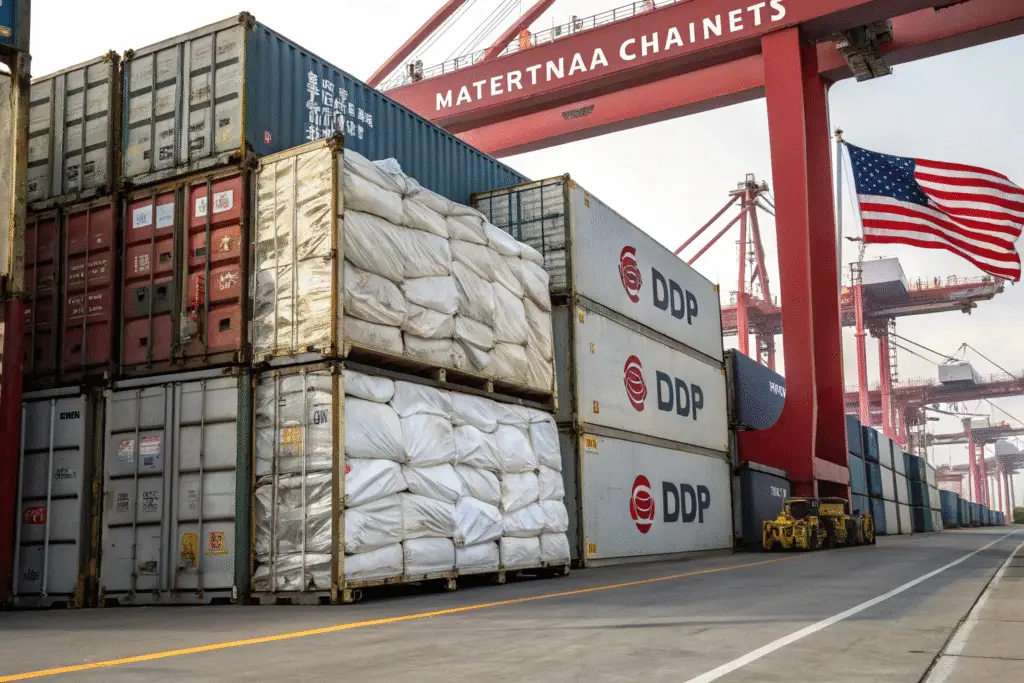
The surge in demand for DDP (Delivered Duty Paid) shipping among US apparel importers isn't just a logistics trend—it’s a shift driven by economic pressures, rising customs complexities, and the growing demand for end-to-end accountability. As a seasoned garment manufacturer exporting to North America, we’ve seen firsthand how this demand has reshaped supply chain expectations from brands big and small.
More and more US importers now require suppliers like us to handle the entire shipping process—including duties and delivery—under DDP terms. This model streamlines operations, reduces financial risk, and ensures full cost transparency.
In this article, I’ll break down exactly why DDP has become the new standard, what challenges it solves for American buyers, and how manufacturers like Fumao Clothing meet these new expectations with speed and precision.
What Does DDP Shipping Include and Why It Matters?
For American importers, managing logistics and customs for overseas garments can be stressful. From unexpected duties to document errors, each gap poses a threat to profit margins. This is where DDP shipping changes the game.
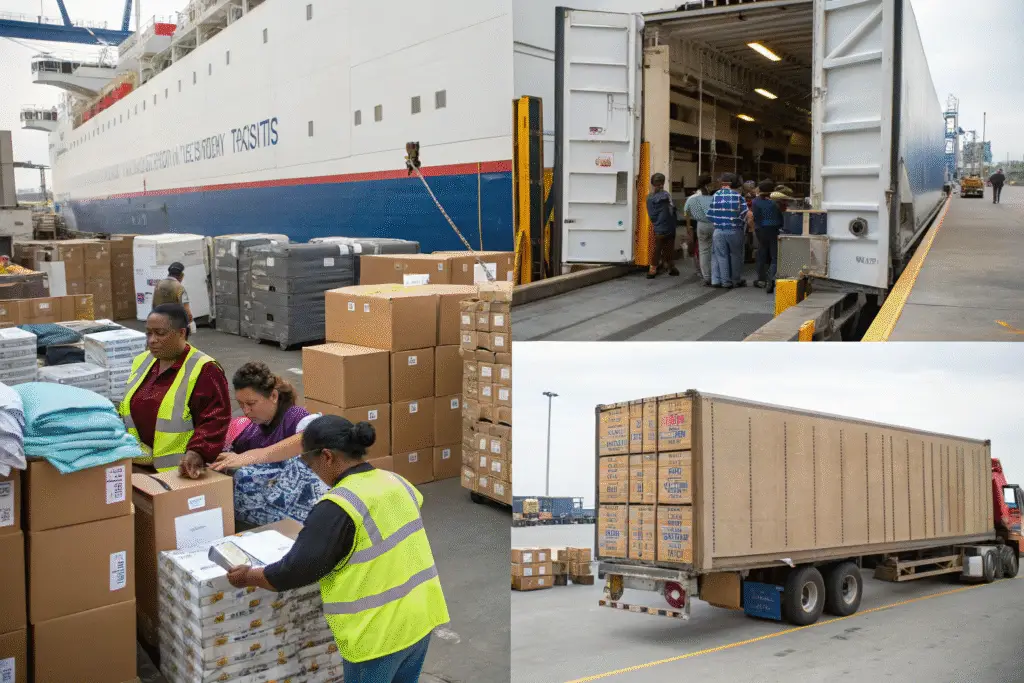
DDP shipping includes export handling, freight, import customs clearance, duties/taxes, and final delivery—meaning the buyer gets their goods at the door with zero hassle.
How Does DDP Reduce Financial Risk?
When US buyers choose DDP shipping, they lock in a fixed, all-inclusive cost. This eliminates surprises from duty rate hikes or new surcharges. Especially with recent changes to US de minimis rules, duties can be charged even for low-value shipments. Buyers no longer want to gamble.
For example, our client Ron—a distributor from California—switched to DDP after paying unexpected fees for a shipment using FOB. Now, we handle the tax declaration and customs for him, ensuring compliance and cost stability. Sites like CBP.gov confirm how complex it’s become for brands to stay compliant solo.
Why Is DDP a Time-Saving Model?
Time is money in fashion retail. When buyers handle customs themselves, they risk delays due to paperwork or compliance issues. With DDP, we pre-clear the goods and deliver directly. This is critical during high seasons or for flash-sale inventory cycles.
Our shipping team coordinates with freight forwarders and US brokers to complete delivery seamlessly. Brands no longer need a US customs broker or worry about HS code misclassifications. This end-to-end service saves hours—if not days—per shipment.
How Does DDP Simplify Compliance for Buyers?
In recent years, US customs has intensified scrutiny of textile imports. Requirements around labeling, fiber content, flammability, and trade agreements have created compliance minefields.
DDP makes sure suppliers—not buyers—take responsibility for legal compliance, ensuring documentation, labeling, and tariffs are correctly handled.
What Kind of Documentation Does DDP Cover?
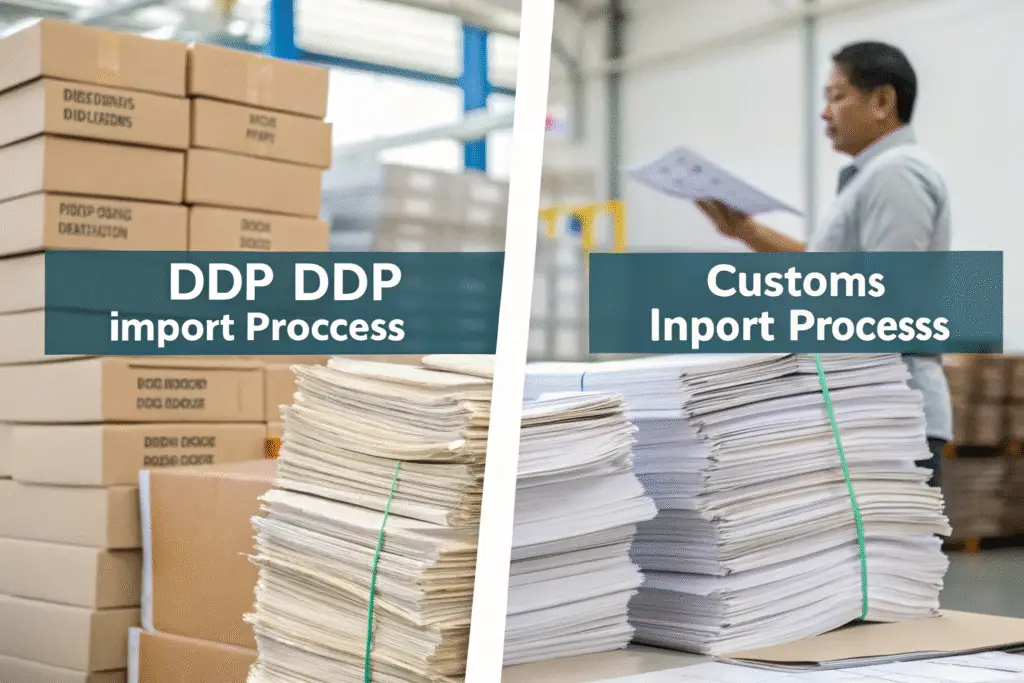
We handle everything: commercial invoices, packing lists, HS codes, COO certificates, and even Prop 65 labeling where needed. Many of our clients had prior issues with vague supplier invoices, leading to valuation holds. Under DDP, we standardize every document.
According to Trade.gov, errors in apparel import documents can trigger audits or fines. By shifting this burden to us, clients like Ron now focus only on selling.
How Does DDP Protect Against Supplier Errors?
Sometimes suppliers misdeclare fabric content or undervalue goods—both major red flags at customs. With DDP, the supplier takes the legal and financial risk. We use pre-approved freight partners and licensed brokers to avoid such errors.
We even apply product-level HTS codes specific to garment types, preventing mismatches that could lead to detentions. This creates trust between buyer and supplier, especially when relationships are new.
Why Do Buyers Prefer DDP Over FOB or EXW Now?
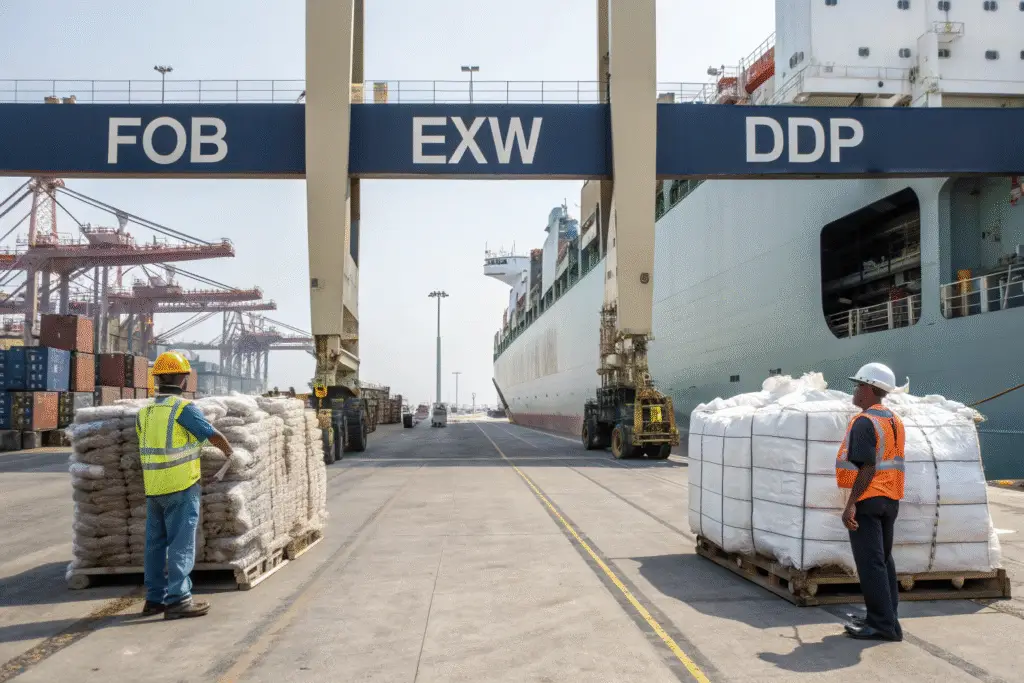
Old-school FOB or EXW terms shift risk to the buyer. This used to be fine when duties were predictable. Now, US regulations change frequently, and buyers can’t afford uncertainty.
With DDP, importers get a stress-free, ready-to-sell solution delivered directly to their warehouse—no hidden fees, no customs nightmares.
How Do DDP Terms Impact Overall Cost Calculations?
DDP gives full visibility into landed cost, which includes manufacturing, shipping, taxes, and delivery. Buyers using EXW or FOB often forget to factor in the hidden logistics costs. This leads to pricing errors on retail shelves.
We prepare DDP quotes that include everything—based on zip codes and fabric categories. Brands now budget more accurately and set retail margins with confidence. Use of tools like Flexport or ShipBob can also integrate with our fulfillment.
Why Is DDP Gaining Popularity Among Online Retailers?
E-commerce brands depend on speed and predictability. Late shipments can result in refund demands or bad reviews. DDP provides fast-tracked delivery with no buyer-side paperwork. Our factory even links with 3PL warehouses in California and New Jersey for direct injection.
That’s why many Shopify brands we serve—especially those on tight TikTok-driven trends—now demand DDP as a condition for placing orders. It's not just a convenience anymore—it's a requirement.
What Makes a DDP-Capable Supplier Trustworthy?
Not all factories can offer true DDP service. It requires experience, partnerships with forwarders, customs brokers, and document specialists. Transparency is key.
As a factory, we invested in in-house logistics personnel and long-term DDP partners in key US ports to make sure our clients are protected from risk.
How Do We Ensure On-Time Customs Clearance?
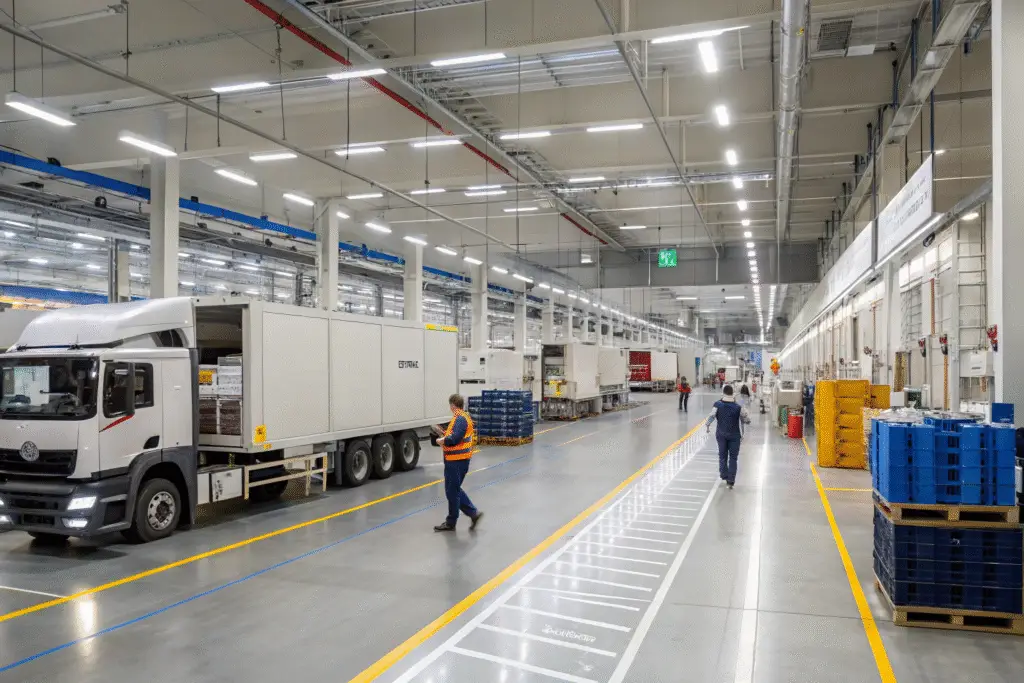
We pre-classify every product with its correct HS code, get pre-approval for bonded shipments, and use digital document filing. This allows faster clearance in congested ports like Long Beach or Savannah.
Partnering with GeeseCargo and Maersk Flow gives us DDP strength other factories may lack. Our internal QC team even inspects for labeling and packaging compliance, ensuring no flags during inspection.
What Certifications Should a DDP Supplier Hold?
We’re regularly audited for BSCI and ISO, and our freight partners are licensed with FMC and US CBP. We also help clients navigate product safety tests like flammability (16 CFR) and Prop 65 warnings.
These certifications give US importers peace of mind. Many of our long-term buyers discovered us through trade shows or Alibaba Gold Supplier verification.
Conclusion
The shift to DDP shipping isn't just a trend—it’s a response to a complex, high-risk import landscape that demands clarity, speed, and compliance. For US apparel buyers like Ron, it removes guesswork, saves time, and ensures profit margins stay intact.
If you're tired of unexpected fees, missed delivery windows, or confusing customs documents, it's time to try DDP. At Fumao Clothing, we’ve built our operations around serving clients like you—ambitious, quality-focused brand owners in the U.S. Let us manage your full journey from design to doorstep. Contact our Business Director Elaine at elaine@fumaoclothing.com to explore how our DDP solutions can simplify your sourcing.