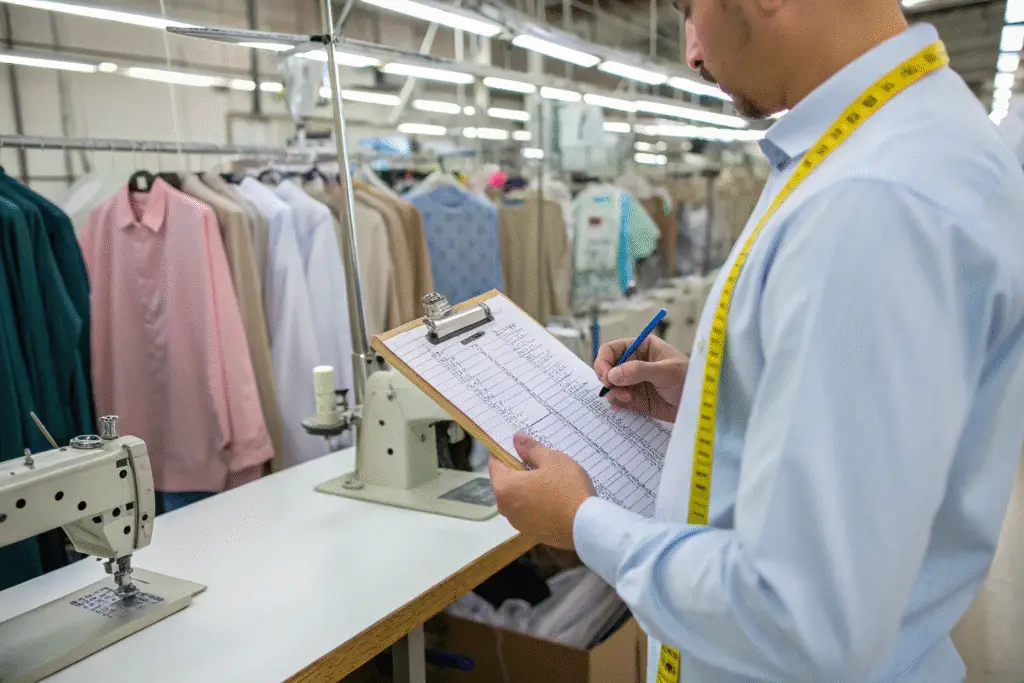
Maintaining consistent quality is a make-or-break factor in apparel manufacturing. I've seen American brands lose entire retail seasons due to skipped or rushed garment inspections. And on the flip side, companies with reliable QC protocols build strong reputations and retain customer trust.
To ensure every garment meets specifications before export, using detailed quality control (QC) checklists during inspections is essential. These checklists help catch errors early—before they reach your buyers or shelves.
If you're sourcing apparel from countries like China, Vietnam, or India, having the right garment inspection checklist can save you from returns, refunds, and reputational damage. Below, I’ll walk you through the most effective types of QC checklists used by leading exporters.
What Should a Garment Quality Control Checklist Include?
As a clothing manufacturer, I know firsthand that a vague checklist leads to vague inspections. A clear and comprehensive garment QC checklist ensures every piece follows your brand’s standards and production specs.
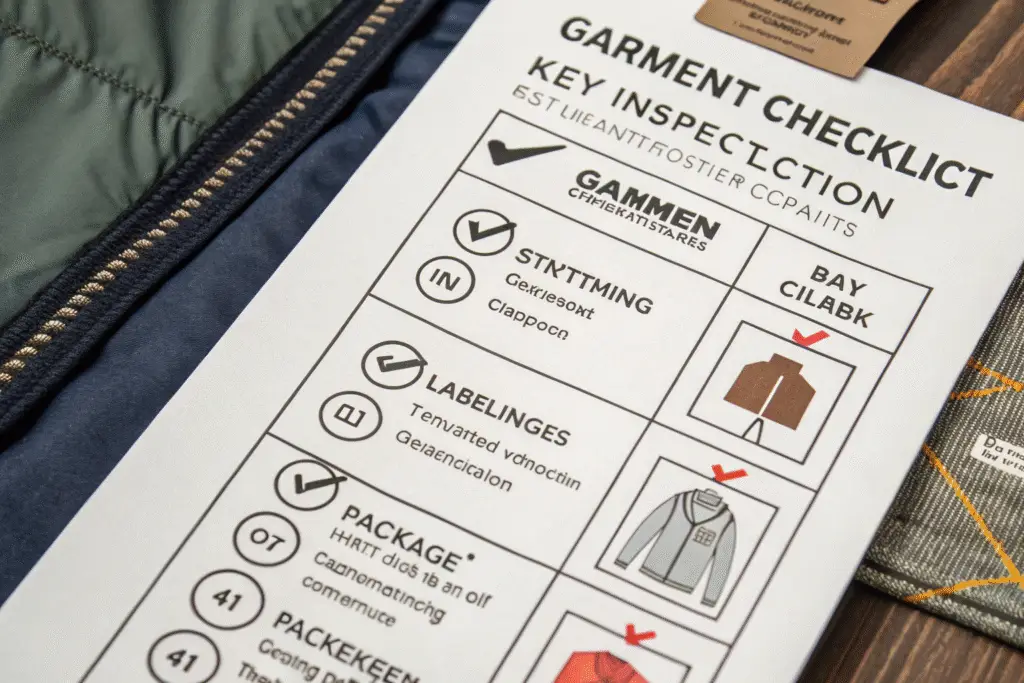
Your checklist should cover visual checks, measurement checks, functional checks, packaging, labeling, and compliance standards. Without this structure, inspectors may miss critical defects.
Why Are Measurement Specifications Crucial?
Incorrect sizing is the number one reason for customer returns in the apparel industry. That’s why your checklist must include exact tolerance ranges for all key points: chest width, sleeve length, inseam, collar diameter, etc. Many brands use tools like Techpacker to manage size specs in digital format.
We suggest referencing ASTM D6193 for standardized sewing and measurement guidelines. These help avoid disputes between buyer and supplier and ensure consistency across batches.
Should You Check Accessories and Labels Too?
Absolutely. Even when the garment is sewn well, details like missing size labels, incorrect care tags, or loose buttons can still fail an inspection. Your checklist should include all trims and packaging elements—zippers, drawstrings, hangtags, polybags. According to Intertek, labeling accuracy and product identity account for 30% of failed audits.
Also, check that all labels comply with local regulations—like the FTC textile rules in the U.S.
How to Structure QC for Pre-, Mid-, and Final Inspections?
Conducting a single inspection at the end is not enough. By then, it’s too late to fix most issues. That’s why we—and most professional manufacturers—perform multi-stage inspections at key phases of production.
Your garment QC checklist should adapt to three stages: pre-production (raw material and sample), mid-production (random stitch and fabric checks), and final inspection (full checklist on finished goods).
What Is Checked During Pre-Production?
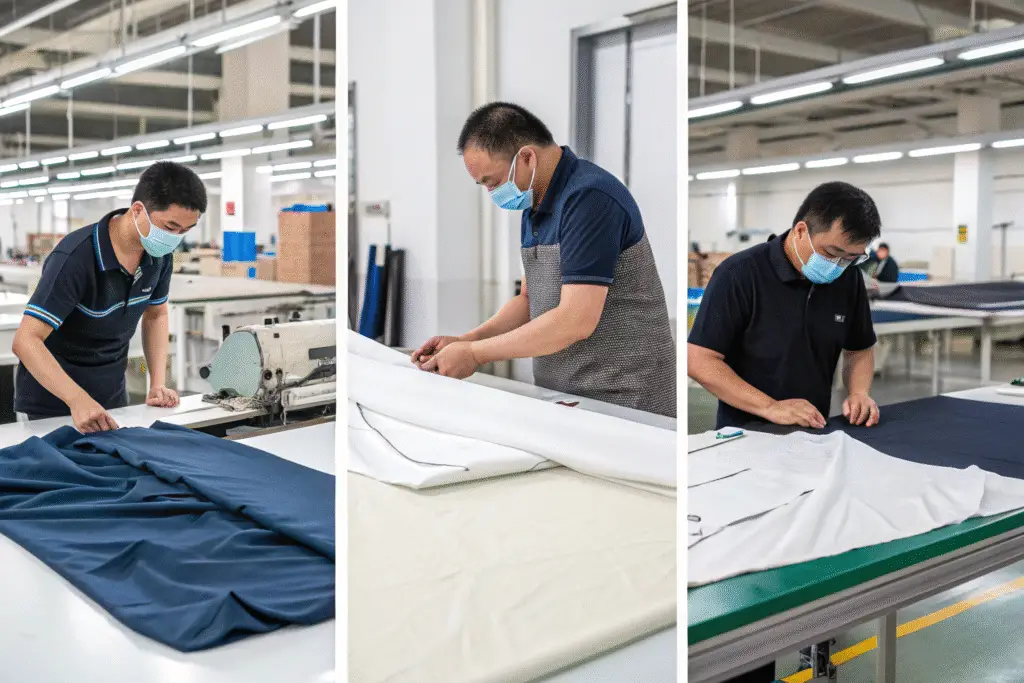
Before we even start sewing, we check raw fabric rolls for color matching, weight, stretch, and defects like stains or holes. We also verify trims (buttons, thread, zippers) and sample pieces. Tools like QIMA's fabric inspection services help international buyers test materials before approval.
Pre-production QC also includes a check of the tech pack, to ensure all measurements, colors, and construction specs are aligned with what the client approved. Failure here means large-scale waste later.
Why Is Mid-Production the Best Time to Catch Mistakes?
Mid-production inspections (typically at 30–50% completion) help stop defects before they scale. At this stage, we inspect in-line stitching, logo application, embroidery placement, and seam reinforcements. Brands like SGS recommend random sampling from the production floor to detect early issues.
It also lets clients make last-minute changes before completion. For example, if we notice the neckline tension is off or a wash process is fading print too quickly, we can correct it before the full run is affected.
Which Inspection Standards Are Globally Accepted?
Many of our clients ask us to follow international inspection protocols, especially for exports to the U.S. and Europe. The most common and accepted method is AQL (Acceptable Quality Level), which uses sampling logic to determine pass/fail rates.
You should structure your checklist using AQL levels or similar standards like ISO 2859, depending on your risk tolerance and shipment volume.
What Is AQL and How Is It Applied?
AQL uses a statistical formula to determine how many pieces to inspect per batch. For example, if you have 1,000 shirts and select Level II – AQL 2.5, inspectors will randomly check 80 units. If more than 5 have major defects, the batch fails.
You can refer to the AQL chart used by most factories to decide your inspection depth. If your brand sells premium products, we recommend tightening the criteria to AQL 1.0 or 1.5.
Are There Other Industry Standards for Apparel QC?
Yes. Standards like ISO 9001 (for process control) and OEKO-TEX (for chemical safety) are increasingly requested by ethical and sustainability-focused brands.
ASTM D5430 is also used for garment visual inspections in North America. These standards help buyers ensure that their garments meet environmental, social, and durability benchmarks—not just visual quality.
How to Customize Checklists for Different Product Types?
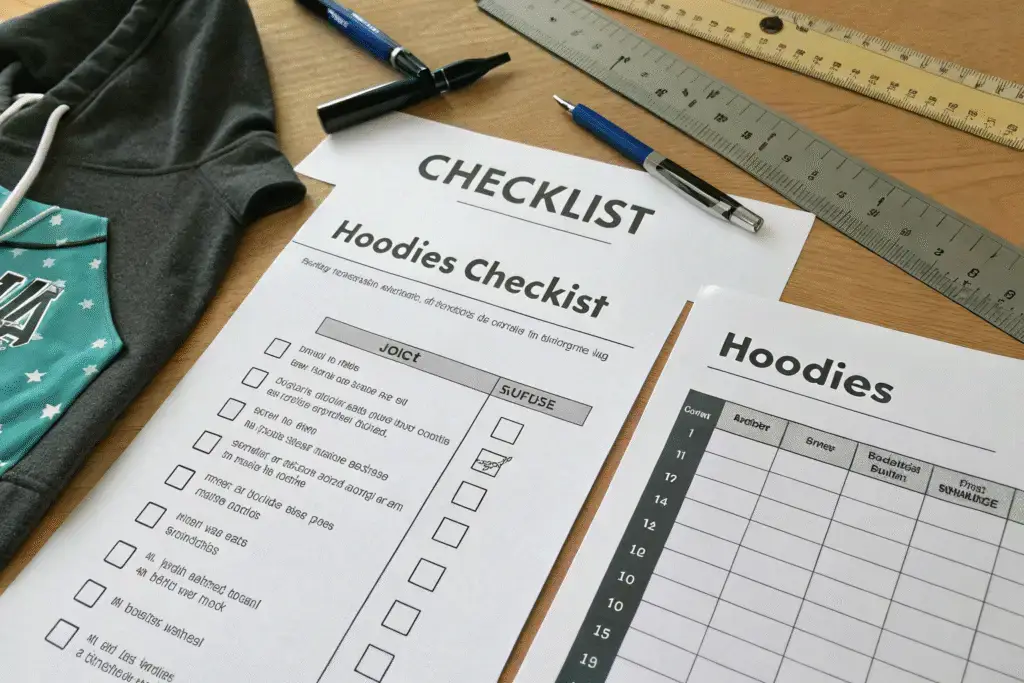
Different garments require different checkpoints. A checklist for hoodies will not work for swimwear. That's why we create category-specific QC templates that reflect the actual product usage, material behavior, and regulatory demands.
Whether you’re inspecting kids’ clothes, jackets, or stretch sportswear, your checklist must adapt based on fabric type, functional purpose, and country-specific rules.
What Needs Extra Attention in Children’s Clothing?
Kidswear involves more than visual checks. It must pass mechanical safety standards like choking hazard rules, tensile strength, and secure stitching—especially for sizes under 36 months. Refer to CPSIA regulations for mandatory U.S. compliance.
Labels should also specify age, care instructions, and flame resistance where needed. Partnering with certified childwear factories or using Bureau Veritas ensures legal compliance.
How Should You Adapt QC for Stretchwear and Activewear?
Activewear requires more dynamic testing. You need to check seam elasticity, moisture-wicking performance, and resistance to abrasion. We use both stretch tests and wash tests to simulate real wear. Consider adding UV protection verification or compression tests depending on your product.
Also, pay close attention to printed logos—especially on polyester. They must pass a minimum of 25 wash cycles without cracking or fading. Brands like Nike and Lululemon set higher thresholds here to maintain brand standards.
Conclusion
A good product starts with good design, but it ends with good inspection. No matter how beautiful your samples are, if your final production doesn’t follow a structured quality checklist, your brand will suffer in the market.
The best QC checklists are comprehensive, staged across production timelines, and tailored to each product type. They follow global standards like AQL, ISO, or ASTM while covering real-world use factors like stretch, size, colorfastness, and safety.
At Fumao Clothing, we offer full QC support—from pre-production material checks to post-production packing reviews. Whether you're a buyer sourcing hoodies, kidswear, or activewear, we can help you build inspection checklists that protect your quality, reduce returns, and uphold your brand reputation.