Profit margins can make or break a clothing import business. As a manufacturer based in China, I’ve worked with hundreds of U.S. brands and buyers who struggle to calculate accurate profit margins on their wholesale clothing imports. They often focus solely on the purchase price, ignoring the hidden costs that chip away at profitability.
To calculate true profit margins, you need to go beyond the unit cost. Include all import-related expenses—logistics, duties, customization, and local distribution. Only then can you evaluate the real return on each style.
If you’re a U.S.-based brand or distributor sourcing from China, Vietnam, or India, this guide will help you decode every cost component, apply margin formulas correctly, and protect your business from underestimated expenses.
What Are All the Costs Involved in Importing Clothing?
One of the biggest mistakes I see American clothing buyers make is misjudging total landed costs. They often quote just the FOB or factory price. That’s not enough. You need a full cost picture before calculating margins.
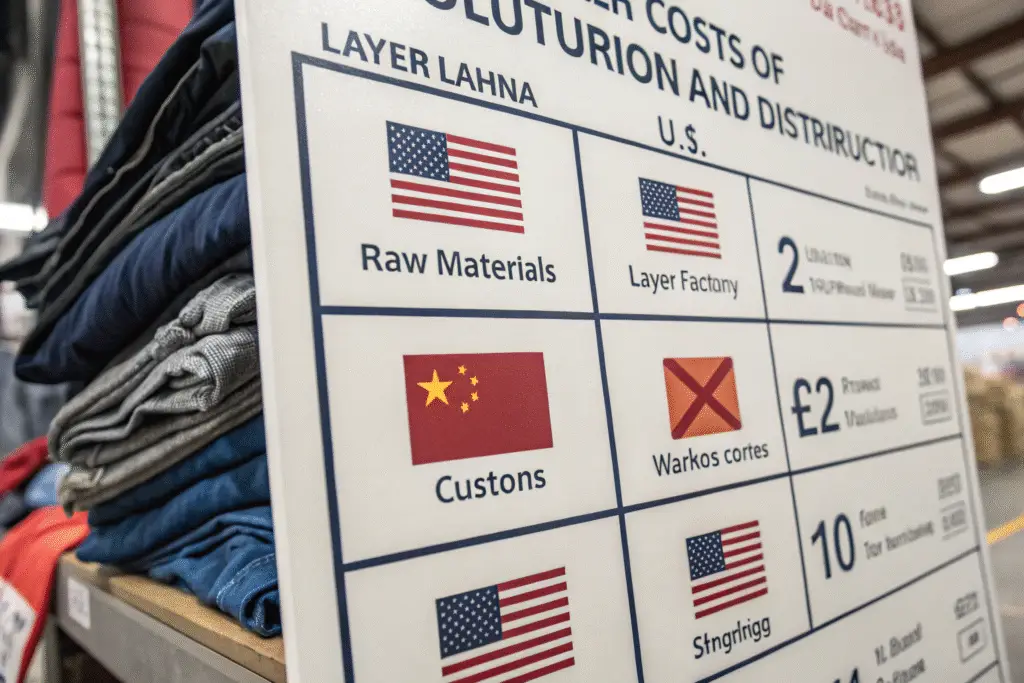
The total landed cost includes manufacturing, shipping, duties, handling fees, customs clearance, warehousing, and any U.S. logistics costs. Only after knowing this can you apply your markup to reach a profitable sale price.
What Are Typical Shipping and Freight Costs?
Shipping costs vary by mode—air, ocean, DDP—and destination. For instance, air freight from China to the U.S. averages $5–$7/kg, while ocean freight for a 20-foot container can range from $1,200–$2,000. But these numbers fluctuate with demand and port congestion.
Also, many of our clients use DDP shipping for smoother delivery, which includes customs and inland transport. It simplifies cost projection but adds to your landed cost.
How Do Import Duties and Tariffs Affect Profit?
The U.S. imposes different duty rates based on HS codes. For example, cotton T-shirts may carry a 16.5% tariff, while synthetic jackets can reach 32%. Use the U.S. HTS database to classify your garments and calculate duty per shipment.
A common pitfall is underestimating duties, especially with new tariffs on Chinese textiles. Always confirm with your freight forwarder or customs broker to avoid surprise costs.
What Profit Margin Should You Target for Wholesale?
Not every garment offers the same margin. Different product categories have different buyer expectations and price elasticity.
For most U.S. clothing resellers, a minimum gross profit margin of 50–70% is targeted for sustainability. Some even push for 100% on trend-sensitive or limited-edition apparel.
Should You Use Keystone Markup or Custom Formulas?
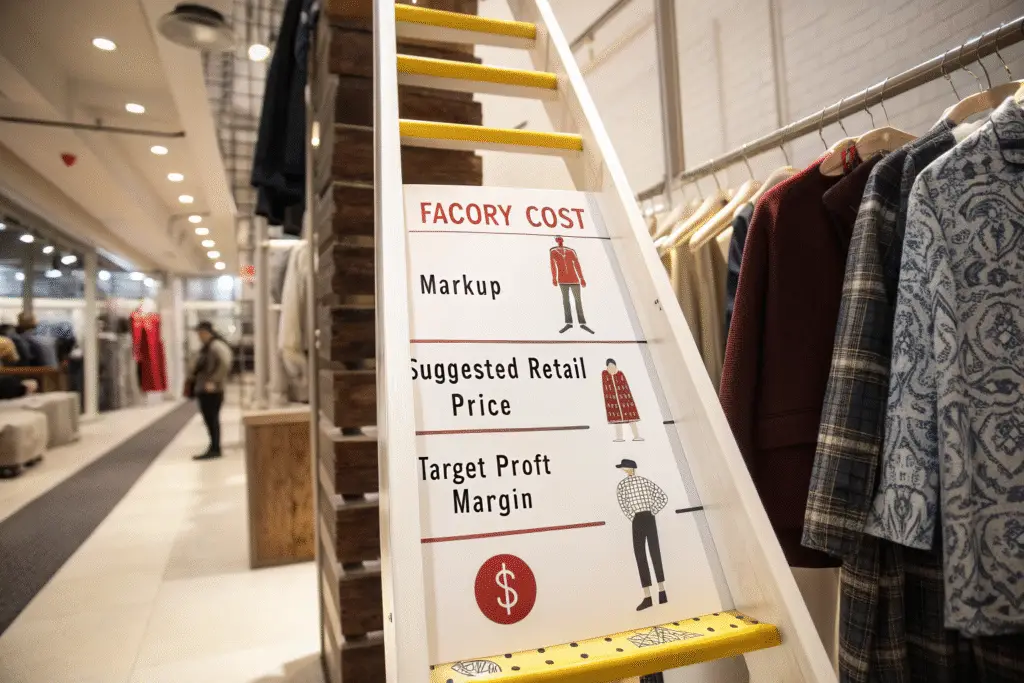
The keystone markup (doubling your cost) is widely used. But it's not always ideal. Let’s say your landed cost is $8—a keystone markup gives you a $16 wholesale price. If you resell to retailers, they’ll want a 2x margin too, making the MSRP $32.
More sophisticated buyers use margin formulas like:
You can also use this margin calculator to plug in your numbers quickly.
How Do Fabric and Category Type Affect Markup?
Lightweight basics like cotton tees or fleece joggers tend to yield lower margins due to competition. However, high-margin categories include seasonal jackets, specialty kidswear, or embroidered blouses, where perceived value is high.
Use product differentiation—fabric quality, detailing, exclusivity—to justify a stronger markup.
How to Avoid Hidden Costs in Your Margin Calculations?
Even experienced buyers forget certain cost components until they hit the books at year-end. These are the so-called hidden costs that erode margins if not tracked properly.
From sample fees to QC charges, storage penalties to bank wire fees—build a buffer of at least 10–15% above base costs when calculating profit margins.

Are There Unexpected Fees in Apparel Logistics?
Yes. Common ones include customs inspection fees, ISF fines (if you forget to file 24 hours before departure), and demurrage charges if containers sit too long at port. According to JOC, U.S. importers lost millions in 2023 to demurrage alone.
Another overlooked fee is labeling or repacking at arrival, which is needed if goods don’t comply with FTC textile labeling rules.
How Can You Monitor Supplier Charges and Samples?
At Fumao Clothing, we always provide a full quotation that includes sampling, mold setup, branding, and QC. But not all suppliers do. Some add these after production. Always request a proforma invoice upfront and check if the supplier uses Trade Assurance or similar protection.
Also, frequent sample changes can add up—each DHL shipment or remake eats into your margin. Consolidate your development process to avoid these incremental losses.
What Tools Can Help You Track and Improve Margins?
You can't manage what you don’t measure. Whether you’re importing from us or another vendor, margin management is key to growth.
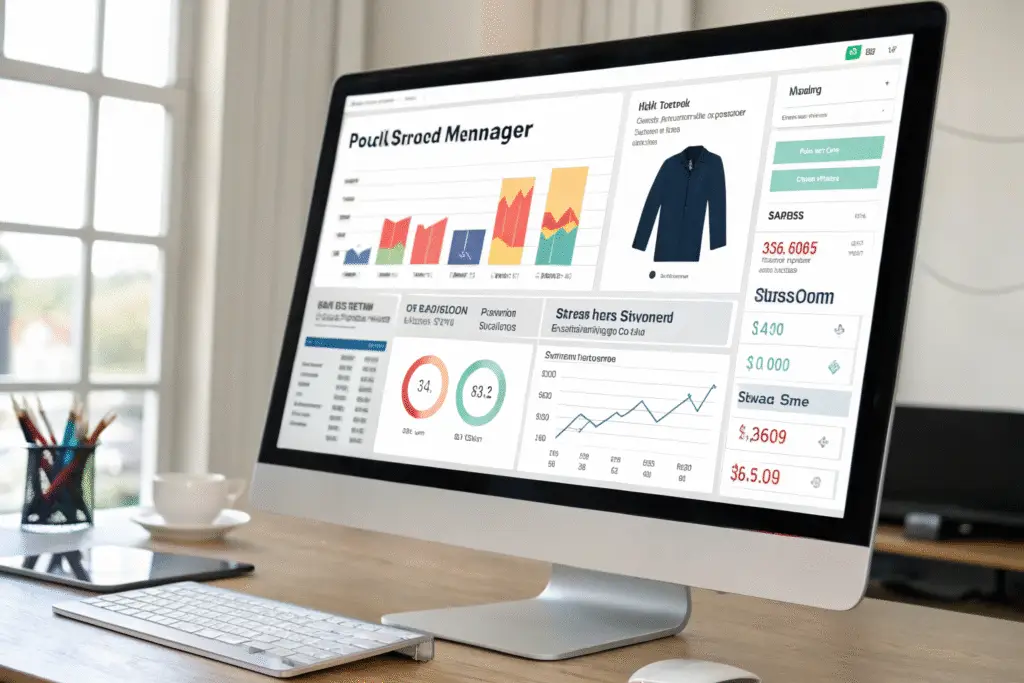
Use digital tools to track every input cost, price change, and shipping variable in one place. Automate calculations and generate reports monthly to optimize your business decisions.
What Are the Best Tools for Clothing Margin Tracking?
A great free starting point is Google Sheets, paired with a template from Vertex42 or Sheetgo.
For brands doing volume, Inventory Planner or Katana integrates costing, production, and sales forecasts in one system.
If you’re using Shopify, their Profit Margin Calculator plugs directly into your product listings and syncs with inventory.
Can You Use AI to Forecast Profit Drops?
Absolutely. We’re seeing more brands use tools like QuickBooks Commerce and FathomHQ for predictive margin modeling. They factor in seasonality, shipping fluctuations, and even currency exchange forecasts.
AI doesn’t just track numbers—it flags underperforming SKUs, high-cost categories, and alerts you when your COGS rises. With imports, that kind of visibility is gold.
Conclusion
Calculating profit margins on imported wholesale clothing isn’t about applying a standard markup. It’s about understanding the real costs that go into each item—from factory floor to your warehouse shelf in the U.S.
By calculating total landed costs, applying intelligent margin formulas, accounting for hidden logistics expenses, and leveraging digital tracking tools, you can confidently price your products and build a sustainable apparel business.
At Fumao Clothing, we specialize in working with American brands like yours to deliver transparent pricing, low MOQs, and end-to-end support—from sketch to shipment. Let us help you protect your margins and grow profitably.