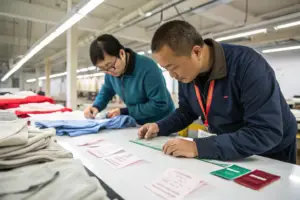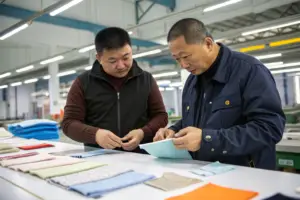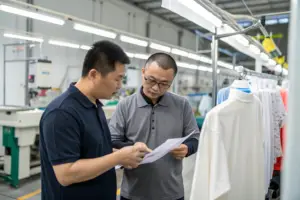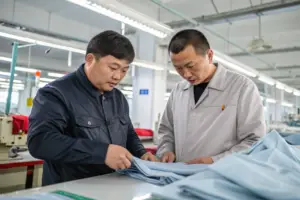
Starting a clothing brand from scratch or scaling your current label with custom-manufactured apparel can be a golden opportunity—or a complete failure. Many ambitious U.S. brand owners invest in custom production expecting control, quality, and distinction. But the truth is, without the right strategy, you're just pouring money into a slow and risky pipeline.
The best practices for building a successful brand with custom manufactured apparel include clarifying your brand identity, choosing a reliable factory partner, managing sampling and production timelines, and aligning your pricing and quality standards for your target market.
Working closely with apparel factories, I’ve seen clients make or break their business by how well they set up these systems. This post covers the essentials I recommend to every American client we work with—especially those like Ron, who have a sharp sales mind but need clarity and structure on the manufacturing end.
How to Define Your Brand Identity Before Manufacturing?
Your brand identity is the backbone of your business. Before you place your first order with a factory, you must understand who your customer is, what problem your product solves, and how you want your collection to be perceived. Without clear branding, factories can’t help you build anything meaningful. You’ll waste time, money, and miss your market.

Why is brand positioning critical before sourcing?
Your brand positioning shapes product categories, tone, and price point. If you don’t identify your unique niche, your apparel ends up generic—and forgettable. Is your brand a sustainable yoga label? Or high-fashion streetwear? Make this clear.
To streamline your direction, create a positioning matrix, define your core values, and map out competitors. Tools like Canva’s Brand Kit can organize your color palette, fonts, and mood boards. You can also explore Shopify’s guide to brand strategy for a detailed walkthrough.
How can you translate your brand vision into garment features?
It’s not enough to know your style—your supplier must be able to understand it too. You need to convert design ideas into measurable product details. These include fabric type, GSM, stitching style, trims, and packaging.
Creating a detailed tech pack bridges the gap between vision and execution. Apps like Techpacker simplify this process. Be clear with material callouts, Pantone codes, print placements, and fit measurements so your factory doesn't guess.
How to Choose the Right Factory for Your Brand Needs?
Finding a factory is easy. Finding the right one that aligns with your goals, communication style, and quality expectations is the hard part. Many new brands fall into the trap of chasing low prices instead of long-term value. But trust me—factory compatibility is everything.
What questions should you ask during the factory selection process?
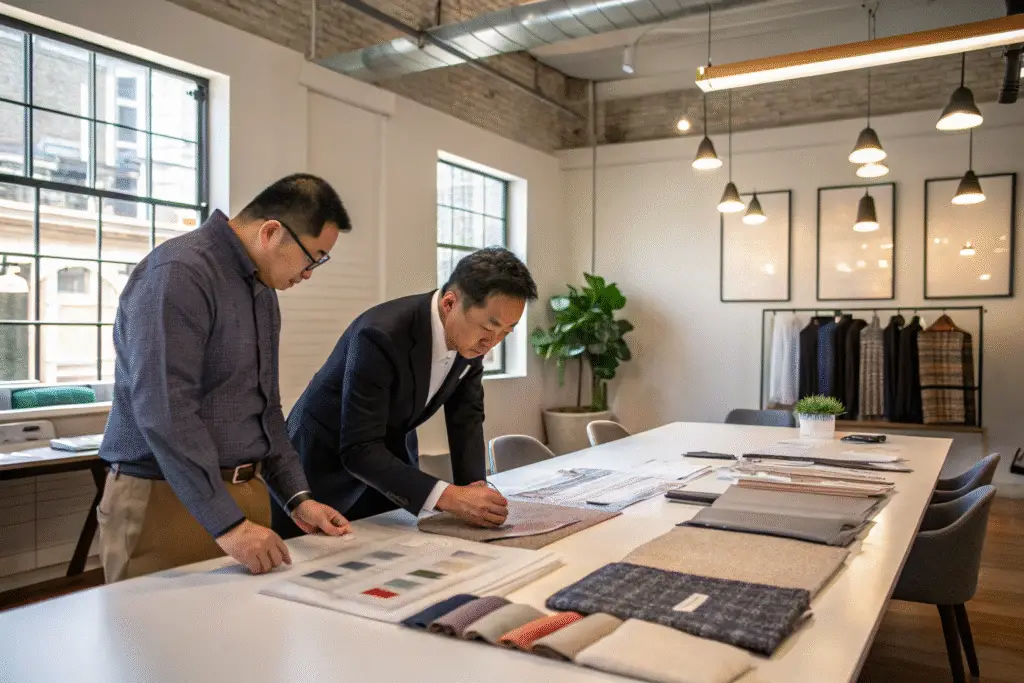
Don’t just ask for quotes. Ask what type of clients they serve. Do they specialize in your product category? Can they show recent samples from past clients? What is their MOQ, sampling fee, turnaround time, and revision policy?
Always verify certificates through official databases. For example, confirm OEKO-TEX numbers and BSCI audit reports through their issuing bodies. If they refuse to share verifiable credentials, walk away.
How important is transparency and communication?
You don’t need a factory that speaks perfect English—you need one that’s responsive and systematic. Do they confirm every change in writing? Can they video call? Do they assign a dedicated account manager?
Use platforms like Slack or ClickUp to maintain centralized communication with timestamped updates. Transparency builds trust and reduces friction, especially when you're managing production across time zones and cultures.
How to Streamline Sampling and Production for Launch?
Sampling is where ideas become real—and where most delays begin. The way you manage this process determines how soon you can launch and how reliable your production becomes over time.
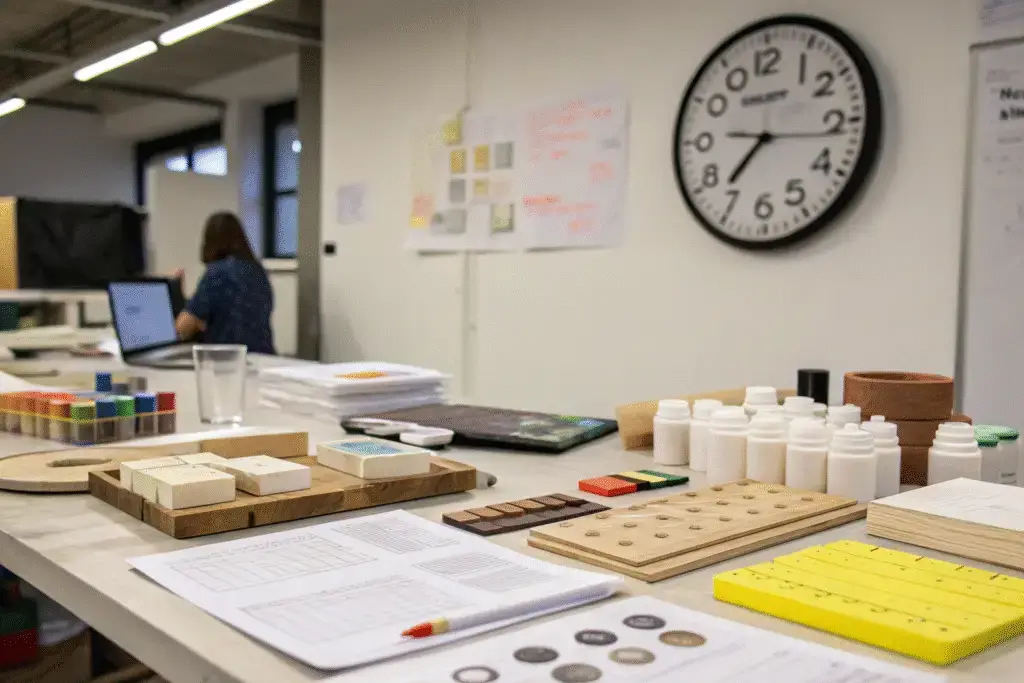
What should your sample development timeline look like?
You’ll typically move through these phases:
| Sample Type | Timeline | Purpose |
|---|---|---|
| Proto Sample | 7–10 days | Checks style and silhouette |
| Fit Sample | 10–14 days | Adjusts fit and measurements |
| PP (Pre-prod) | 10–14 days | Approves for bulk production |
Don’t cut corners. Each round reveals flaws. Sample delays happen, so plan backward from your launch date and buffer extra time. Resources like Startup Fashion’s toolkit give first-timers realistic sampling calendars.
How to avoid delays during bulk production?
Production planning should be formal. Share a written agreement listing final delivery dates, packaging specs, labels, fabric codes, and tolerances. Also, define penalties for late delivery to keep the factory accountable.
Platforms like IncoDocs are useful for formalizing this with contracts and shipment documents. It’s also wise to clarify terms like FOB vs. DDP up front—TradeGecko’s Incoterm guide is a helpful resource.
How to Price and Position Your Apparel in the Market?
Your pricing determines whether your brand grows profitably or becomes a cash drain. But pricing isn’t just about costs—it’s about brand positioning and buyer psychology.
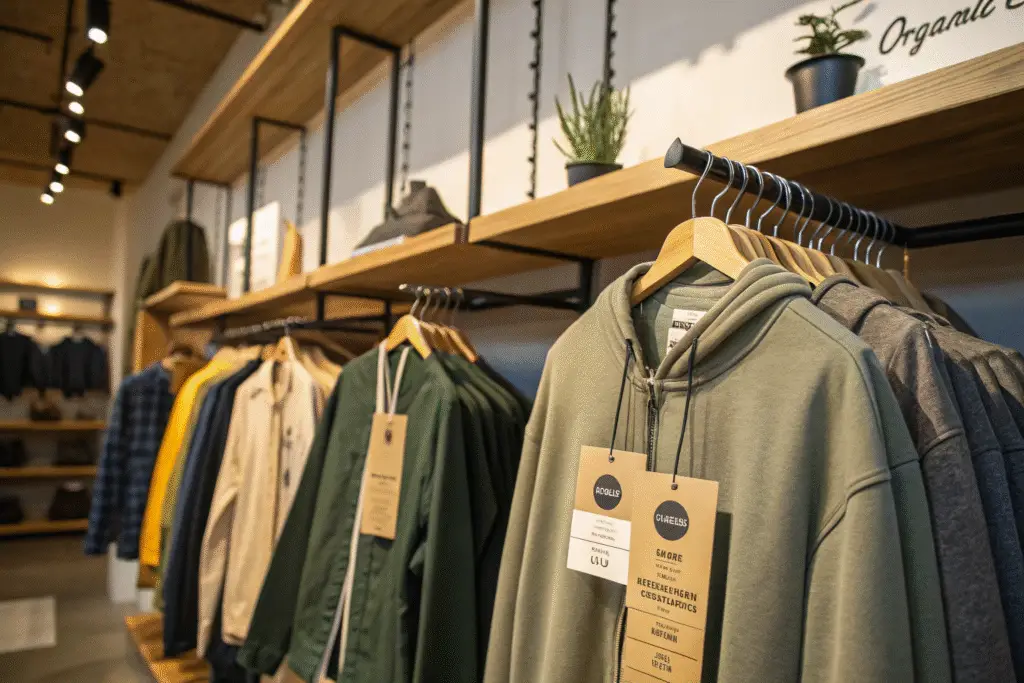
How do you balance quality and price for your target customers?
High-quality apparel doesn’t have to break the bank—but it also shouldn’t compete with fast fashion. Here’s a rough pricing breakdown for reference:
| Garment | Factory Cost | Retail Range |
|---|---|---|
| Cotton Tee | $3.00–$4.00 | $15–$25 |
| Fleece Hoodie | $8.00–$10.00 | $45–$60 |
| Button Shirt | $6.00–$8.00 | $35–$55 |
Make sure your pricing justifies your design, sustainability promise, or fit. Look at brands like Kotn or Everlane—they win customers by being transparent and consistent.
Should you go with limited editions or evergreen SKUs?
This depends on your market. If you’re launching DTC through Shopify or Instagram, limited runs build hype. You can test new styles and use urgency to drive conversions. If you're supplying stores or Amazon, evergreen items with steady sales (like black leggings or logo tees) reduce risk.
Use tools like Jungle Scout for Amazon data or Google Trends to identify seasonal spikes. Align this with your MOQ and ask your factory if they can do replenishment quickly without requiring another large batch.
Conclusion
There’s no shortcut to building a lasting apparel brand, but there is a smart path. Start by knowing your customer and expressing that identity through each garment. Work with a factory that speaks your language—both literally and operationally. Manage sampling with discipline, and treat your pricing strategy as a reflection of your market promise. If you're serious about building a brand that lasts, not just a product that sells, these best practices are your blueprint.