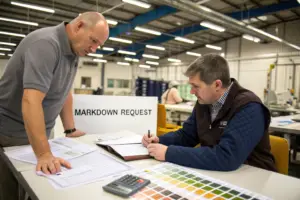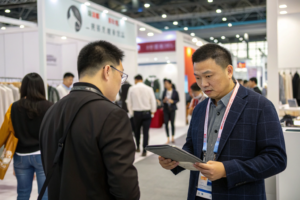
Ron, one of our U.S. buyers, had been reselling wholesale fashion under various brand tags for years. But when he decided to launch his own private label, he realized he needed more than just a logo—he needed a real strategy. That’s when he partnered with us to turn his idea into a market-ready brand with structure, consistency, and long-term scalability.
A successful private label strategy for apparel requires clear brand positioning, supplier reliability, product consistency, and long-term scaling vision. You need more than good taste—you need supply chain structure, QC standards, and marketing foresight.
In this article, I’ll walk you through the essential elements of a winning private label plan. Whether you're starting from scratch or refining an existing brand, these steps will help you build something your customers—and retailers—trust.
What Is a Private Label and Why Is It Profitable?
Private label clothing refers to products manufactured by one party and sold under another’s brand. The product isn't entirely custom-designed—but you control branding, labeling, packaging, and sometimes minor design tweaks.
Private labeling offers high profit margins, faster go-to-market timelines, and brand equity without needing full in-house production. It’s ideal for e-commerce, boutiques, and retailers looking to differentiate.
With the right supplier, you can focus on marketing and brand experience while your factory handles product development and quality control.
How Does Private Label Differ from White Label?
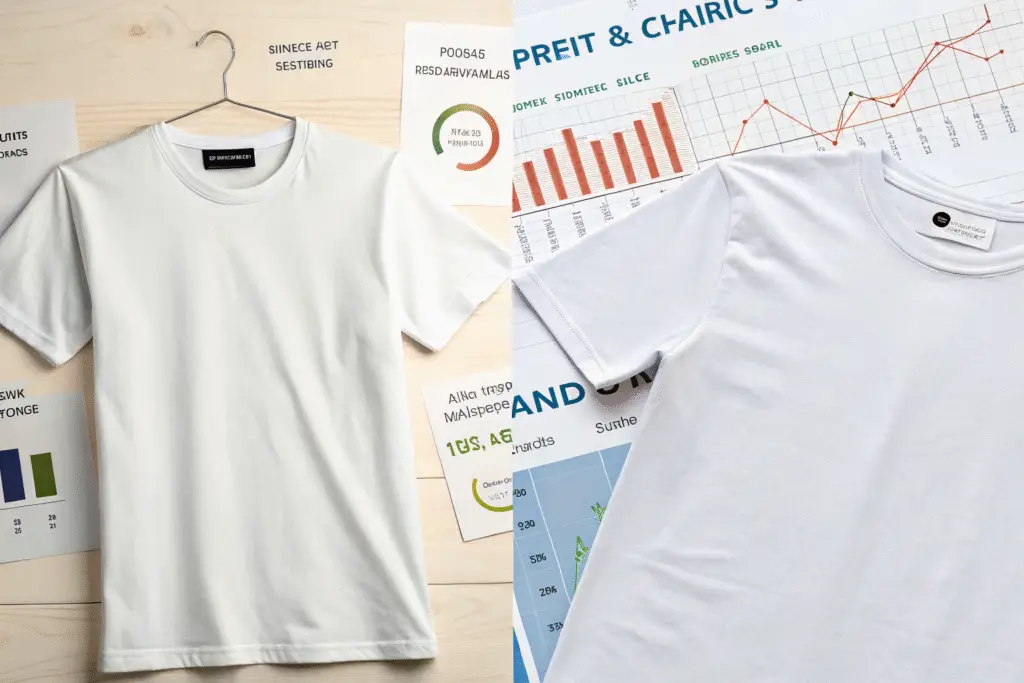
White label products are generic and sold to multiple brands, often without change. Private label goods, however, are made specifically for your brand—even if based on pre-existing designs.
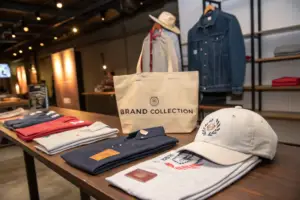
You own the presentation: brand name, care label, logo tag, polybag, packaging box, and even barcodes. Learn more at PrivateLabelSk and JungleScout.
Why Are Margins Higher with Private Label?
Because you're not just reselling someone else’s product. You can mark up based on perceived value, storytelling, and loyalty. Our clients regularly see 2x–4x profit margins through private label drops versus traditional wholesale resale.
Especially in DTC channels, brand presence drives repeat customers. Private label turns you into the brand owner, not just a distributor.
How to Build a Solid Private Label Brand Identity?
Your brand identity is the soul of your private label. It tells customers who you are, why you exist, and what kind of lifestyle your products support. In a saturated market, clear identity is your sharpest edge.
To build a private label apparel brand, develop a clear positioning statement, cohesive visual assets, and storytelling that aligns with your audience’s values.
We’ve helped brands like Ron’s define niche positions like “affordable luxury loungewear for women over 40” or “sustainable basics for Gen Z professionals.” These identities drive design decisions and sales copy alike.
What Should Be Included in a Brand Identity Toolkit?
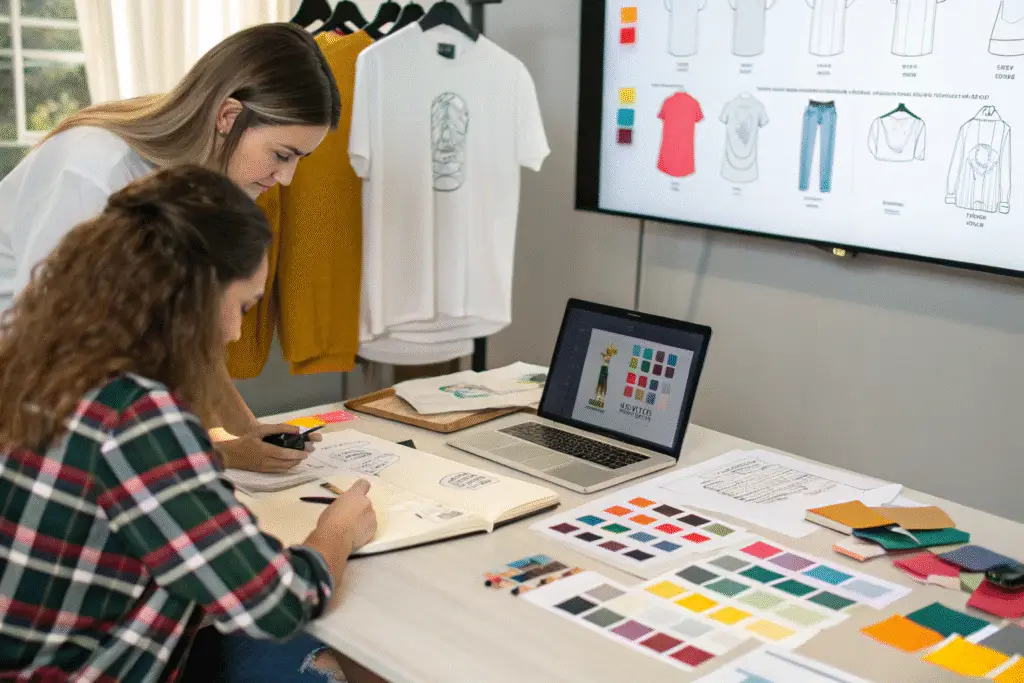
- Logo (primary, secondary)
- Brand color palette
- Typography and fonts
- Tone of voice and messaging guidelines
- Packaging templates
- Woven label, size label, and care label designs
You can build one using platforms like Canva, or hire professionals on 99designs or Fiverr.
How Does Brand Identity Impact Production?
Your supplier will need your brand kit for:
- Printing logo heat transfers or woven labels
- Packaging customization
- Lookbook creation for wholesale buyers
- Ensuring brand consistency across SKUs
At Fumao, we help clients align their brand kits with trims, label placements, and even fabric printing. It’s about more than tags—it’s about brand storytelling.
How to Choose the Right Factory for Private Label Success?
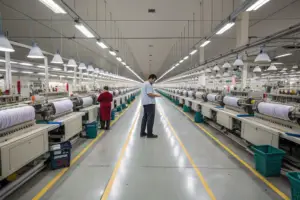
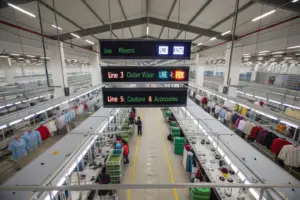
The factory you choose becomes your silent partner. Their quality, lead time, and reliability affect your brand reputation. That’s why sourcing the right private label supplier is make-or-break.
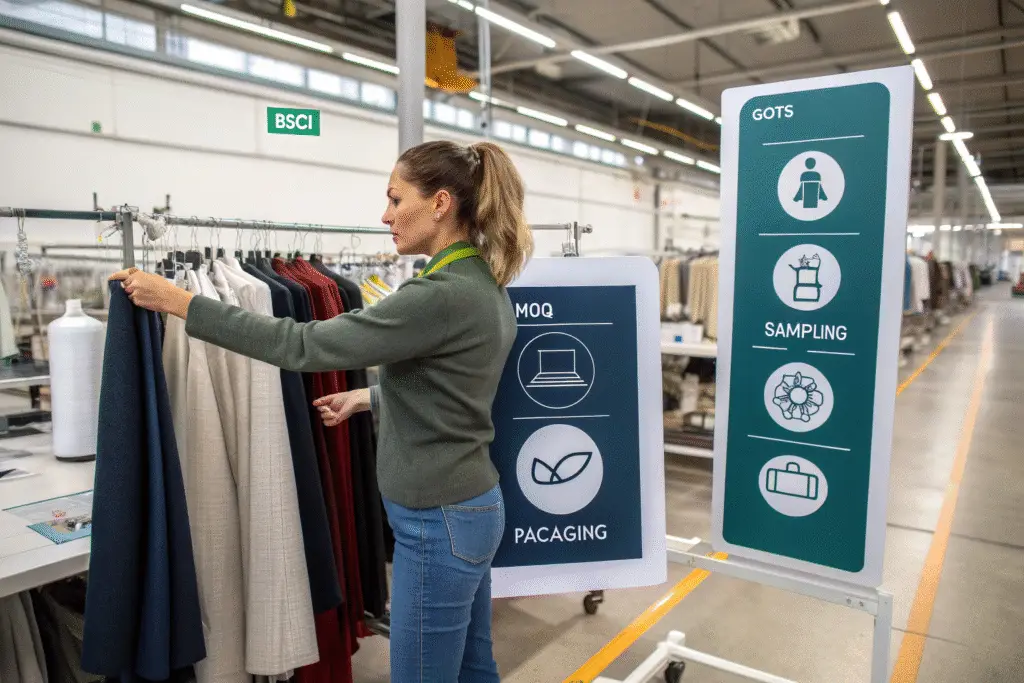
Your private label partner should offer OEM support, flexible MOQ, branding customization, consistent fit, and quality assurance. Look for factories that specialize in your product category.
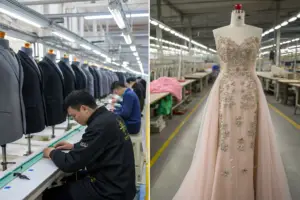
At Fumao, we’ve worked with private label brands in knitwear, kidswear, and activewear—each with different needs, fit standards, and style details.
What Services Should a Private Label Factory Offer?
- Fabric and trim sourcing
- Sampling and prototyping
- Label and tag production
- Size grading
- Custom packaging options
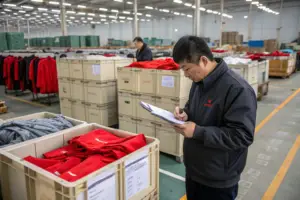
- Quality control (AQL, POM standards)
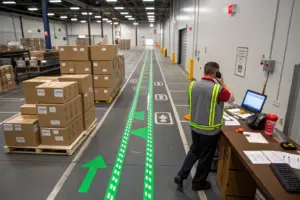
- DDP shipping
You can filter for these services on platforms like Alibaba or Common Objective.
What Are Good First-Order Terms?
Start with:
- MOQ of 300–500 pieces per style
- 30/70 TT payment term
- Sampling lead time: 10–14 days
- Bulk lead time: 25–45 days
Ask for sample photos, factory certifications, and recent order references. See more at Sourcing Journal and QIMA.
How to Launch and Scale a Private Label Apparel Line?
Launching is one thing—scaling profitably is another. A smart private label plan includes phased drops, seasonal planning, data analysis, and reliable restocking cycles. It’s not just about design—it’s about operations.
To scale your private label brand, start with a lean product line, validate with early buyers, reinvest in bestsellers, and build marketing channels that grow customer LTV (lifetime value).
We work with clients in phases: Phase 1 is testing 3–5 styles, Phase 2 is expanding to 10+ SKUs based on feedback, and Phase 3 is adding retail packaging, influencer outreach, and net terms with larger retailers.
What Are Ideal Product Launch Steps?
- Develop 2–3 core SKUs (e.g., T-shirt, hoodie, jogger)
- Create brand-aligned packaging and labeling
- Test sizing and fit with real users
- Use lifestyle photoshoots for social proof
- Launch via Shopify, Faire, or Amazon under brand name
- Analyze sales data, reorder based on ROI
Find tips on launch planning via Shopify’s blog and Glamorous Business Toolkit.
How to Grow Retail or B2B Sales?
Once you prove product-market fit:
- Attend sourcing trade shows (e.g., MAGIC Las Vegas)
- List on wholesale marketplaces like Faire or JOOR
- Reach out to boutique buyers via LinkedIn
- Offer retail-ready packaging (barcoded, labeled, folded)
You can also offer dropshipping options or bundle seasonal pre-packs for easier purchasing.
Conclusion
Private label success doesn’t happen by accident—it’s engineered. With the right brand positioning, supplier partnership, production consistency, and market strategy, you can build a fashion business that scales profitably under your name.
At Fumao, we help ambitious brands develop their first or fifth private label collections with precision. From sourcing to labeling to logistics, we’re your full-package factory partner—ready to bring your vision to life.
If you're serious about building a private label brand that lasts, let’s collaborate. Your label. Our factory. One seamless strategy.