When Ron, one of our long-time U.S. buyers, tried launching a plus-size capsule line, he quickly realized: it wasn’t just about sizing up. Customers returned items due to tight hips, incorrect bust placement, or sleeves that didn’t accommodate natural arm curves. That’s when he asked us the real question—how do I find a factory that understands plus-size fit?
To find the right factory for plus-size fashion, look for proven experience in curvy fit modeling, access to full-size mannequins, technical grading expertise, and consistent sample iteration. Fit—not just fabric—is the key to customer satisfaction and brand trust.
In this article, I’ll walk you through the core indicators of a capable plus-size factory—what to ask, what to avoid, and how our clients succeed when we co-develop inclusive fashion with true fit accuracy at scale.
Why Is Fit So Critical in Plus Size Fashion?
In plus-size fashion, bad fit leads to more than just returns—it damages brand reputation. A “good fit” means clothing moves with the body, avoids pulling at pressure points, and flatters shape without restricting mobility. And that requires far more than simply scaling up straight-size patterns.
Proper plus-size fit accounts for body shape variations, distribution of curves, and mobility needs. Factories must tailor every style line and seam to real proportions, not just math-based enlargements.
We’ve helped multiple American buyers reduce return rates by over 35% simply by correcting shoulder pitch and bust darts on their core plus-size styles.
What Makes Plus Size Pattern-Making Different?
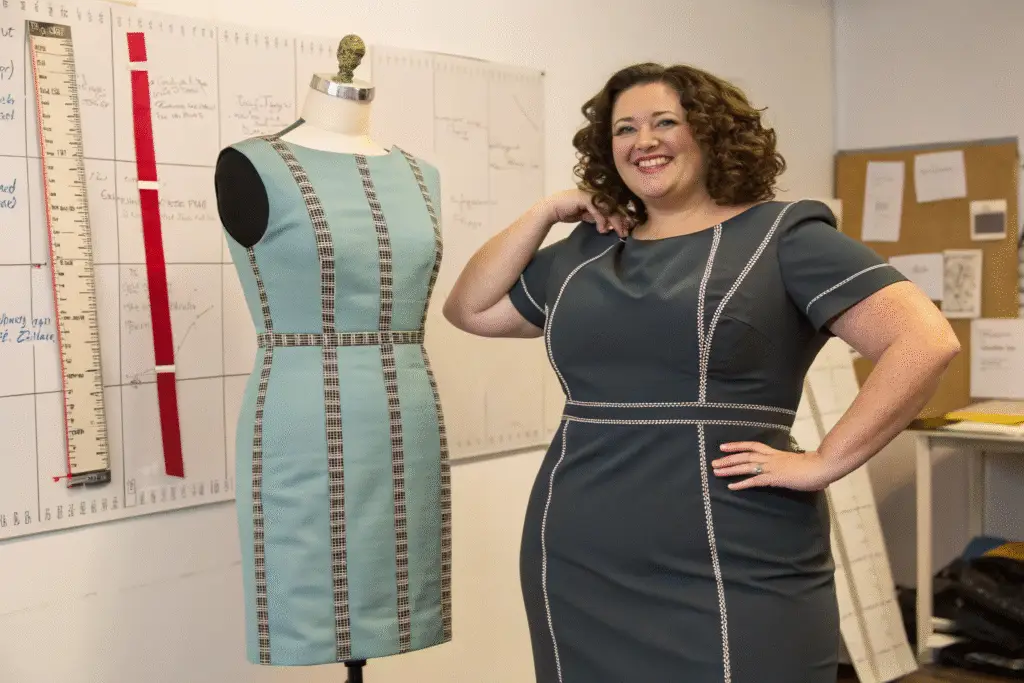
Unlike regular sizes, plus-size bodies demand pattern adjustments for bust projection, tummy shaping, and back width. The armhole must be deeper, necklines repositioned, and waist-to-hip ratios customized.
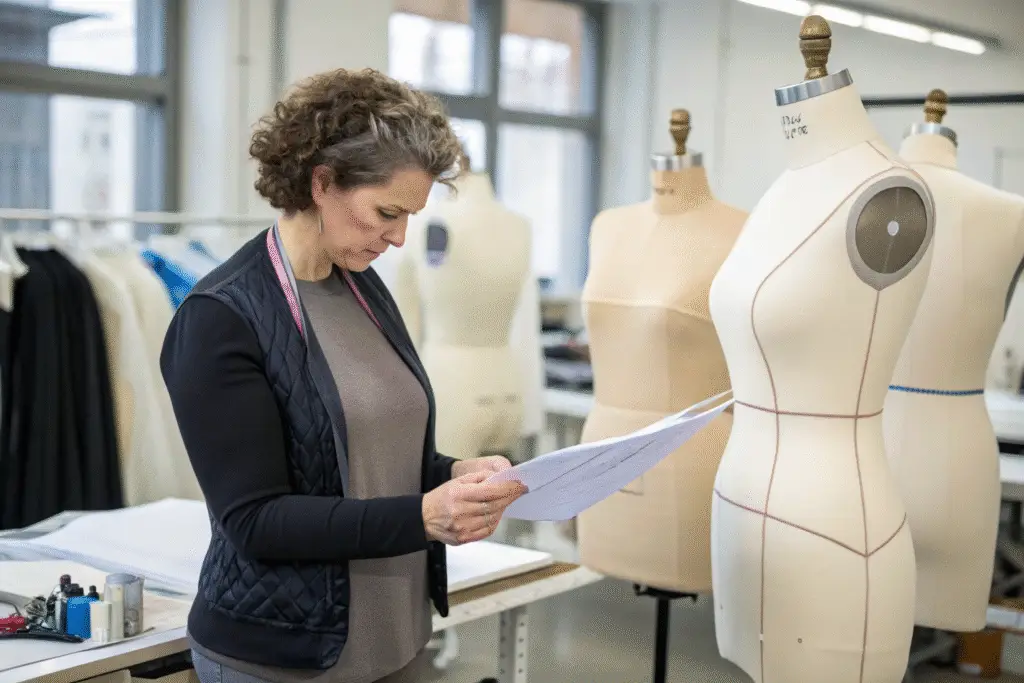
Factories should use fit models across 1X, 2X, and 3X rather than relying on computer grading alone. We maintain a full library of curvy mannequins and use side-by-side fittings to catch asymmetries early.
Can You Trust Factories That Just "Size Up"?
No. Sizing up without shape adaptation leads to poor drape, pulling seams, or overly boxy garments. A qualified factory will use graded base sizes with distinct block measurements and offer graded spec sheets for every size.
You can download free grading guides from PatternLab or learn more about plus-specific grading at TUKAtech.
What Are Key Factory Capabilities for Plus Size Apparel?
Not every factory is built for plus-size production. The right partner should have technical expertise, the right tools, and a history of producing large-size apparel—not just claiming they can.
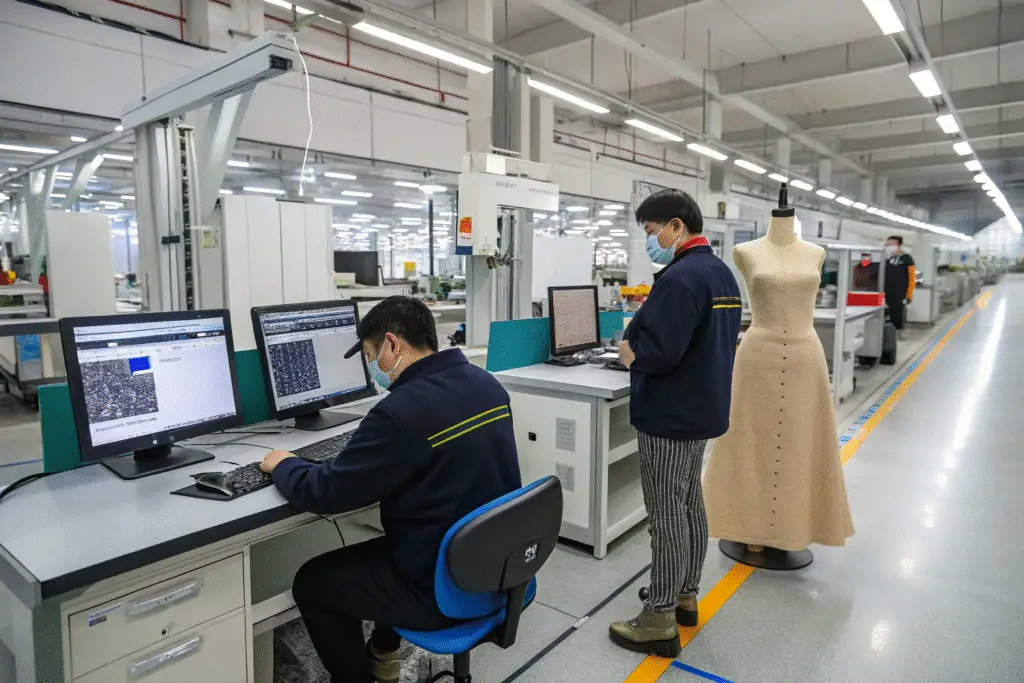
Key capabilities include: dedicated plus-size patternmakers, curvy dress forms, fit model access, and CAD software that handles complex grading. Without these, good fit at scale is nearly impossible.
Our factory uses 3D simulation via CLO3D to model drape on curvy figures before cutting the first sample. This saves time and reduces costly revisions for our buyers.
What Questions Should You Ask a Potential Factory?
Ask:
- “Do you have plus-size dress forms in 1X, 2X, 3X?”
- “Can you show fit approval reports or live fitting videos?”
- “How many SKUs of plus-size have you manufactured in the past year?”
A qualified supplier will show sample specs and explain how they accommodate ease grading and posture adjustments—something most factories skip.
How Do Experienced Factories Handle Sample Fitting?
First, we use a base size fit model and adjust the prototype through 1–2 rounds before moving to grading. Then, specs are reviewed in 2X or 3X for any stress points or comfort gaps.
Using detailed fitting comments and annotated photos, we refine construction and stitch type. We share these tools with clients via Dropbox or Google Drive.
Where Can You Find Verified Plus Size Manufacturers?
Finding plus-size-capable factories requires filtering platforms carefully and requesting validation. Many suppliers can sew clothing—but few can truly produce flattering, consistent plus-size pieces across a full size range.
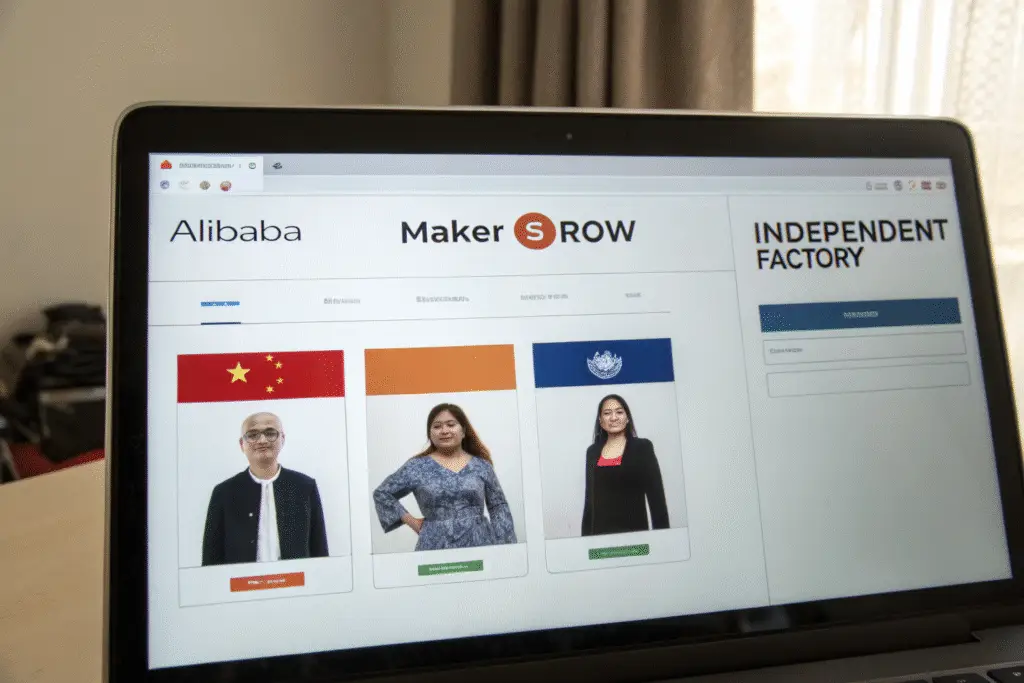
Look for manufacturers with a clear plus-size portfolio, client references, and full fit sample workflows. Platforms like Maker’s Row, Common Objective, and Alibaba can be useful with filters.
But nothing beats a direct factory relationship where you can verify equipment, sewing expertise, and technical development transparency.
What Are the Best Platforms to Start Your Search?
Start with:
- Common Objective
- Alibaba (filter for “plus size women’s clothing factory”)
- Maker’s Row
- IndiaMART for South Asia options
Avoid vendors who only offer stock sizing or one-size-fits-most—these won’t meet retail expectations.
Can You Use Video Audits for Remote Factory Checks?
Yes. We offer live video walkarounds showing our cutting floor, grading team, and fitting sessions. This gives transparency into how we test, measure, and tweak real curvy garments.
Request factory audits or fitting samples from 2–3 factories before committing. Also ask for spec comparisons or sample fitting reports to verify know-how.
How Can You Ensure Fit Quality Before Scaling Orders?
Fit consistency makes or breaks a plus-size line. Before placing a bulk order, verify that your factory can maintain fit across all sizes using real-world wear testing, clear documentation, and consistent measurements.
Ensure fit quality by locking in sample approval, running multi-size test production, and checking tolerances using industry standards like AQL and POM.
In our workflow, we often send 3–5 pieces per size to our client’s team in the U.S. for real fit testing on live models—especially for brands with strict customer satisfaction metrics.
What Is the Role of Graded Spec Sheets?
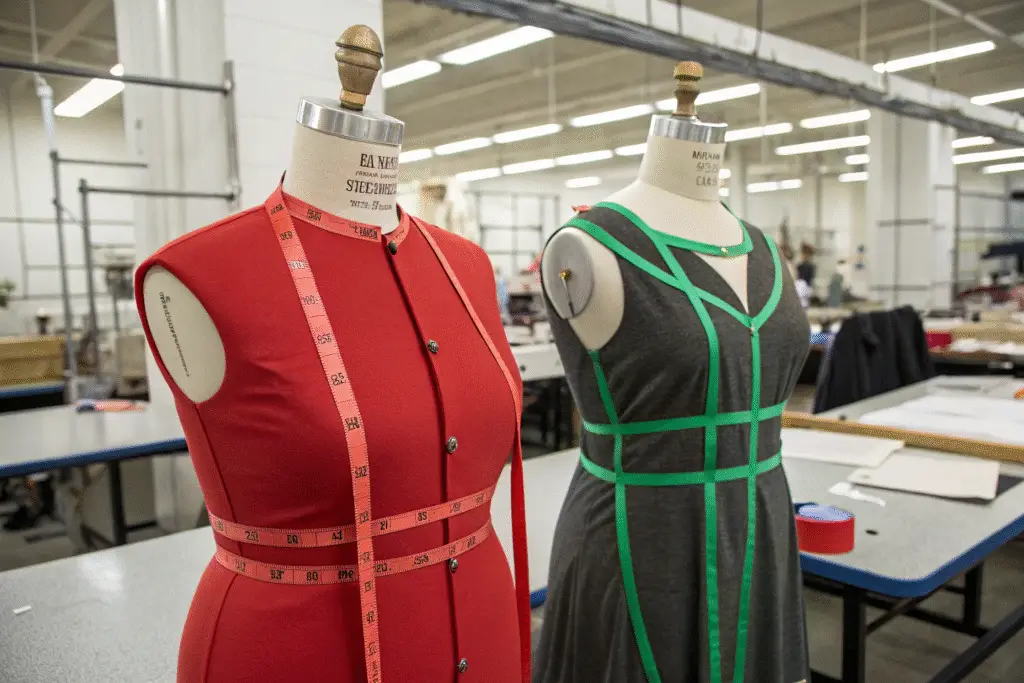
Graded specs outline every key measurement—bust, waist, hip, rise, thigh, sleeve—for each size. Your factory should update these based on fitting feedback, not just software math.
Use tools like Techpacker to collaborate live on specs. We offer plus-size buyers access to editable grading files and style-specific tolerances (±0.5–1cm depending on zone).
Should You Do Size Run Fit Tests?
Absolutely. Don’t rely on 1X fit alone. Request test production across 1X–4X to ensure cut consistency and stitching durability. We photograph and document results, tracking any deviation beyond spec.
Testing on a real range of body types prevents high return rates and builds loyalty in a plus-size customer base often underserved by fashion brands.
Conclusion
Sourcing plus-size fashion requires more than fabric and stitching—it takes real technical understanding, shape-specific patterning, and collaborative sampling. A factory that truly fits curvy bodies is rare—but with the right checklist and process, you can find one.
At Fumao, we’ve supported U.S. brands in launching inclusive lines that perform beautifully in the market. From 3D simulations to multi-size sampling and transparent fittings, we make great fit scalable.
If you’re ready to build a plus-size collection your customers will love—and reorder—reach out. Let’s make plus-size fashion not just available, but outstanding.