As more consumers demand sustainability, U.S. clothing brands face pressure not only to produce ethically—but also to ship products using environmentally responsible packaging. Ron, one of our long-term buyers, once told me his customers started leaving reviews about plastic mailers, not just T-shirt quality. That was his wake-up call.
Eco-friendly packaging is now essential for clothing brands wanting to stay competitive, meet retail compliance standards, and align with evolving consumer expectations. From recycled mailers to compostable polybags, sourcing the right packaging requires careful supplier vetting and materials understanding.
In this article, I’ll guide you through the best eco-packaging types, compliance needs, reliable sourcing tips, and strategies to maintain brand aesthetics without compromising sustainability. This isn’t about trends—it’s about building a profitable, future-proof brand image.
What Are the Best Eco-Friendly Packaging Materials?
Eco-friendly packaging isn’t just a buzzword—it’s a core brand value. But with so many “green” claims floating around, it’s hard to distinguish real sustainability from greenwashing. As manufacturers, we help our clients cut through the noise by recommending materials that are certified, proven, and reliable.
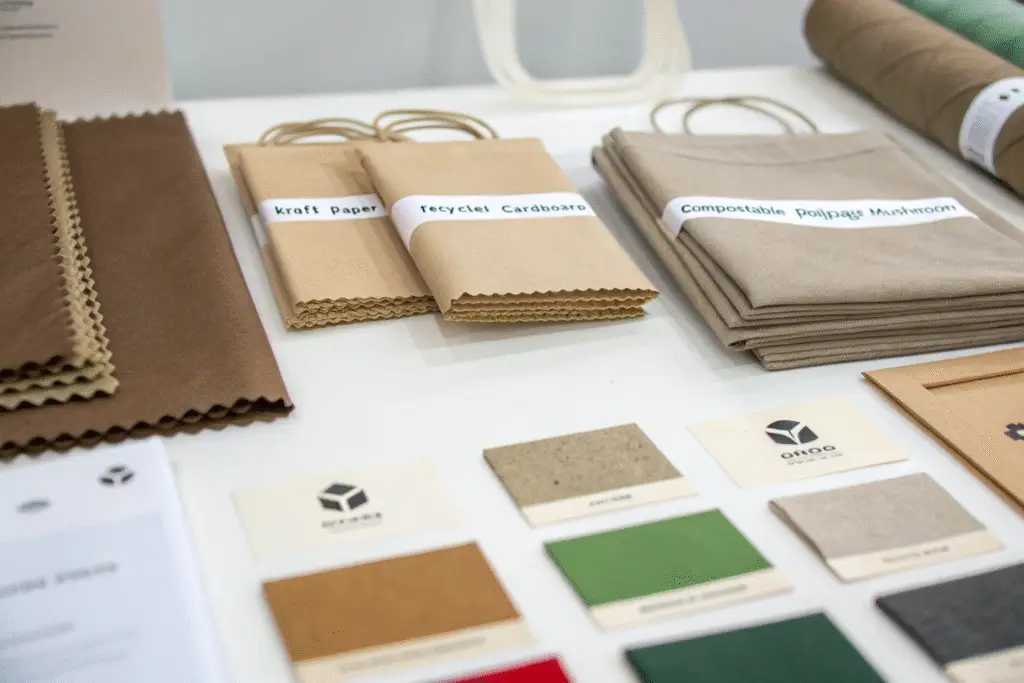
Top eco-packaging materials include FSC-certified paper, biodegradable polybags, plant-based films, and recycled cardboard. They are durable, customizable, and increasingly affordable for growing fashion brands.
We source packaging solutions that meet both ecological and branding goals. The key is choosing the right material for your product type—lightweight for T-shirts, rigid for jackets, water-resistant for activewear.
What Is the Difference Between Biodegradable and Compostable?
Biodegradable means a material will eventually break down—but not necessarily in a short time or without residue. Compostable materials, like PLA-based mailers, decompose into non-toxic elements in a compost environment, typically within 6 months.
To avoid consumer confusion, look for certifications like TÜV Austria’s OK Compost or BPI Compostable. Always ask your supplier which standard their packaging meets.
Are Recycled Materials a Safe Option for Clothing?
Yes—especially post-consumer recycled (PCR) content. Recycled paper mailers and rLDPE polybags work well for shipping and display. They reduce landfill waste and often qualify for “eco” labeling on your eCommerce pages.
We use recycled packaging certified by the Forest Stewardship Council (FSC) and ensure the print coatings are soy- or water-based for full environmental compliance.
How to Find Reliable Suppliers of Sustainable Packaging?
Sourcing packaging is just like sourcing garments—there’s more to it than the lowest quote. A good eco-packaging supplier should offer certified materials, small batch customization, and transparent production info. You can’t afford late deliveries or subpar printing.
To find reliable suppliers, check for certifications like FSC, BPI, and ISO 14001. Ask for samples, confirm material traceability, and test product durability.
We’ve worked with buyers who received moldy “recycled” boxes due to poor warehouse storage. That’s why we audit our packaging suppliers for moisture control and shipment integrity before mass production.

Where Can You Source Certified Eco-Packaging?
Top marketplaces include EcoEnclose, noissue, and Better Packaging Co. These platforms offer sustainable shipping boxes, mailers, and garment bags, many with low MOQ and customization.
If sourcing from China, platforms like Made-in-China and Alibaba also list certified suppliers—but always request samples and check for audit reports.
How Do You Verify Packaging Sustainability Claims?
Always request certificates directly from the issuing body’s website, not just PDF copies. For example, FSC licenses can be validated at FSC’s public search. Compostable materials should carry lab-tested credentials from DIN CERTCO.
Look for QR codes or license numbers printed on packaging to ensure authenticity. We embed these in our printed mailers for clients who want transparency and compliance.
How Can You Balance Brand Aesthetics with Sustainability?
Many clothing brands fear that going green means sacrificing visual appeal. But that’s no longer the case. Today’s eco-packaging can be elegant, tactile, and premium-feeling—without harming the environment or inflating costs.
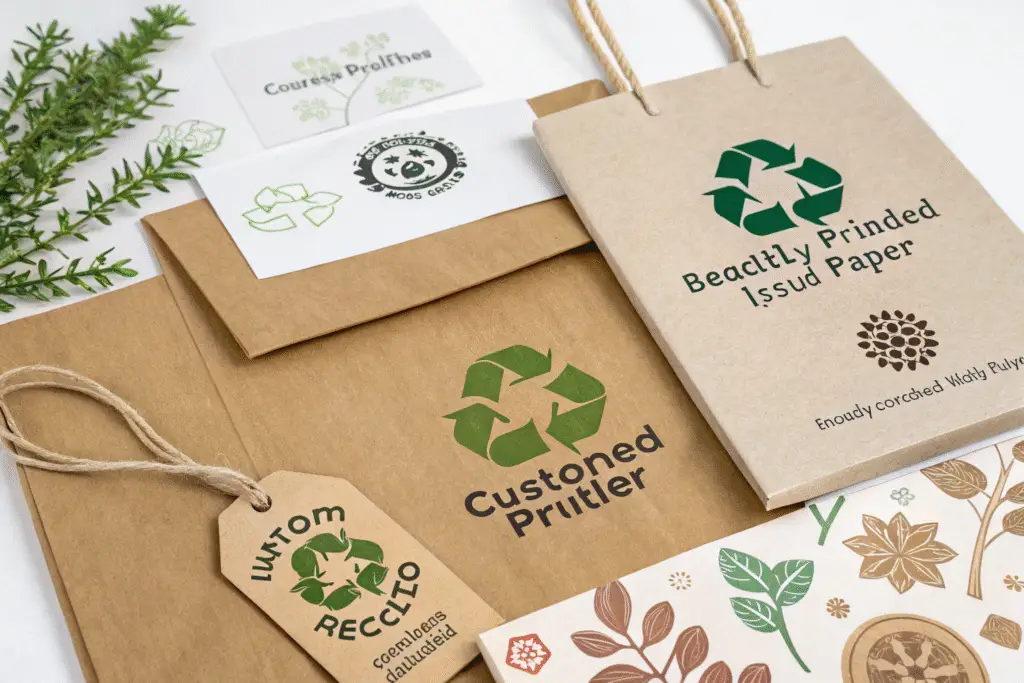
Use soy-based inks, kraft finishes, and minimalist graphics to keep packaging stylish and sustainable. Recycled or compostable materials can carry your branding as effectively as plastic.
We offer garment brands logo printing on FSC paper mailers, wrap sheets, and resealable kraft envelopes. Buyers like Ron love our packaging’s natural textures—and his customers notice the effort.
What Are Low-Waste Customization Options?
You can opt for die-cut stamps, reusable boxes, or QR-coded hangtags made from seed paper. Custom compostable stickers and eco-friendly branded tape make a small box look premium without increasing landfill impact.
Simple upgrades like unbleached tissue or dual-use bags (retail + return) improve functionality while reinforcing brand values.
Does Eco-Packaging Support Unboxing Experiences?
Absolutely. A thoughtful unboxing moment can turn customers into repeat buyers. Using branded eco tissue paper and eco-ink print cards adds emotional impact.
We design “Thank You” cards printed on recycled kraft with soy ink, folded into our garment wrapping, which adds a luxury feel while staying planet-positive.
What Are Compliance Requirements for Green Packaging?
Eco-friendly packaging isn’t just a trend—it’s increasingly becoming law. In some regions, like the EU or California, certain materials must meet minimum recycled content or carry specific labeling. Failure to comply may lead to fines or shipment holds.
To comply, ensure your packaging has the right certifications, clear disposal labeling, and matches destination country rules. Always stay updated on eco-regulatory changes.
We advise our clients on packaging laws when exporting to North America, Europe, and Australia. This prevents relabeling costs and ensures a smoother import experience.
What Labels Must Be Printed on Packaging?
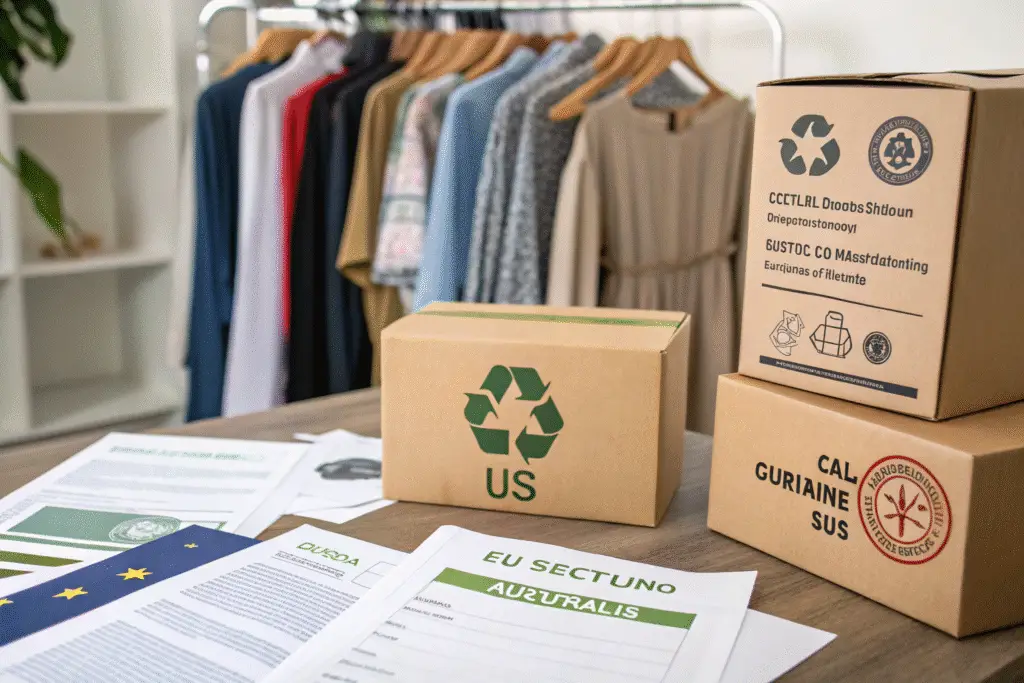
Many regions require “recyclable” or “compostable” to be backed by standards. For example, California prohibits misleading environmental claims without third-party validation. Use How2Recycle labels or Mobius loop with QR redirection to explain correct disposal.
EU countries often require the Green Dot symbol or national recycling logos. Ask your supplier for templates that meet destination market guidelines.
How Do Regulations Affect Packaging Material Choices?
Your choice of material can affect shipping eligibility, taxes, or retailer acceptance. For example, Amazon FBA restricts certain single-use plastics. Walmart’s Sustainable Packaging Guidelines and EU Packaging Directive should be reviewed if you sell B2B.
That’s why we offer advisory support and update clients regularly on new laws—especially those importing to the U.S. or Europe, where regulations evolve quickly.
Conclusion
Switching to eco-friendly packaging is more than a PR move—it’s a strategic brand decision. As customer expectations rise and regulations tighten, sustainable materials, verified suppliers, and compliance-ready printing are the way forward.
At Fumao, we don’t just make your garments—we help you present them in packaging that speaks to your brand’s integrity. Whether it’s a recycled kraft mailer or a compostable polybag with branded tape, we offer custom, compliant, and beautiful packaging at scale.
If you’re ready to elevate your brand and reduce your environmental footprint, let’s talk. We’ll turn your packaging from an afterthought into a competitive advantage.