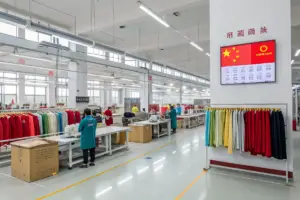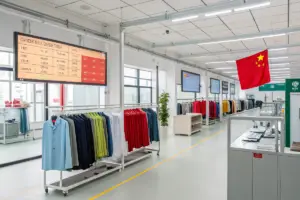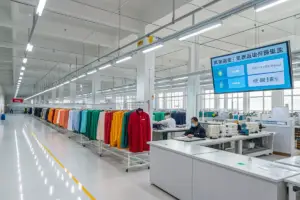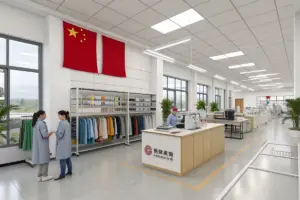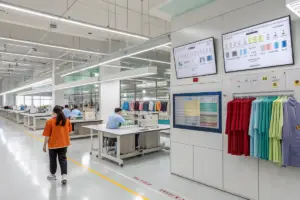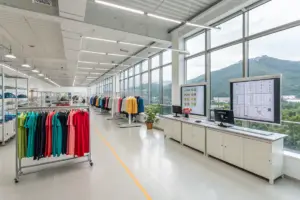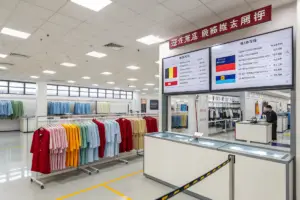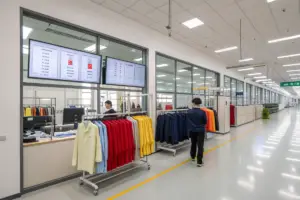
Many U.S. apparel buyers turn to Alibaba looking for cost-effective, scalable suppliers. But as I’ve seen time and time again, the path to successful sourcing is filled with risks—fraud, quality problems, communication gaps, and delayed deliveries. These risks don’t just affect your bottom line—they can disrupt entire selling seasons.
While Alibaba can be a valuable sourcing tool, it also comes with serious risks. From fake certifications to miscommunication and logistics breakdowns, these issues can be avoided with proper checks, sourcing knowledge, and verified supplier partnerships.
In this article, I’ll walk you through the most common problems American apparel businesses face on Alibaba—and share proven ways to mitigate them. This is not theory—it’s what we’ve learned firsthand working with major U.S. clients who now trust us to replace uncertain platforms with stable factory partnerships.
How to Identify Fake Alibaba Suppliers?
Sourcing from Alibaba means wading through a jungle of listings. While some vendors are legitimate manufacturers, others are merely trading companies or even scammers. These suppliers may claim to be factories, but subcontract the work, inflate pricing, or disappear after payment. For U.S. brands, this misrepresentation leads to broken promises, product issues, and profit loss.
To identify fake Alibaba suppliers, examine certifications, factory videos, and third-party audits. Avoid relying on gold badges or flashy product images. Verified business licenses and factory audits help verify the supplier’s legitimacy.
Alibaba’s “Gold Supplier” or “Verified” badges only confirm payment and basic business registration—not manufacturing capability. To go deeper, ask for a video walkthrough of their factory and check Bureau Veritas or TÜV SÜD audit reports.
What Is the Difference Between a Factory and a Trading Company?
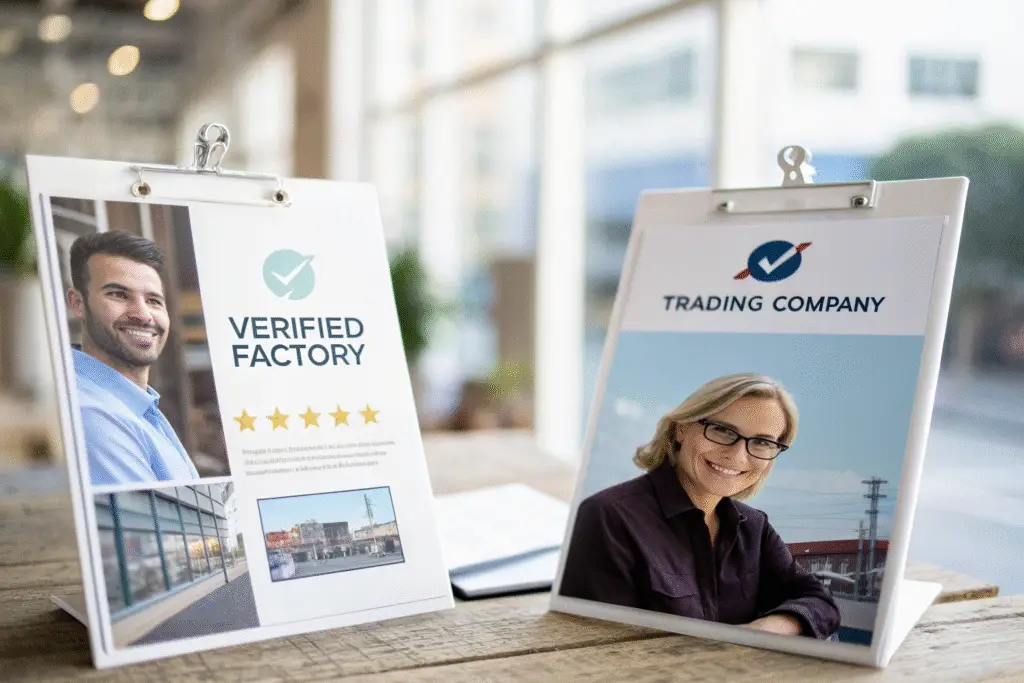
Factories manage in-house production, while trading companies act as intermediaries. Many traders present themselves as factories but outsource your order elsewhere. This often causes pricing changes, slower communication, and less accountability.
Ask direct questions like: “Can I visit your factory?” or “Who is your sewing supervisor?” A trading company will avoid technical details. Also, check for OEM experience in product development and whether they own actual production lines. Learn more at Made-in-China.com’s sourcing tips.
How Can You Spot Fake Certifications?
Some suppliers on Alibaba use photoshopped or expired documents to claim BSCI, WRAP, GOTS, or OEKO-TEX compliance. Importers relying on these can face customs rejections and legal issues. You can use the OEKO-TEX Label Check or Sedex database to verify real certificates.
Always request the full certificate PDF, not just a picture. Check the expiration date, scope, and validity region. Don’t assume legitimacy based on a badge—double-check directly with the issuing body.
Why Do Many Alibaba Orders Have Quality Issues?
Quality inconsistency is one of the biggest frustrations when sourcing on Alibaba. A supplier might send a perfect sample, but once production begins, shortcuts appear: cheap materials, size errors, or unapproved changes. For fashion brands, this can ruin an entire season’s inventory.
Alibaba suppliers often lack standardized QC systems, leading to poor consistency. Mitigate this risk by conducting third-party inspections, locking in sample approvals, and establishing clear AQL (Acceptable Quality Limit) standards.
Even large MOQ orders are not immune. The key is documenting every step: fabric composition, stitching type, sizing tolerances, and finishing. Factories like ours use structured QC procedures backed by ISO-certified inspectors to ensure repeatability batch after batch.
Are Third-Party Inspections Effective?
Yes—third-party inspection companies like QIMA or Intertek can conduct on-site checks at various production stages. These include inline checks, pre-shipment audits, and packaging verification.
A pre-shipment inspection ensures your product meets specifications before it leaves the factory. Include detailed checklists with your order—things like thread count, GSM, color matching, and packaging methods. This reduces surprises and disputes later.
Why Do Bulk Orders Often Differ from Samples?
This issue often comes from cost-cutting or communication gaps. The approved sample may use premium fabric, but bulk production swaps in a cheaper alternative. Sizing inconsistencies, color dye batch variations, or missing trims also occur.
Always require a pre-production sample made on the actual production line. Implement a sealed sample policy where the approved unit is signed and used as a reference. Learn about the practice of sealed samples at Asia Quality Focus.
How Can Miscommunication Cause Expensive Delays?
Misunderstandings with overseas suppliers often lead to costly mistakes. Whether due to time zone delays, poor English, or cultural differences, unclear messages cause wrong sizes, colors, or order errors. Worse, each correction cycle takes 1–2 days to resolve—enough to derail your timeline.
To avoid delays, set clear specs, use standardized tech packs, and confirm approvals through images or video. Working with bilingual merchandisers or English-speaking project managers improves accuracy.
We learned early that text alone isn’t enough. We use annotated tech packs, CAD files, and video calls to explain garment construction. This helps reduce misinterpretation—especially for buyers like Ron, who care about price but need precision without micromanaging.

Are Time Zone Differences a Serious Bottleneck?
Yes. When you email a supplier in China at 3 PM in New York, it’s already 3 AM for them. Replies take a day, and if clarification is needed, that’s another day gone. In fast-fashion cycles, time is money.
At Fumao, our sales managers overlap U.S. hours and use tools like Loom and Slack for quicker communication. Real-time updates and shared workspaces reduce the back-and-forth common on Alibaba.
Do Language Barriers Lead to Misproduction?
Absolutely. Phrases like "side slit 5 cm above hem" can be misinterpreted if your supplier rep doesn’t fully understand English or garment terminology. This leads to incorrect cuts, seam misplacement, or branding errors.
Use visual confirmations and avoid colloquial phrases. Better yet, work with suppliers who provide visual confirmations and template-driven BOMs. This ensures the product you receive is what you imagined.
What Logistics Risks Come with Alibaba Orders?
Many Alibaba suppliers give overly optimistic shipping timelines and vague delivery methods. That’s because logistics are not always managed in-house—they may rely on cheap forwarders with no customs expertise. This can result in unexpected duties, delays, or even shipment rejection at U.S. ports.
To mitigate logistics risks, use DDP shipping terms, verify documentation, and work with suppliers who manage compliance internally. Check delivery milestones in real-time.
Our U.S. clients rely on timely delivery—especially during seasonal drops. We include buffer times for holidays, offer customs pre-clearance, and handle everything from port to door.

What Is the Risk of Customs Holds?
If your product lacks correct HS codes, labeling, or origin documents, it may be flagged by U.S. Customs and Border Protection (CBP). This can delay or forfeit your goods, especially for children’s apparel, which requires CPSIA compliance.
We pre-register shipments, apply accurate HS classifications, and ensure proper labeling. All goods are inspected for CPSIA, flammability, and phthalate requirements before shipping.
Why Is DDP the Best Option for U.S. Buyers?
DDP (Delivered Duty Paid) means the seller handles all logistics, taxes, and customs fees until delivery. This provides full visibility and cost control. We offer DDP to U.S. clients to ensure no surprise charges or clearance risks.
It simplifies the process. Instead of managing brokers, tariffs, and duties, you receive goods directly at your warehouse. Learn more about the advantages of DDP at Freightos.
Conclusion
Alibaba opens the door to thousands of suppliers, but without careful navigation, you could fall into traps that harm your brand’s reputation and bottom line. From fake profiles and weak quality control to late shipments and customs chaos, each issue has a solution—if you know what to look for.
That’s why many U.S. buyers like Ron eventually move away from Alibaba toward direct, trustworthy factory partners. At Fumao Clothing, we offer verified certifications, real-time communication, full-package manufacturing, and DDP logistics—all to make sourcing smoother and more profitable.
If you’re tired of second-guessing every order, let’s build a sourcing relationship that gives you control, speed, and peace of mind. We’re not just a supplier—we’re your long-term partner in U.S. apparel success.