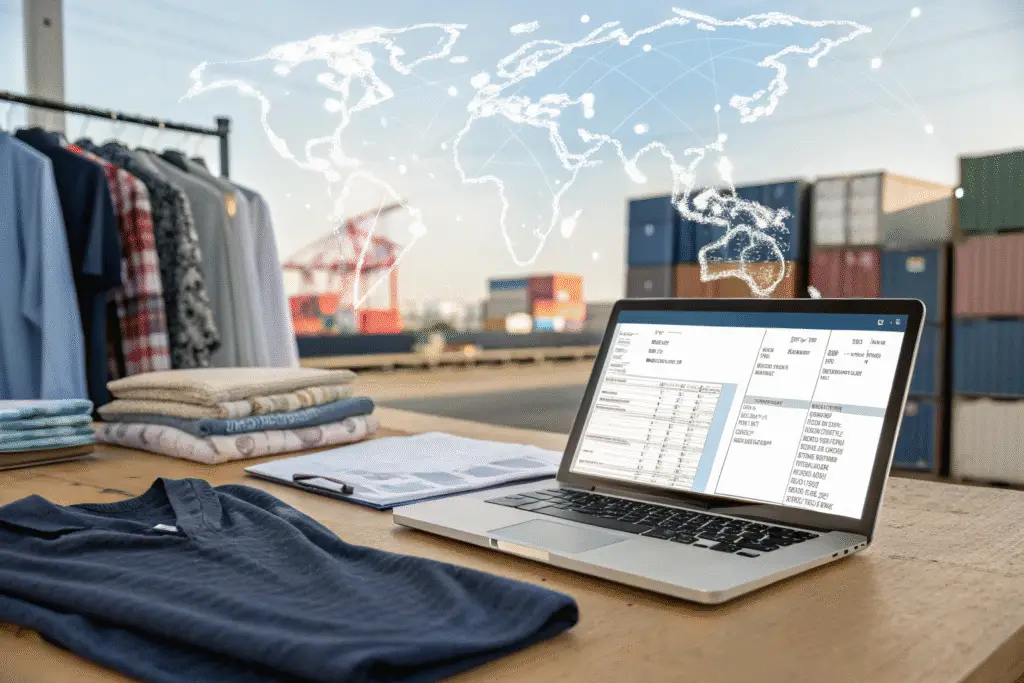
When importing clothing into the U.S. or European Union, the landed cost often includes more than just production and shipping. Duty and tax charges—if miscalculated—can eat into your profit margins or trigger costly customs delays.
To manage duty and tax calculations effectively, clothing importers must understand HS codes, know the latest tariff schedules, apply origin-based trade agreements (like GSP or USMCA), and use digital tools for accuracy.
As a garment exporter who works with brands in both the U.S. and Europe, I’ve helped clients like Ron navigate everything from DDP quotes to VAT recovery. Here’s how you can confidently plan your duty and tax costs without surprises.
What Determines the Import Duties on Clothing?
The import duty for a clothing item isn’t based on a flat percentage—it depends on what the item is, what it’s made of, and where it’s coming from.
Your product’s HS (Harmonized System) code, country of origin, and materials determine the applicable duty rate at customs. Misclassification can result in penalties or overpayment.
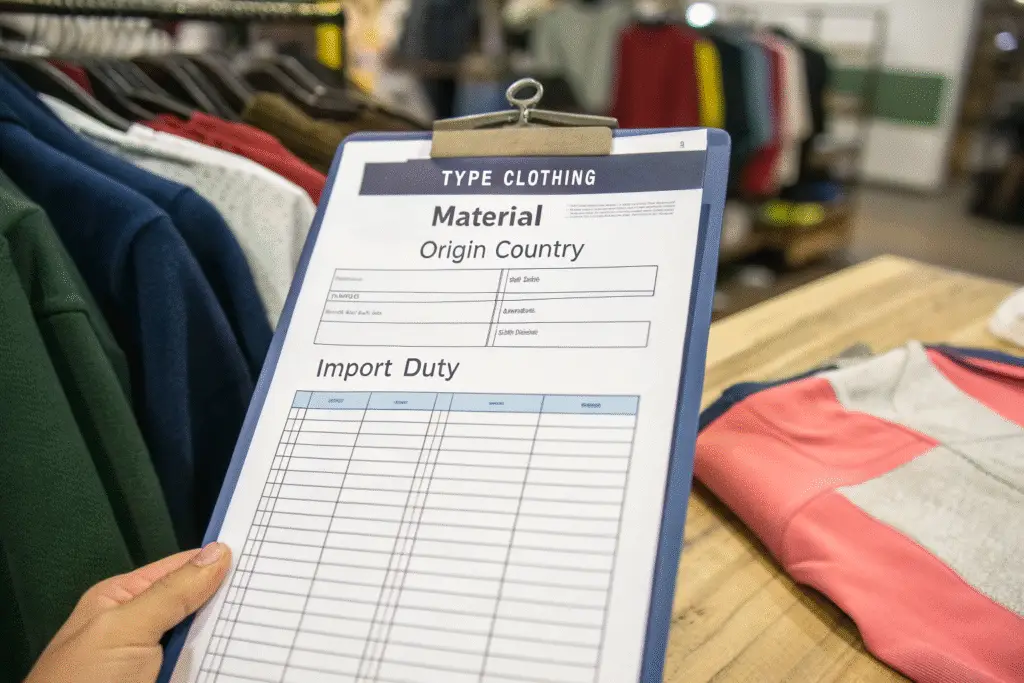
How Do You Classify Clothing with the Correct HS Code?
Each type of apparel has its own 10-digit HS code based on:
- Garment type (e.g., woven shirt, knit dress)
- Gender (men’s, women’s, unisex)
- Material (cotton, polyester, synthetic blends)
- Construction (knit vs woven)
For example:
- HS 6109.10.00 = Cotton T-shirts
- HS 6204.62.40 = Women’s synthetic fiber trousers
Use the Harmonized Tariff Schedule (HTS) for the U.S. or TARIC database for the EU to confirm codes.
What Duty Rates Apply to Different Garment Categories?
Duty varies by product and country:
- U.S. cotton T-shirt: 16.5%
- U.S. synthetic blouse: 26.9%
- EU men’s trousers (non-EU origin): ~12%
Sources: U.S. CBP Import Guide and EU TARIC.
Additional duties may apply under Section 301 or EU safeguard measures. It’s critical to stay updated through platforms like ImportYeti or Trade Helpdesk.
How to Calculate Total Landed Cost Including Duties and Taxes?
A good sourcing decision isn’t based on factory price alone. You need to calculate the landed cost—the total cost of getting goods into your warehouse legally and completely.
Landed cost = Product Cost + Freight + Import Duty + VAT/GST + Broker Fees + Handling Charges.

What Are the Key Components of Landed Cost?
| Component | Description |
|---|---|
| Product Cost | Price from factory (EXW or FOB) |
| Freight | Air/sea shipping + insurance |
| Import Duties | % of customs value based on HS code |
| VAT/GST | Applied on CIF value in EU (20% avg) |
| Broker/Handling | Customs clearance service, doc fees |
Use tools like SimplyDuty or DutyCalculator to run simulations for both the U.S. and EU markets.
How Do Incoterms Affect Tax Responsibilities?
- DDP (Delivered Duty Paid): Supplier handles all costs including duty
- FOB (Free on Board): Buyer handles freight, duty, and clearance
- CIF (Cost Insurance Freight): Buyer pays import duty on CIF value
If you’re not experienced in customs procedures, DDP is safer. Learn more from Incoterms Explained and Freightos.
How to Leverage Trade Agreements and Duty Exemptions?
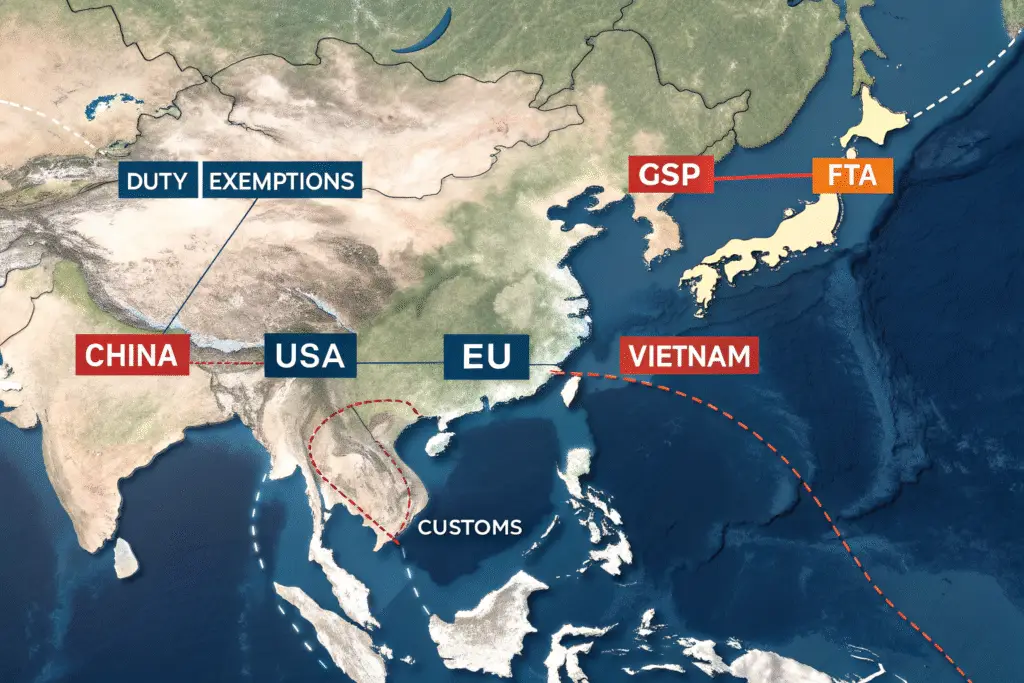
Many countries offer preferential access through Free Trade Agreements (FTAs) or Generalized System of Preferences (GSP). When used correctly, these can dramatically reduce or eliminate import duties.
Apparel importers can reduce duty rates by sourcing from GSP-eligible countries or ensuring Rule of Origin compliance under treaties like USMCA or EU-Vietnam FTA.
Which Trade Agreements Help Lower Garment Duties?
- U.S. GSP: Includes Bangladesh, Indonesia (but excludes China)
- USMCA (ex-NAFTA): Eliminates duty on qualifying goods from Mexico/Canada
- EU-Vietnam FTA: Reduces duties on garments with local content
- EBA/EPA: Duty-free access for African nations into EU
Explore trade eligibility at USTR or Access2Markets EU.
How Do You Prove Origin for Duty-Free Entry?
You need:
- Certificate of Origin (e.g., Form A, EUR.1, or FTA-specific)
- Factory cost breakdowns to prove local value content
- Bill of lading and invoice details matching customs declarations
Non-compliance can result in retroactive duty charges. Consult CBP’s Rules of Origin Guide or WTO’s Origin Rules Handbook.
How to Stay Compliant with VAT, IOSS, and E-Commerce Tax Rules?
For U.S. and EU markets, indirect taxes like sales tax and VAT now apply to even low-value shipments, especially for DTC (direct-to-consumer) brands.
Importers must register for IOSS (EU), track sales tax thresholds (U.S.), and ensure VAT is either prepaid or reclaimable depending on their model.
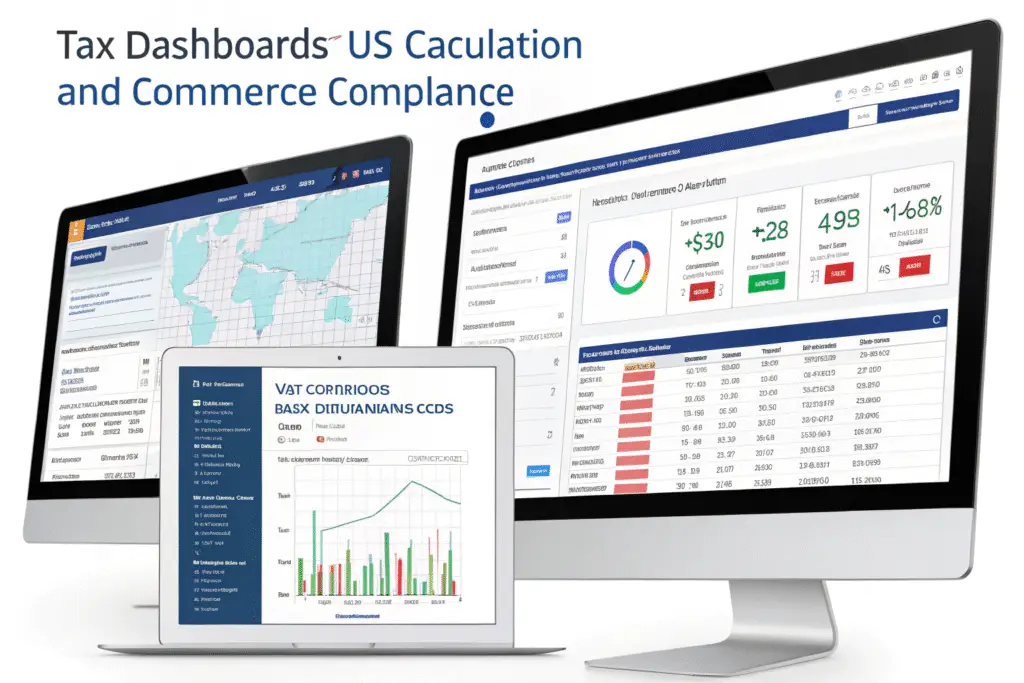
What Are the EU IOSS and VAT Rules for Clothing Imports?
- EU applies VAT (17–25%) on most apparel imports
- IOSS allows prepaid VAT on B2C orders below €150
- Larger shipments may require a VAT agent or EORI registration
Learn how to register at IOSS Portal or use Avalara for automation.
How Do U.S. Sales Tax and Customs De Minimis Work?
- U.S. de minimis value is $800 per shipment (no duty/tax if below)
- DTC sellers must collect state-level sales tax based on nexus
- Platform sales (Amazon, Shopify) may require Marketplace Facilitator setup
Check TaxJar’s Sales Tax Map or consult CBP’s e-commerce import policy for more details.
Conclusion
Importing clothing into the U.S. or EU is no longer just about finding a good factory. It’s about knowing exactly how duty, VAT, and shipping terms impact your landed cost.
Smart buyers calculate duties upfront, verify HS codes, leverage trade treaties, and automate tax compliance—saving thousands per season and avoiding unexpected customs issues.
At Fumao Clothing, we offer clients full landed cost breakdowns, HS code validation, and DDP shipping quotes so you know exactly what you’re paying before your shipment even leaves the port.
If you're scaling your fashion business across borders, managing duty and tax is just as important as choosing the right fabric. Let’s make your supply chain smarter, not riskier.