Fashion is a fast-moving industry, especially when it comes to women’s dresses. Retailers and brand owners need to stock styles that are both on-trend and affordable—without sacrificing margin or quality. But bulk buying isn’t just about picking the cheapest supplier off Alibaba. It’s about finding reliable factories, identifying trends early, and structuring your sourcing process to stay profitable.
To source trendy and affordable women’s dresses in bulk, you need the right mix of fashion forecasting, low-MOQ sourcing strategies, supplier vetting, and logistics control.
As a clothing factory owner in China, I’ve helped clients like Ron—a U.S.-based fashion brand owner—scale their inventory with stylish, well-priced dresses. Here’s the playbook we use to source bulk dresses that sell fast and yield high returns.
Where to Find Reliable and Affordable Dress Suppliers?
Choosing the right supplier is half the battle. While low prices are tempting, many unknown vendors may deliver poor quality or copy styles without license—hurting your brand.
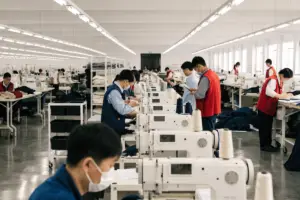
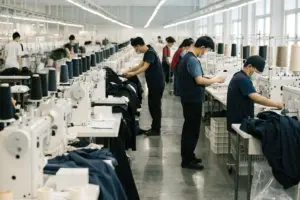
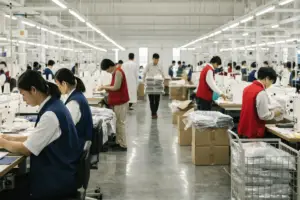
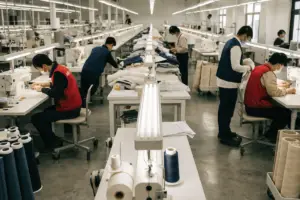
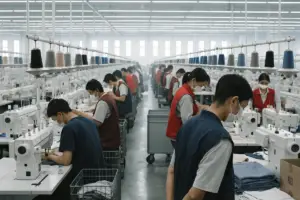
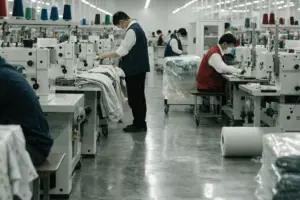
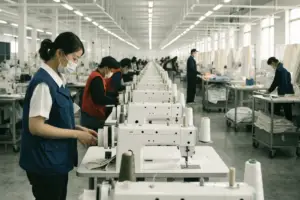
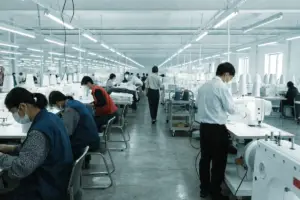
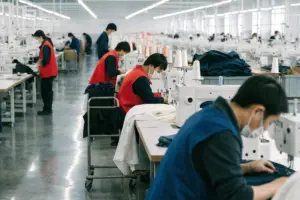
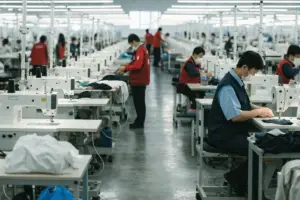
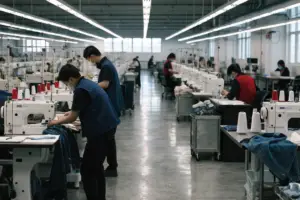
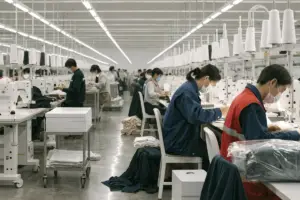
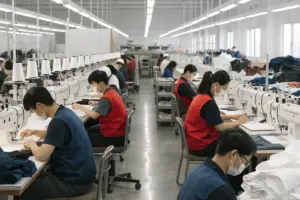
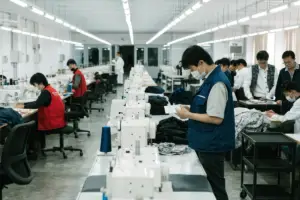
Reliable suppliers offer affordability through efficiency, not shortcuts. Look for factories that specialize in women’s fashion, offer sample services, and showcase their own design capabilities.
What Are the Best Platforms to Source Bulk Dresses?
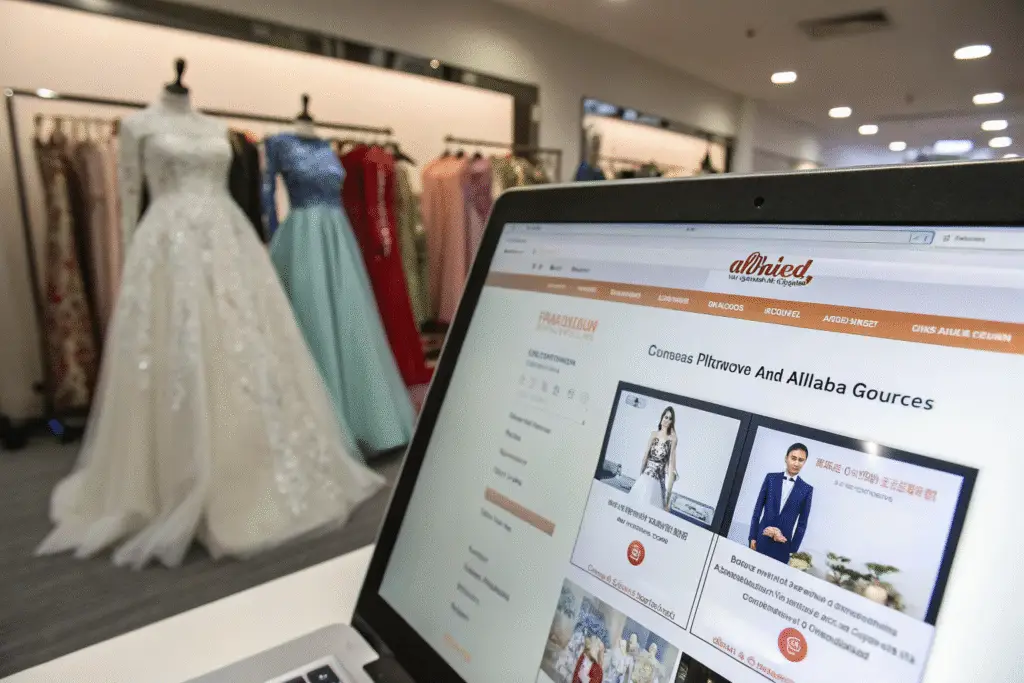
Top sourcing platforms include:
- Alibaba: The largest marketplace, with verified suppliers and RFQ tools
- GlobalSources: Strong in verified OEM/ODM suppliers
- Fibre2Fashion: A niche portal for textile and apparel sourcing
- FashionGo: U.S.-based wholesale platform with real-time inventory
These platforms allow you to compare MOQs, pricing tiers, and even request fabric certifications like OEKO-TEX or GRS.
How Do You Verify Supplier Credibility and Experience?
Checklist to verify a dress supplier:
- Look for factory photos and video audits
- Ask for references or past buyer examples
- Confirm product range (Do they specialize in dresses or everything?)
- Check certificates: BSCI, ISO9001, GRS
You can use services like QIMA Supplier Audits or check Sedex to verify ethical sourcing practices.
How to Identify Current Trends in Women’s Dresses?
Fashion trends can shift monthly. If you’re sourcing for seasonal collections, identifying trends early is key to avoiding dead stock.
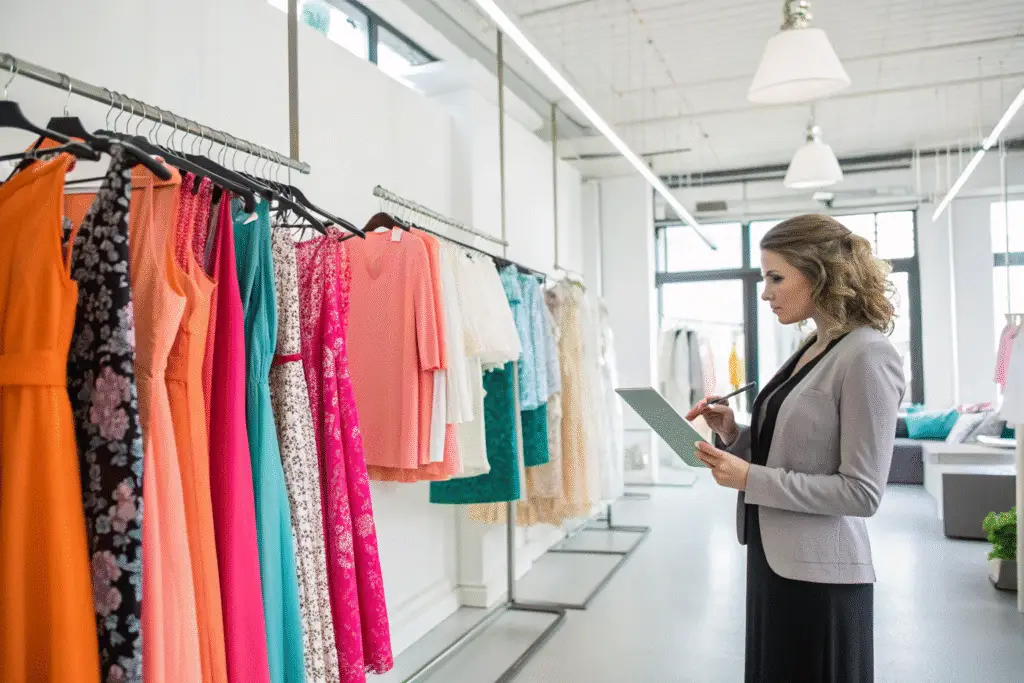
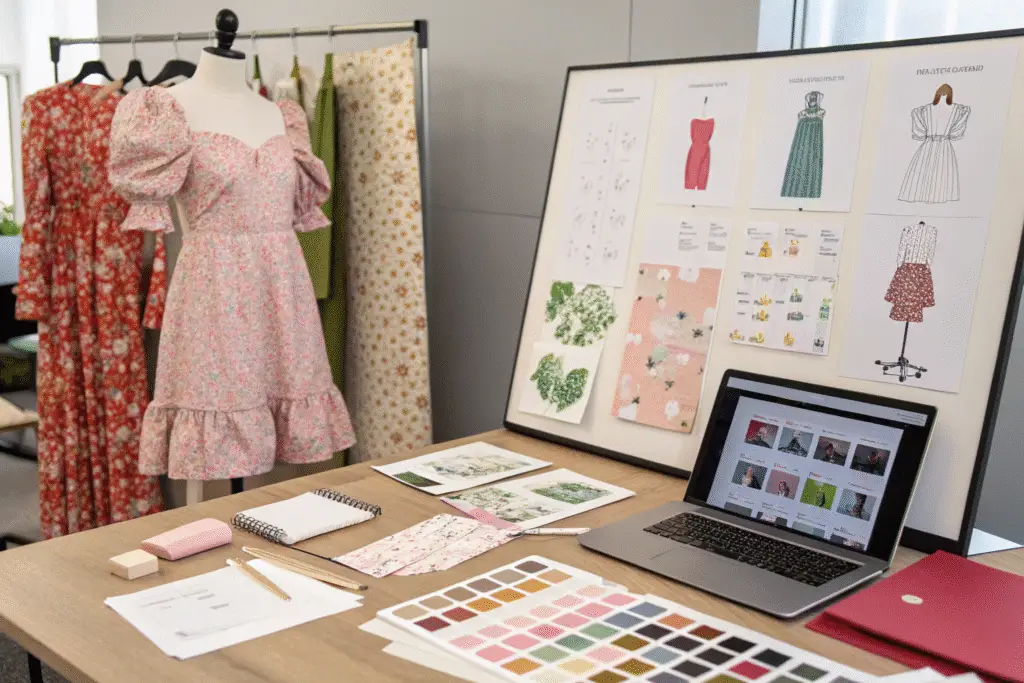
Trend research helps you decide what silhouettes, fabrics, and prints to source. Following fashion forecasting reports, Instagram trends, and competitor collections can help keep your selections fresh and desirable.
What Tools Help Predict Dress Trends for the Season?
Top sources for trend forecasting:
- WGSN: Industry leader in fashion forecasting (paid)
- Pinterest Trends: Free tool showing rising keywords
- Google Trends: Track search spikes for dress styles
- Fashion Snoops: Visual style guides and reports
You can also follow Instagram accounts like @trendforecasting or browse Shopify Blog for small brand insights.
How Do You Communicate Trend-Based Requirements to Suppliers?
Use visual aids:
- Send Pinterest moodboards or screenshots of bestsellers
- Reference style codes from popular platforms like ASOS or Zara
- Create simple tech packs or line sheets for dress lengths, sleeve types, and necklines
Your supplier doesn’t need full CAD drawings. At Fumao, many of our clients send collages and we translate that into samples using our internal design team.
How to Control Costs Without Compromising Style?
Looking trendy shouldn’t mean overspending. To stay affordable, brands must understand how fabric, trims, and stitching details affect final pricing—and where smart compromises can be made.
Controlling cost while retaining style means simplifying construction, using mass-available fabrics, batching production, and being flexible with shipping lead times.
What Factors Influence Bulk Dress Pricing the Most?
Here’s a cost breakdown:
| Component | Cost Impact (%) |
|---|---|
| Fabric Type | 40–50% |
| Trims & Hardware | 10–15% |
| Sewing Complexity | 20–25% |
| Label & Packaging | 5–10% |
| MOQs & Freight | 10–15% |
Reducing excessive gathers, embroidery, or lining can bring price down without ruining the look. Use TexIndex or FabricsChina to estimate fabric price per meter.
How Can You Negotiate Better Prices Without Sacrificing Quality?
Strategies include:
- Offer long-term cooperation with style reorders
- Consolidate similar styles for shared fabric
- Choose standard trims that factories stock
- Allow batch shipping instead of express
At Fumao, we offer FOB and DDP pricing tiers—clients who let us group shipping by volume often save 10–12% per order. You can also learn about negotiation frameworks via Sourcing Playground.
How to Manage Production and Delivery Smoothly?
Even trendy, well-priced dresses can fail if they arrive late. Smooth production and delivery mean starting with clear timelines, updating constantly, and planning around global freight realities.
Use ERP or cloud tracking tools to monitor stages. Work with factories that share progress openly, including QC photos, label mockups, and packing videos.
What Is a Reasonable Lead Time for Bulk Dress Orders?
Lead time depends on fabric and season:
- In-stock fabric: 15–25 days
- Custom dyed/printed fabric: 30–45 days
- Peak seasons (Feb–Apr, Sep–Oct): Add 10–15 days
Smart buyers plan two months ahead. You can follow updates from Freightos to track ocean freight timelines or refer to Alibaba’s delivery calculator for supplier-based estimates.
What Shipping Methods Work Best for Dress Orders?
For U.S. buyers like Ron, we recommend:
- DDP Air Freight for small urgent orders
- DDP Sea Freight for larger collections (lower cost)
- FOB + 3PL Shipping for buyers with U.S. agents
Logistics firms like Ship4wd or Flexport simplify this for brands that want full control or shared container access.
Conclusion
Sourcing trendy and affordable women’s dresses in bulk isn’t just about price—it’s about timing, style relevance, supplier trust, and logistics. From picking the right fabrics to staying ahead of seasonal trends and negotiating cost-effective production, the key is working smarter, not cheaper.
At Fumao Clothing, we support brands worldwide with flexible dress MOQ orders, internal designers for trend alignment, and fully managed DDP shipping. For buyers like Ron, that means one less worry—and one more season of bestselling dresses.
If you’re ready to scale your women’s dress line profitably, partner with a factory that understands both cost and catwalk.