Managing clothing production overseas isn’t just about finding the right factory anymore—it’s about tracking thousands of moving parts across continents, suppliers, and timelines. And the key to making it all work? Choosing the right ERP (Enterprise Resource Planning) system.
The best ERP systems for overseas clothing production streamline your sourcing, inventory, production timelines, logistics, and financials—all in one centralized, cloud-based interface. They reduce delays, improve visibility, and give brands control over remote operations.
As a Chinese clothing manufacturer serving global apparel brands, I’ve seen how brands that implement smart ERP systems avoid late shipments, inventory chaos, and cost blowouts. Here's a deep dive into which systems work best and why they matter for cross-border apparel businesses.
What Features Should an Apparel ERP System Offer?
You can’t rely on generic ERP platforms designed for hardware or books. Apparel production has specific challenges—color matching, size sets, seasonal drops, fabric lots, and DDP shipping.
An ideal ERP for overseas apparel production must include features like BOM management, multi-level approvals, WIP tracking, supplier performance dashboards, and logistics integrations.
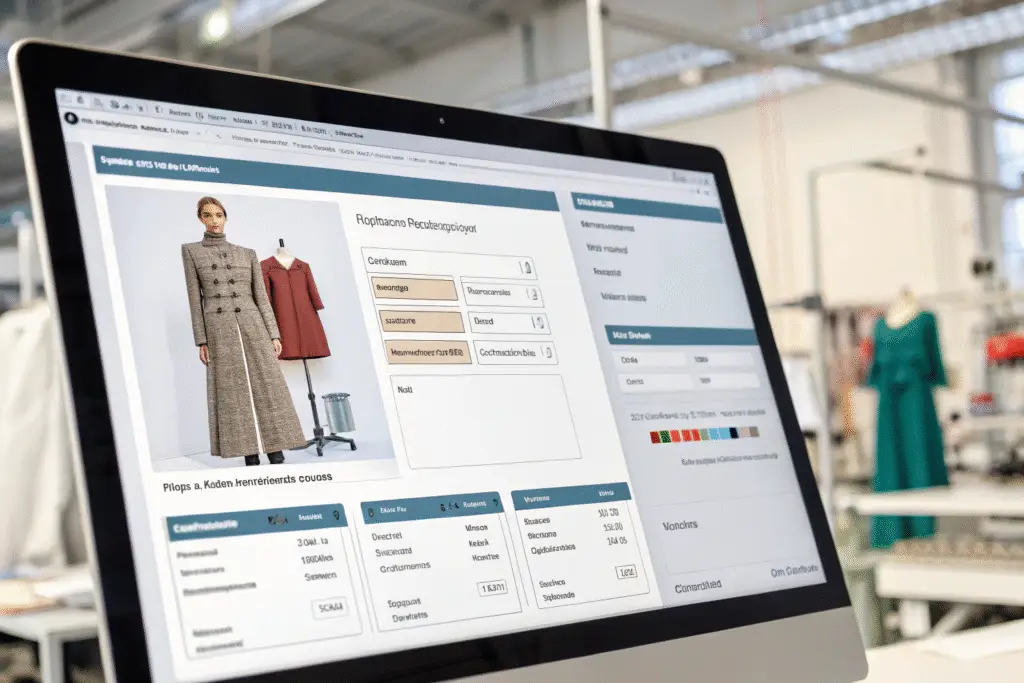
Which Modules Are Essential for Fashion Manufacturers?
Here’s what a robust ERP system tailored for apparel should include:
- BOM (Bill of Materials) Builder: Allows breakdown by size, color, fabric
- Tech Pack Integration: Ensures pattern, grading, and design match production
- WIP Tracking: See real-time production stage updates
- Vendor Management: Track approvals, capacity, compliance
- Shipment & Label Sync: Links to couriers, export docs, incoterms
Platforms like ApparelMagic and FastReactPlan by Coats Digital offer these industry-specific modules for fashion businesses.
How Do ERP Systems Help Prevent Production Delays?
With real-time alerts on raw material arrival, dyeing completion, or strike-offs approval, ERP helps brands like Ron plan more confidently. It removes guesswork. You’ll be notified the second your fabric is late or when a supplier exceeds QC limits.
Check how Oracle NetSuite supports lead time management or explore BlueCherry’s Production Planning Tools for visibility into line scheduling.
What Are the Top ERP Solutions for Apparel Brands?
The ERP market is crowded, but only a few platforms are built for fashion supply chains. And even fewer are optimized for overseas production scenarios involving multiple factories and compliance zones.
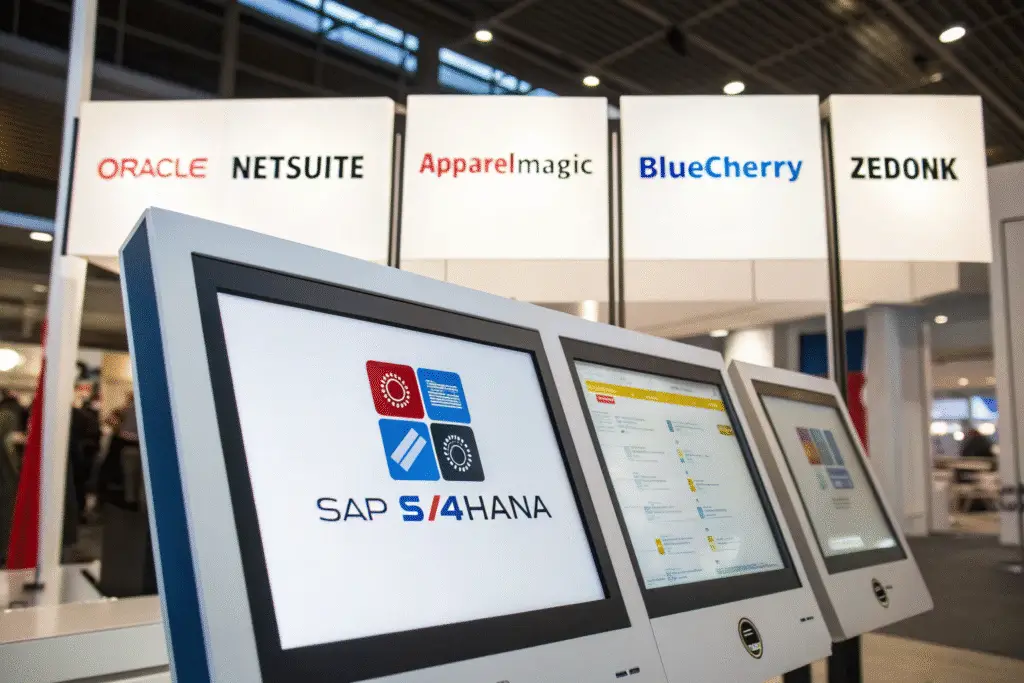
The best ERP systems for fashion brands managing global production are NetSuite, ApparelMagic, BlueCherry, SAP S/4HANA, and Zedonk. Each has unique strengths depending on brand size, product complexity, and export model.
Why Do Mid-Sized Apparel Brands Choose ApparelMagic?
ApparelMagic is cloud-based, fashion-specific, and built for growing brands. It offers:
- Style-level inventory and cost tracking
- Vendor RFQ and sampling workflow
- Integrated with Shopify, QuickBooks, and Shipstation
It’s particularly strong in managing boutique and wholesale fashion workflows. Learn more at ApparelMagic’s case studies or read FashionNetwork’s ERP success stories.
What Makes BlueCherry Ideal for Enterprise-Level Production?
BlueCherry is used by large global brands like Canada Goose and Tommy Bahama. Why?
- Scalable for multi-million SKU brands
- Links warehouse, factory, retail, and logistics
- Powerful reporting and analytics on supplier performance
For larger fashion houses that manage overseas factories directly, BlueCherry offers unmatched control. You can explore its apparel ERP modules at CGS BlueCherry overview.
How to Choose the Right ERP for Overseas Production?
Every brand is different. Choosing the wrong ERP could mean paying for features you don’t use—or worse, not having the ones you need to prevent production failure.
Your decision should be based on production volume, number of factories, integration needs (e.g., Shopify or WMS), budget, and ease of onboarding overseas teams.

What Criteria Should You Evaluate Before Choosing?
Start with these five ERP selection points:
| Factor | Why It Matters |
|---|---|
| Fashion Industry Focus | Modules should support BOM, samples, seasonality |
| Cloud Accessibility | Enables overseas factory and 3PL collaboration |
| Language Support | Multilingual UI for cross-border teams |
| Scalability | Grows from 1,000 to 100,000 units/month |
| Integration Ecosystem | Works with shipping, finance, e-commerce tools |
Use ERP comparison engines like G2 or Software Advice to compare based on actual user reviews and pricing tiers.
How Can You Pilot an ERP Before Full Implementation?
Most leading ERPs offer demo accounts, and some allow pilot implementation with one factory or one product line. This is safer than going all-in without testing fit.
Also, check if your local sourcing agent or China-based supplier (like us at Fumao) already uses a compatible ERP. For example, many suppliers are on SAP Business One or Odoo.
How to Integrate ERP with Your Factory and Logistics?
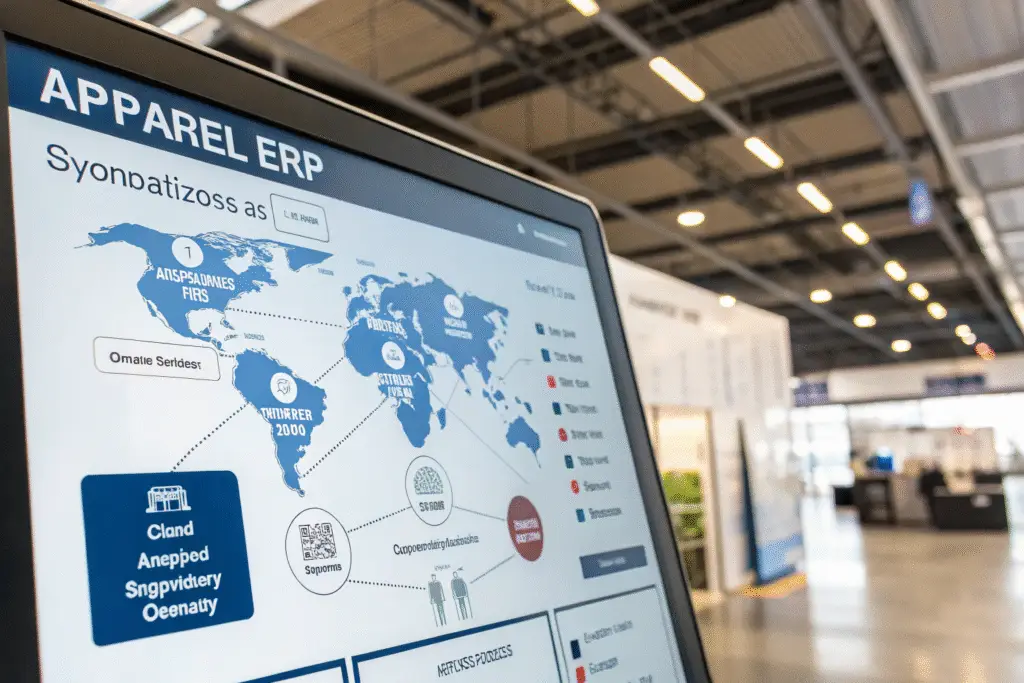
Having a great ERP doesn’t help if your overseas factories or forwarders don’t connect to it. The last-mile value comes from full integration.
Top ERP systems offer APIs or pre-built modules to sync with 3PLs, WMS platforms, courier systems, and your supplier portals—creating a digital supply chain.
How Can You Ensure Your Factory Follows Your ERP Workflow?
Steps to align your ERP with your overseas supplier:
- Provide supplier-side access to style sheets, PO, and shipment plans
- Require photo upload and milestone updates via ERP portal
- Use barcode-based receiving to check shipments by batch and order
You can check how Inspectorio helps streamline factory QA and Zedonk ERP enables supplier collaboration through portals.
What Tools Help Integrate ERP with Global Logistics?
Some ERP systems come with built-in freight booking or integrate with platforms like:
- Flexport: Smart freight + ERP sync
- ShipBob or ShipHero: For warehouse and delivery sync
- DHL API: To auto-book export shipments and print AWBs
Explore APIs available at Flexport Developer Hub and freight integration guides at EasyPost if your ERP lacks native logistics features.
Conclusion
ERP systems are no longer optional for apparel brands producing overseas—they’re essential. From preventing missed deadlines to automating reorders and avoiding customs delays, a good ERP gives you visibility and control where it matters most.
Whether you’re scaling up with ApparelMagic or managing complex global workflows with BlueCherry, the right ERP ensures that you stay on top of your overseas production, from design to delivery.
At Fumao Clothing, we work with clients who use ERP systems daily to check approvals, fabric status, and shipment ETAs. We even offer integration with platforms like NetSuite and SAP to streamline updates.
If you're sourcing overseas and still running your orders from Excel, it’s time to step up. Let your ERP take the heavy lifting while you focus on growing your brand.