As a long-time apparel manufacturer working closely with U.S. brands, I know firsthand how devastating it can be when a shipment arrives with defective clothing. Whether it’s poor stitching, wrong labeling, or incorrect sizing, these mistakes can cost you seasonal opportunities, customer trust, and even partnerships.
The best way to avoid post-shipment surprises is to implement a reliable, multi-step inspection system before any clothing leaves the factory. This ensures your goods meet the promised standards for quality, compliance, and presentation.
In this article, I’ll show you the exact practices we follow at Fumao Clothing to ensure flawless apparel shipments for clients like Ron—a confident U.S. buyer who prioritizes competitive pricing but will never compromise on quality.
Let me walk you through our pre-shipment inspection best practices, so you can adopt or request the same from your suppliers and prevent costly returns.
How to Structure a Garment Inspection Checklist?
Creating a comprehensive inspection checklist is the first step to maintaining high quality across all orders. Without it, inspection becomes inconsistent, rushed, or even pointless.
A well-structured garment inspection checklist includes size measurements, stitching accuracy, packaging, label verification, color matching, and compliance tags. This makes sure no step is missed and sets consistent benchmarks for your quality team.
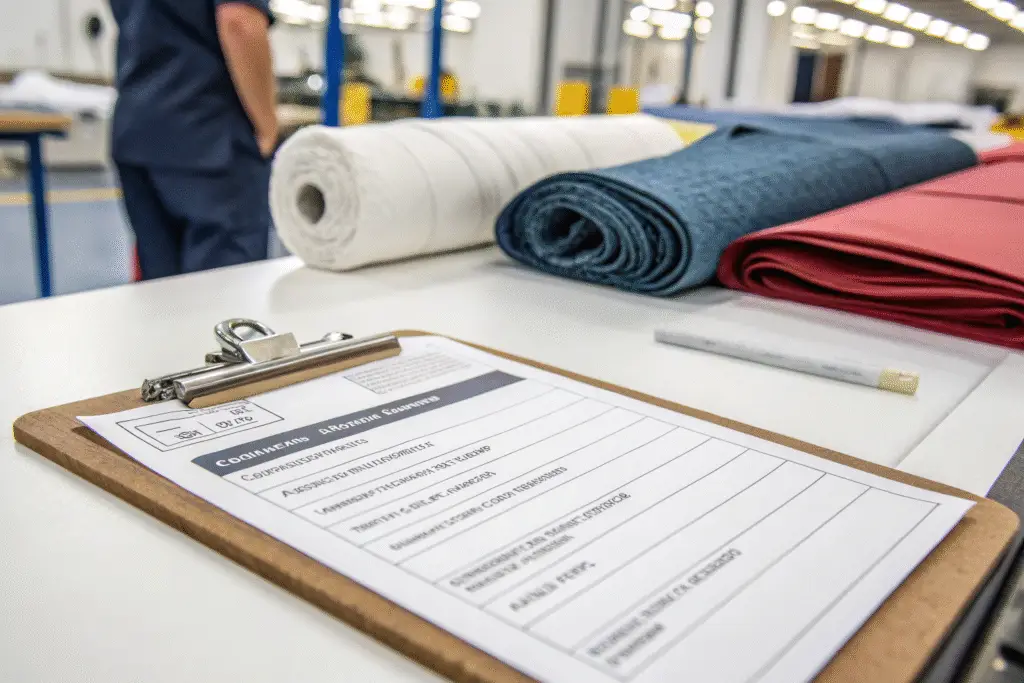
What Should Be Included in a Pre-Shipment Checklist?
Your inspection checklist must be custom-made to match the product category. For example, a cotton T-shirt might emphasize stitching tension and print durability, while a sports bra needs elasticity and size conformity. Key elements include:
- Size spec tolerance limits (e.g., ±1 cm for T-shirts)
- Seam alignment & thread color check
- Fabric integrity (no holes, pulls, or stains)
- Label accuracy and barcode readability
- Packaging consistency (polybag size, folding style)
For reference, you can view a sample inspection checklist format provided by QIMA or explore how Bureau Veritas handles garment inspections for international buyers.
How Do You Customize Checklists for Different Clothing Types?
Different clothing types require inspection checklists tailored to their function and customer expectations. For instance:
| Apparel Type | Focus Inspection Areas |
|---|---|
| Outerwear | Zipper function, weatherproofing |
| Activewear | Stretch test, sweat absorption |
| Blouses | Button alignment, stitching finish |
| Kidswear | Choking hazard test, flammability |
Customization prevents oversight of category-specific problems. It’s smart to use guidance from Intertek for age-specific compliance in kidswear, or check SGS’s textile services for technical garment evaluation support.
What Inspection Methods Are Most Effective?
Once your checklist is in place, it’s time to apply inspection methods that detect errors early and reliably. Not all methods are created equal, and random spot checks often lead to missed issues.
The most effective garment inspection methods include AQL-based sampling, inline inspections during production, and final random inspections before packing. Each method targets issues at different stages, ensuring complete quality coverage.
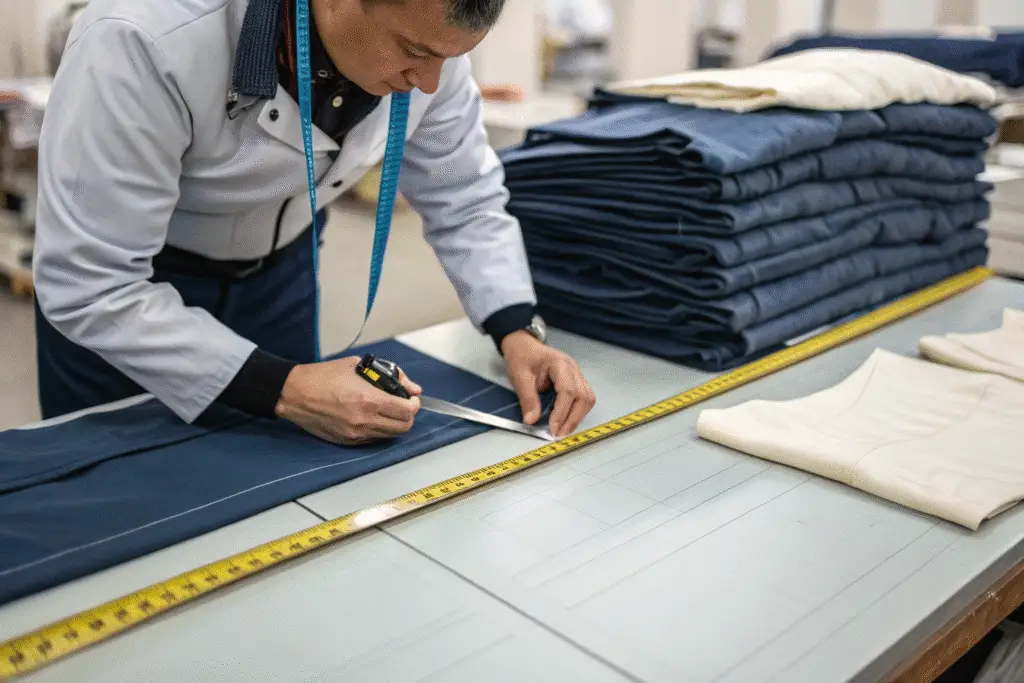
Why Use AQL Sampling in Apparel Quality Control?
AQL—Acceptable Quality Limit—is a statistical method used to determine how many samples must be checked to estimate the quality of the entire batch. It allows for efficient inspection while maintaining reliability.
For apparel, AQL Level II is most commonly used with General Inspection Level II, and defect classes typically break down as:
- Critical: Broken needles in garments (0% tolerance)
- Major: Uneven seams, holes (2.5%)
- Minor: Wrinkles, loose threads (4.0%)
You can consult the AQL table and learn more from Asia Quality Focus for garment-specific sampling plans.
How Does Inline Inspection Prevent Shipment Delays?
Inline inspection means checking garments during the production process—not waiting until the end. This helps catch systemic issues early and prevent the waste of an entire production run.
Common inline checkpoints include:
- Initial 10–20% of production (pilot inspection)
- Mid-production audit (50%)
- Final 80–100% evaluation
Brands like H&M Group use inline inspections to align supplier performance with sustainability goals, while UL Solutions highlights inline testing as a core apparel QC element.
What Tools and Equipment Improve Clothing Inspections?
Even the best-trained inspectors can miss flaws without the proper tools. Relying on eyesight alone isn’t enough, especially for large orders or high-stakes garments.
Investing in the right quality control equipment—like fabric testers, barcode scanners, and GSM cutters—greatly improves inspection accuracy, speed, and transparency.
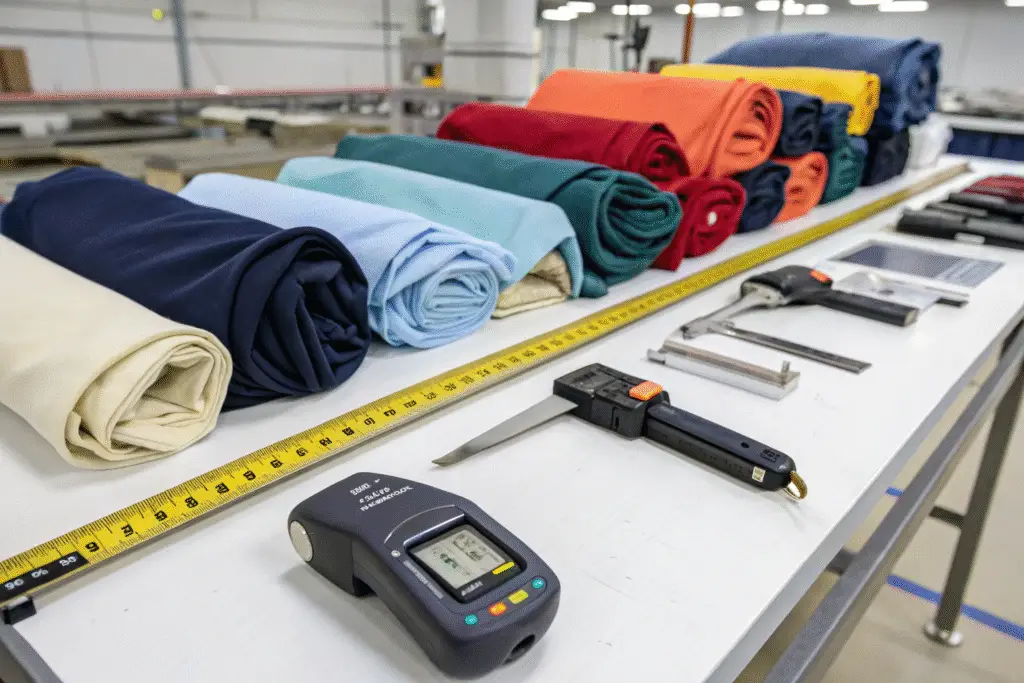
Which Tools Are Essential for Apparel QC Teams?
Here are some essentials:
- Measuring tapes & digital calipers: Ensure accurate sizing
- GSM cutters & weighing scales: Verify fabric density
- Color swatches & Pantone books: Prevent dye lot mismatch
- Barcode scanners: Test label legibility and traceability
- Magnifying glasses: Spot seam inconsistencies
You can shop inspection tools from Grainger Industrial or browse QC kits curated by Testex Textile Instruments.
How Can Technology Streamline Inspection Reporting?
Digital tools are transforming how factories document inspection outcomes. Mobile apps like QC App and platforms like Inspectorio offer real-time inspection uploads, defect photo documentation, and cloud-stored reports.
This helps U.S. buyers like Ron receive fast, visual updates and even join live audits virtually. Software options from Qualsys EQMS or AQF Online Reports empower teams to collaborate on approvals and corrective actions across time zones.
How to Communicate Inspection Results with Clients?
Once the inspection is complete, how you deliver results can make or break your client’s confidence in your factory. Sloppy emails or incomplete spreadsheets don’t cut it anymore.
Clear, honest, and well-documented reporting with defect breakdowns, visual proof, and suggested solutions gives your client peace of mind and builds long-term trust.

What Should an Inspection Report Include?
A detailed inspection report includes:
- Client info, PO, SKU breakdown
- Inspection date & inspector identity
- Quantity checked vs total
- Number and type of defects
- Photographic evidence
- Conclusion (Pass/Fail) and recommendation
Templates from QIMA or TÜV SÜD can help standardize your factory reporting format.
How to Handle Discrepancies and Buyer Feedback?
If a client flags a discrepancy, your response time and tone are critical. Always refer to documented evidence, propose corrective actions, and avoid defensiveness.
Also, use software like Zoho Projects or ClickUp to track corrective actions and follow-ups with your production team. This gives your buyer visibility into how quickly you’re solving issues.
Conclusion
Pre-shipment inspection is not just a checkbox—it’s your final opportunity to protect your reputation and secure repeat orders. From customizing checklists to adopting AQL standards, using reliable tools, and communicating with transparency, each step adds layers of trust.
At Fumao Clothing, we’ve built our reputation with U.S. clients on strict inspection routines that leave nothing to chance. If you’re sourcing from factories that skip these steps or fake reports, you’re risking more than product quality—you’re risking your business.
Let’s make sure every box that leaves China meets the standards your customers deserve.